Nakashoji Ayako, Bhattacharya Atrayee, Ozawa Hiroki, Haratake Naoki, Shigeta Keisuke, Fushimi Atsushi, Yamashita Nami, Matsui Akira, Kure Shoko, Kameyama Tomoe, Takeuchi Makoto, Fukuda Kazumasa, Yokoe Takamichi, Nagayama Aiko, Hayahsida Tetsu, Kitagawa Yuko, Liu Renyan, Giordano Antonio, Jeselsohn Rinath, Shapiro Geoffrey I, Kufe Donald
Dana-Farber Cancer Institute, Harvard Medical School, Boston, MA, USA.
Department of Breast Surgery, National Hospital Organization Tokyo Medical Center, Tokyo, Japan.
NPJ Breast Cancer. 2025 Apr 26;11(1):39. doi: 10.1038/s41523-025-00751-w.
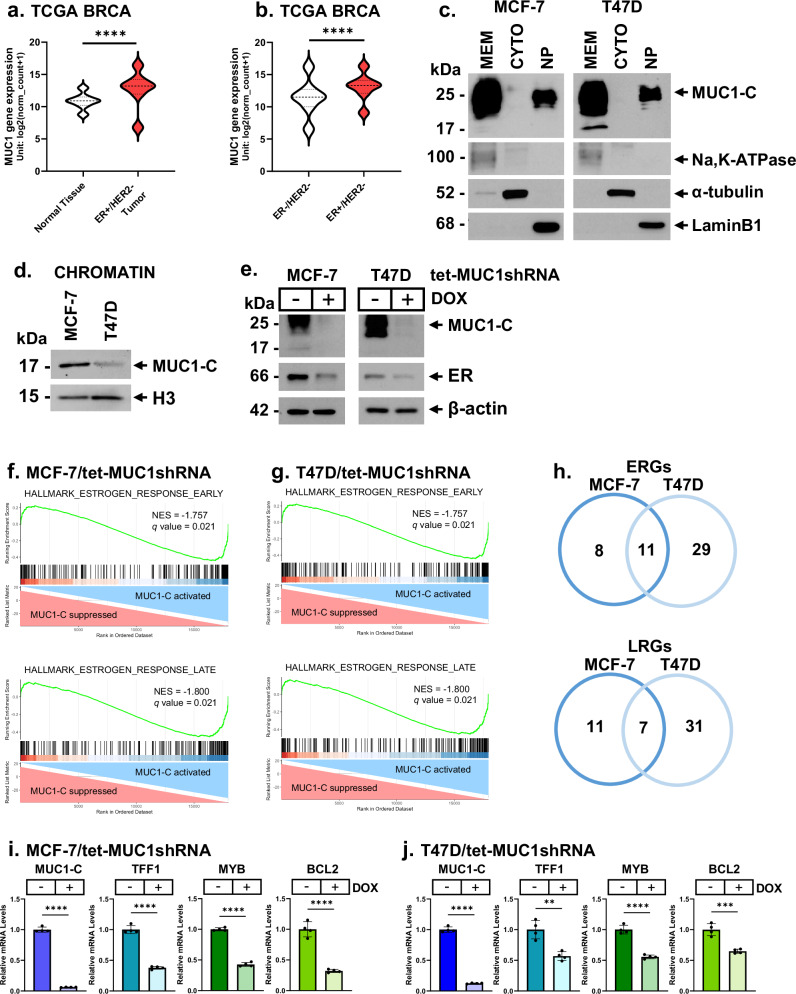
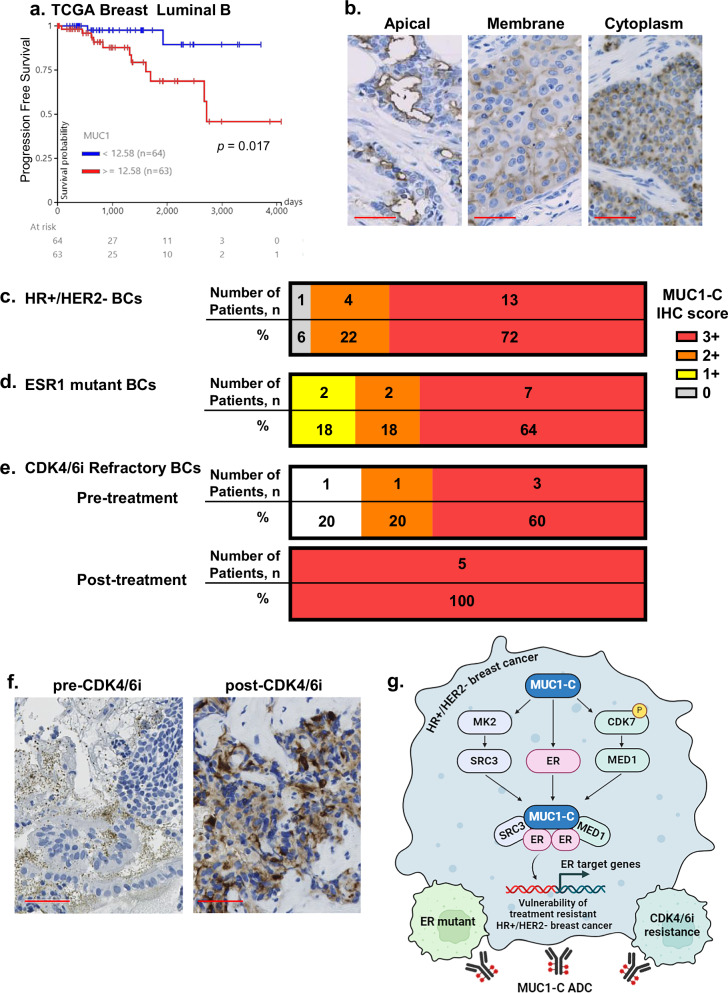
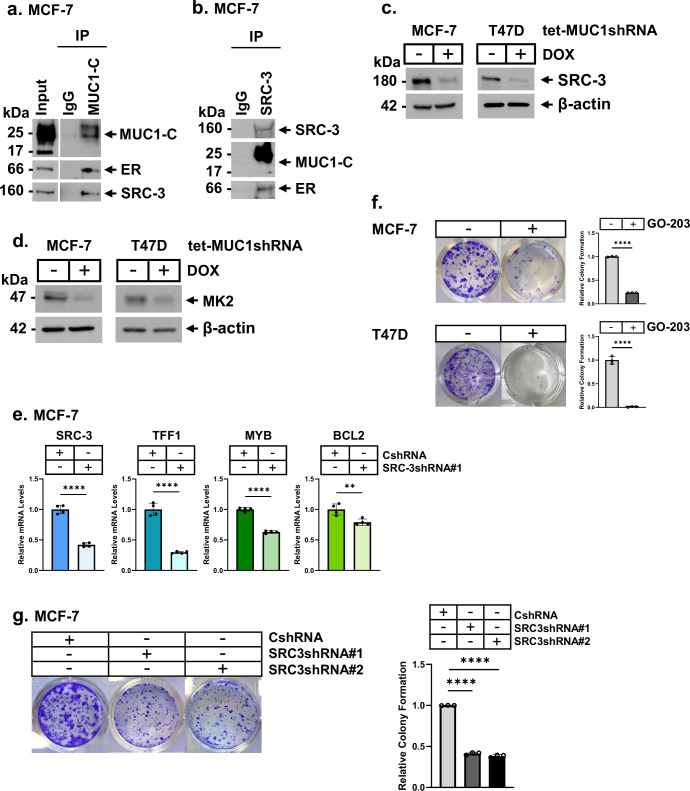
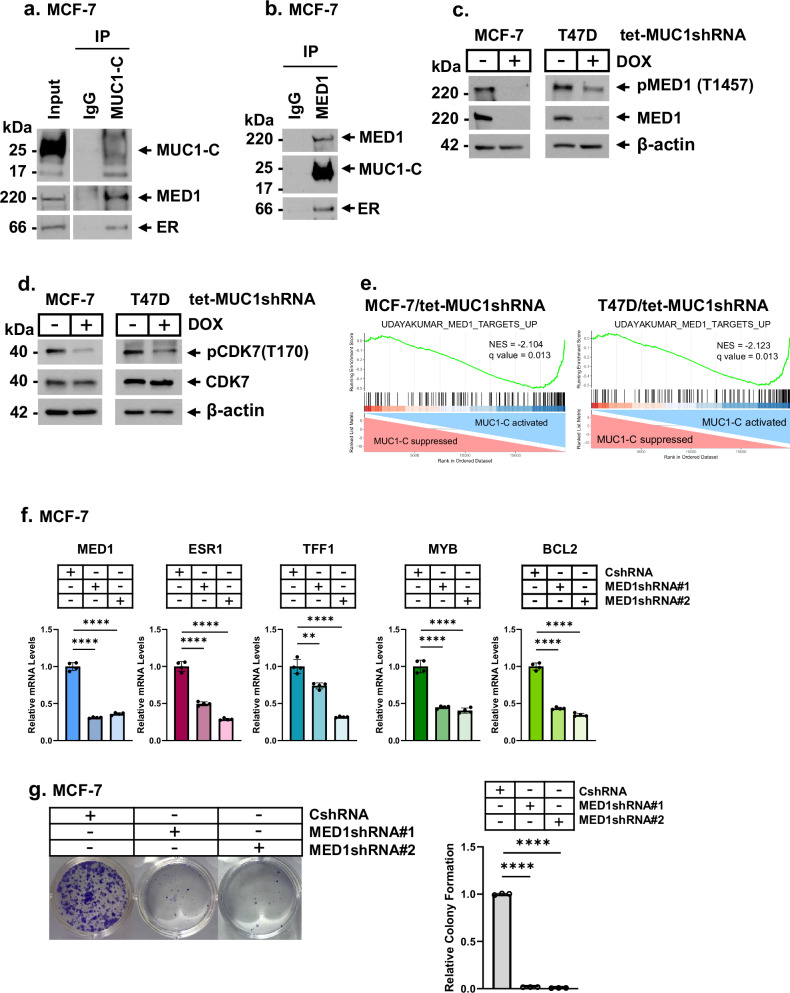
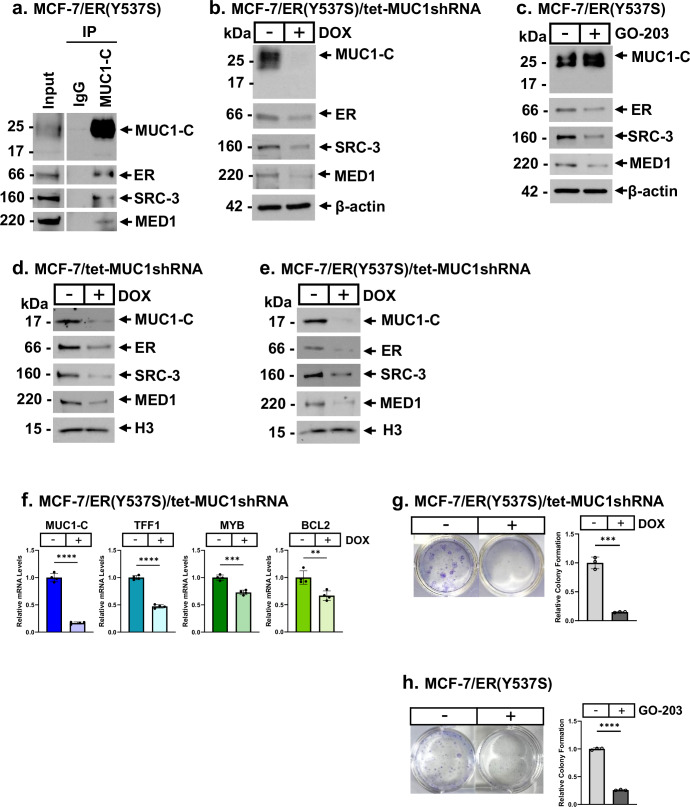
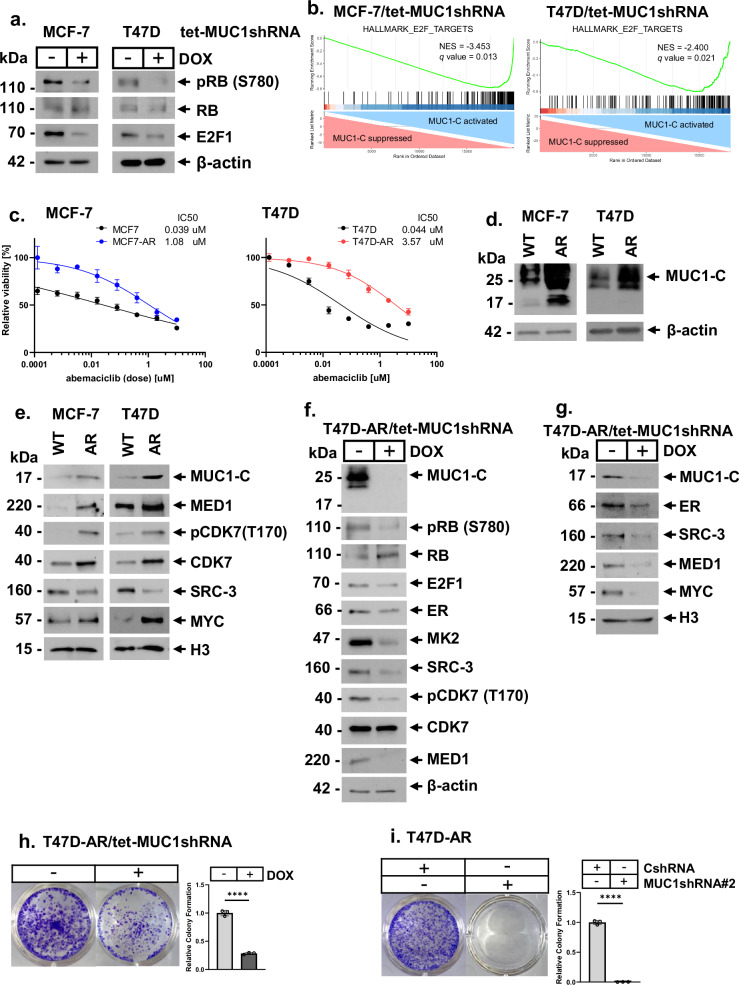
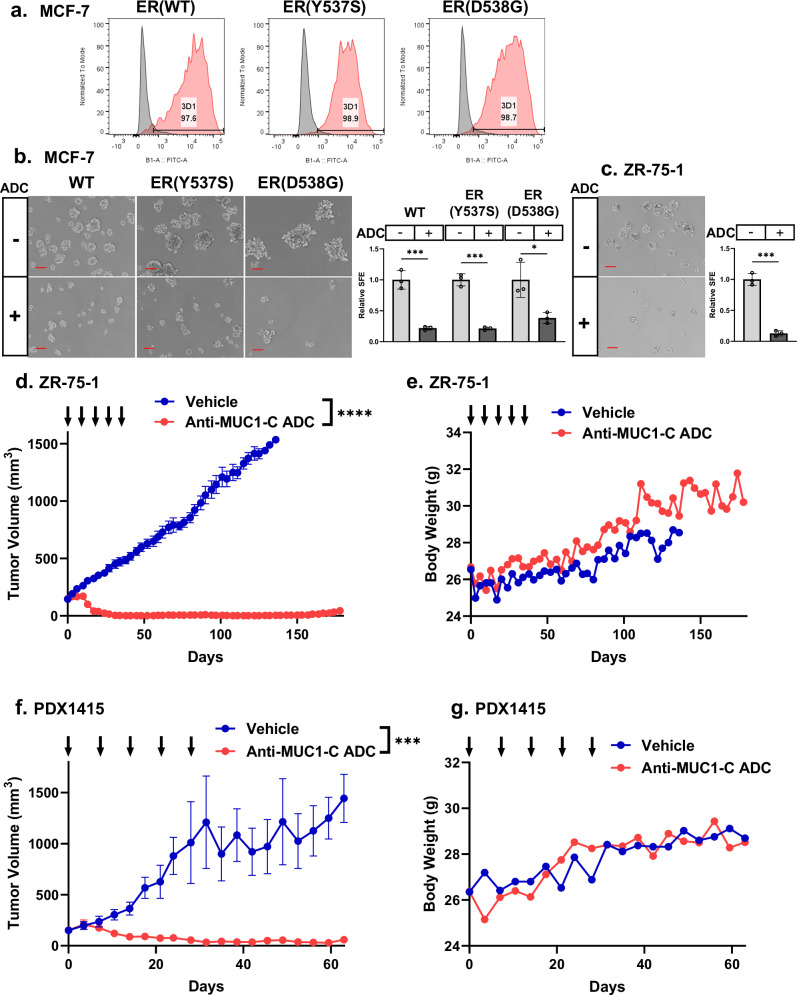
Treatment of hormone receptor (HR)-positive, HER2-negative breast cancer (HR+/HER2- BC) is limited by resistance to endocrine therapy (ET) and CDK4/6 inhibitors. There is no known common pathway that confers resistance to these agents. We report that (i) the MUC1 gene is upregulated in HR+/HER2- BCs and (ii) the MUC1-C protein regulates estrogen receptor alpha (ER)-driven transcriptomes. Mechanistically, we demonstrate that MUC1-C is necessary for expression of SRC-3 and MED1 coactivators that drive ER-mediated target gene transcription. Cells with ESR1 mutations that confer ET resistance, as well as cells with acquired resistance to the CDK4/6 inhibitor abemaciclib, are dependent on MUC1-C for (i) expression of these coactivators and ER target genes, (ii) survival, and (iii) self-renewal capacity. In support of these results, we show that treatment of HR+/HER2- BC cells with an anti-MUC1-C antibody-drug conjugate (ADC) effectively inhibits survival, self-renewal and tumorgenicity. These findings indicate that MUC1-C is a common effector of drug-resistant HR+/HER2- BC cells and is a potential target for their treatment.
激素受体(HR)阳性、人表皮生长因子受体2(HER2)阴性乳腺癌(HR+/HER2- BC)的治疗受到对内分泌治疗(ET)和细胞周期蛋白依赖性激酶4/6(CDK4/6)抑制剂耐药性的限制。目前尚不清楚赋予对这些药物耐药性的共同途径。我们报告:(i)MUC1基因在HR+/HER2- BC中上调;(ii)MUC1-C蛋白调节雌激素受体α(ER)驱动的转录组。从机制上讲,我们证明MUC1-C对于驱动ER介导的靶基因转录的SRC-3和MED1共激活因子的表达是必需的。具有赋予ET耐药性的ESR1突变的细胞,以及对CDK4/6抑制剂阿贝西利获得性耐药的细胞,(i)这些共激活因子和ER靶基因的表达、(ii)存活以及(iii)自我更新能力均依赖于MUC1-C。为支持这些结果,我们表明用抗MUC1-C抗体-药物偶联物(ADC)处理HR+/HER2- BC细胞可有效抑制存活、自我更新和致瘤性。这些发现表明MUC1-C是耐药HR+/HER2- BC细胞的常见效应因子,是其治疗的潜在靶点。