Young Bonnie N, Peel Jennifer L, Rajkumar Sarah, Keller Kayleigh P, Benka-Coker Megan L, Good Nicholas, Walker Ethan S, Brook Robert D, Nelson Tracy L, Volckens John, L'Orange Christian, Quinn Casey, Africano Sebastian, Osorto Pinel Anibal B, Clark Maggie L
Department of Environmental and Radiological Health Sciences, Colorado State University, Fort Collins, Colorado, USA.
Department of Statistics, Colorado State University, Fort Collins, Colorado, USA.
Environ Health Perspect. 2025 May;133(5):57021. doi: 10.1289/EHP15095. Epub 2025 May 27.
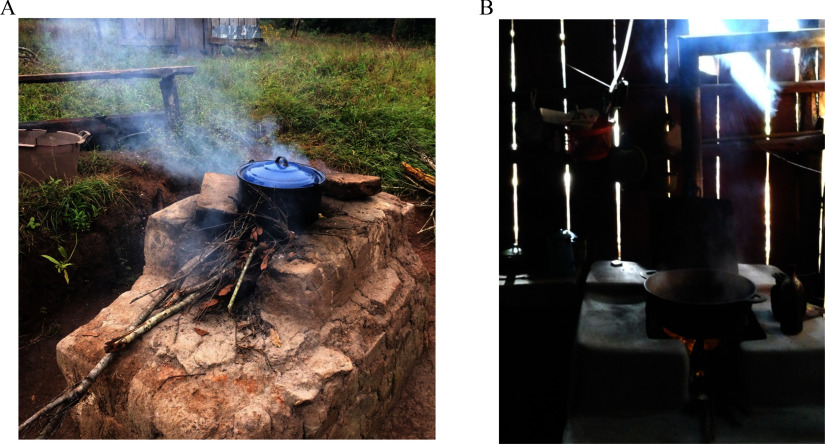
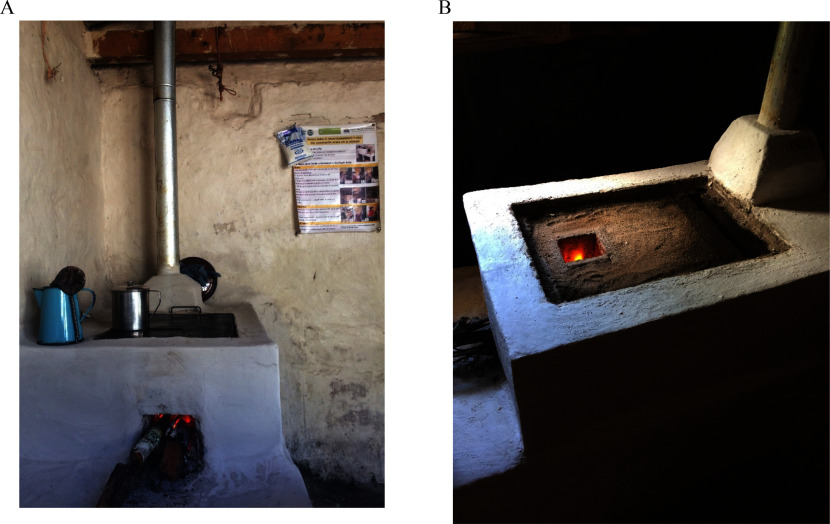
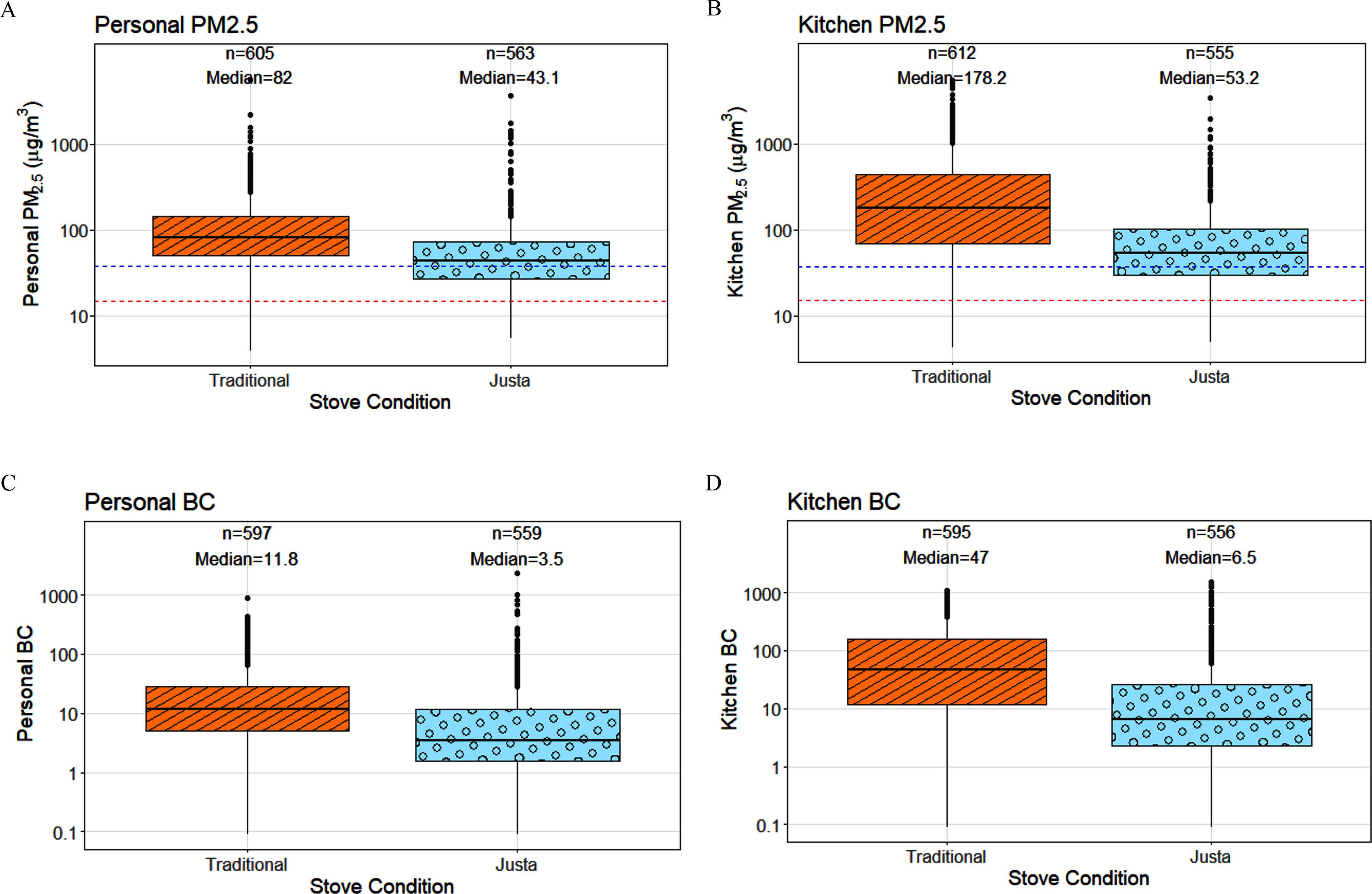
Type 2 diabetes is a rapidly growing global health challenge in low- and middle-income countries (LMICs), and evidence suggests that air pollution exposure contributes. Household air pollution from burning solid fuels for cooking is a major burden in LMICs, but studies demonstrating associations between reductions in household air pollution and improvements in HbA1c, a biomarker of diabetes risk, are lacking. We previously reported substantial reductions in fine particulate matter with an aerodynamic diameter () and black carbon concentrations following an intervention in rural Honduras with the cookstove, a wood-burning stove with an engineered combustion chamber and chimney.
In a stepped-wedge randomized controlled trial among 230 Honduran women using traditional wood-burning stoves at baseline, we evaluated the effect of the intervention on HbA1c and characterized the longitudinal associations between air pollution exposures and HbA1c.
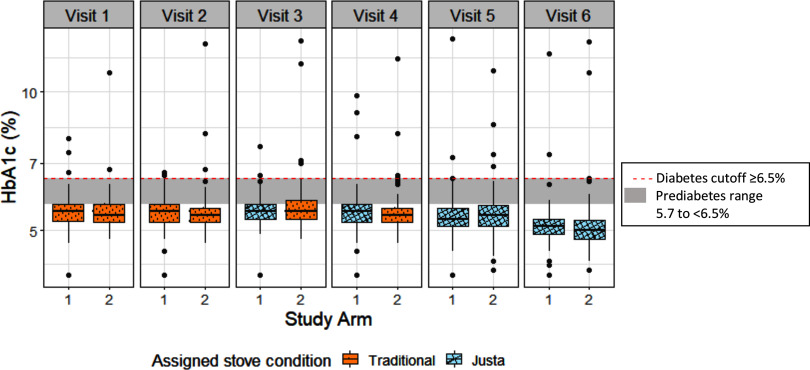
At each of six visits over 3 y, we measured 24-h and black carbon concentrations, and finger-stick HbA1c levels. We used linear mixed models in intent-to-treat (condition by assigned stove type), exposure-response (using 24-h measures and modeled estimates of long-term exposures), and "per protocol" self-reported stove use analyses.
HbA1c was reduced for the condition in comparison with the traditional stove condition, but estimates were small and not statistically significant [ percentage points, 95% confidence interval (CI): , 0.07, observations]. A slightly stronger effect was observed when using self-reported stove use in per protocol analyses. Exposure-response analyses demonstrated positive associations between HbA1c and air pollution [e.g., HbA1c was 0.22 percentage points higher (95% CI: 0.13, 0.30) per log-unit higher long-term average personal ].
Our study provides novel evidence of exposure-response associations between household air pollution and HbA1c within a randomized cookstove trial, contributing to the evidence base necessary to support clean cooking policy initiatives. https://doi.org/10.1289/EHP15095.
在低收入和中等收入国家(LMICs),2型糖尿病是一个快速增长的全球健康挑战,有证据表明暴露于空气污染会导致糖尿病。在LMICs中,使用固体燃料做饭造成的家庭空气污染是一个主要负担,但缺乏研究证明家庭空气污染的减少与糖化血红蛋白(HbA1c,糖尿病风险的生物标志物)改善之间的关联。我们之前报告称,在洪都拉斯农村地区使用一种带有工程燃烧室和烟囱的木质炉灶——“先进炉灶”进行干预后,空气动力学直径小于等于2.5微米的细颗粒物(PM2.5)和黑碳浓度大幅降低。
在一项阶梯楔形随机对照试验中,对230名基线时使用传统木质炉灶的洪都拉斯女性进行研究,我们评估了“先进炉灶”干预对HbA1c的影响,并描述了空气污染暴露与HbA1c之间的纵向关联。
在3年中的6次访视中,我们测量了24小时的PM2.5和黑碳浓度以及指尖HbA1c水平。我们使用意向性分析(按分配的炉灶类型分组)、暴露 - 反应分析(使用24小时测量值和长期暴露的模型估计值)以及“符合方案”的自我报告炉灶使用情况分析的线性混合模型。
与传统炉灶组相比,“先进炉灶”组的HbA1c有所降低,但降低幅度较小且无统计学意义[差值为 -0.03个百分点,95%置信区间(CI):-0.13,0.07,共228个观察对象]。在符合方案分析中使用自我报告的炉灶使用情况时,观察到的效果略强。暴露 - 反应分析表明HbA1c与空气污染之间存在正相关[例如,长期平均个人PM2.5每增加一个对数单位,HbA1c升高0.22个百分点(95%CI:0.13,0.30)]。
我们的研究在一项随机炉灶试验中提供了家庭空气污染与HbA1c之间暴露 - 反应关联的新证据,为支持清洁烹饪政策倡议所需的证据基础做出了贡献。https://doi.org/10.1289/EHP15095 。