Ali Ahmad, Dolma Phuntsog, Vishnivetskaya Tatiana A, Namgail Tsewang, Dolma Tundup, Chauhan Archana
Department of Zoology, Panjab University, Sector 14, Chandigarh, 160014, India.
Department of Microbiology, University of Tennessee, Knoxville, TN, 37996, USA.
Sci Rep. 2025 May 2;15(1):15388. doi: 10.1038/s41598-025-94542-9.
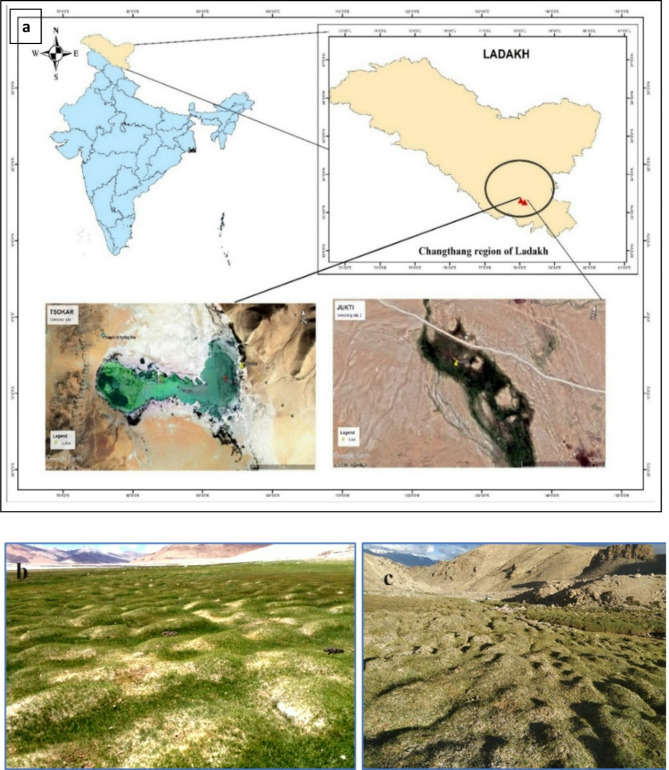
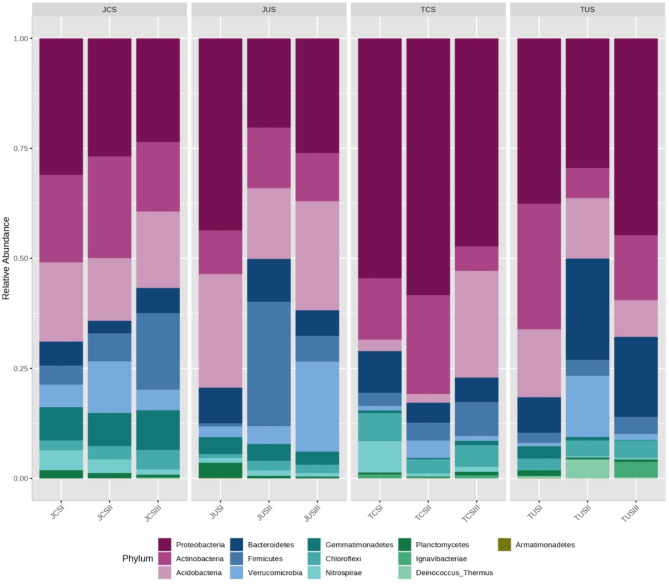
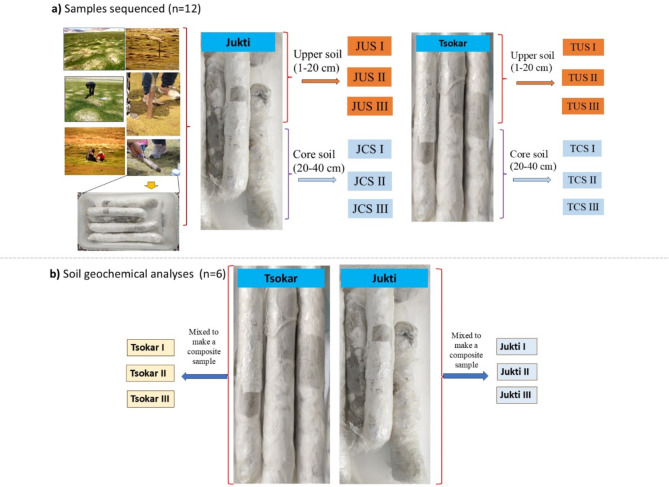
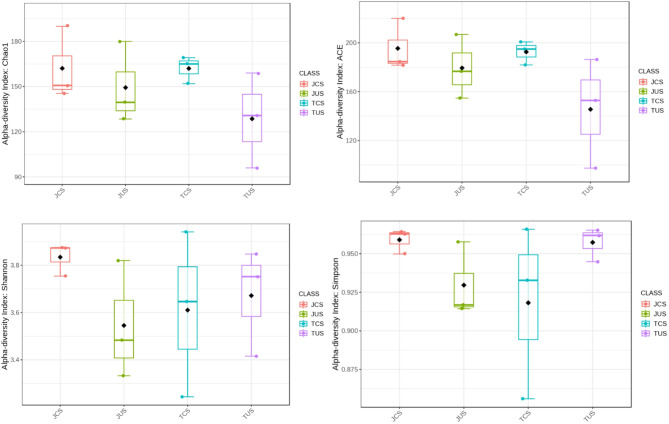
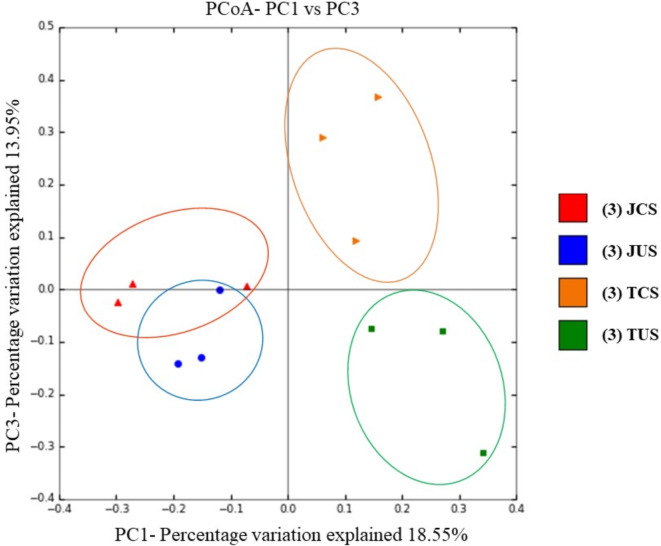
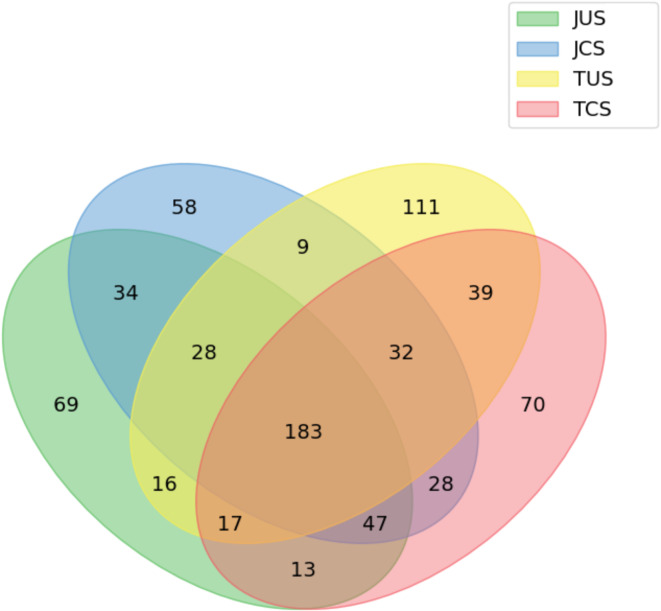
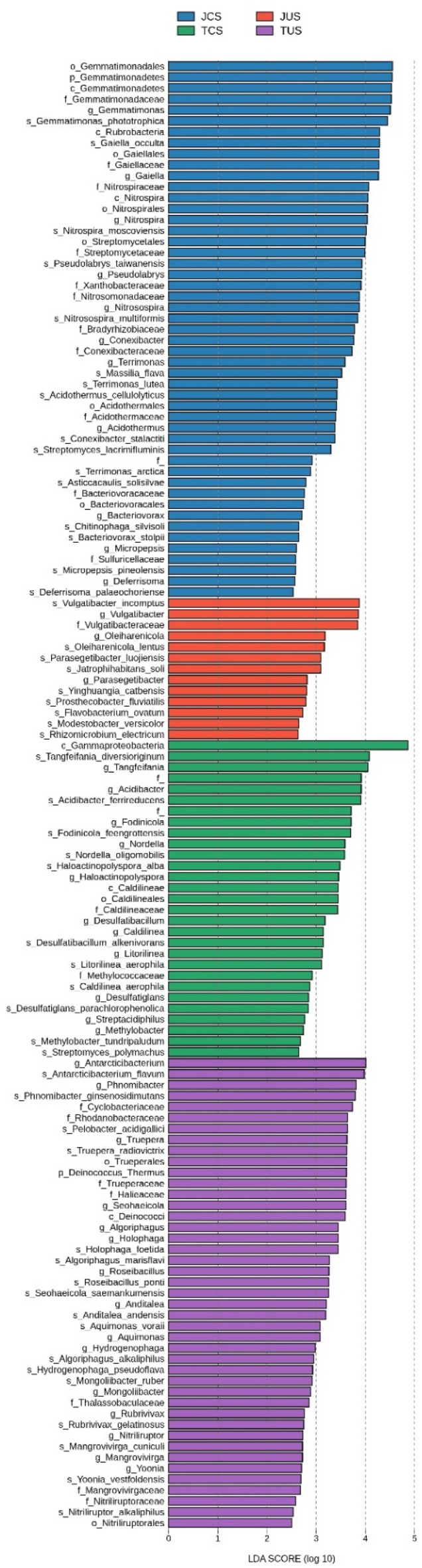
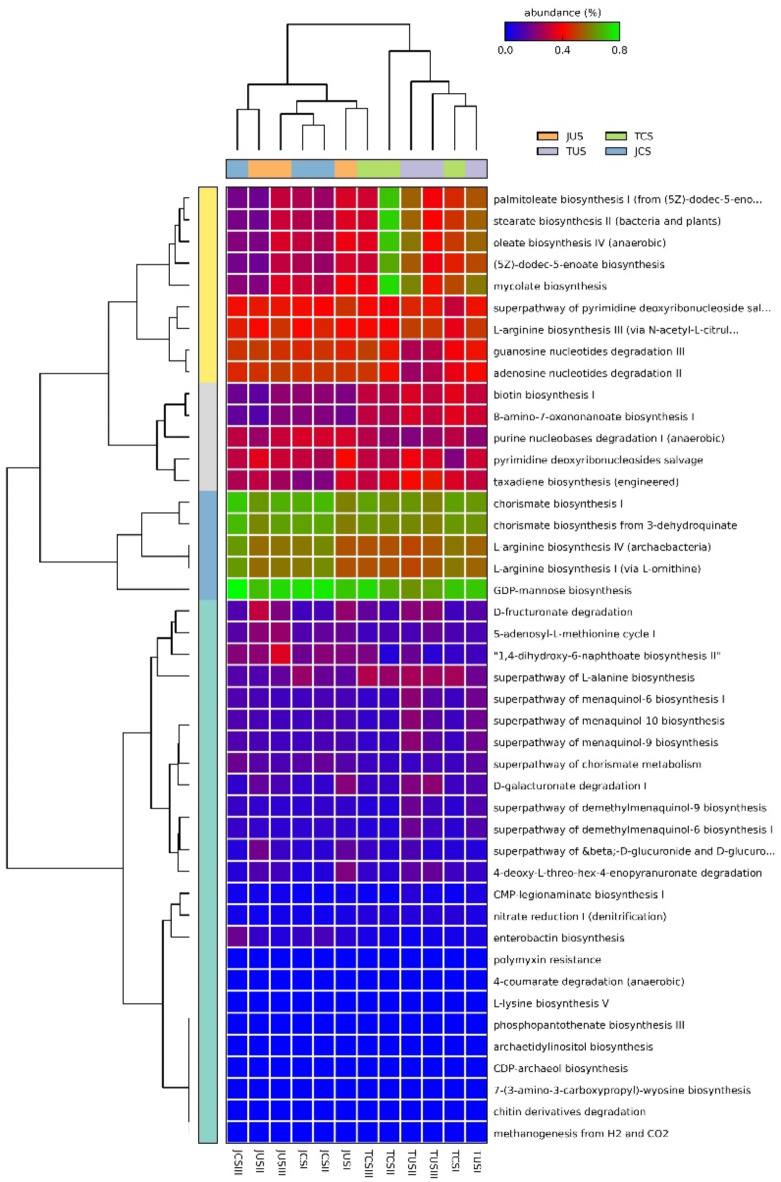
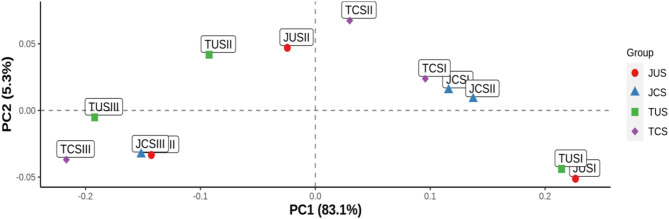
Global warming due to climate change has substantial impact on high-altitude permafrost affected soils. This raises a serious concern that the microbial degradation of sequestered carbon can result in alteration of the biogeochemical cycles. Therefore, the characterization of permafrost affected soil microbiomes, especially of unexplored high-altitude, low oxygen arid region, is important for predicting their response to climate change. This study presents the first report of the bacterial diversity of permafrost-affected soils in the Changthang region of Ladakh. The relationship between soil pH, organic carbon, electrical conductivity, and available micronutrients with the microbial diversity was investigated. Amplicon sequencing of permafrost affected soil samples from Jukti and Tsokar showed that Proteobacteria and Actinobacteria were the dominant phyla in all samples. The genera Brevitalea, Chthoniobacter, Sphingomonas, Hydrogenispora, Clostridium, Gaiella, Gemmatimonas were relatively abundant in the Jukti samples whereas the genera Thiocapsa, Actinotalea, Syntrophotalea, Antracticibcterium, Luteolibacter, Nitrospirillum dominated the Tsokar sample. Correlation analyses highlighted the influence of soil geochemical parameters on the bacterial community structure. PCoA analyses showed that the bacterial beta diversity varied significantly between the sampling locations (PERMANOVA test (F-value: 2.3316; R = 0.466, p = 0.001) and similar results were also obtained while comparing genus abundance data using the ANOSIM test (R = 0.345, p = 0.007).
气候变化导致的全球变暖对受高海拔永久冻土影响的土壤有重大影响。这引发了一个严重的担忧,即固存碳的微生物降解可能导致生物地球化学循环的改变。因此,表征受永久冻土影响的土壤微生物群落,特别是未开发的高海拔、低氧干旱地区的微生物群落,对于预测它们对气候变化的反应非常重要。本研究首次报道了拉达克昌唐地区受永久冻土影响土壤的细菌多样性。研究了土壤pH值、有机碳、电导率和有效微量营养素与微生物多样性之间的关系。对来自朱克蒂和措卡的受永久冻土影响的土壤样本进行扩增子测序表明,变形菌门和放线菌门是所有样本中的优势菌门。在朱克蒂样本中,短链菌属、嗜冷杆菌属、鞘氨醇单胞菌属、氢孢菌属、梭菌属、盖氏菌属、芽单胞菌属相对丰富,而硫囊菌属、放线单胞菌属、互营单胞菌属、南极杆菌属、黄杆菌属、硝化螺菌属在措卡样本中占主导地位。相关性分析突出了土壤地球化学参数对细菌群落结构的影响。主坐标分析表明,采样地点之间细菌的β多样性存在显著差异(PERMANOVA检验(F值:2.3316;R = 0.466,p = 0.001),使用ANOSIM检验比较属丰度数据时也得到了类似结果(R = 0.345,p = 0.007)。