Yang Nan, Di Jingkai, Han Xiang, Zhang Wei, Cui Xinliang, Feng Haoyu
Department of Orthopedics, The Third Hospital of Shanxi Medical University, Shanxi Bethune Hospital, Shanxi Academy of Medical Sciences Tongji Shanxi Hospital, Shanxi, China.
Department of Orthopedics, Second Hospital of Shanxi Medical University, Taiyuan, China.
J Orthop Surg Res. 2025 May 4;20(1):444. doi: 10.1186/s13018-025-05854-5.
Spinal stenosis is a common disease in clinical practice, and drug use is one of its potential predisposing factors. Alendronate, a widely used clinical drug for osteoporosis treatment, has the potential to trigger spinal stenosis. Based on the real world, this study aims to deeply investigate the association between spinal stenosis and alendronate, and to explore novel drug targets against spinal stenosis at the genetic level.
Alendronate patient data from the FDA Adverse Event Reporting System (FAERS) from Q1 2004 to Q4 2024 were included in the study, and four pharmacovigilance analytic methods and Bonferroni corrected P-values were applied to the baseline data, and subgroups of data were analyzed. Complementarily, Weibull distribution were applied to further parse the data. Meanwhile, in order to explore therapeutic targets against spinal stenosis, Mendelian randomization analyses were carried out based on eQTLGen consortium data as well as genome-wide association study (GWAS) data from two large independent cohorts. Subsequently, the medicinal value of the identified drug targets was verified by drug prediction and molecular docking techniques.
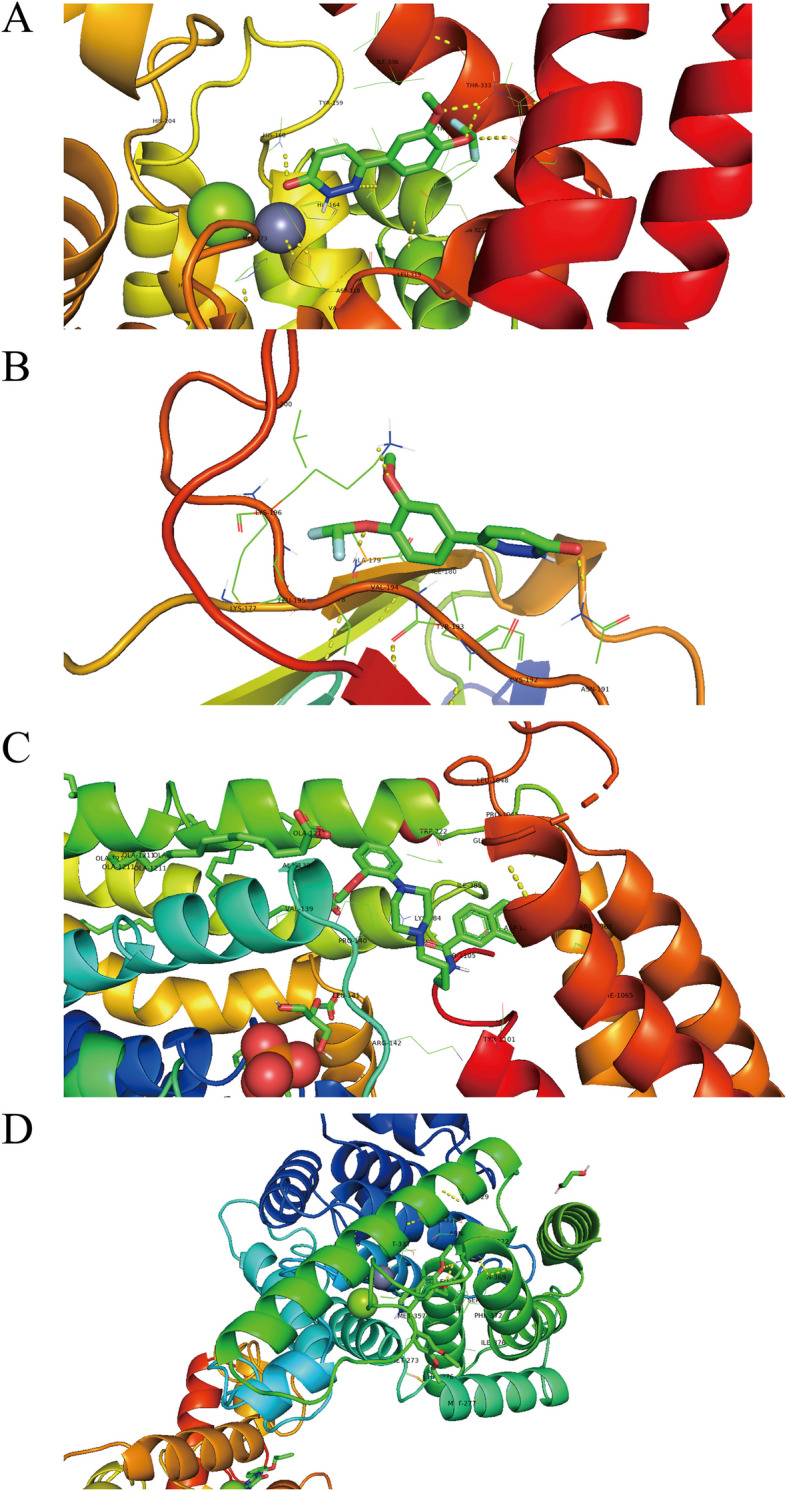
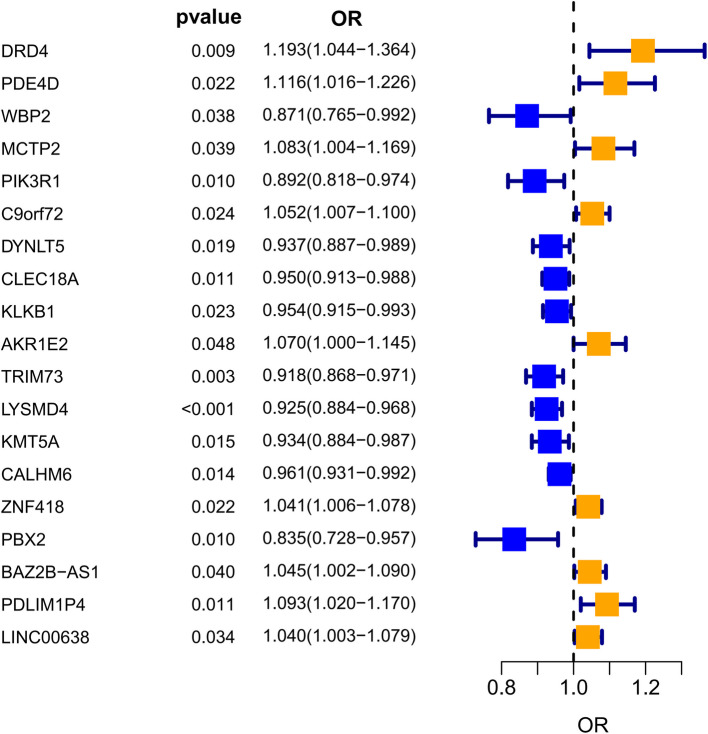
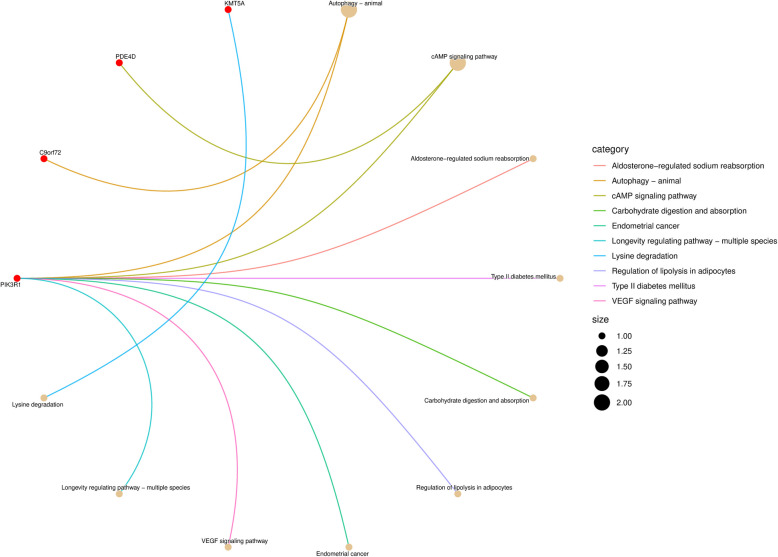
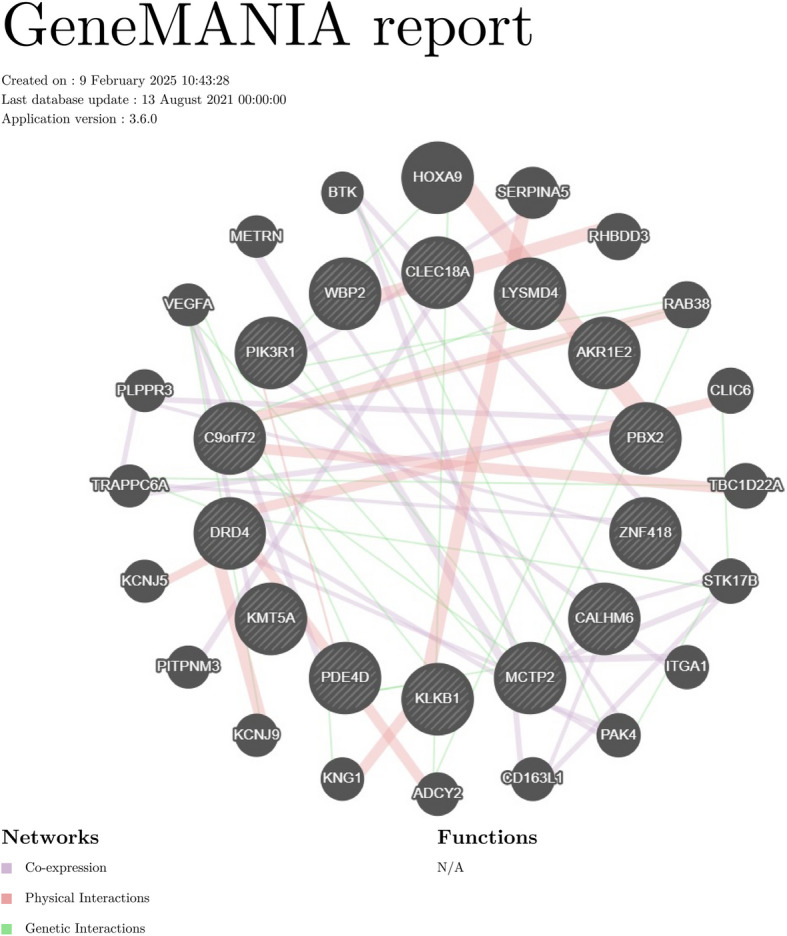
Pharmacovigilance analysis showed a strong positive signal between alendronate and spinal stenosis, especially in females and older patients. Fourteen significant drug targets were identified. Their medicinal value was verified by drug prediction and molecular docking, obtaining four protein-drug docking model structures.
This study reveals an alendronate-spinal stenosis association, offering insights for clinical prevention. It also identifies new genetic drug targets, opening new treatment pathways for spinal stenosis.
Not applicable.
椎管狭窄是临床常见疾病,药物使用是其潜在诱发因素之一。阿仑膦酸钠是临床广泛用于治疗骨质疏松症的药物,有可能引发椎管狭窄。基于真实世界,本研究旨在深入探究椎管狭窄与阿仑膦酸钠之间的关联,并在基因层面探索针对椎管狭窄的新药物靶点。
纳入2004年第一季度至2024年第四季度美国食品药品监督管理局不良事件报告系统(FAERS)中的阿仑膦酸钠患者数据,对基线数据应用四种药物警戒分析方法及经邦费罗尼校正的P值,并对数据亚组进行分析。作为补充,应用威布尔分布进一步解析数据。同时,为探索针对椎管狭窄的治疗靶点,基于eQTLGen联盟数据以及来自两个大型独立队列的全基因组关联研究(GWAS)数据进行孟德尔随机化分析。随后,通过药物预测和分子对接技术验证所确定药物靶点的药用价值。
药物警戒分析显示阿仑膦酸钠与椎管狭窄之间存在强烈的阳性信号,尤其是在女性和老年患者中。确定了14个重要的药物靶点。通过药物预测和分子对接验证了它们的药用价值,获得了4种蛋白质-药物对接模型结构。
本研究揭示了阿仑膦酸钠与椎管狭窄之间的关联,为临床预防提供了见解。还确定了新的基因药物靶点,为椎管狭窄开辟了新的治疗途径。
不适用。