Hetta Helal F, Elsaghir Alaa, Sijercic Victor Coll, Ahmed Abdulrahman K, Gad Sayed A, Zeleke Mahlet S, Alanazi Fawaz E, Ramadan Yasmin N
Division of Microbiology, Immunology and Biotechnology, Department of Natural Products and Alternative Medicine, Faculty of Pharmacy, University of Tabuk, Tabuk, Saudi Arabia.
Department of Microbiology and Immunology, Faculty of Pharmacy, Assiut University, Assiut, Egypt.
Immun Inflamm Dis. 2025 May;13(5):e70189. doi: 10.1002/iid3.70189.
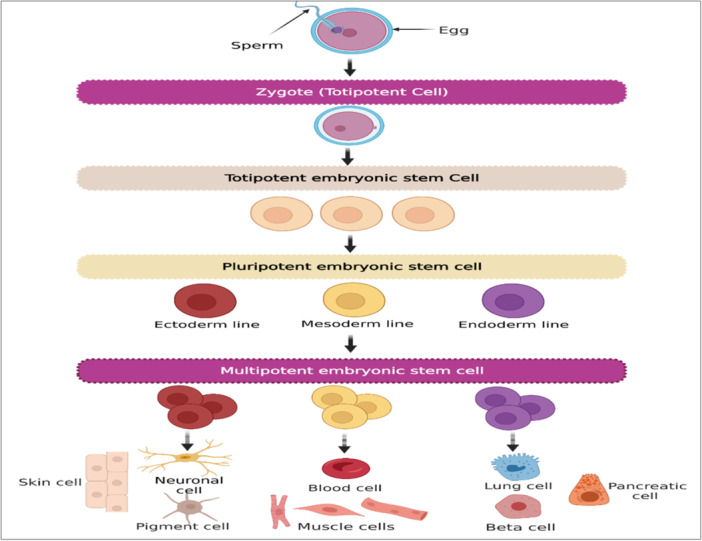
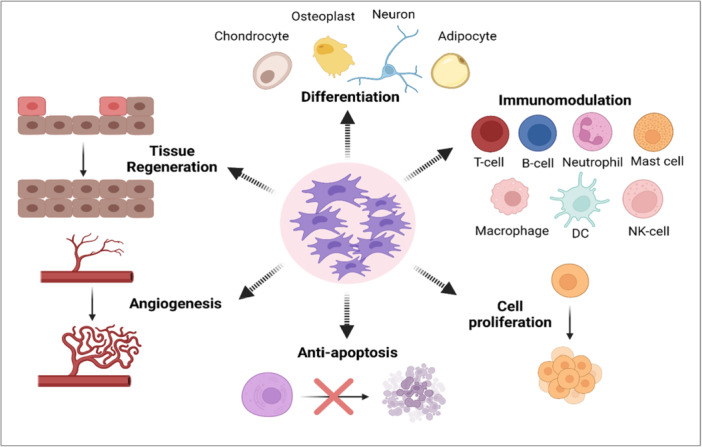
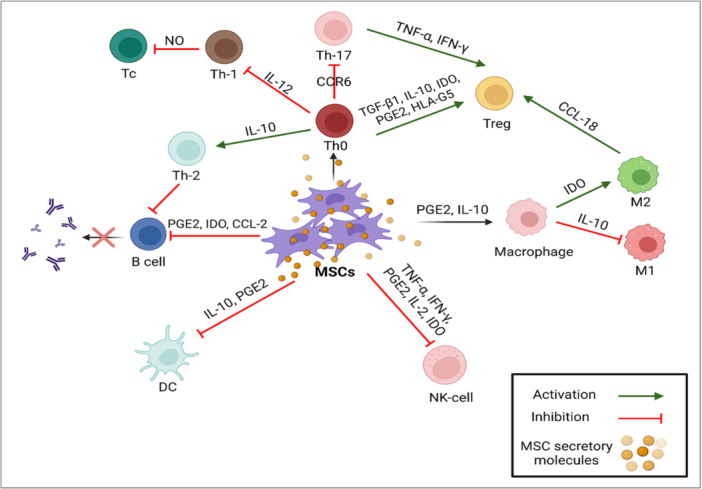
Rheumatic diseases are chronic immune-mediated disorders affecting multiple organ systems and significantly impairing patients' quality of life. Current treatments primarily provide symptomatic relief without offering a cure. Mesenchymal stem cells (MSCs) have emerged as a promising therapeutic option due to their ability to differentiate into various cell types and their immunomodulatory, anti-inflammatory, and regenerative properties. This review aims to summarize the clinical progress of MSC therapy in rheumatic diseases, highlight key findings from preclinical and clinical studies, and discuss challenges and future directions.
A comprehensive review of preclinical and clinical studies on MSC therapy in rheumatic diseases, including systemic lupus erythematosus, rheumatoid arthritis, ankylosing spondylitis, osteoarthritis, osteoporosis, Sjögren's syndrome, Crohn's disease, fibromyalgia, systemic sclerosis, dermatomyositis, and polymyositis, was conducted. Emerging strategies to enhance MSC efficacy and overcome current limitations were also analyzed.
Evidence from preclinical and clinical studies suggests that MSC therapy can reduce inflammation, modulate immune responses, and promote tissue repair in various rheumatic diseases. Clinical trials have demonstrated potential benefits, including symptom relief and disease progression delay. However, challenges such as variability in treatment response, optimal cell source and dosing, long-term safety concerns, and regulatory hurdles remain significant barriers to clinical translation. Standardized protocols and further research are required to optimize MSC application.
MSC therapy holds promise for managing rheumatic diseases, offering potential disease-modifying effects beyond conventional treatments. However, large-scale, well-controlled clinical trials are essential to establish efficacy, safety, and long-term therapeutic potential. Addressing current limitations through optimized treatment protocols and regulatory frameworks will be key to its successful integration into clinical practice.
风湿性疾病是慢性免疫介导性疾病,影响多个器官系统,严重损害患者的生活质量。目前的治疗主要是缓解症状,无法治愈疾病。间充质干细胞(MSCs)因其能够分化为多种细胞类型以及具有免疫调节、抗炎和再生特性,已成为一种有前景的治疗选择。本综述旨在总结间充质干细胞治疗风湿性疾病的临床进展,突出临床前和临床研究的关键发现,并讨论挑战和未来方向。
对间充质干细胞治疗风湿性疾病的临床前和临床研究进行了全面综述,这些疾病包括系统性红斑狼疮、类风湿关节炎、强直性脊柱炎、骨关节炎、骨质疏松症、干燥综合征、克罗恩病、纤维肌痛、系统性硬化症、皮肌炎和多发性肌炎。还分析了增强间充质干细胞疗效和克服当前局限性的新兴策略。
临床前和临床研究的证据表明,间充质干细胞治疗可以减轻各种风湿性疾病的炎症、调节免疫反应并促进组织修复。临床试验已证明其潜在益处,包括症状缓解和疾病进展延迟。然而,诸如治疗反应的变异性、最佳细胞来源和剂量、长期安全性问题以及监管障碍等挑战仍然是临床转化的重大障碍。需要标准化方案和进一步研究来优化间充质干细胞的应用。
间充质干细胞治疗在管理风湿性疾病方面具有前景,可提供超越传统治疗的潜在疾病修饰作用。然而,大规模、严格对照的临床试验对于确定疗效、安全性和长期治疗潜力至关重要。通过优化治疗方案和监管框架来解决当前的局限性将是其成功融入临床实践的关键。