Sengul Bag Fatma, Bag Omer Faruk
Department of Biochemistry, Adıyaman University Faculty of Pharmacy, Adıyaman 02040, Türkiye.
Adiyaman Training and Research Hospital, Adıyaman 02040, Türkiye.
World J Stem Cells. 2025 Jul 26;17(7):107202. doi: 10.4252/wjsc.v17.i7.107202.
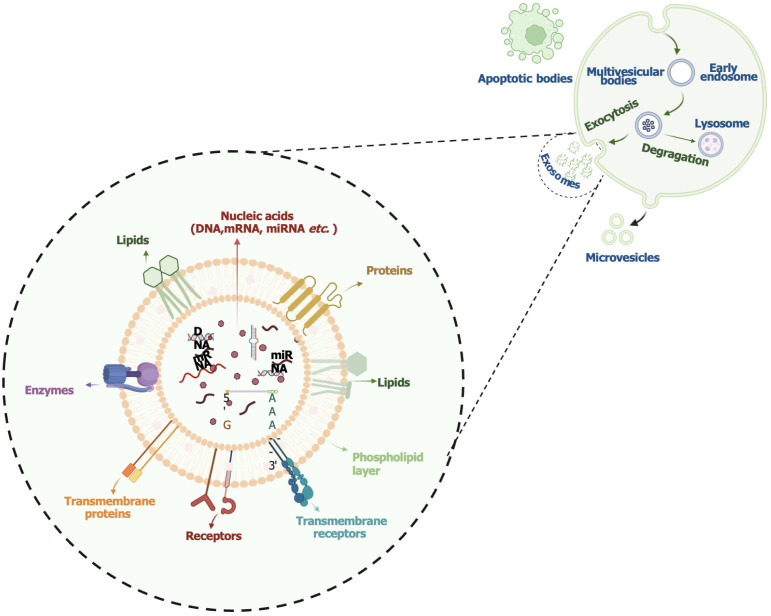
Autoimmune diseases are complex clinical conditions that present significant therapeutic challenges due to their intricate immunological mechanisms. Conventional treatment strategies, such as immunosuppressive drugs and anti-inflammatory therapies, often demonstrate limited efficacy and are associated with considerable side effects. Recently, mesenchymal stem cells (MSCs) have attracted growing interest as a promising therapeutic approach, owing to their immunomodulatory properties and ability to promote tissue repair. However, the direct application of MSCs faces several limitations, including the risk of immunogenicity and difficulties in large-scale production. In this context MSC-derived exosomes (MSC-Exos), nano-sized extracellular vesicles secreted by MSCs, have emerged as a compelling alternative to cell-based therapies. Enriched with proteins, lipids, and nucleic acids, these exosomes exhibit potent anti-inflammatory and immunomodulatory effects. Their primary mechanisms of action include enhancing the population of regulatory T cells, modulating macrophage polarization, and suppressing proinflammatory cytokines such as interleukin-6 and tumor necrosis factor-α. The therapeutic potential of MSC-Exos extends beyond individual conditions, encompassing a wide range of autoimmune diseases. For instance in Behçet's disease, they have been shown to regulate vasculitis and inflammatory processes by inhibiting proinflammatory cytokines and promoting endothelial cell regeneration. Moreover, MSC-Exos have demonstrated promising immunomodulatory effects in other autoimmune diseases, including systemic lupus erythematosus, rheumatoid arthritis, and multiple sclerosis. Through mechanisms such as inflammation suppression, vascular repair, and the restoration of immune homeostasis, MSC-Exos represent a versatile and innovative approach to autoimmune disease therapy. This review explored the molecular and therapeutic effects of MSCs and MSC-Exos in autoimmune diseases, with particular emphasis on their clinical potential in Behçet's disease, systemic lupus erythematosus, rheumatoid arthritis, and multiple sclerosis.
自身免疫性疾病是复杂的临床病症,因其复杂的免疫机制而带来重大的治疗挑战。传统治疗策略,如免疫抑制药物和抗炎疗法,往往疗效有限且伴有相当多的副作用。最近,间充质干细胞(MSCs)作为一种有前景的治疗方法引起了越来越多的关注,这归因于其免疫调节特性和促进组织修复的能力。然而,MSCs的直接应用面临若干限制,包括免疫原性风险和大规模生产困难。在此背景下,源自MSCs的外泌体(MSC-Exos),即MSCs分泌的纳米级细胞外囊泡,已成为基于细胞疗法的一种引人注目的替代方案。这些外泌体富含蛋白质、脂质和核酸,具有强大的抗炎和免疫调节作用。其主要作用机制包括增加调节性T细胞数量、调节巨噬细胞极化以及抑制白细胞介素-6和肿瘤坏死因子-α等促炎细胞因子。MSC-Exos的治疗潜力不仅限于个别病症,涵盖了广泛的自身免疫性疾病。例如,在白塞病中,已证明它们可通过抑制促炎细胞因子和促进内皮细胞再生来调节血管炎和炎症过程。此外,MSC-Exos在其他自身免疫性疾病,包括系统性红斑狼疮、类风湿性关节炎和多发性硬化症中也显示出有前景的免疫调节作用。通过炎症抑制、血管修复和免疫稳态恢复等机制,MSC-Exos代表了一种用于自身免疫性疾病治疗的通用且创新的方法。本综述探讨了MSCs和MSC-Exos在自身免疫性疾病中的分子和治疗作用,特别强调了它们在白塞病、系统性红斑狼疮、类风湿性关节炎和多发性硬化症中的临床潜力。