Lotfian Sara, Fesharaki Molood Jafari, Shahabbaspour Zahra, Akbarzadeh Haniseh, Moezy Azar
Department of Sports and Exercise Medicine, School of Medicine, Iran University of Medical Sciences, Tehran, Iran.
BMC Musculoskelet Disord. 2025 May 13;26(1):468. doi: 10.1186/s12891-025-08705-w.
Forward head posture (FHP) is a common postural deviation that has been linked to neck pain and dysfunction. The impact of FHP on neck muscle endurance and thickness in individuals with chronic neck pain remains unclear. This study aimed to compare neck muscle endurance and thickness between women with chronic neck pain and FHP versus those with chronic neck pain but normal head/neck posture.
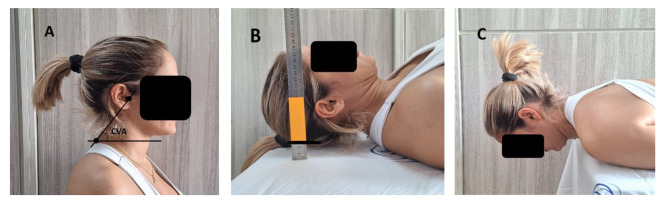
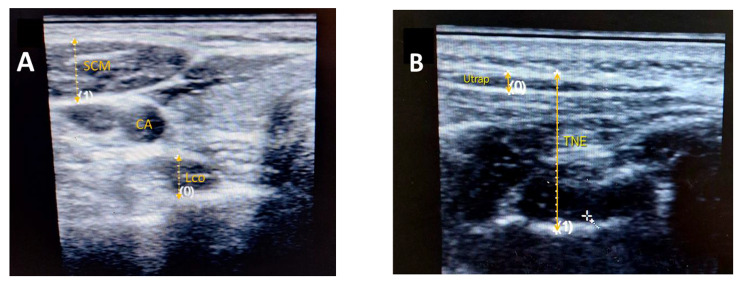
Forty women with chronic non-specific neck pain were divided into two groups based on craniovertebral angle assessment, 20 with FHP and 20 with normal posture in each group. Neck pain, disability, neck flexor and extensor muscle endurance, and neck muscle normalized thickness (sternocleidomastoid, upper trapezius (Utrap), longus coli and total neck extensors) measured via ultrasound were compared between the groups.
Women with FHP demonstrated significantly lower endurance of the extensor muscles, normalized thickness of the Utrap muscle, and significantly higher Neck Pain and Disability Scale (NPDS) and Neck Disability Index (NDI) scores compared to the Non-FHP group (p < 0.05). Craniovertebral angle (CVA) was positively correlated with extensor muscle endurance (p = 0.002, r = 0.481).
Our findings indicate that the endurance of neck extensor muscles decreases, and neck pain and disability increase in women with chronic neck pain and FHP. This emphasizes the importance of addressing FHP in patients with chronic neck pain and considering the improvement of neck extensor muscle endurance as part of their treatment. These findings may also serve as indicators of the severity of neck pain and assist in patient monitoring.
头前伸姿势(FHP)是一种常见的姿势偏差,与颈部疼痛和功能障碍有关。FHP对慢性颈部疼痛患者颈部肌肉耐力和厚度的影响尚不清楚。本研究旨在比较患有慢性颈部疼痛和FHP的女性与患有慢性颈部疼痛但头/颈部姿势正常的女性之间的颈部肌肉耐力和厚度。
根据颅椎角评估将40名患有慢性非特异性颈部疼痛的女性分为两组,每组20名,一组为FHP,另一组为姿势正常。比较两组之间的颈部疼痛、功能障碍、颈部屈伸肌耐力以及通过超声测量的颈部肌肉标准化厚度(胸锁乳突肌、上斜方肌(Utrap)、颈长肌和颈部伸肌总厚度)。
与非FHP组相比,FHP女性的伸肌耐力、Utrap肌标准化厚度显著降低,颈部疼痛和功能障碍量表(NPDS)及颈部功能障碍指数(NDI)得分显著更高(p < 0.05)。颅椎角(CVA)与伸肌耐力呈正相关(p = 0.002,r = 0.481)。
我们的研究结果表明,患有慢性颈部疼痛和FHP的女性颈部伸肌耐力下降,颈部疼痛和功能障碍增加。这强调了在慢性颈部疼痛患者中解决FHP问题并将改善颈部伸肌耐力作为治疗一部分的重要性。这些发现也可能作为颈部疼痛严重程度的指标并有助于患者监测。