Kuan Kevin K W, Heinzl Florian, Horne Andrew W, Whitaker Lucy H R, Heine Jana, Bekos Christine
Reprod Fertil. 2025 May 15;6(2). doi: 10.1530/RAF-25-0010. Print 2025 Apr 1.
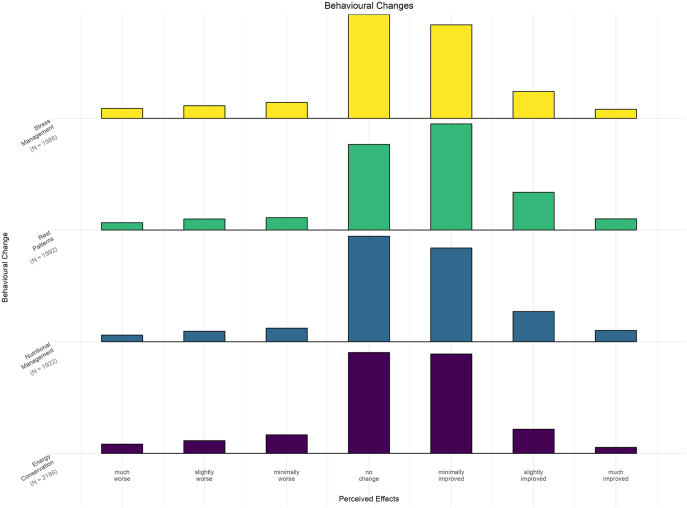
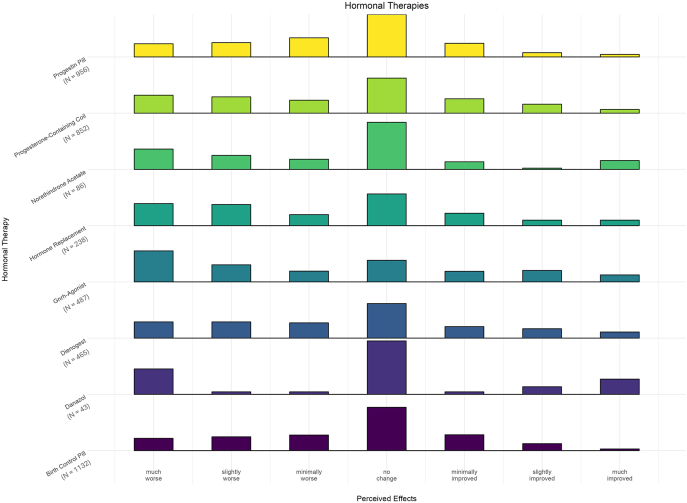
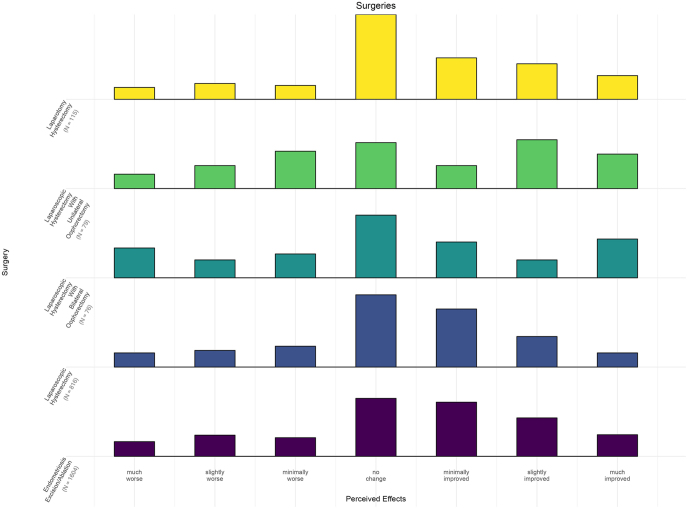
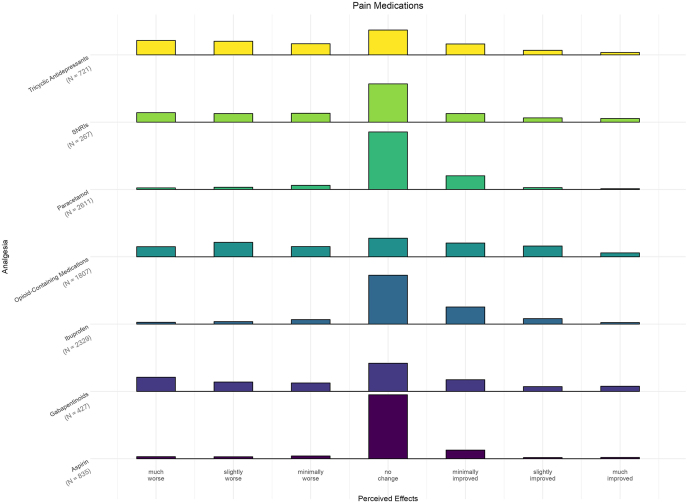
Current endometriosis treatments primarily focus on pain management, despite many patients also experiencing fatigue, which significantly impacts their quality of life. This study aimed to evaluate the perceived effectiveness of endometriosis treatments in managing fatigue. An international anonymous survey was conducted using the Qualtrics platform, with participants (aged 16 years and over) and a self-reported diagnosis of endometriosis. The survey collected demographic information, the brief fatigue inventory, and perceived impact of treatments on fatigue over the past 5 years. Ethical approval was granted by the Edinburgh Medical School Research Ethics Committee. Data analysis was performed using R, with results presented as medians and interquartile ranges. From 12 April to 25 May 2023, 2,907 responses were collected. Our results showed that fatigue was significantly worsened during menstruation (median: -2, IQR: -3 to -1) and slightly worsened during ovulation (median: -1, IQR: -2 to 0). Analysis revealed limited associations between common medical treatments, such as analgesics or hormonal therapy, and improvements in fatigue symptoms. Use of gonadotrophin-releasing hormone (GnRH) agonists was linked to a worsened fatigue, reported by 54% users. Surgical interventions and changes in rest patterns showed minimal improvement, while other behavioural modifications showed little to no effect. These findings suggest that current endometriosis treatments are largely ineffective in addressing fatigue. Limitations of this study include recall bias and confounding factors, which may influence perceived effectiveness of endometriosis therapies on fatigue. This underscores the need for more comprehensive management strategies to better support patients experiencing endometriosis-associated fatigue.
Endometriosis is a common chronic pain condition affecting 180 million women worldwide. Many women with endometriosis also report that fatigue significantly impacts their quality of life. Despite this, fatigue management has been largely neglected, and there are limited studies that have evaluated the benefit of current endometriosis treatments on fatigue. This international survey aimed to evaluate the perceived effectiveness of various therapies for endometriosis on fatigue, including pain medication, hormonal medication, surgery and behavioural changes. Pain medication and most hormonal therapies provided limited relief. However, gonadotrophin-releasing hormone (GnRH) agonists worsened fatigue in more than half of the users. These results suggest that existing endometriosis treatments are largely ineffective in addressing fatigue, highlighting the need for improved strategies to address this symptom to enhance quality of life for women with endometriosis.
尽管许多子宫内膜异位症患者还伴有疲劳症状,且这严重影响了她们的生活质量,但目前针对该疾病的治疗主要集中在疼痛管理方面。本研究旨在评估子宫内膜异位症治疗方法在缓解疲劳方面的实际效果。通过Qualtrics平台开展了一项国际匿名调查,参与者年龄在16岁及以上,且自我报告患有子宫内膜异位症。该调查收集了人口统计学信息、简易疲劳量表,以及过去5年中各种治疗方法对疲劳的影响。爱丁堡医学院研究伦理委员会批准了该研究的伦理申请。使用R软件进行数据分析,结果以中位数和四分位数间距表示。在2023年4月12日至5月25日期间,共收集到2907份回复。我们的结果显示,疲劳在月经期间显著加重(中位数:-2,四分位数间距:-3至-1),在排卵期略有加重(中位数:-1,四分位数间距:-2至0)。分析表明,常用的医学治疗方法,如镇痛药或激素疗法,与疲劳症状改善之间的关联有限。54%的促性腺激素释放激素(GnRH)激动剂使用者报告称,使用该药物会导致疲劳加重。手术干预和休息模式的改变改善甚微,而其他行为改变几乎没有效果。这些发现表明,目前的子宫内膜异位症治疗方法在缓解疲劳方面大多无效。本研究的局限性包括回忆偏倚和混杂因素,这些可能会影响子宫内膜异位症治疗对疲劳的实际效果。这凸显了需要采取更全面的管理策略,以更好地帮助患有子宫内膜异位症相关疲劳的患者。
子宫内膜异位症是一种常见的慢性疼痛疾病,全球有1.8亿女性受其影响。许多患有子宫内膜异位症的女性还表示,疲劳严重影响了她们的生活质量。尽管如此,疲劳管理在很大程度上被忽视了,评估当前子宫内膜异位症治疗方法对疲劳益处的研究也很有限。这项国际调查旨在评估各种子宫内膜异位症治疗方法对疲劳的实际效果,包括止痛药、激素药、手术和行为改变。止痛药和大多数激素疗法的缓解效果有限。然而,超过一半的促性腺激素释放激素(GnRH)激动剂使用者报告称,使用该药物会使疲劳加重。这些结果表明,现有的子宫内膜异位症治疗方法在缓解疲劳方面大多无效,这凸显了需要改进策略来解决这一症状,以提高患有子宫内膜异位症女性的生活质量。