Ilie Ionuţ Octavian, Camen Adrian, Dumitrescu Daniela, Munteanu Maria Cristina, Matei Marius, Şerbănescu Mircea Sebastian, Mărgăritescu Claudiu
Department of Radiology and Medical Imaging, University of Medicine and Pharmacy of Craiova, Romania;
Rom J Morphol Embryol. 2025 Jan-Mar;66(1):179-197. doi: 10.47162/RJME.66.1.17.
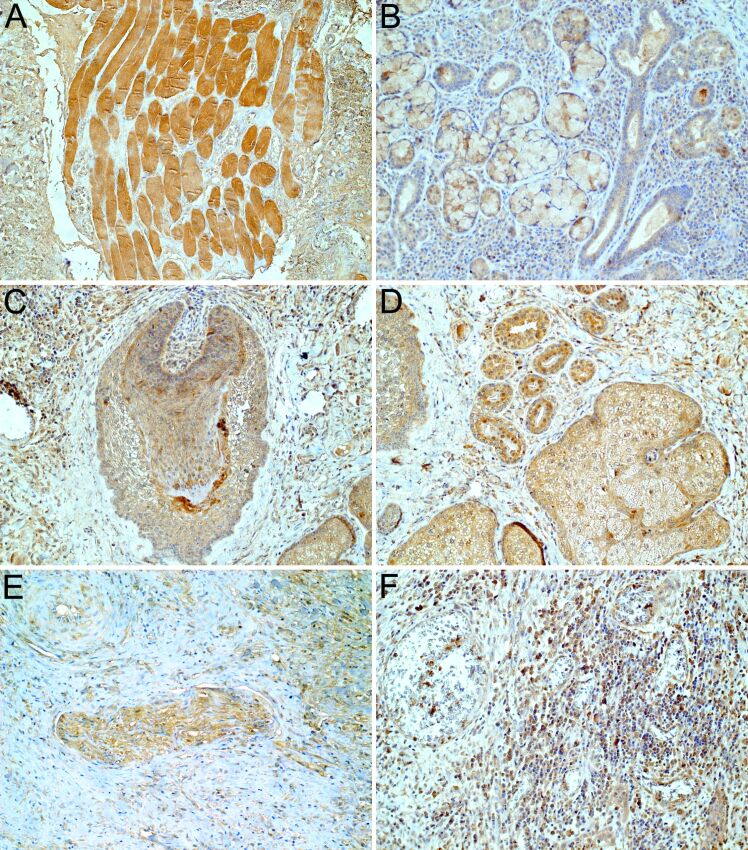
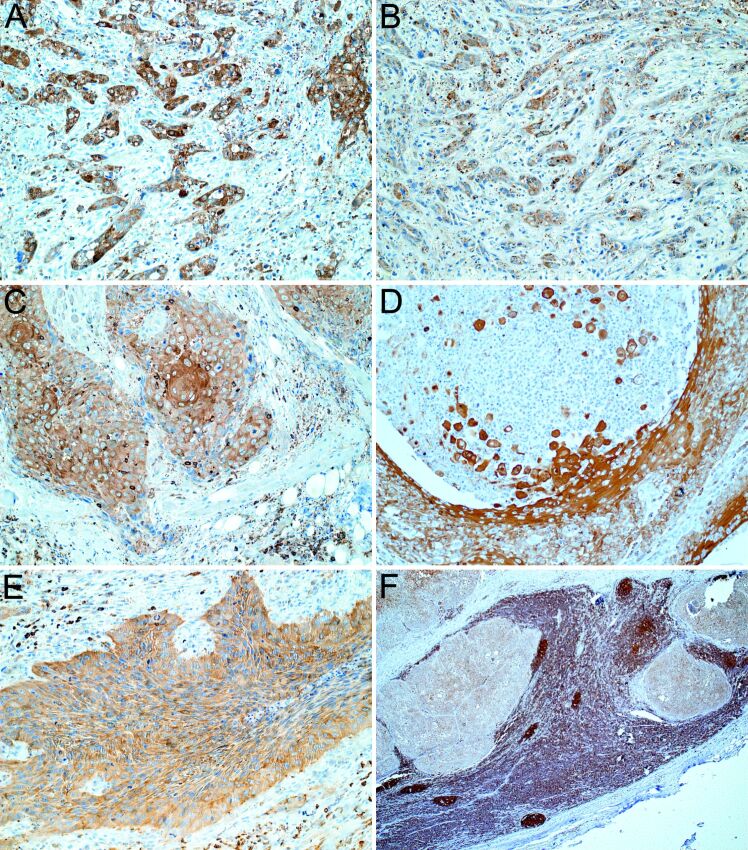
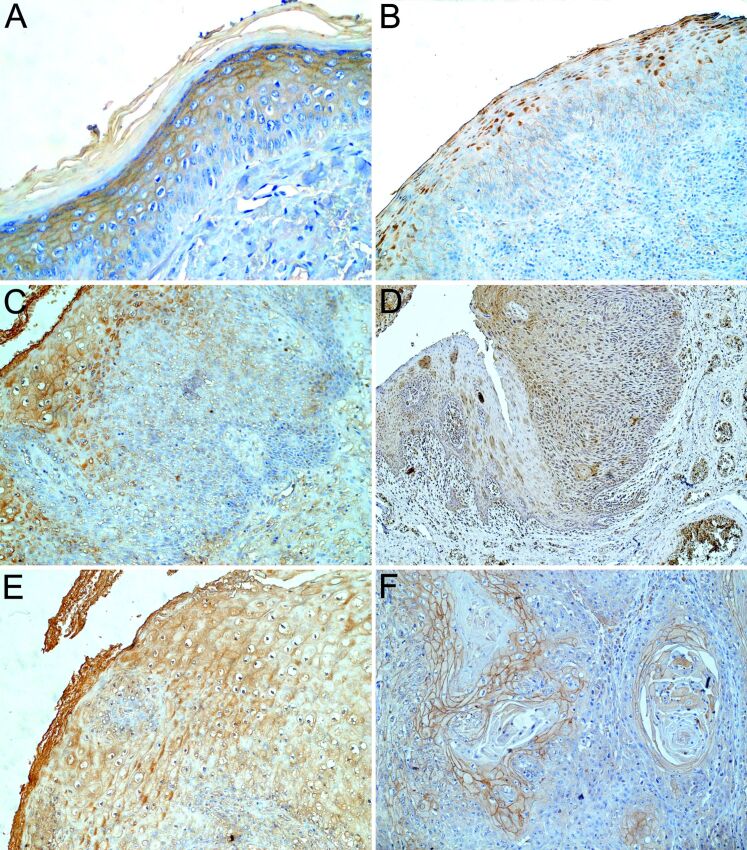
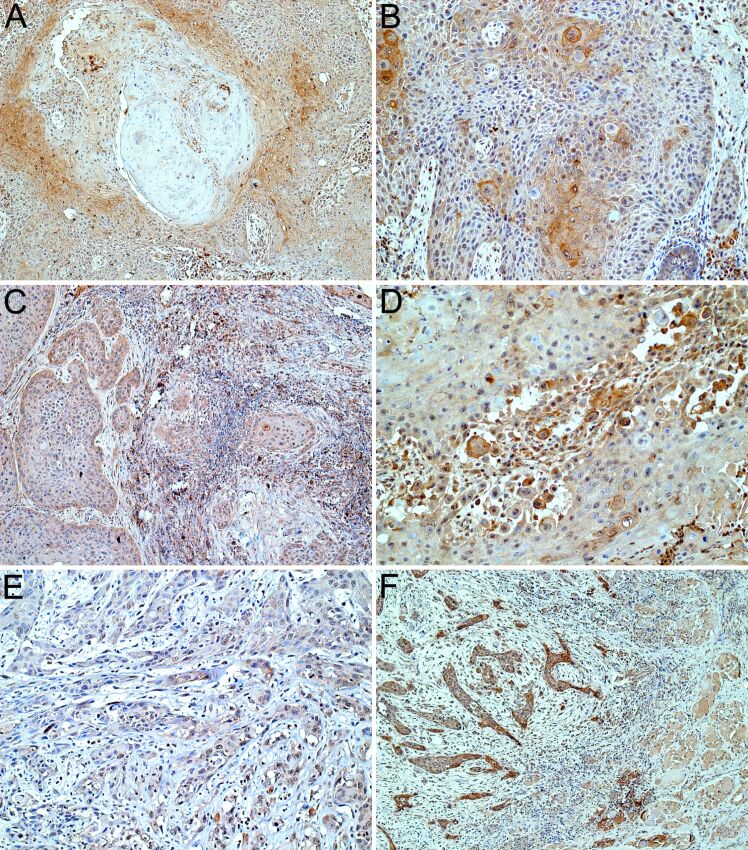
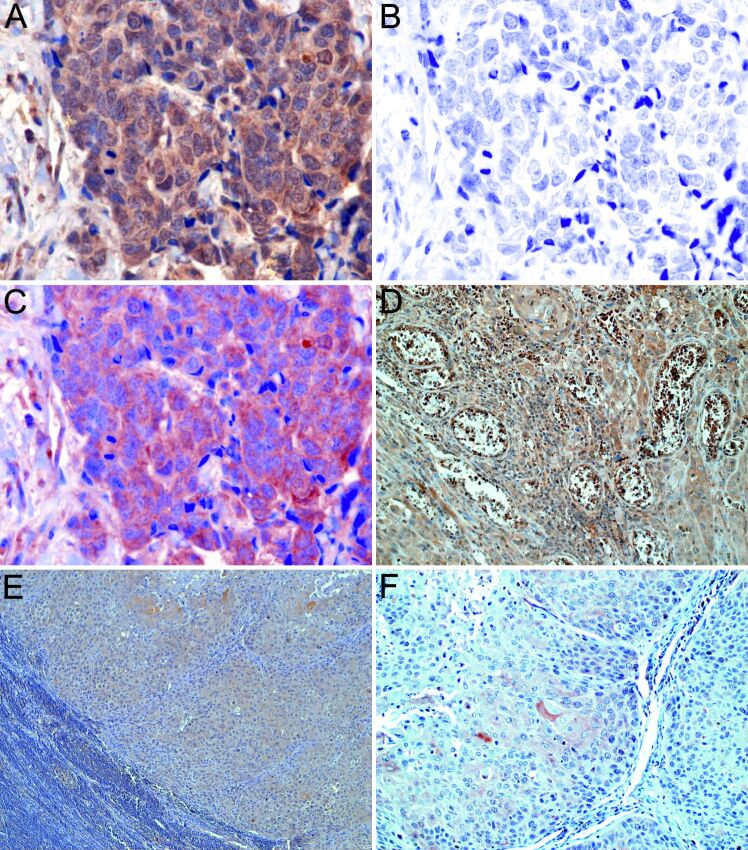
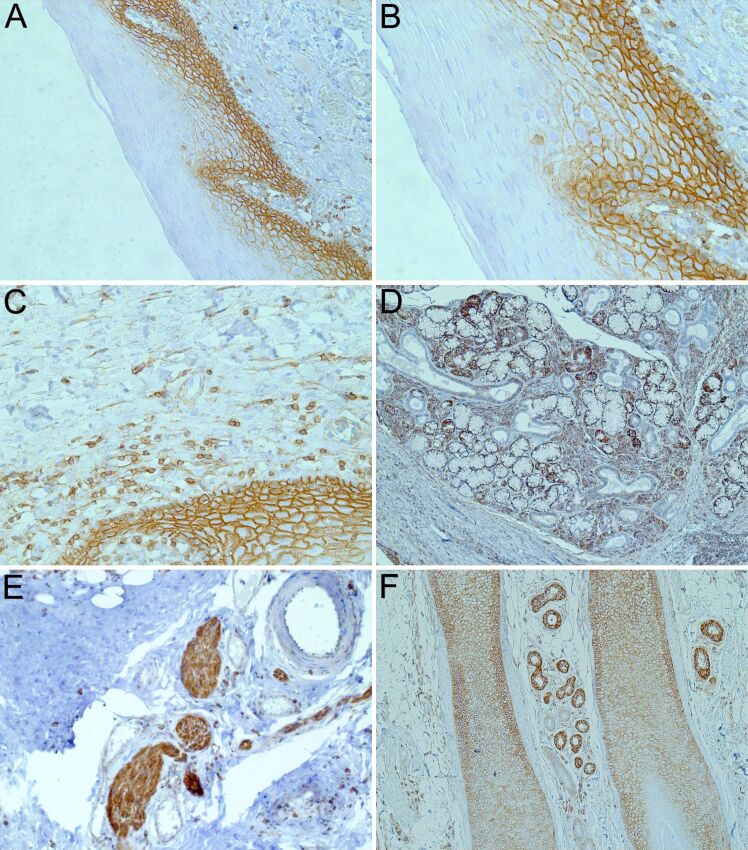
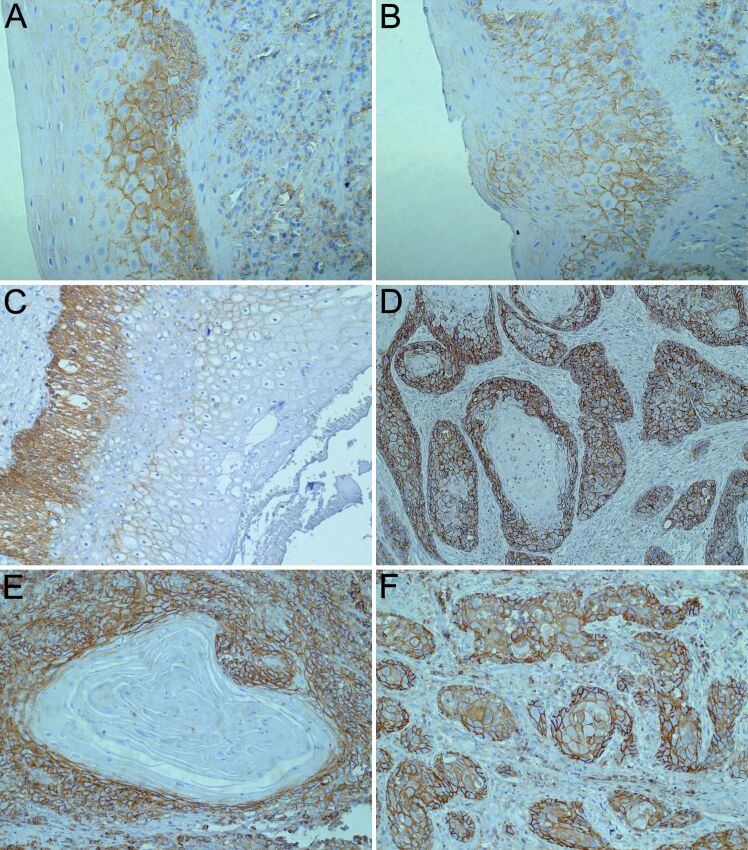
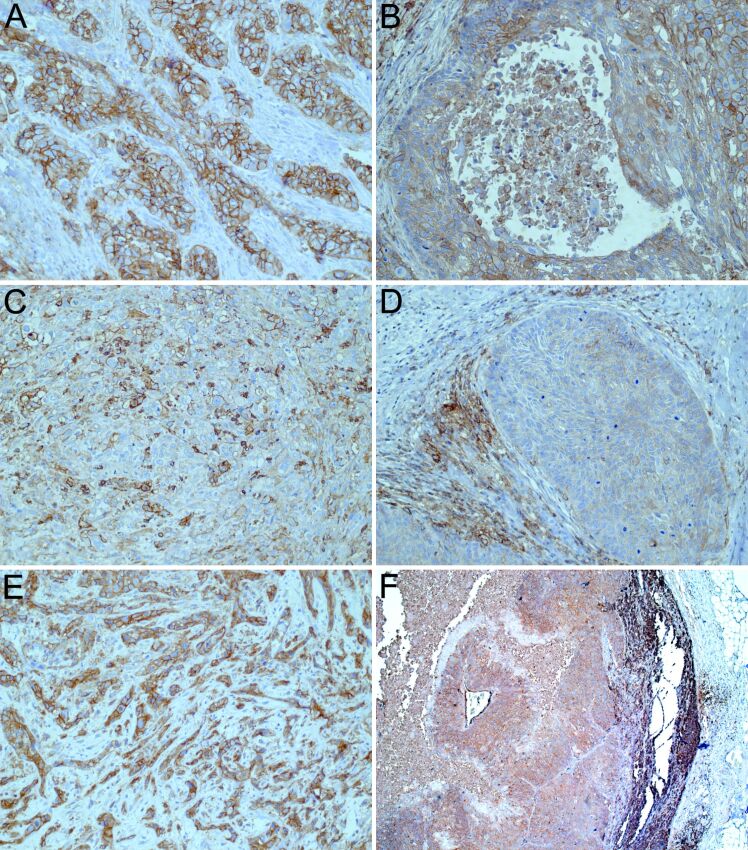
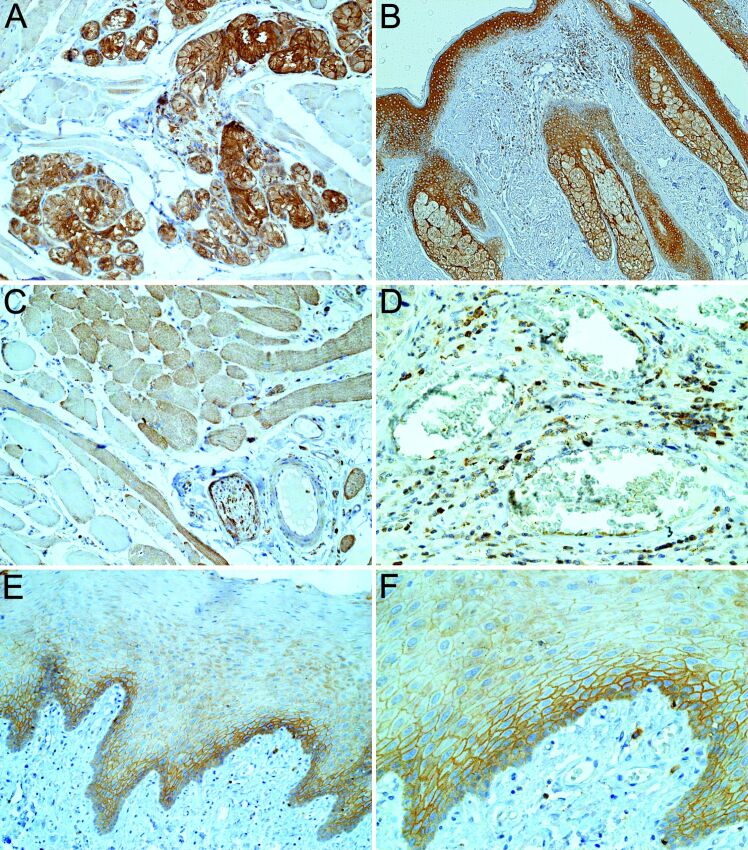
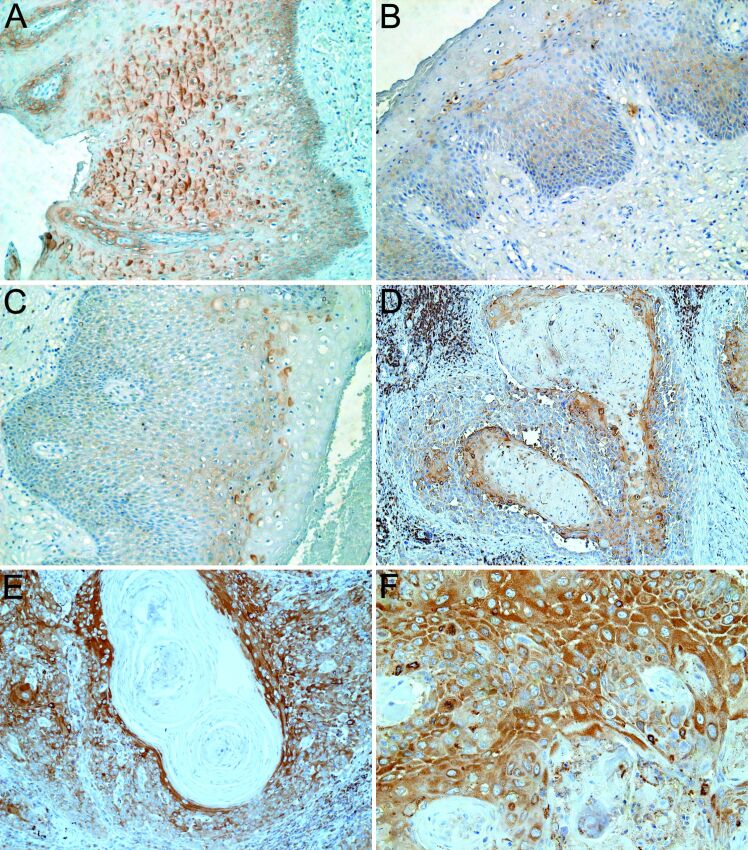
Despite the recent advances in diagnosis and treatment, oral squamous cell carcinoma (OSCC) continues to have a low overall survival rate (around 50%), being a tumor with high locoregional aggressiveness and high risk of lymph node (LN) dissemination. Such behavior can also be explained by the alteration of the expression of adhesion molecules, allowing tumor cells to invade surrounding tissues and make them capable of metastasizing. In this regard, we initiated a study on the immunohistochemical expression of Integrin alphavbeta6 (Integrin αvβ6), CD44 and Ezrin in OSCCs. A number of 39 such tumors with various locations in the oral cavity were investigated by enzymatic immunohistochemistry together with several samples of oral mucosa and oral dysplastic lesions. Using integrated optical density (IOD) as a method to quantify, we observed that the reactivity of these three markers decreased in the progression of dysplastic lesions and in the transition from well to moderately and poorly differentiated tumors. Also, in both conditions we noticed a shift of pattern reactivity from the continuous membrane to discontinuous membrane and cytoplasmic one, even to a nuclear pattern. In addition, the reactivity of the three markers was more evident in the invasion front and especially in these tumors with discohesive growth patterns. All this suggests the involvement of these adhesion molecules in the processes of transformation and malignant progression of OSCCs. It also explains their possible involvement in locoregional aggressiveness and LN dissemination.
尽管近年来在诊断和治疗方面取得了进展,但口腔鳞状细胞癌(OSCC)的总体生存率仍然较低(约50%),它是一种具有高局部侵袭性和高淋巴结(LN)转移风险的肿瘤。这种行为也可以通过黏附分子表达的改变来解释,这使得肿瘤细胞能够侵入周围组织并使其具有转移能力。在这方面,我们启动了一项关于整合素αvβ6(Integrin αvβ6)、CD44和埃兹蛋白在OSCC中的免疫组化表达的研究。通过酶免疫组化对39例位于口腔不同部位的此类肿瘤以及一些口腔黏膜和口腔发育异常病变样本进行了研究。使用积分光密度(IOD)作为定量方法,我们观察到这三种标志物的反应性在发育异常病变的进展过程中以及在从高分化肿瘤向中分化和低分化肿瘤转变时降低。此外,在这两种情况下,我们都注意到反应模式从连续膜性转变为不连续膜性和胞质性,甚至变为核性模式。另外,这三种标志物的反应性在侵袭前沿更明显,尤其是在具有分散生长模式的肿瘤中。所有这些表明这些黏附分子参与了OSCC的转化和恶性进展过程。这也解释了它们可能参与局部侵袭性和LN转移的情况。