Noh Min-Young, Oh Seong-Il, Kim Young-Eun, Cha Sun Joo, Sung Wonjae, Oh Ki-Wook, Park Yurim, Mun Ji Young, Ki Chang-Seok, Nahm Minyeop, Kim Seung Hyun
Department of Neurology, College of Medicine, Hanyang University, 222, Wangsimni-ro, Seongdong-gu, Seoul, 04763, Republic of Korea.
Department of Neurology, Kyung Hee University Medical Center, Seoul, Republic of Korea.
Mol Neurodegener. 2025 May 20;20(1):59. doi: 10.1186/s13024-025-00848-7.
Neuronal primary cilia, vital for signaling and cell-cycle regulation, have been implicated in maintaining neuronal identity. While a link between primary ciliary defects and neurodegenerative diseases is emerging, the precise pathological mechanisms remain unclear.
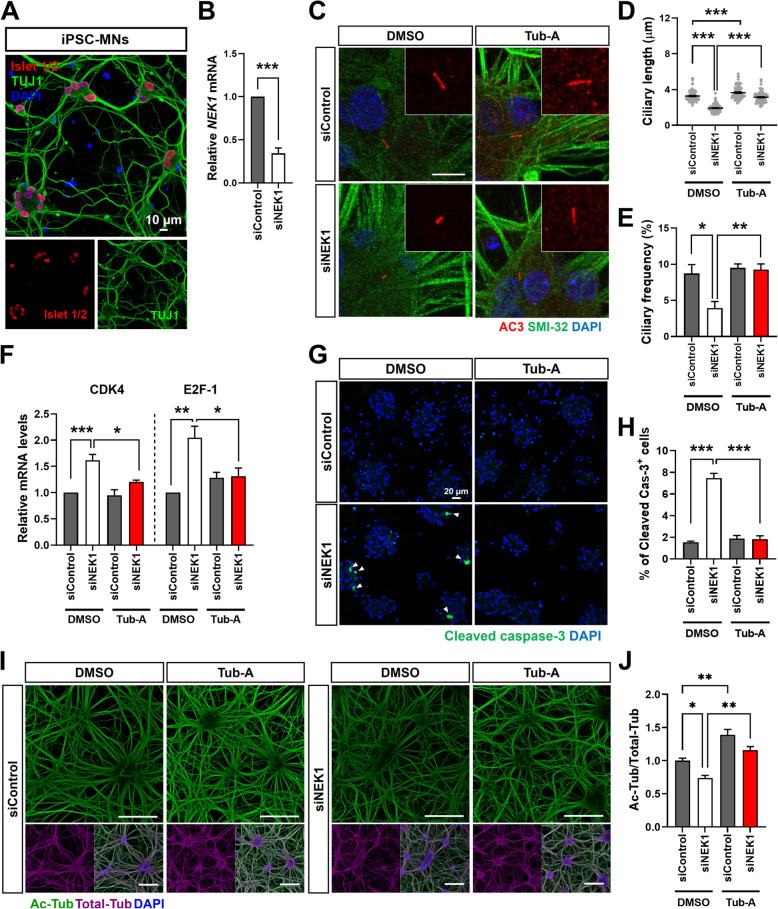
We studied the genetic contribution of NEK1 to ALS pathogenesis by analyzing the exome sequences of 920 Korean patients with ALS. To understand the disease contribution of NEK1 variants in ALS, we performed a series of functional studies using patient fibroblasts focusing on primary cilia and microtubule-related phenotypes. In addition, these findings were validated in iPSC-derived motor neurons (iPSC-MNs).
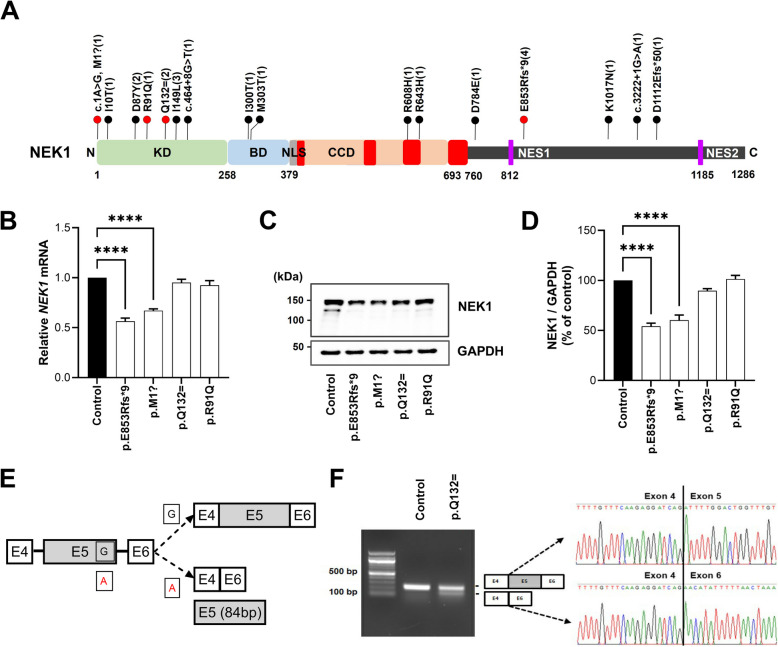
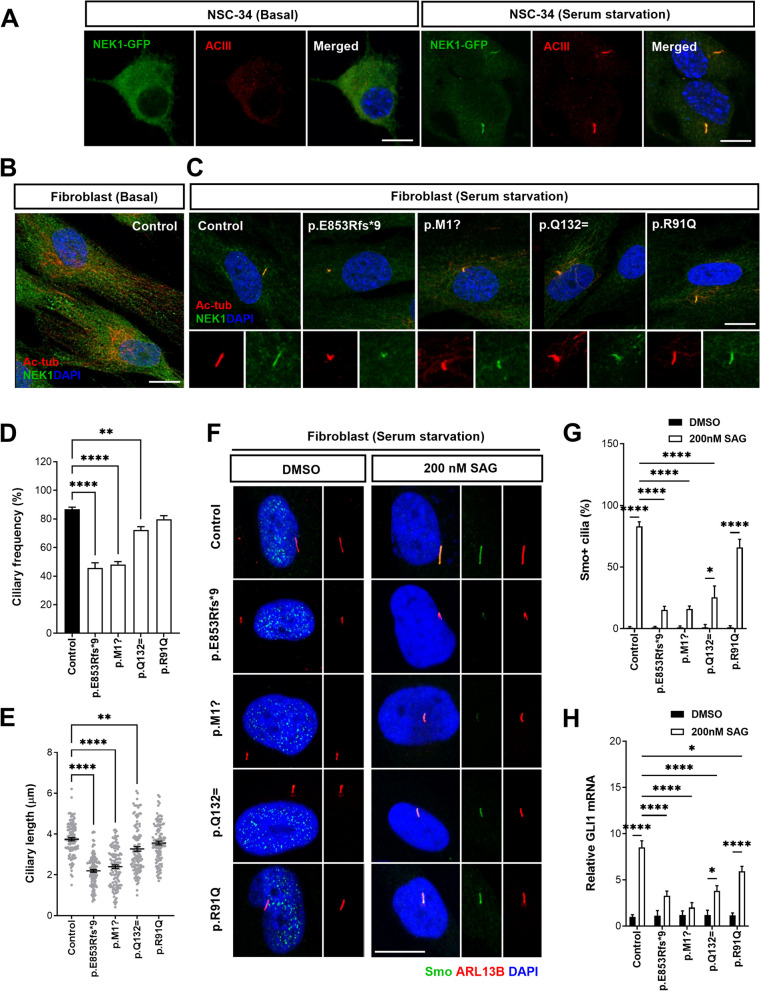
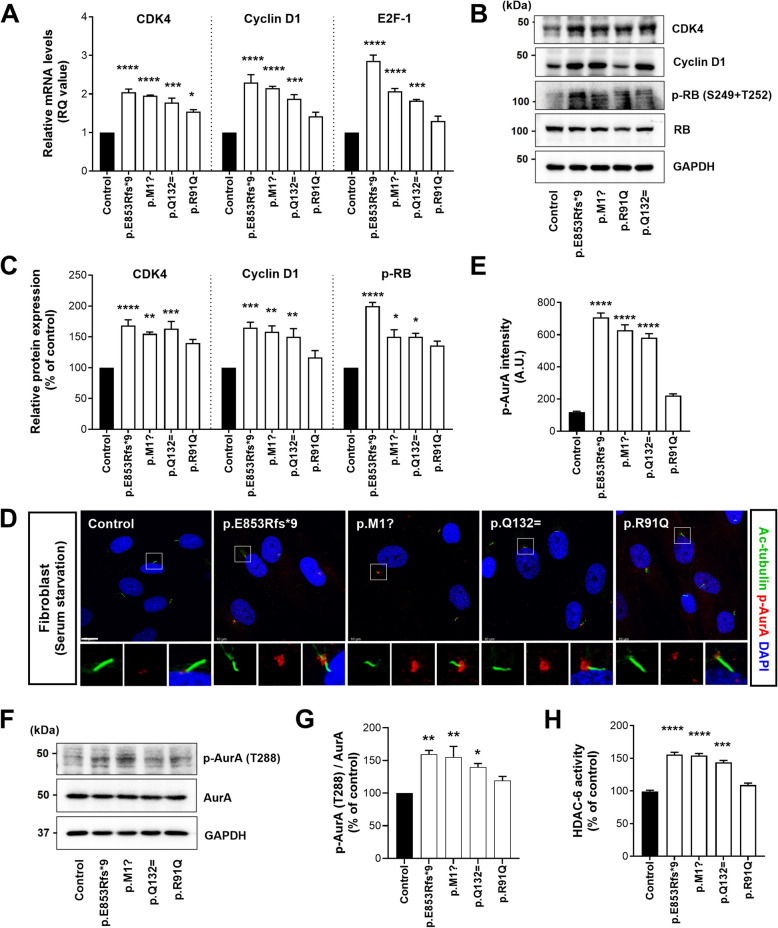
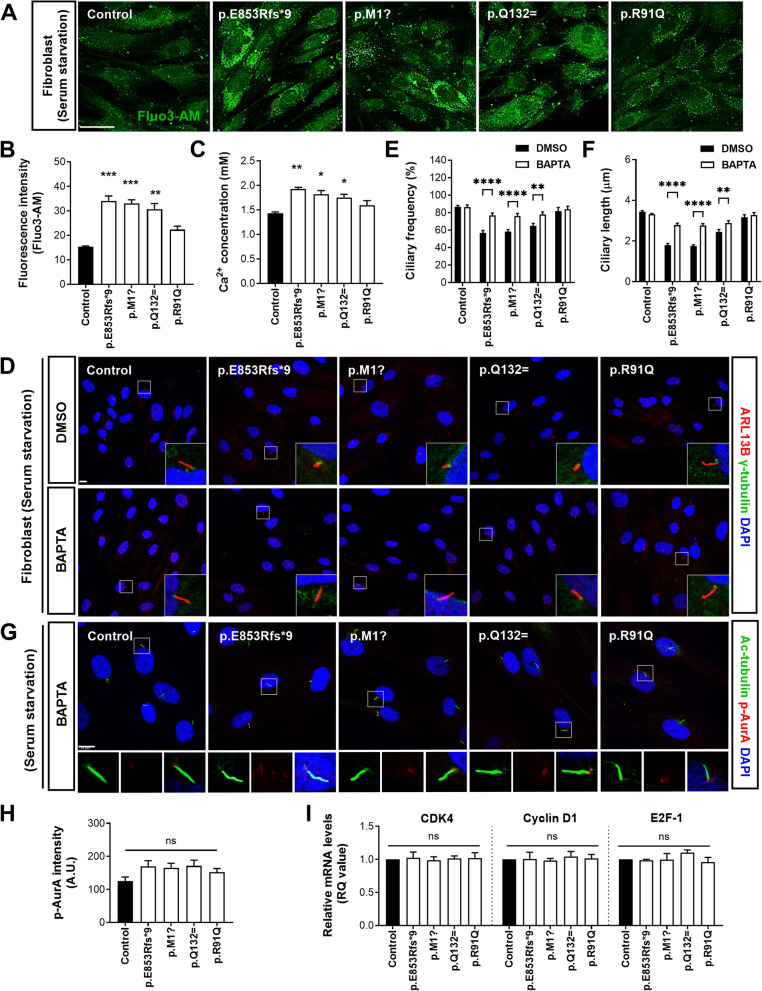
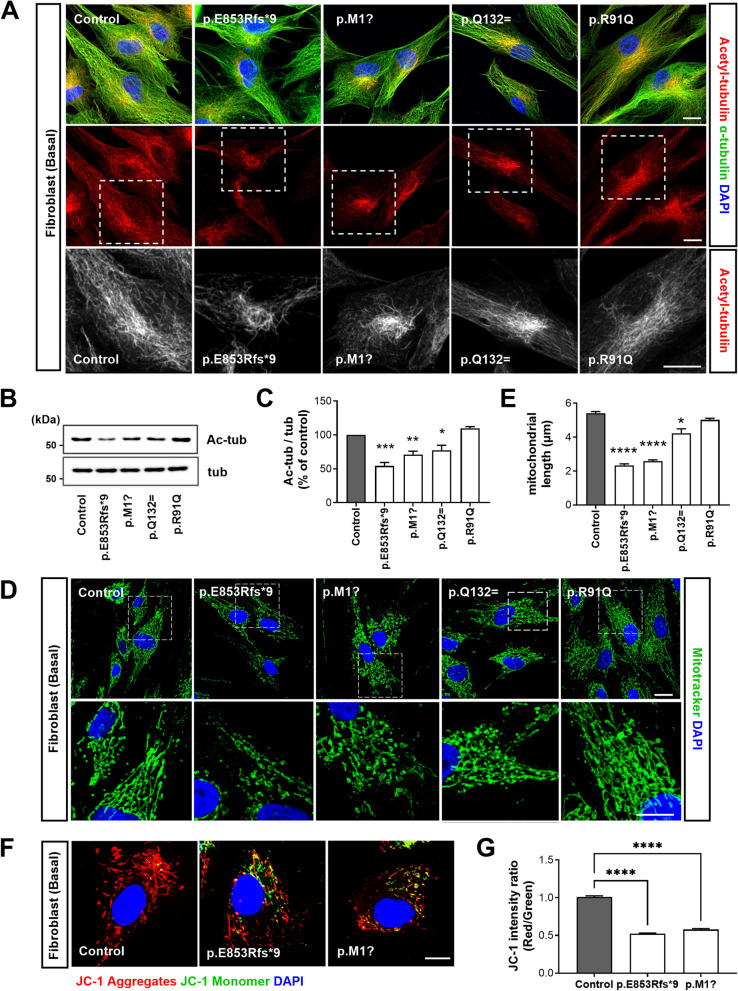
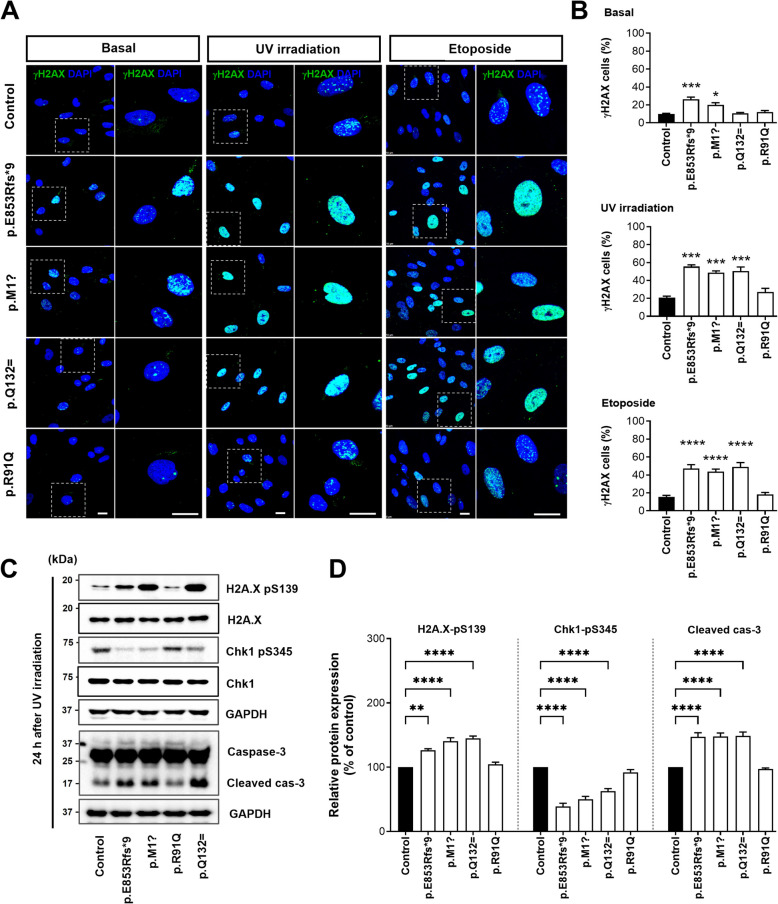
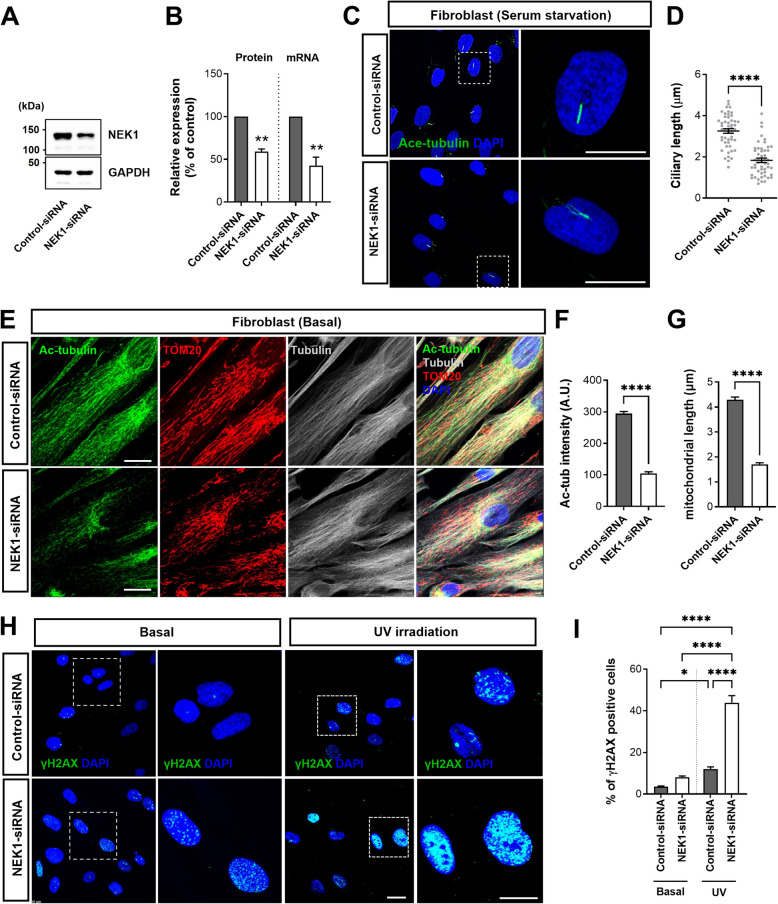
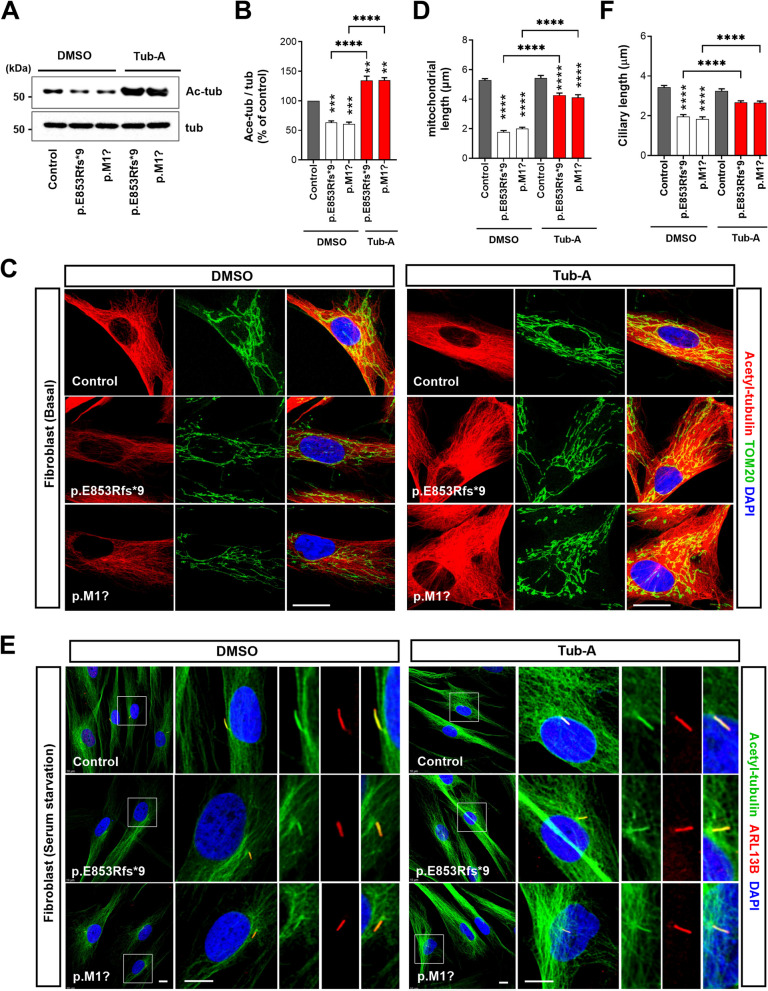
NIMA-related kinase 1 (NEK1), a gene encoding a serine/threonine kinase involved in cell cycle regulation, has been identified as a risk gene for amyotrophic lateral sclerosis (ALS). Here, we report that mutations in NEK1 cause primary ciliary abnormality, cell cycle re-entry, and disrupted tubulin acetylation in ALS. We analyzed the whole-exome sequences of 920 Korean patients with sporadic ALS and identified 16 NEK1 variants in 23 patients. We found that two novel variants, p.E853Rfs*9 and p.M1?, reduced NEK1 expression, resulting in loss-of-function (LOF) and one synonymous splicing variant (p.Q132=) exhibited an aberrant isoform lacking exon 5. All three NEK1 variants exhibited abnormal primary ciliary structure, impaired sonic hedgehog signaling, and altered cell-cycle progression. Furthermore, the ALS-linked variants induced intracellular calcium overload followed by Aurora kinase A (AurA)-histone deacetylase (HDAC)6 activation, resulting in ciliary disassembly. These defects were restored by treatment with the intracellular Ca chelator, BAPTA. We also found that NEK1 variants cause decreased α-tubulin acetylation, mitochondrial alteration, and impaired DNA damage response (DDR). Notably, drug treatment to inhibit HDAC6 restored the NEK1-dependent deficits in patient fibroblasts. And, we confirmed that data found in patient fibroblasts were reproduced in iPSC-MNs model.
Our results suggest that NEK1 contributes to ALS pathogenesis through the LOF mechanism, and HDAC6 inhibition provides an attractive therapeutic strategy for NEK1 variants associated ALS treatment.
神经元初级纤毛对信号传导和细胞周期调控至关重要,与维持神经元特性有关。虽然初级纤毛缺陷与神经退行性疾病之间的联系正在显现,但确切的病理机制仍不清楚。
我们通过分析920例韩国肌萎缩侧索硬化症(ALS)患者的外显子序列,研究了NEK1对ALS发病机制的遗传贡献。为了解NEK1变异在ALS中的疾病作用,我们使用患者成纤维细胞进行了一系列功能研究,重点关注初级纤毛和微管相关表型。此外,这些发现在诱导多能干细胞衍生的运动神经元(iPSC-MNs)中得到了验证。
NIMA相关激酶1(NEK1)是一个编码参与细胞周期调控的丝氨酸/苏氨酸激酶的基因,已被确定为肌萎缩侧索硬化症(ALS)的风险基因。在此,我们报告NEK1突变导致ALS患者的初级纤毛异常、细胞周期重新进入以及微管蛋白乙酰化紊乱。我们分析了920例韩国散发性ALS患者的全外显子序列,在23例患者中鉴定出16种NEK1变异。我们发现两个新变异,p.E853Rfs*9和p.M1?,降低了NEK1表达,导致功能丧失(LOF),一个同义剪接变异(p.Q132=)表现出缺少外显子5的异常异构体。所有三种NEK1变异均表现出初级纤毛结构异常、音猬因子信号传导受损以及细胞周期进程改变。此外,与ALS相关的变异诱导细胞内钙超载,随后极光激酶A(AurA)-组蛋白去乙酰化酶(HDAC)6激活,导致纤毛解体。用细胞内钙螯合剂BAPTA处理可恢复这些缺陷。我们还发现NEK1变异导致α-微管蛋白乙酰化减少、线粒体改变以及DNA损伤反应(DDR)受损。值得注意的是,抑制HDAC6的药物治疗恢复了患者成纤维细胞中NEK1依赖性缺陷。并且,我们证实在患者成纤维细胞中发现的数据在iPSC-MNs模型中得到了重现。
我们的结果表明,NEK1通过功能丧失机制促成ALS发病,抑制HDAC6为与NEK1变异相关的ALS治疗提供了一种有吸引力的治疗策略。