Shukla Shivam, Lastorka Sean S, Uversky Vladimir N
Department of Integrative Biology, College of Arts and Sciences, University of South Florida-St. Petersburg, 140 7th Ave. South, St. Petersburg, FL 33701, USA.
Department of Molecular Medicine, Morsani College of Medicine, University of South Florida, Tampa, FL 33612, USA.
Proteomes. 2025 Apr 28;13(2):16. doi: 10.3390/proteomes13020016.
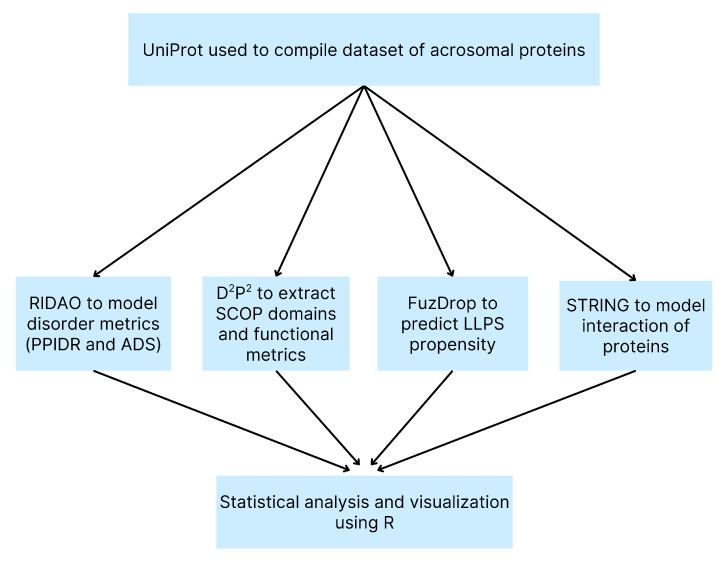
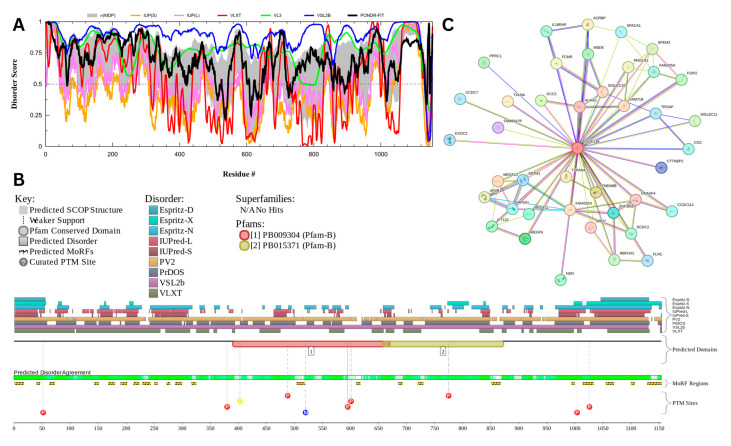
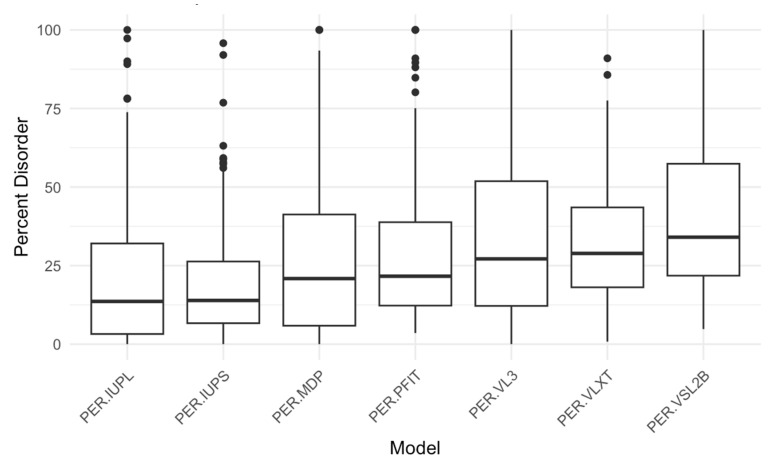
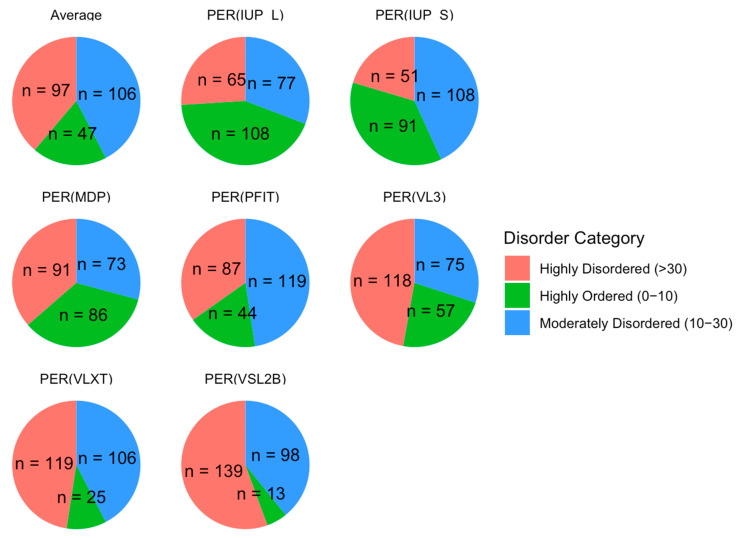
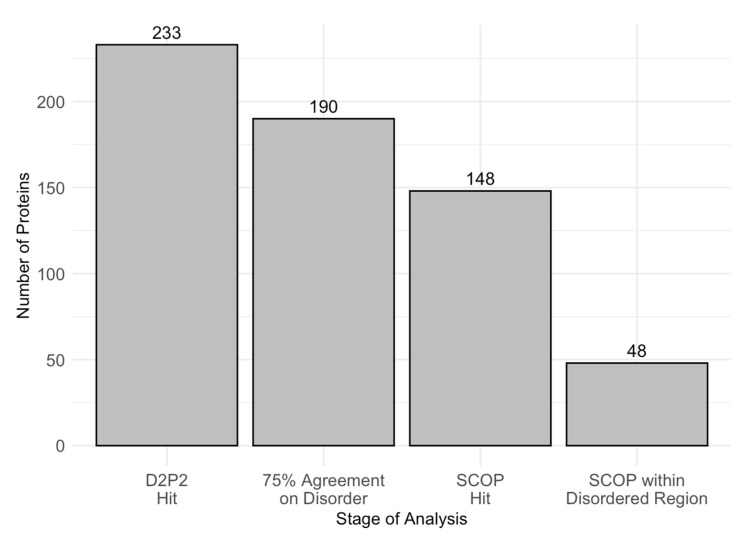
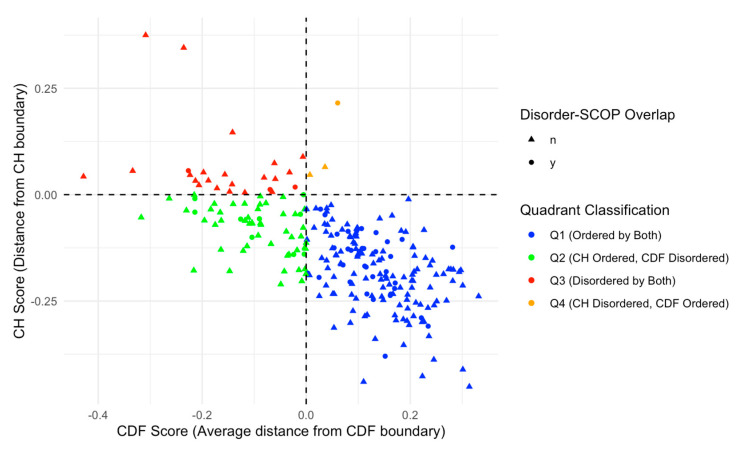
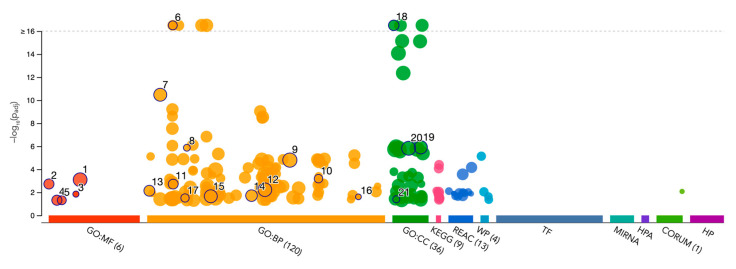
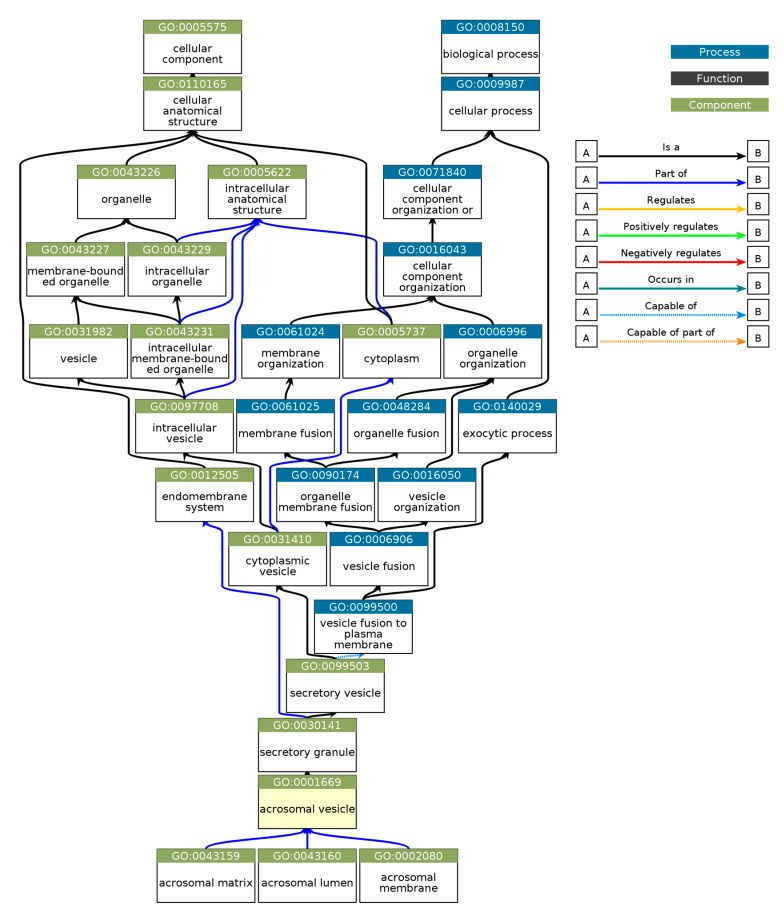
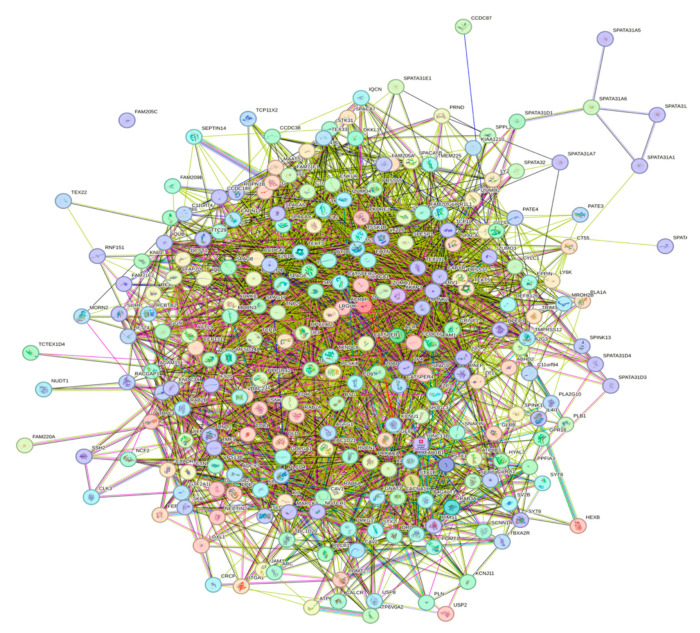
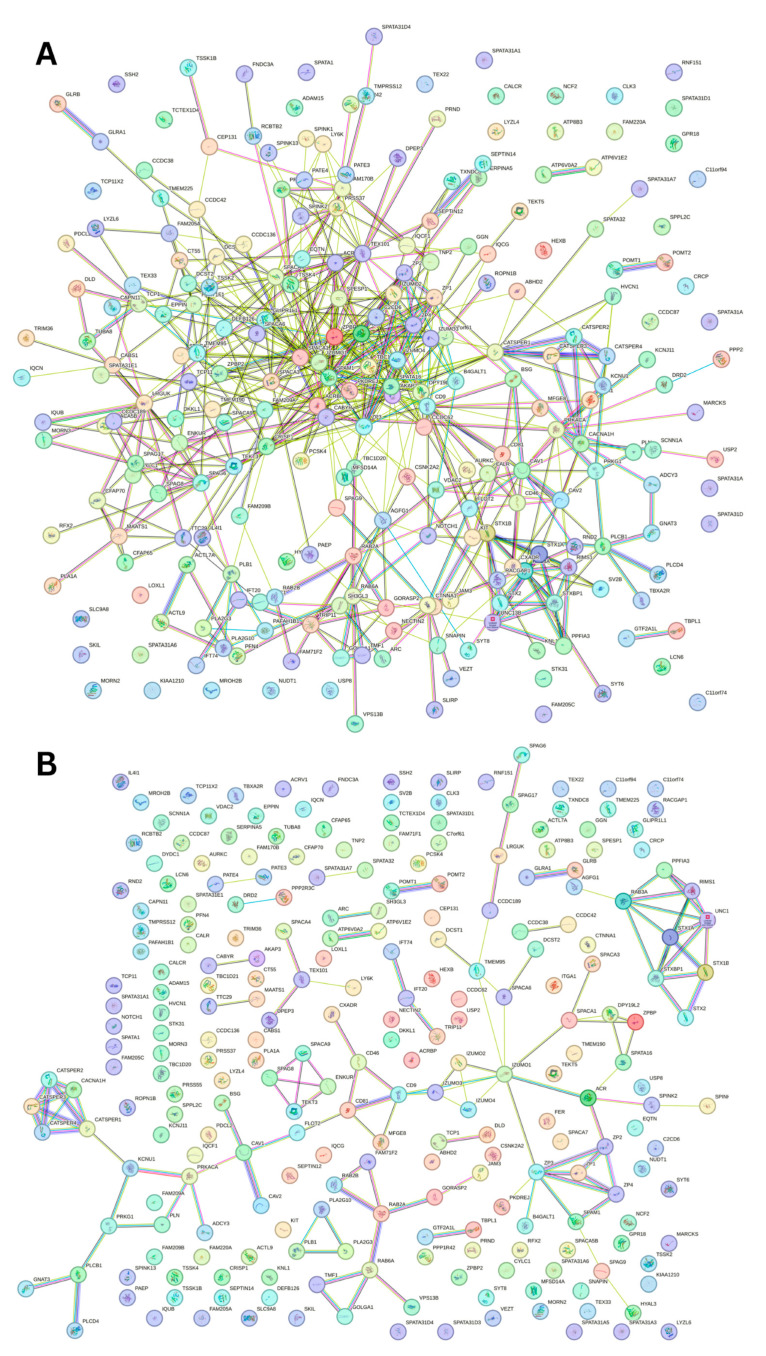
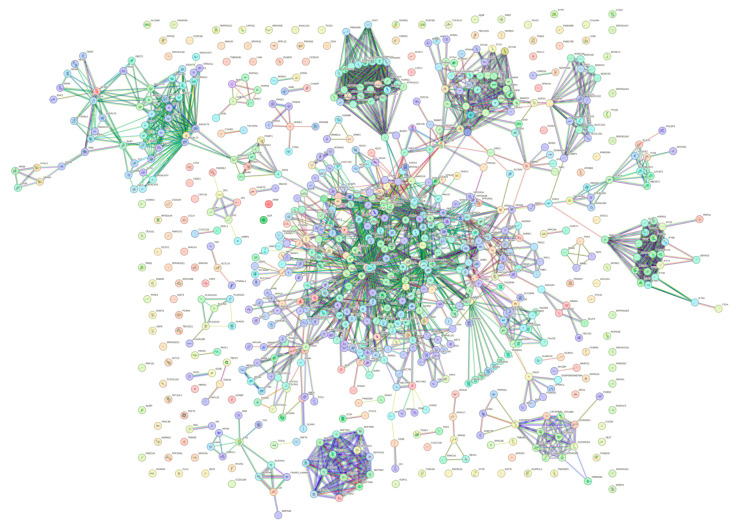
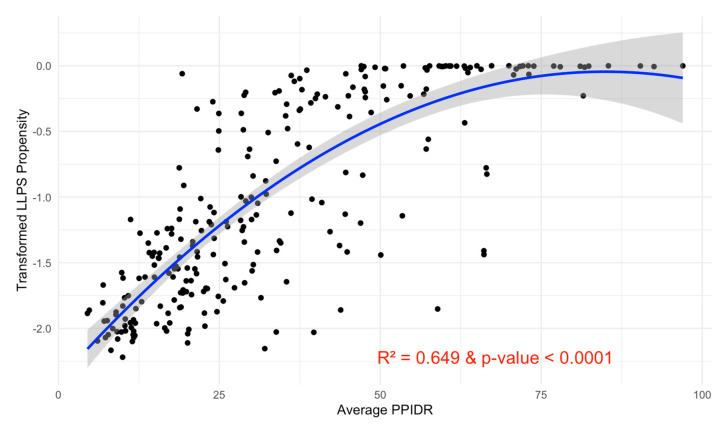
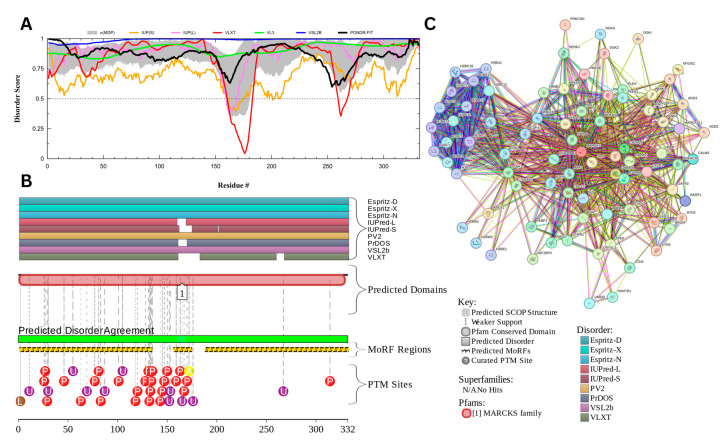
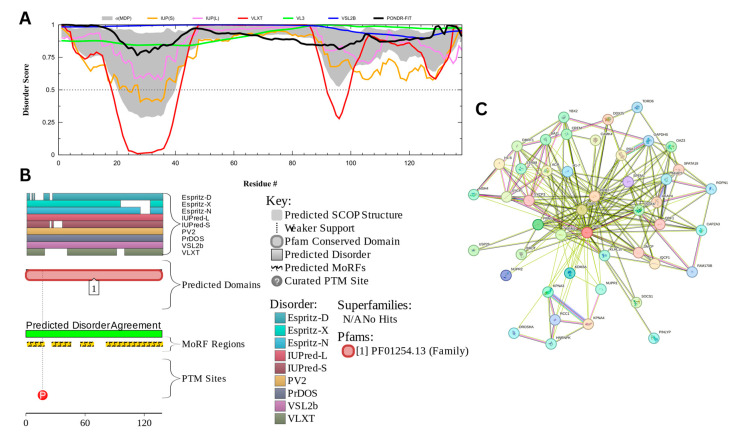
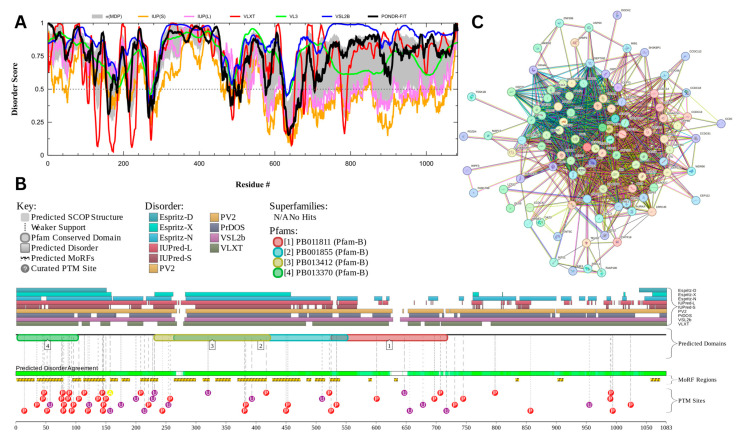
Intrinsic disorder refers to protein regions that lack a fixed three-dimensional structure under physiological conditions, enabling conformational plasticity. This flexibility allows for diverse functions, including transient interactions, signaling, and phase separation via disorder-to-order transitions upon binding. Our study focused on investigating the role of intrinsic disorder and liquid-liquid phase separation (LLPS) in the human acrosome, a sperm-specific organelle essential for fertilization. Using computational prediction models, network analysis, Structural Classification of Proteins (SCOP) functional assessments, and Gene Ontology, we analyzed 250 proteins within the acrosomal proteome. Our bioinformatic analysis yielded 97 proteins with high levels (>30%) of structural disorder. Further analysis of functional enrichment identified associations between disordered regions overlapping with SCOP domains and critical acrosomal processes, including vesicle trafficking, membrane fusion, and enzymatic activation. Examples of disordered SCOP domains include the PLC-like phosphodiesterase domain, the t-SNARE domain, and the P-domain of calnexin/calreticulin. Protein-protein interaction networks revealed acrosomal proteins as hubs in tightly interconnected systems, emphasizing their functional importance. LLPS propensity modeling determined that over 30% of these proteins are high-probability LLPS drivers (>60%), underscoring their role in dynamic compartmentalization. Proteins such as myristoylated alanine-rich C-kinase substrate and nuclear transition protein 2 exhibited both high LLPS propensities and high levels of structural disorder. A significant relationship ( < 0.0001, R² = 0.649) was observed between the level of intrinsic disorder and LLPS propensity, showing the role of disorder in facilitating phase separation. Overall, these findings provide insights into how intrinsic disorder and LLPS contribute to the structural adaptability and functional precision required for fertilization, with implications for understanding disorders associated with the human acrosome reaction.
内在无序是指蛋白质区域在生理条件下缺乏固定的三维结构,从而具有构象可塑性。这种灵活性允许蛋白质发挥多种功能,包括瞬时相互作用、信号传导以及通过结合时无序到有序的转变进行相分离。我们的研究重点是调查内在无序和液-液相分离(LLPS)在人类顶体中的作用,顶体是精子特有的细胞器,对受精至关重要。我们使用计算预测模型、网络分析、蛋白质结构分类(SCOP)功能评估和基因本体论,分析了顶体蛋白质组中的250种蛋白质。我们的生物信息学分析产生了97种具有高水平(>30%)结构无序的蛋白质。对功能富集的进一步分析确定了与SCOP结构域重叠的无序区域与关键顶体过程之间的关联,包括囊泡运输、膜融合和酶激活。无序的SCOP结构域的例子包括PLC样磷酸二酯酶结构域、t-SNARE结构域以及钙连蛋白/钙网蛋白的P结构域。蛋白质-蛋白质相互作用网络显示顶体蛋白是紧密互连系统中的枢纽,强调了它们的功能重要性。LLPS倾向建模确定这些蛋白质中超过30%是高概率的LLPS驱动因子(>60%),突出了它们在动态区室化中的作用。诸如肉豆蔻酰化富含丙氨酸的C激酶底物和核过渡蛋白2等蛋白质既表现出高LLPS倾向又具有高水平的结构无序。在内在无序水平和LLPS倾向之间观察到显著关系(<0.0001,R² = 0.649),表明无序在促进相分离中的作用。总体而言,这些发现为内在无序和LLPS如何促进受精所需的结构适应性和功能精确性提供了见解,对理解与人类顶体反应相关的疾病具有启示意义。