Boya Bharath Reddy, Lee Jin-Hyung, Lee Jintae
School of Chemical Engineering, Yeungnam University, Gyeongsan, Republic of Korea.
Microb Biotechnol. 2025 May;18(5):e70165. doi: 10.1111/1751-7915.70165.
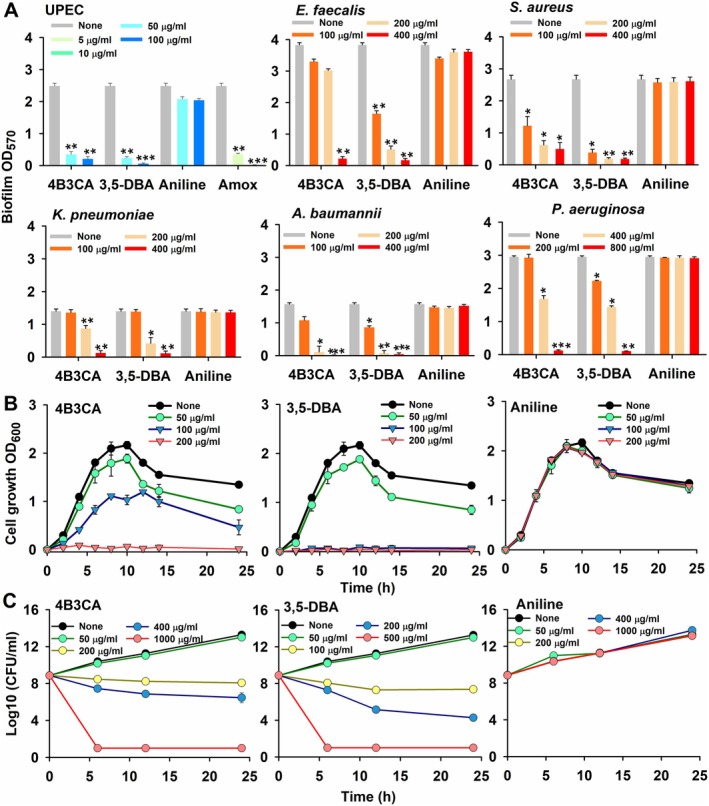
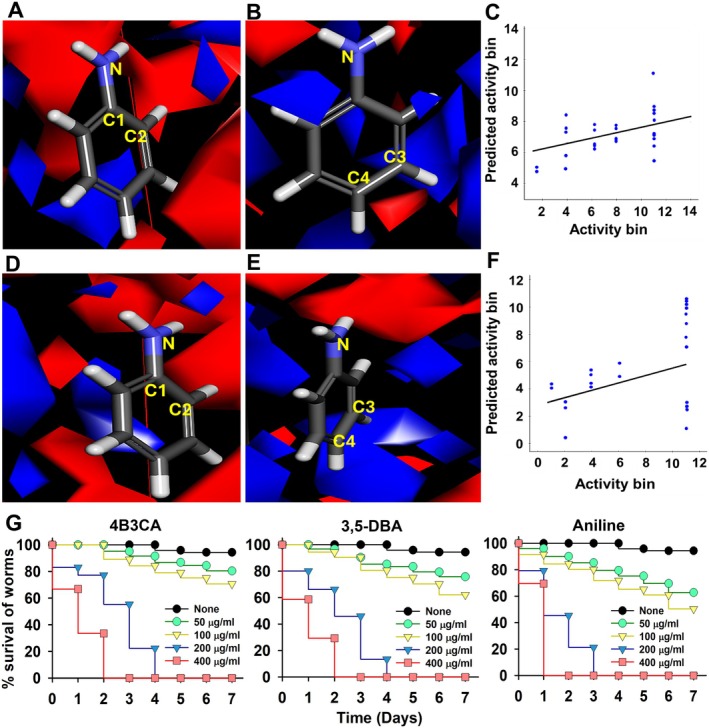
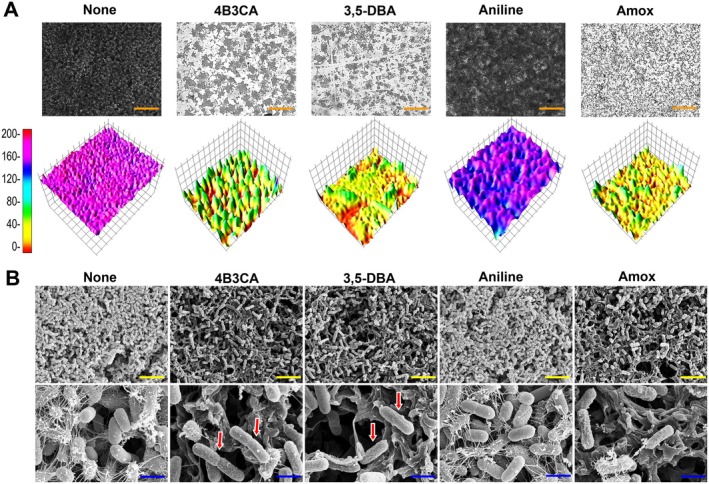
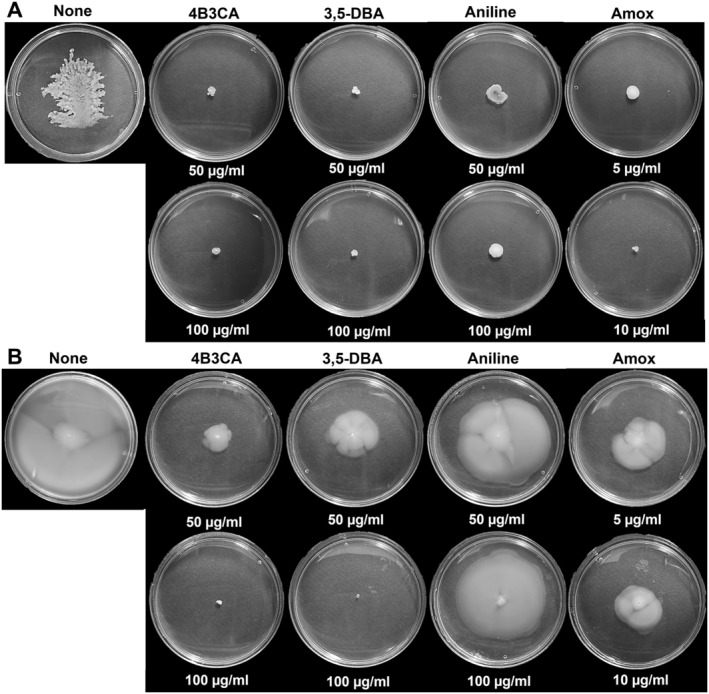
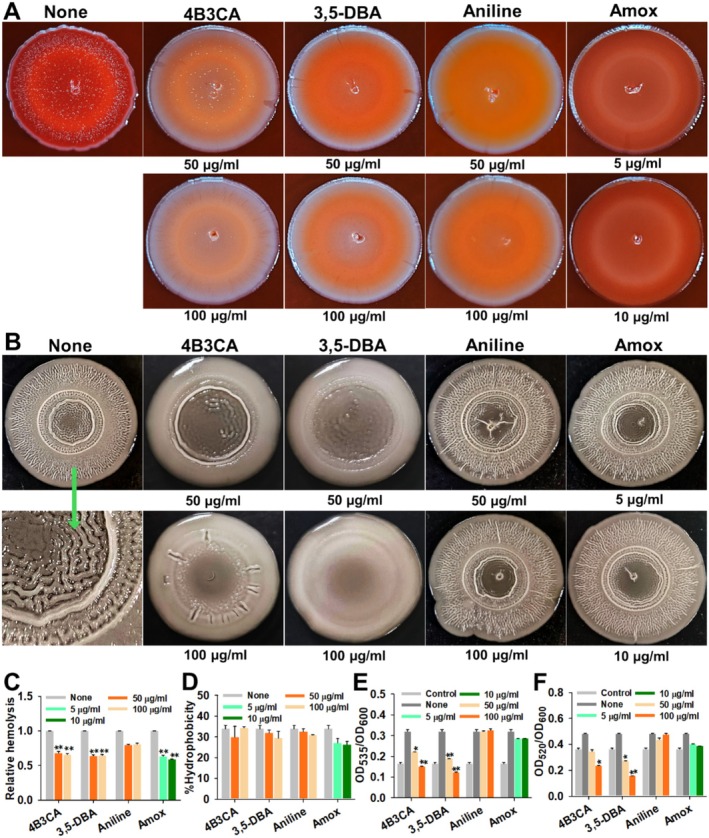
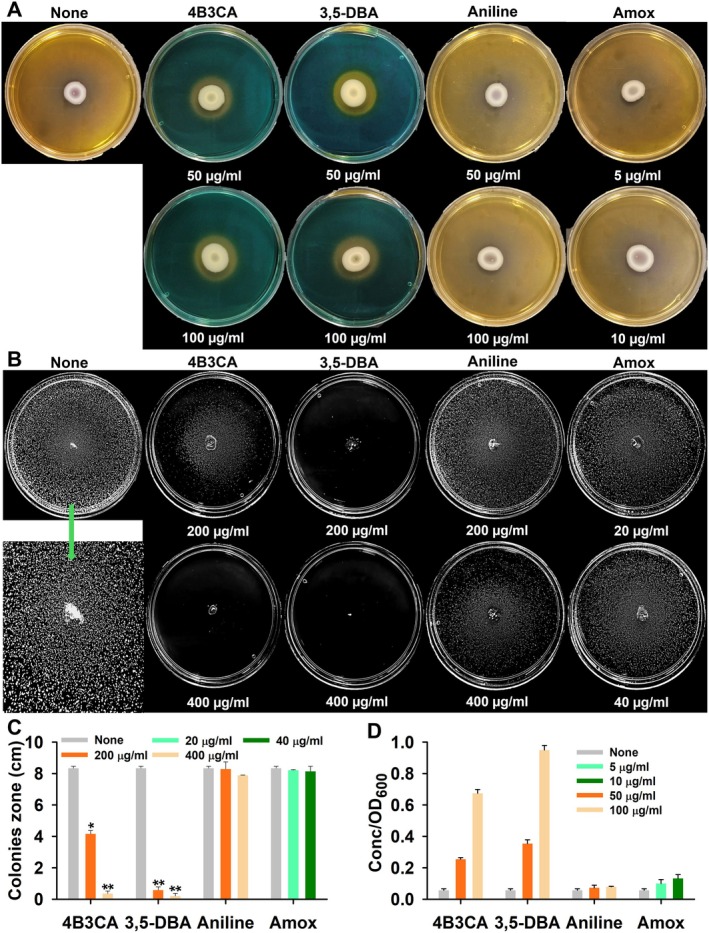
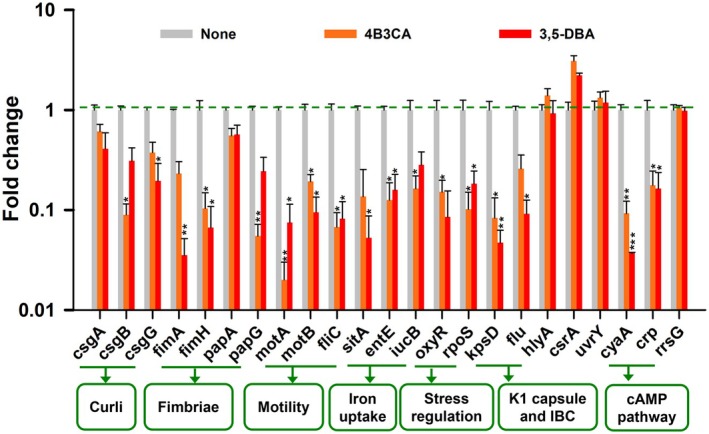
Uropathogenic Escherichia coli (UPEC) is one of the leading causes of nosocomial infections and urinary tract infections (UTIs), capable of inducing a spectrum of conditions ranging from acute bladder cystitis to chronic pyelonephritis. The virulence arsenal of UPEC includes factors, such as curli fimbriae, hemolysin, motility elements and metallophores. Moreover, UPEC can form biofilm-like communities and quiescent intracellular reservoirs within host tissues, contributing to recurrent and persistent infections. This study investigates the antibiofilm and antimicrobial activities of two halogen-substituted aniline derivatives, 4-bromo-3-chloroaniline (4B3CA) and 3,5-dibromoaniline (3,5-DBA), against UPEC. The compounds demonstrated minimum inhibitory concentrations (MICs) of 200 μg/mL for 4B3CA and 100 μg/mL for 3,5-DBA, with both exhibiting a biofilm inhibition IC50 value of 10 μg/mL. Additionally, these derivatives showed antibiofilm activity against ESKAPE pathogens. Treatment with 4B3CA and 3,5-DBA led to significant downregulation of UPEC virulence- and biofilm-related genes, including those involved in curli production, fimbrial adhesion, motility, iron acquisition, quiescent colony formation, and stress response. Interestingly, a mild upregulation of hlyA, csrA and uvrY was noted, alongside a marked downregulation of the adenylate cyclase genes cyaA and crp. These findings suggest that inhibition of adenylate cyclase activity may be a primary mode of action, leading to both antimicrobial and antibiofilm effects. The presence of halogen atoms in these compounds appears to enhance their binding affinity to adenylate cyclase through stabilising halogen bond interactions. Furthermore, 3D-QSAR analysis indicates that electrostatic favourability at the third and fourth positions of the aniline ring is critical for bioactivity. Finally, in silico ADMET profiling and cytotoxicity assessments using Caenorhabditis elegans suggest that these aniline derivatives hold promise as therapeutic candidates, warranting further investigation.
尿路致病性大肠杆菌(UPEC)是医院感染和尿路感染(UTIs)的主要病因之一,能够引发从急性膀胱膀胱炎到慢性肾盂肾炎等一系列病症。UPEC的毒力武器包括菌毛、溶血素、运动元件和金属载体等因子。此外,UPEC可在宿主组织内形成生物膜样群落和静止的细胞内储存库,导致反复和持续感染。本研究调查了两种卤代苯胺衍生物,4-溴-3-氯苯胺(4B3CA)和3,5-二溴苯胺(3,5-DBA)对UPEC的抗生物膜和抗菌活性。这些化合物对4B3CA的最低抑菌浓度(MICs)为200μg/mL,对3,5-DBA为100μg/mL,两者的生物膜抑制IC50值均为10μg/mL。此外,这些衍生物对ESKAPE病原体也表现出抗生物膜活性。用4B3CA和3,5-DBA处理导致UPEC毒力和生物膜相关基因显著下调,包括那些参与菌毛产生、菌毛粘附、运动、铁摄取、静止菌落形成和应激反应的基因。有趣的是,观察到hlyA、csrA和uvrY有轻度上调,同时腺苷酸环化酶基因cyaA和crp明显下调。这些发现表明,抑制腺苷酸环化酶活性可能是主要作用方式,导致抗菌和抗生物膜效应。这些化合物中卤素原子的存在似乎通过稳定卤键相互作用增强了它们与腺苷酸环化酶的结合亲和力。此外,三维定量构效关系(3D-QSAR)分析表明,苯胺环第三和第四位的静电适宜性对生物活性至关重要。最后,使用秀丽隐杆线虫进行的计算机辅助药物代谢动力学(ADMET)分析和细胞毒性评估表明,这些苯胺衍生物有望成为治疗候选物,值得进一步研究。