Parbst Fiona, Kostka Johanna K, Günther Anne, Chen Yu-Nan, Hanganu-Opatz Ileana L, Bitzenhofer Sebastian H
Institute of Developmental Neurophysiology, Center for Molecular Neurobiology Hamburg, Hamburg Center of Neuroscience, University Medical Center Hamburg-Eppendorf, Hamburg 20251, Germany.
Institute of Developmental Neurophysiology, Center for Molecular Neurobiology Hamburg, Hamburg Center of Neuroscience, University Medical Center Hamburg-Eppendorf, Hamburg 20251, Germany
J Neurosci. 2025 Jun 18;45(25):e1007242025. doi: 10.1523/JNEUROSCI.1007-24.2025.
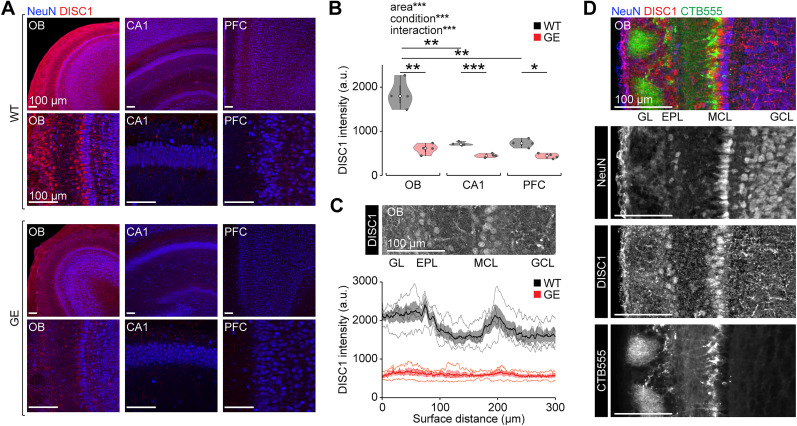
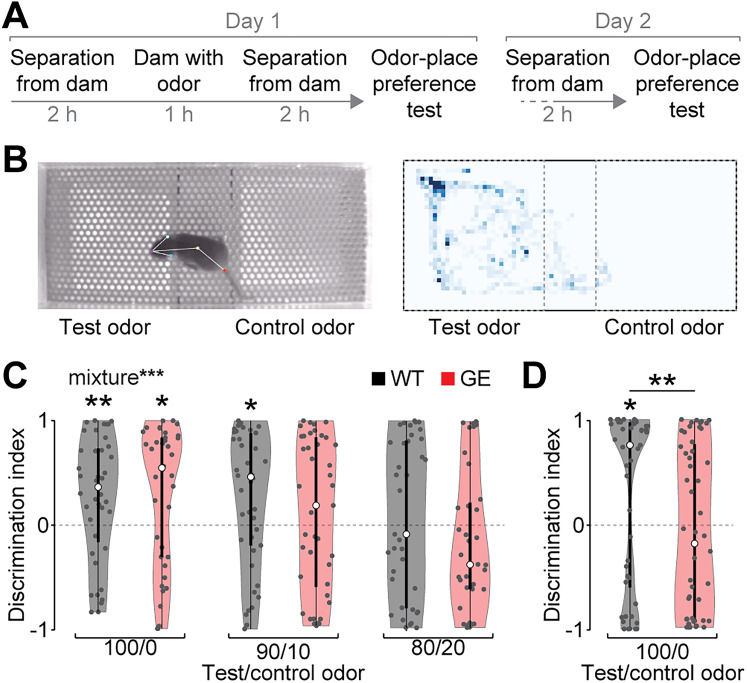
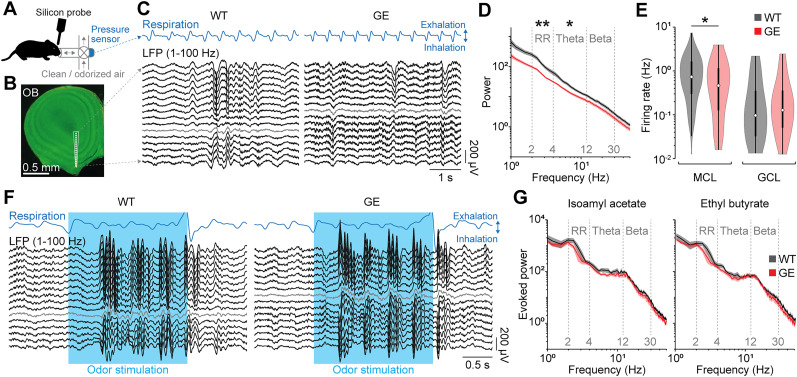
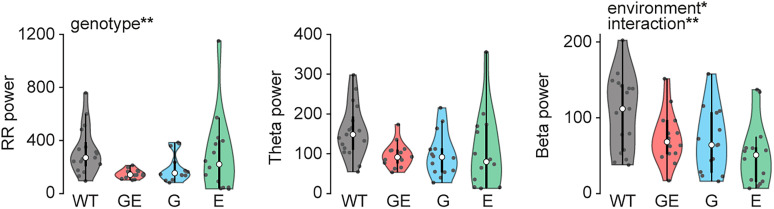
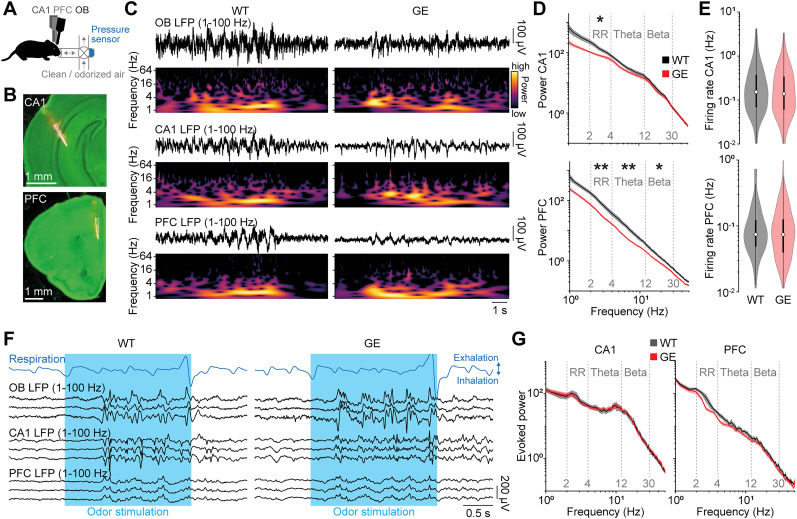
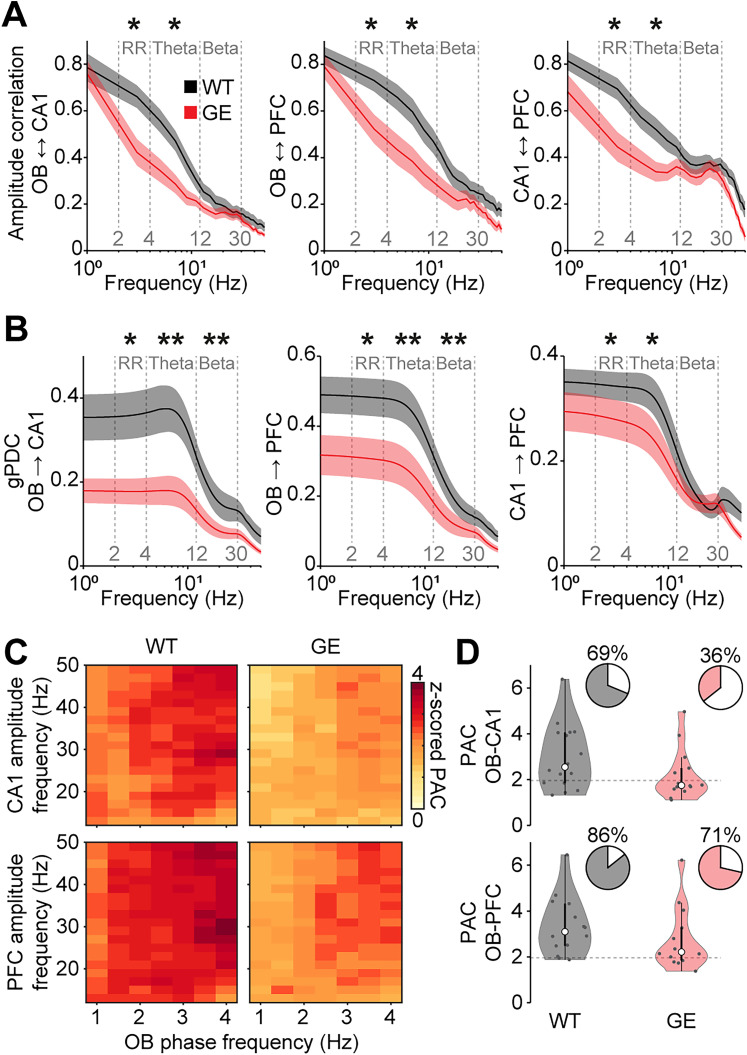
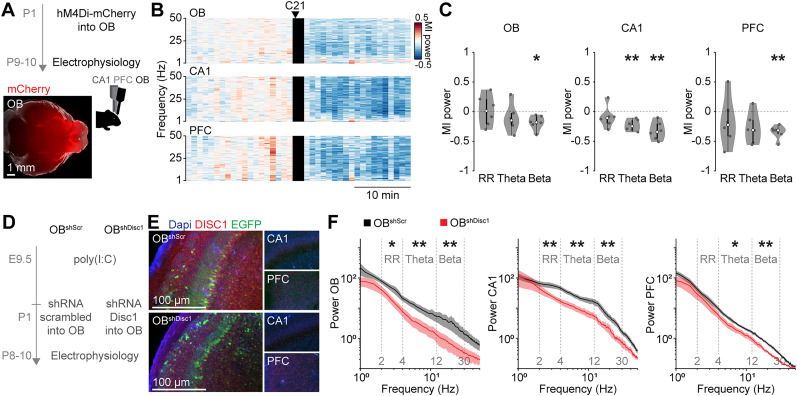
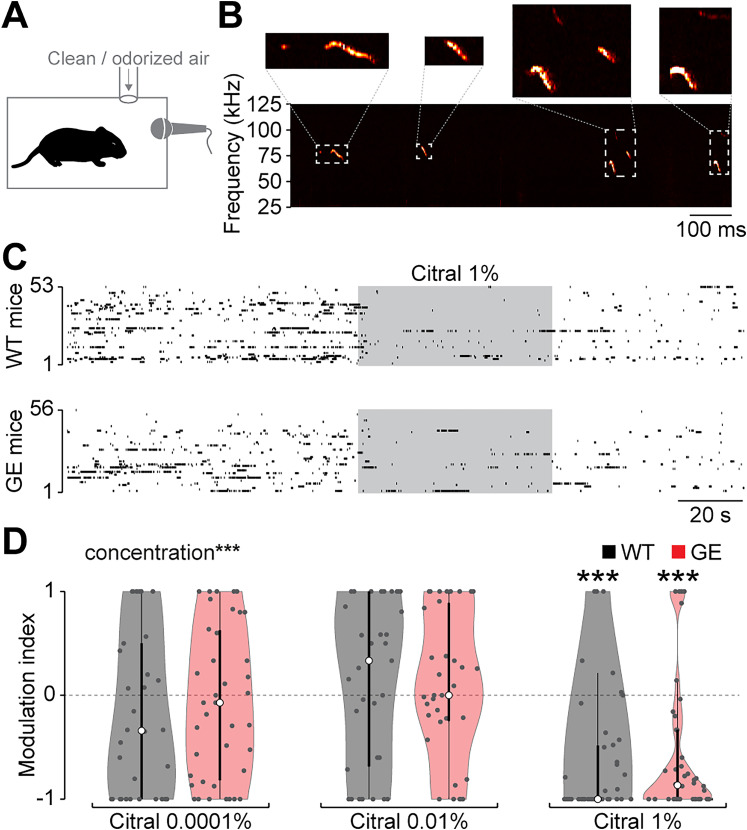
Neuronal activity in the olfactory bulb (OB) drives coordinated activity in the hippocampal-prefrontal network during early development. Inhibiting OB output in neonatal mice disrupts functional development of the hippocampal formation as well as cognitive abilities. These impairments manifest early in life and resemble dysfunctions of the hippocampus and the prefrontal cortex that have been linked to neuropsychiatric disorders. Thus, we investigated OB activity during early development in a disease mouse model and asked whether activity disruptions might contribute to the dysfunctional development of the hippocampal-prefrontal network. We addressed this question by combining in vivo electrophysiology with behavioral assessment of immune-challenged mice of both sexes that mimic the dual genetic-environmental etiology of neuropsychiatric disorders. In wild-type mice, we found high DISC1 expression levels in OB projection neurons during development. Furthermore, neuronal and network activity in the OB and the drive from the bulb to the hippocampal-prefrontal network were reduced in immune-challenged mice during early development. This early deficit did not affect odor-evoked activity and odor perception but resulted in impaired long-term odor memory. We propose that reduced spontaneous activity in the developing OB might contribute to altered maturation of the hippocampal-prefrontal network, leading to memory impairment in immune-challenged mice.
在早期发育过程中,嗅球(OB)中的神经元活动驱动海马体-前额叶网络中的协同活动。抑制新生小鼠的嗅球输出会破坏海马结构的功能发育以及认知能力。这些损伤在生命早期就会出现,类似于与神经精神疾病相关的海马体和前额叶皮质功能障碍。因此,我们在一种疾病小鼠模型中研究了早期发育过程中的嗅球活动,并询问活动中断是否可能导致海马体-前额叶网络的功能失调性发育。我们通过将体内电生理学与对模拟神经精神疾病双重遗传-环境病因的免疫应激雌雄小鼠的行为评估相结合来解决这个问题。在野生型小鼠中,我们发现发育过程中嗅球投射神经元中DISC1表达水平很高。此外,在早期发育过程中,免疫应激小鼠的嗅球中的神经元和网络活动以及从嗅球到海马体-前额叶网络的驱动都减少了。这种早期缺陷并不影响气味诱发的活动和气味感知,但会导致长期气味记忆受损。我们提出,发育中的嗅球自发活动减少可能导致海马体-前额叶网络成熟改变,从而导致免疫应激小鼠出现记忆障碍。