Anwar Ghydaa, Moustafa Ibrahim M, Ahbouch Amal, Alrahoomi Abdulla, Harrison Deed E
Department of Physiotherapy, College of Health Sciences, University of Sharjah, Sharjah, 27272, United Arab Emirates.
Neuromusculoskeletal Rehabilitation Research Group, RIMHS-Research Institute of Medical and Health Sciences, University of Sharjah, Sharjah, 27272, United Arab Emirates.
Sci Rep. 2025 May 30;15(1):18986. doi: 10.1038/s41598-025-04187-x.
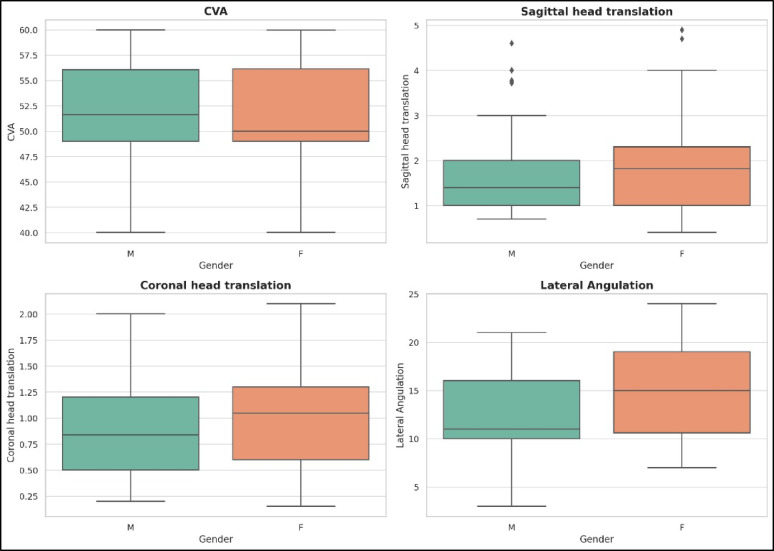
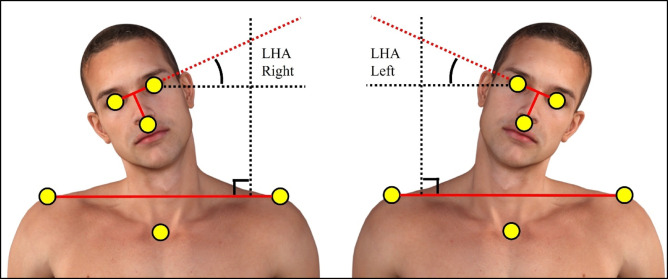
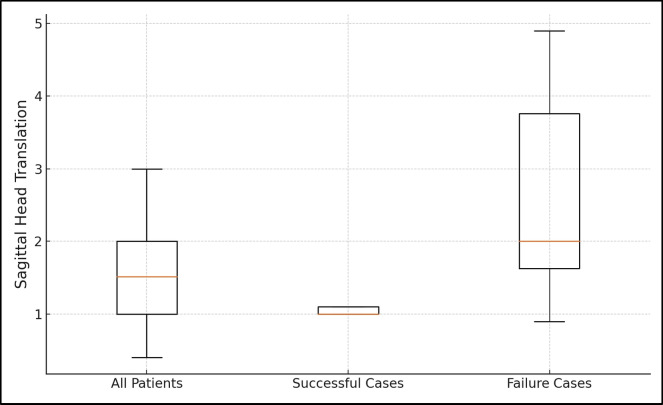
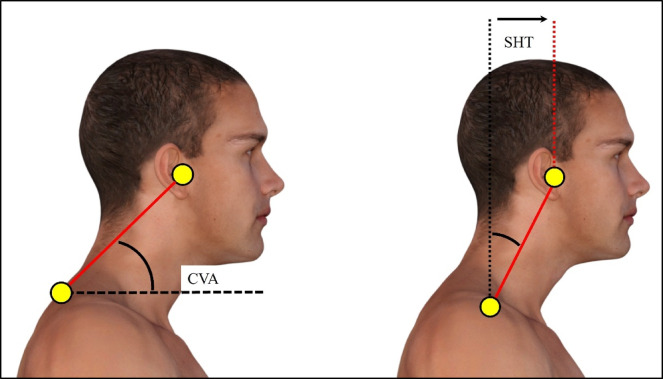
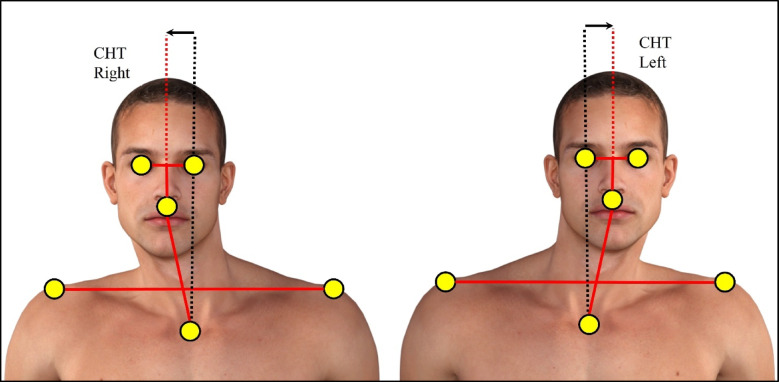
A multicenter, prospective consecutive case series study was conducted in 5 physiotherapy clinics in the UAE from January 2021 to March 2023 to assess rotations and translations of head posture parameters as potential predictors of conservative therapy outcomes in patients with chronic non-specific neck pain (CNSNP). Eighty-six patients (mean age 35 yrs., 65% male) with CNSNP underwent conservative therapy. All participants received a detailed examination including a computerized cervical spine posture analysis and demographic data was collected. Interventions included specific exercises, diathermy, longitudinal traction, education, a detailed exercise program, ergonomic advice, and medications. Interventions were applied 3 times per week for 8 weeks. Follow-up was 6-months after final treatment. A successful outcome was based on a minimum improvement of the following four outcomes using the patient centered outcome questionnaire (PCOQ): (1) reduction of pain by 17.5 points (0-100 NRS); (2) fatigue reduction by 7.5 points; (3) distress reduction by 5 points; and (4) interference reduction by 9.5 points. At 6-month follow-up it was found that success rates for pain, fatigue, distress, and interference were above 60% for the total participants. The logistic regression for predicting overall success in combined outcomes based on age, gender, smoking status, marital status, and sagittal head translation was: (1) Age: the odds ratio (0.69) suggests that as age increases, the likelihood of overall success decreases (p = 0.001); (2) Sex: females have higher odds of overall success compared to males (OR = 2.71, p < 0.001); (3) Smoking status and marital status: neither of these factors were statistically significant predictors of overall success; (4) Sagittal head translation: each unit increase (more anterior) in this abnormal posture reduced the odds of success by 13%, showing a strong and significant effect (OR = 0.13, p < 0.001). Overall, our findings indicate that younger age, female sex, and less sagittal head translation all had a statistically significant impact on the likelihood of success of 6-month outcomes in patients suffering CNSNP.
2021年1月至2023年3月,在阿联酋的5家物理治疗诊所进行了一项多中心、前瞻性连续病例系列研究,以评估头部姿势参数的旋转和移位,作为慢性非特异性颈部疼痛(CNSNP)患者保守治疗结果的潜在预测指标。86例CNSNP患者(平均年龄35岁,65%为男性)接受了保守治疗。所有参与者都接受了详细检查,包括计算机化颈椎姿势分析,并收集了人口统计学数据。干预措施包括特定锻炼、透热疗法、纵向牵引、教育、详细的锻炼计划、人体工程学建议和药物治疗。干预措施每周进行3次,共8周。随访在最后一次治疗后6个月进行。成功的结果基于使用以患者为中心的结果问卷(PCOQ)对以下四个结果的最小改善:(1)疼痛减轻17.5分(0-100数字评分量表);(2)疲劳减轻7.5分;(3)痛苦减轻5分;(4)干扰减轻9.5分。在6个月的随访中发现,所有参与者在疼痛、疲劳、痛苦和干扰方面的成功率均高于60%。基于年龄、性别、吸烟状况、婚姻状况和矢状头移位预测综合结果总体成功的逻辑回归分析如下:(1)年龄:优势比(0.69)表明,随着年龄的增加,总体成功的可能性降低(p = 0.001);(2)性别:女性总体成功的几率高于男性(OR = 2.71,p < 0.001);(3)吸烟状况和婚姻状况:这两个因素均不是总体成功的统计学显著预测指标;(4)矢状头移位:这种异常姿势每增加一个单位(更靠前),成功的几率就降低13%,显示出强烈且显著的影响(OR = 0.13,p < 0.001)。总体而言,我们的研究结果表明,年龄较小、女性以及矢状头移位较少,对CNSNP患者6个月结果成功的可能性均有统计学显著影响。