Li Kuiyin, Cong Chunlei, Wang Yingjian, Zhang Hailing, Li Yong, Xiao Jie, Ding Yanqing, Zhang Lai
College of Agriculture, Anshun University, Anshun, 561000, P. R. China.
Institute of Upland Food Crops, Guizhou Academy of Agricultural Sciences, Guiyang, Guizhou, 550006, P. R. China.
BMC Genomics. 2025 May 30;26(1):549. doi: 10.1186/s12864-025-11657-z.
The bHLH transcription factor is prevalent across the plant kingdom and is crucial for various abiotic stress responses in different plant species. Tritipyrum, an octoploid created from an intergeneric cross between Triticum aestivum (AABBDD) and Thinopyrum elongatum (EE), serves as a significant source of germplasm, facilitating the incorporation of desirable traits from Th. elongatum into T. aestivum. With the recent availability of the complete genome sequences of T. aestivum and Th. elongatum, it has become feasible to investigate the organization and expression patterns of bHLH genes within the Tritipyrum genome.
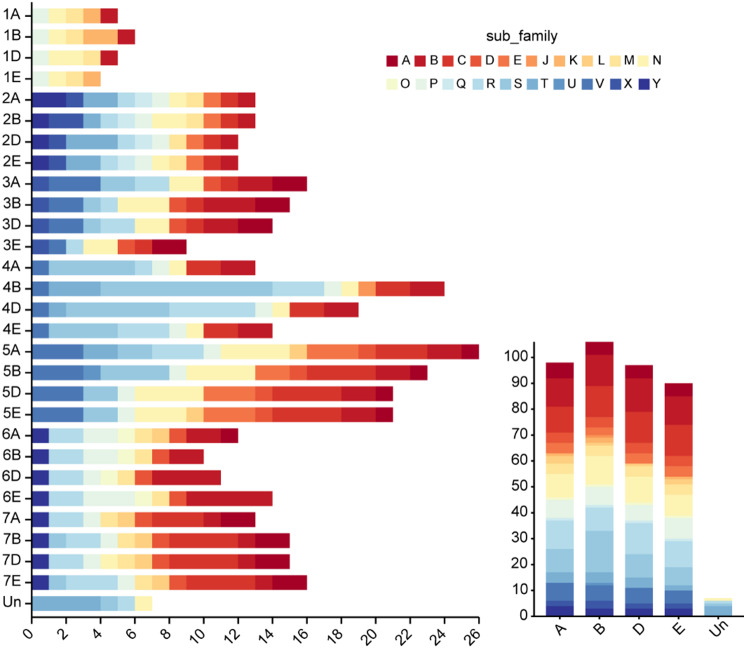
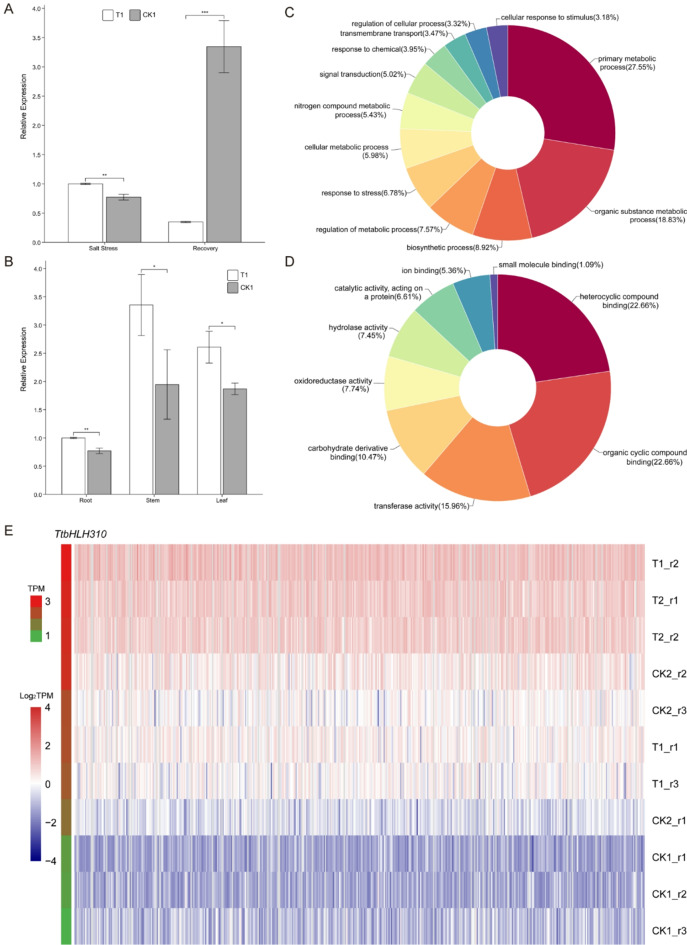
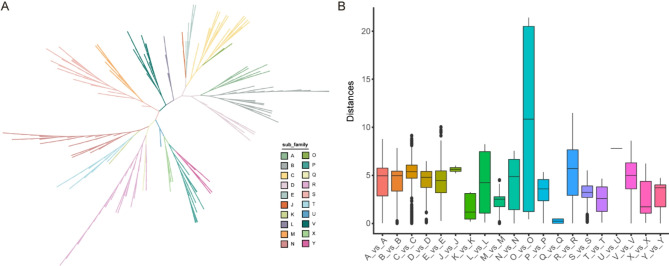
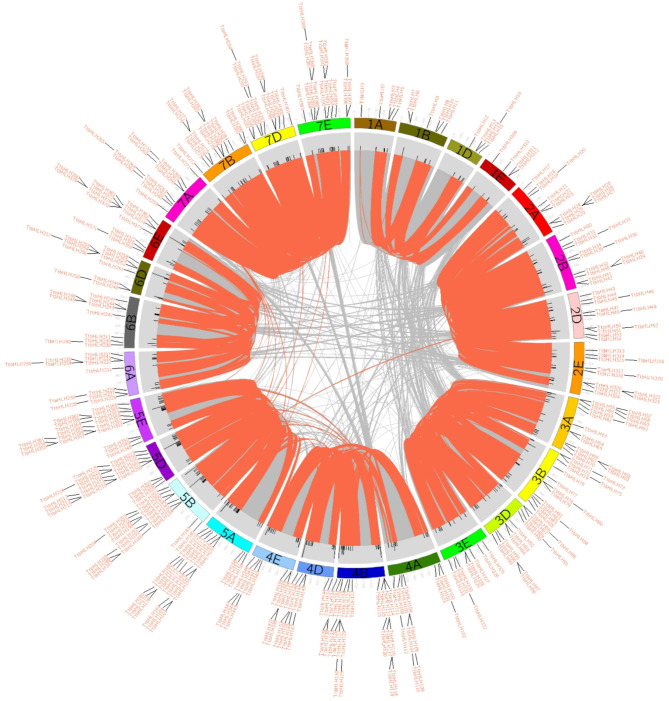
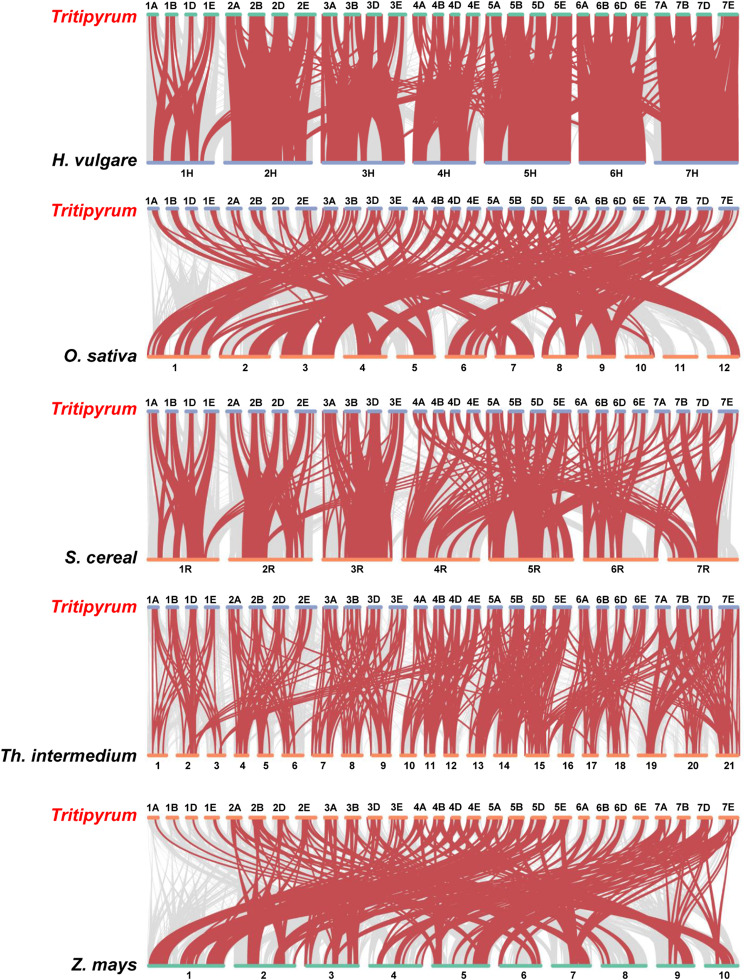
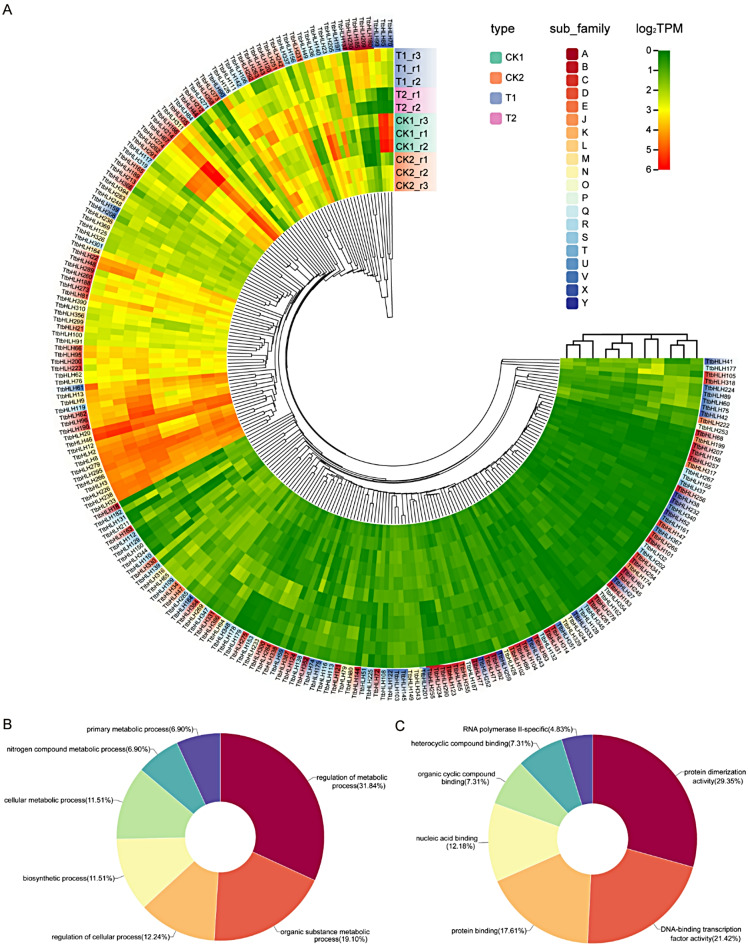
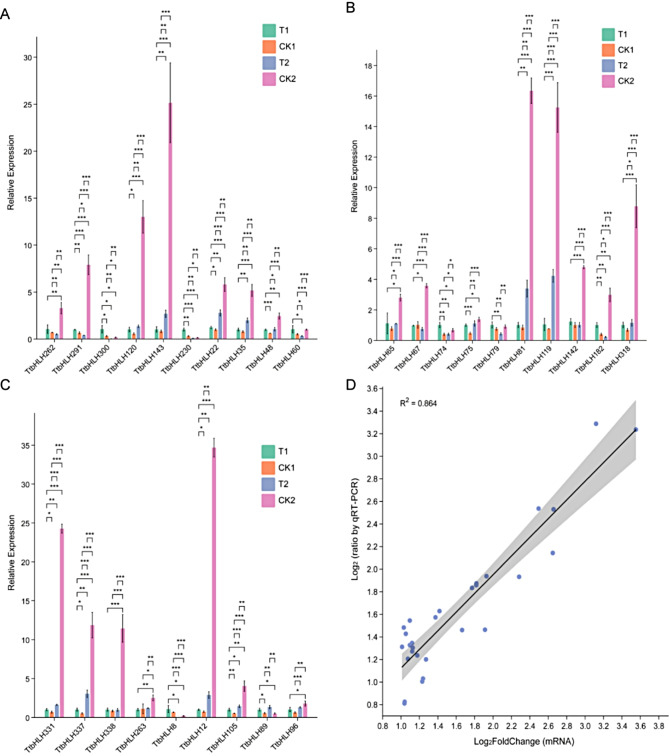
In this study, a total of 398 bHLH genes (TtbHLH) were identified within the Tritipyrum genome. These genes were classified into twenty major groups based on evolutionary analysis, indicating that they share conserved motif compositions. The TtbHLH genes are distributed across 28 chromosomes and include 67 duplication events. Synteny analysis suggests a common ancestral lineage for the bHLH gene family. Transcriptome data and quantitative polymerase chain reaction (qPCR) expression profiling identified 29 TtbHLH genes with significantly elevated expression levels in response to various salt-stress conditions and recovery treatments. Notably, Tel1E01T336100 (TtbHLH310) demonstrated a pronounced sensitivity to salt stress and is phylogenetically related to the salt-tolerant gene AtbHLH6 in Arabidopsis thaliana. Additionally, Pearson correlation analysis revealed 485 genes that exhibited a strong positive correlation (R > 0.9) with TtbHLH310 expression, which was enriched in pathways related to metabolic activities, cellular processes, stimulus responses, and biological regulation. Further analysis through real-time PCR confirmed that TtbHLH310 is highly expressed in the roots, stems, and leaves under salt-stress conditions.
The findings indicate that TtbHLH310 may play a pivotal role in enhancing salt stress tolerance in plants. Its strong expression in response to salt stress highlights its potential as a valuable foreign gene for improving salt tolerance in wheat. These insights contribute to our understanding of the molecular mechanisms underpinning abiotic stress responses in Tritipyrum and may aid in the development of more resilient wheat varieties.
bHLH转录因子在植物界广泛存在,对不同植物物种的各种非生物胁迫反应至关重要。小麦 - 偃麦草(Tritipyrum)是由普通小麦(Triticum aestivum,AABBDD)与长穗偃麦草(Thinopyrum elongatum,EE)属间杂交产生的八倍体,是重要的种质资源,有助于将长穗偃麦草的优良性状导入普通小麦。随着普通小麦和长穗偃麦草全基因组序列的公布,研究小麦 - 偃麦草基因组中bHLH基因的组织和表达模式成为可能。
本研究在小麦 - 偃麦草基因组中鉴定出398个bHLH基因(TtbHLH)。基于进化分析,这些基因被分为20个主要类别,表明它们具有保守的基序组成。TtbHLH基因分布在28条染色体上,包括67个重复事件。共线性分析表明bHLH基因家族有共同的祖先谱系。转录组数据和定量聚合酶链反应(qPCR)表达谱分析确定了29个TtbHLH基因在各种盐胁迫条件和恢复处理下表达水平显著升高。值得注意的是,Tel1E01T336100(TtbHLH310)对盐胁迫表现出明显的敏感性,并且在系统发育上与拟南芥中的耐盐基因AtbHLH6相关。此外,Pearson相关性分析揭示了485个与TtbHLH310表达呈强正相关(R>0.9)的基因,这些基因富集于与代谢活动、细胞过程、刺激反应和生物调节相关的途径。通过实时PCR进一步分析证实,TtbHLH310在盐胁迫条件下在根、茎和叶中高表达。
研究结果表明,TtbHLH310可能在增强植物耐盐性方面起关键作用。其在盐胁迫下的强烈表达突出了其作为提高小麦耐盐性的有价值外源基因的潜力。这些见解有助于我们理解小麦 - 偃麦草非生物胁迫反应的分子机制,并可能有助于培育更具抗性的小麦品种。