Zhang Shuyi, Sha Jiaojiao, Jiang Tao, Lu Zhou, Shi Yulin, Xu Jiatuo
School of Traditional Chinese Medicine, Shanghai University of Traditional Chinese Medicine, Shanghai, China.
Sichuan College of Traditional Chinese Medicine, Sichuan Province, China.
Digit Health. 2025 May 29;11:20552076251346674. doi: 10.1177/20552076251346674. eCollection 2025 Jan-Dec.
To establish a nomogram prediction model for patients with chronic obstructive pulmonary disease (COPD) based on Lasso feature screening using acoustic features and general clinical data, as well as a risk warning model for patients with acute exacerbation of COPD (AECOPD), and to investigate the performance and value of these two models.
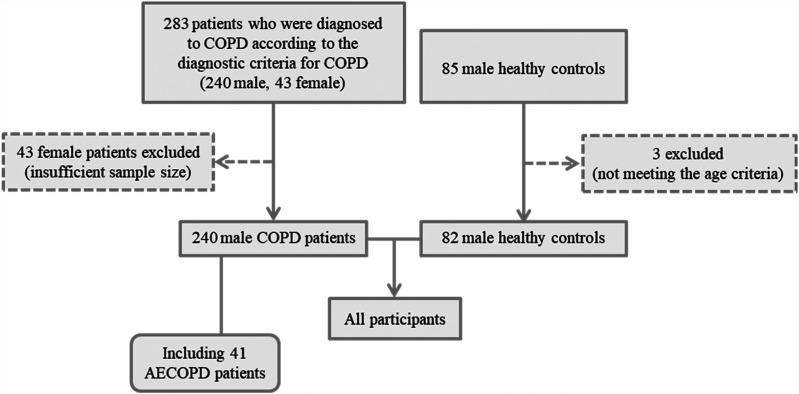
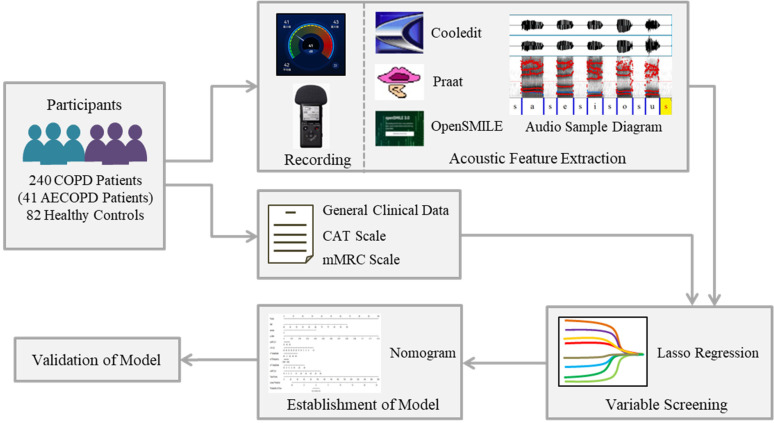
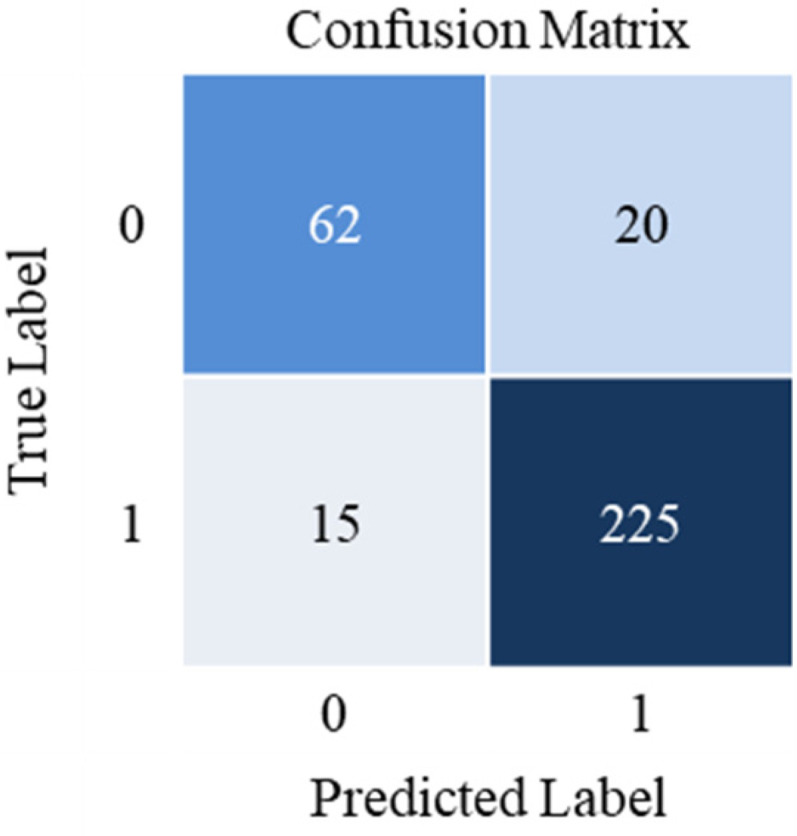
A total of 240 male COPD patients, including 41 patients with acute exacerbation, and 82 healthy control male volunteers were enrolled as subjects from October 2022 to January 2024. Acoustic features and general clinical data were collected. Lasso regression was used to screen variables related to COPD and AECOPD diagnosis, and nomogram models were separately established and verified by the receiver operating characteristic (ROC) curve, calibration curve, and decision curve.
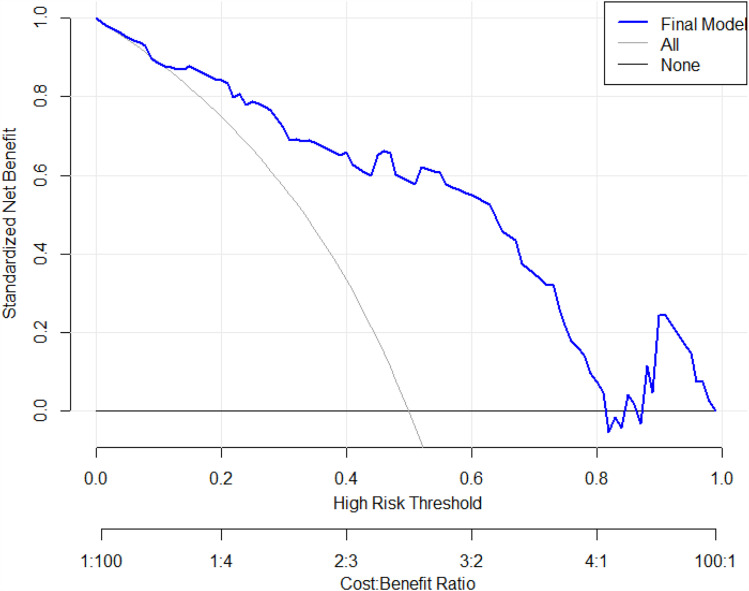
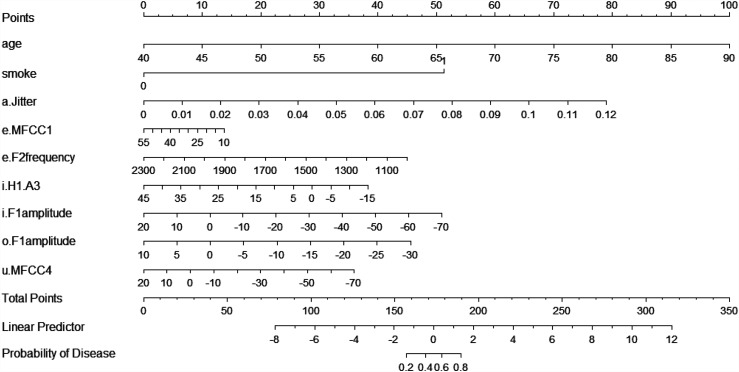
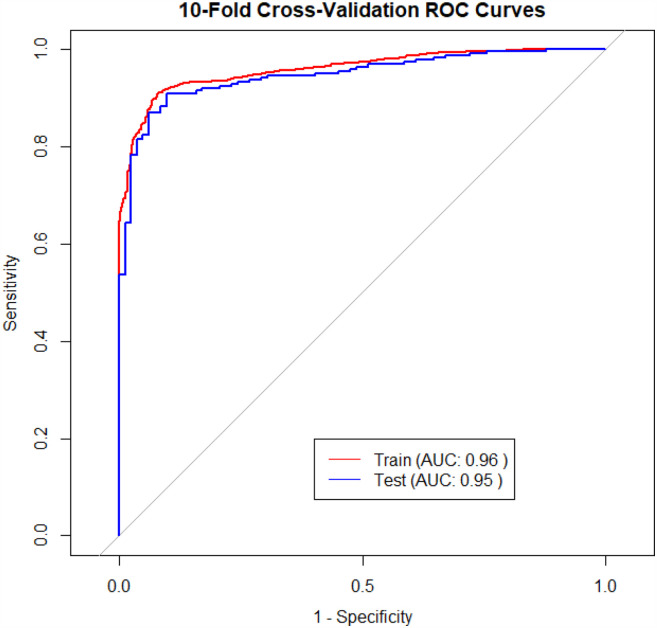
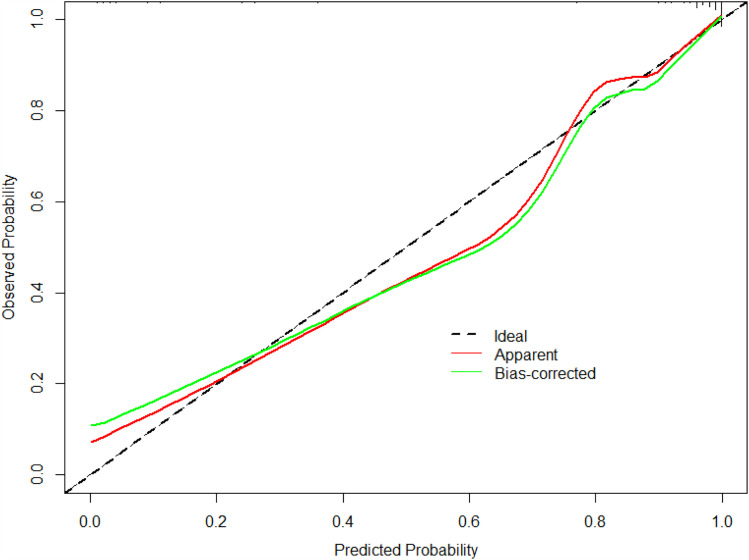
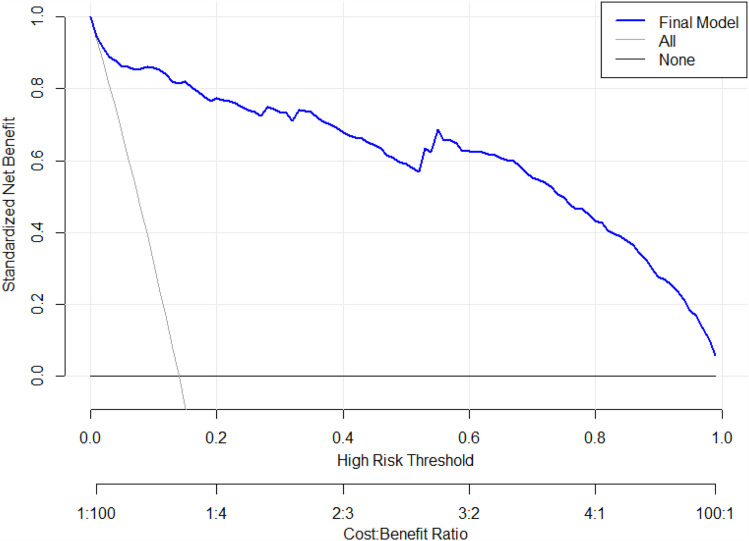
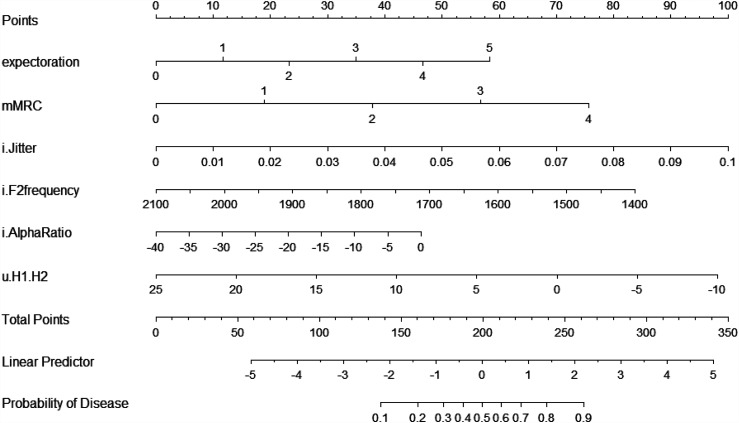
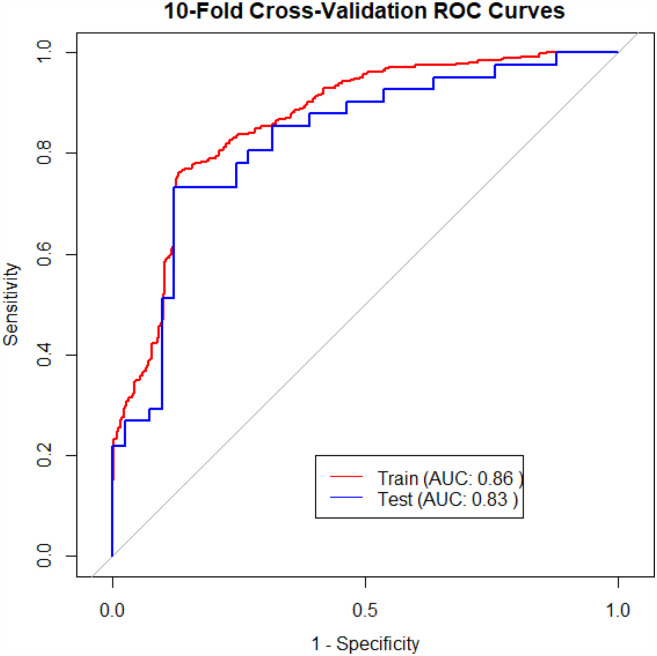
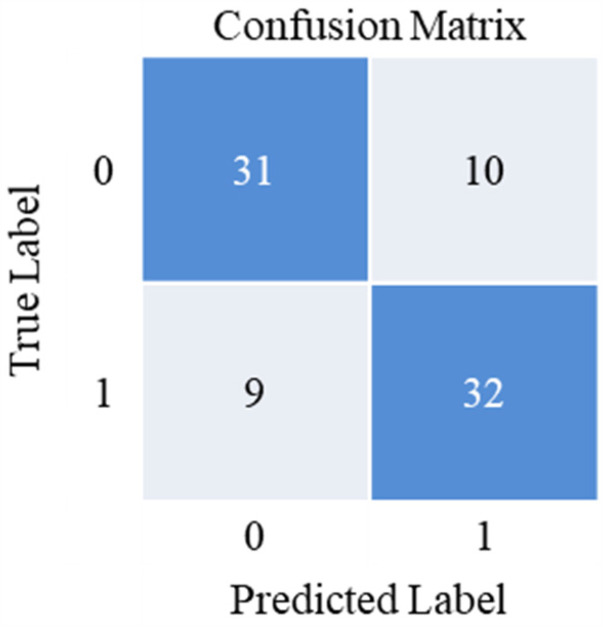
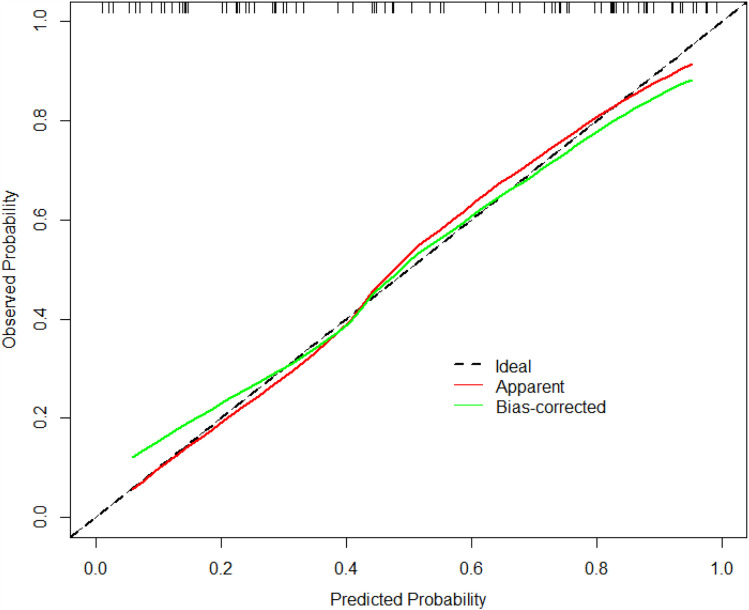
Variables related to COPD diagnosis screened by Lasso regression included age, smoking history, a_Jitter, e_MFCC1, e_F2 frequency, i_H1-A3, i_F1 amplitude, o_F1 amplitude, and u_MFCC4, and the variables related to AECOPD included expectoration, mMRC grade, i_Jitter, i_F2 frequency, i_Alpha Ratio, and u_H1-H2. The ROC Curve showed that the Area Under the Curve (AUC) of the COPD nomogram model was 0.95, and the AUC of the AECOPD risk warning model was 0.83. The calibration curve indicated that nomogram models showed reasonable consistency, and the Mean Absolute Error (MAE) values were 0.026 and 0.028, respectively. The decision curve indicated that nomogram models showed good benefit, and the benefit thresholds were nearly full threshold, and 0.11-81 and 0.88-0.99, respectively.
The nomogram models for COPD prediction and risk warning of AECOPD can be used as a clinical auxiliary diagnostic and early screening method, providing new insights into the intelligent auscultation of COPD.
基于Lasso特征筛选,利用声学特征和一般临床数据,建立慢性阻塞性肺疾病(COPD)患者的列线图预测模型以及慢性阻塞性肺疾病急性加重(AECOPD)患者的风险预警模型,并探究这两种模型的性能和价值。
2022年10月至2024年1月,共纳入240例男性COPD患者(其中41例为急性加重患者)以及82名健康男性志愿者作为研究对象。收集声学特征和一般临床数据。采用Lasso回归筛选与COPD及AECOPD诊断相关的变量,并分别建立列线图模型,通过受试者工作特征(ROC)曲线、校准曲线和决策曲线进行验证。
经Lasso回归筛选出的与COPD诊断相关的变量包括年龄、吸烟史、a_Jitter、e_MFCC1、e_F2频率、i_H1 - A3、i_F1幅度、o_F1幅度和u_MFCC4,与AECOPD相关的变量包括咳痰、mMRC分级、i_Jitter、i_F2频率、i_Alpha Ratio和u_H1 - H2。ROC曲线显示,COPD列线图模型的曲线下面积(AUC)为0.95,AECOPD风险预警模型的AUC为0.83。校准曲线表明列线图模型具有合理的一致性,平均绝对误差(MAE)值分别为0.026和0.028。决策曲线表明列线图模型具有良好的效益,效益阈值分别接近全阈值以及0.11 - 81和0.88 - 0.99。
COPD预测和AECOPD风险预警的列线图模型可作为临床辅助诊断和早期筛查方法,为COPD的智能听诊提供新的思路。