Shabaninejad Zahra, Dehshiri Mahdiyar, Modarres Mousavi Sayed Mostafa, Nikkhah Maryam, Shirian Sadegh, Moradi Sajad, Nabavizadeh S Masoud
Department of Nanobiotechnology, Faculty of Biological Sciences, Tarbiat Modares University, P.O. Box 14115-154, Tehran, Iran.
Department of Pathology, Faculty of Veterinary Medicine, Shahrekord University, Shahrekord, Iran.
Bioinorg Chem Appl. 2025 May 25;2025:2673015. doi: 10.1155/bca/2673015. eCollection 2025.
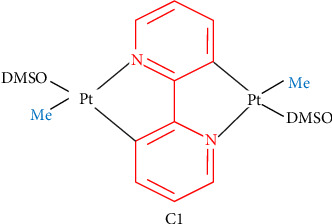
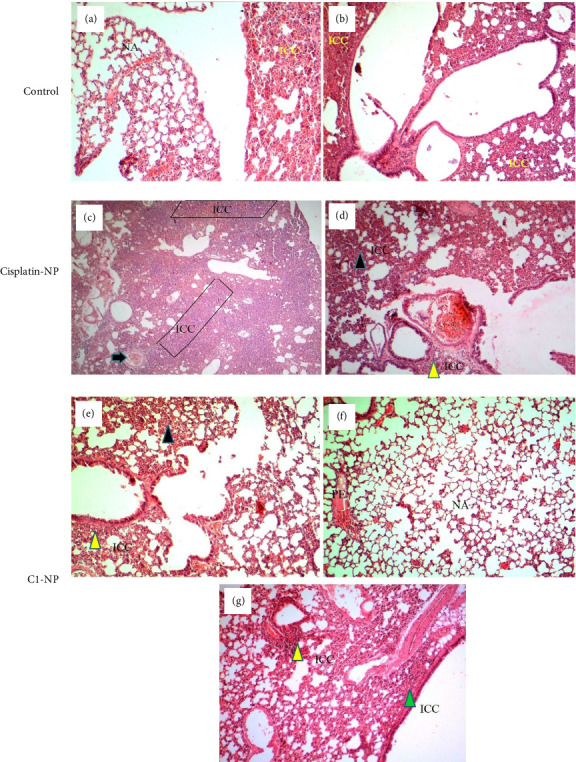
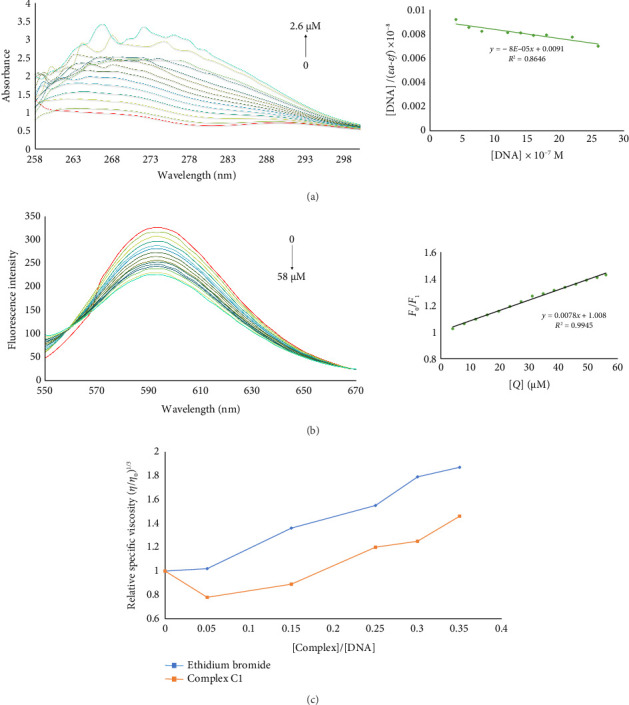
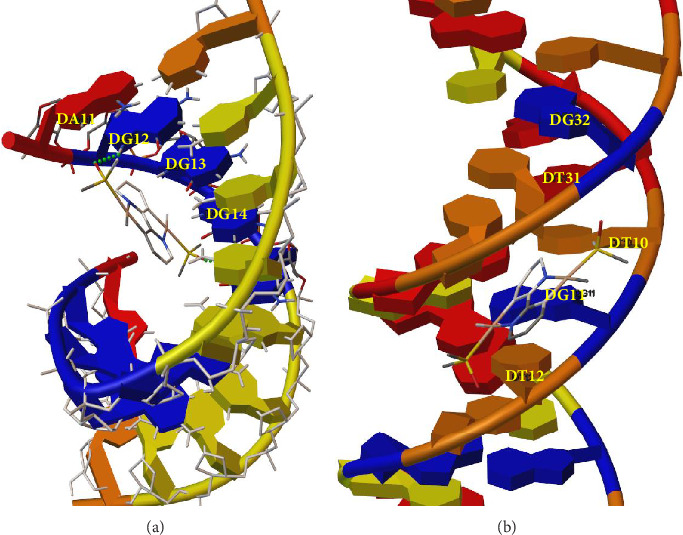
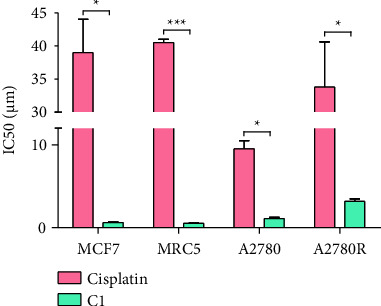
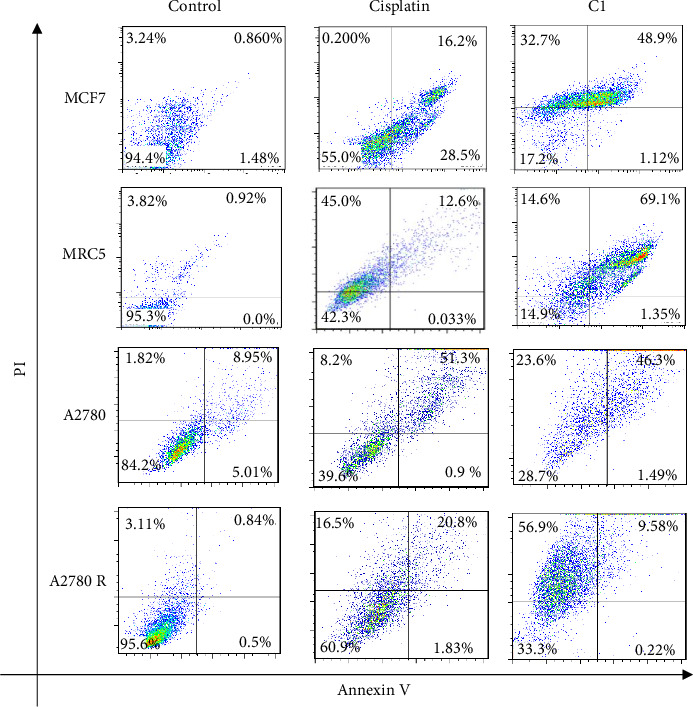
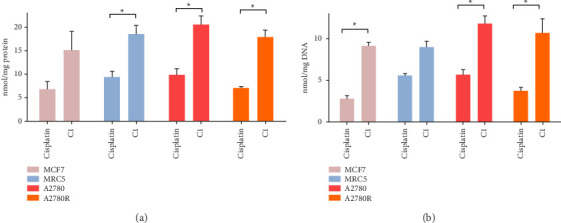
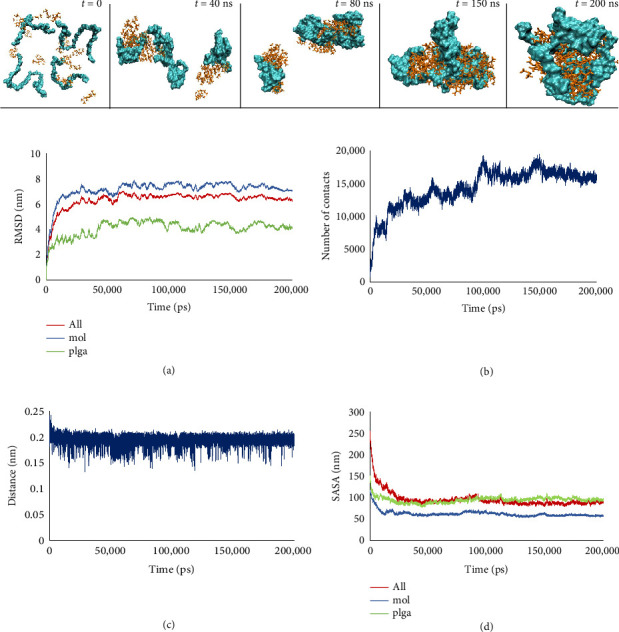
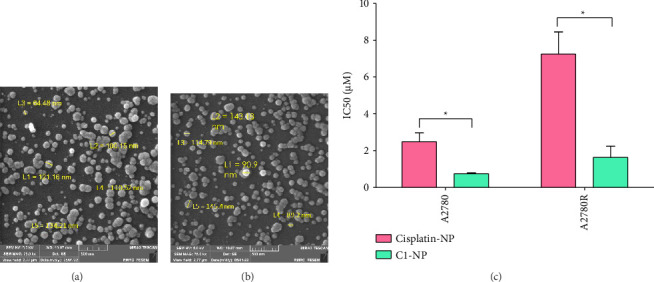
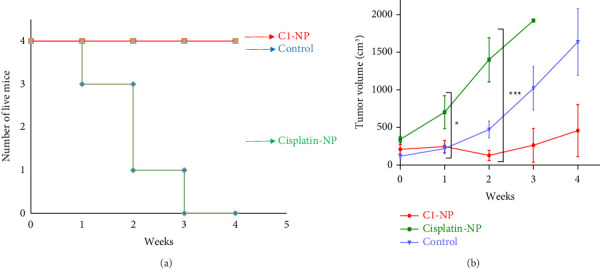
In recent years, the development of multinuclear platinum complexes has introduced a new era in platinum-based chemotherapy, offering improved cytotoxicity and the ability to overcome resistance. However, these complexes still face challenges related to water solubility, biodistribution, and targeted delivery. This study provides a comprehensive investigation of a novel platinum (II) complex, [Pt(μ-bpy-2H) (Me)(dmso)] (C1), focusing on its DNA binding ability and anticancer activity. Computational and experimental approaches revealed that C1 binding to guanine bases and involvement of intercalative interactions. C1 exhibited cytotoxicity in both cisplatin sensitive and resistant cancer cell lines. To enhance the pharmacokinetic and pharmacodynamic properties of C1, it was encapsulated using poly (D, L-lactic-co-glycolic acid) (PLGA). Molecular dynamic simulations predicted the formation of stable C1/PLGA complexes during the early stages of simulation. Encapsulated C1 showed superior antitumor activity with significantly reduced side effects in tumor-bearing mouse models. In conclusion, this study highlights the novel platinum (II) complex C1 as a promising anticancer agent, especially when paired with PLGA encapsulation to improve its effectiveness and reduce side effects.
近年来,多核铂配合物的发展开创了铂基化疗的新纪元,具有更高的细胞毒性以及克服耐药性的能力。然而,这些配合物在水溶性、生物分布和靶向递送方面仍面临挑战。本研究全面考察了一种新型铂(II)配合物[Pt(μ-bpy-2H)(Me)(dmso)](C1),重点关注其与DNA的结合能力和抗癌活性。计算和实验方法表明,C1与鸟嘌呤碱基结合并存在插入相互作用。C1在顺铂敏感和耐药癌细胞系中均表现出细胞毒性。为提高C1的药代动力学和药效学性质,使用聚(D,L-乳酸-乙醇酸)(PLGA)对其进行包封。分子动力学模拟预测在模拟早期会形成稳定的C1/PLGA配合物。包封后的C1在荷瘤小鼠模型中显示出优异的抗肿瘤活性,且副作用显著降低。总之,本研究突出了新型铂(II)配合物C1作为一种有前景的抗癌药物,特别是与PLGA包封结合使用时,可提高其有效性并减少副作用。