
聚合物纳米颗粒——癌症治疗的理想载体
Polymeric nanoparticles-Promising carriers for cancer therapy.
作者信息
Xiao Xiao, Teng Fei, Shi Changkuo, Chen Junyu, Wu Shuqing, Wang Bao, Meng Xiang, Essiet Imeh Aniekan, Li Wenliang
机构信息
School of Pharmacy, Jilin Medical University, Jilin, China.
School of Chemistry and Environmental Engineering, Changchun University of Science and Technology, Changchun, China.
出版信息
Front Bioeng Biotechnol. 2022 Oct 7;10:1024143. doi: 10.3389/fbioe.2022.1024143. eCollection 2022.
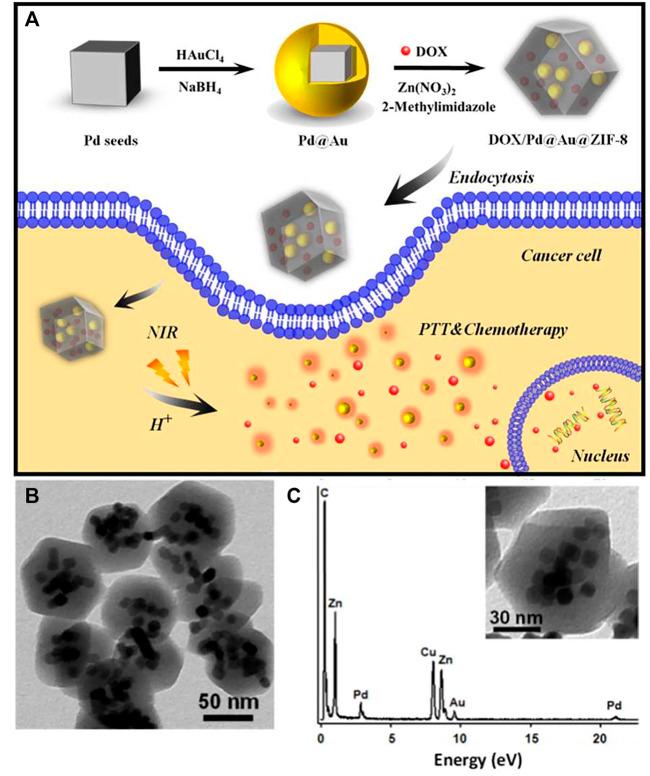
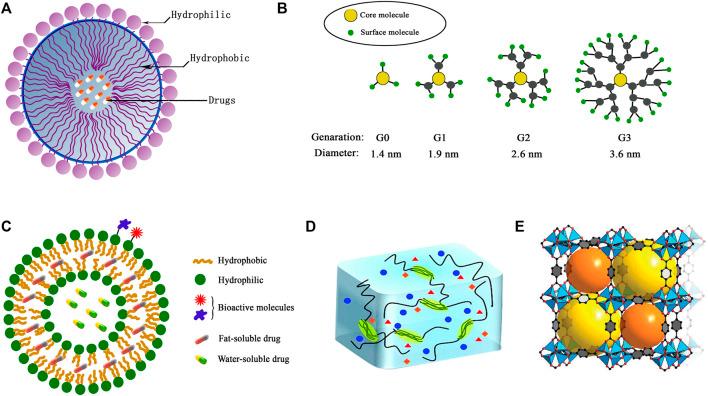
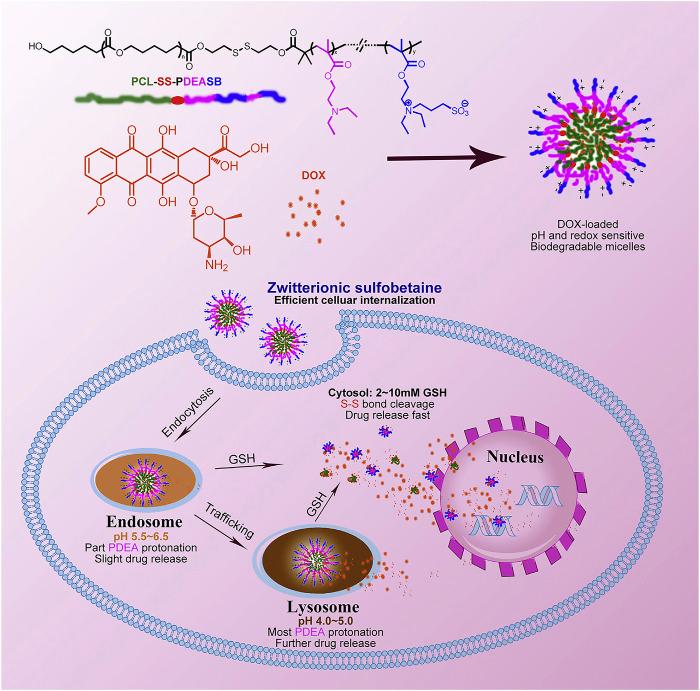
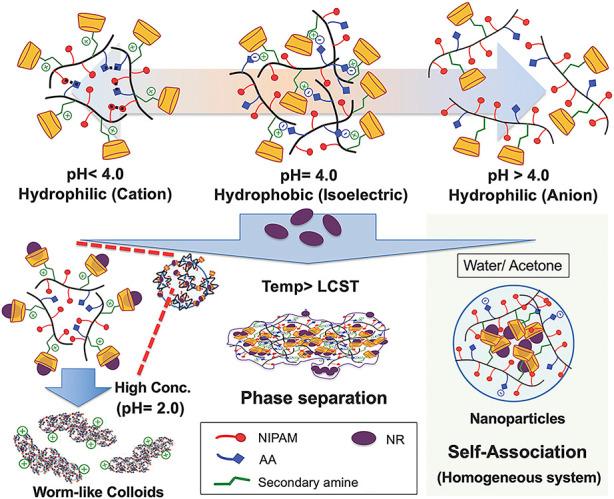
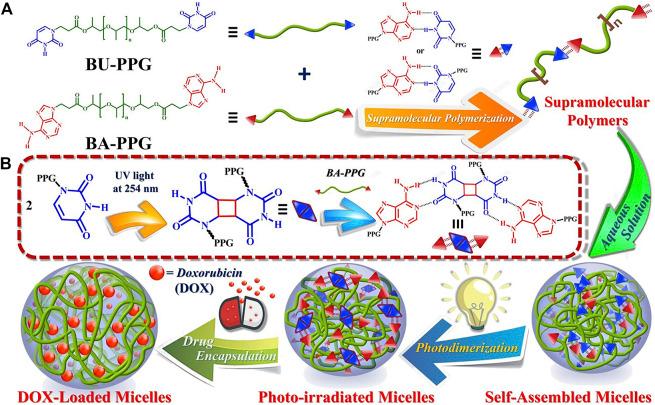
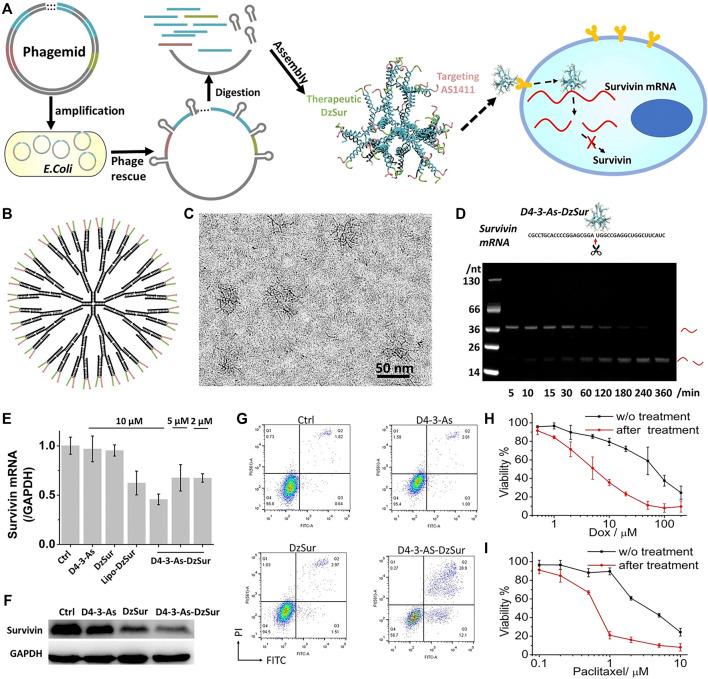
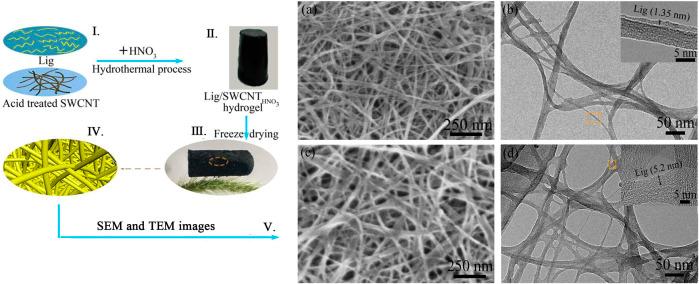
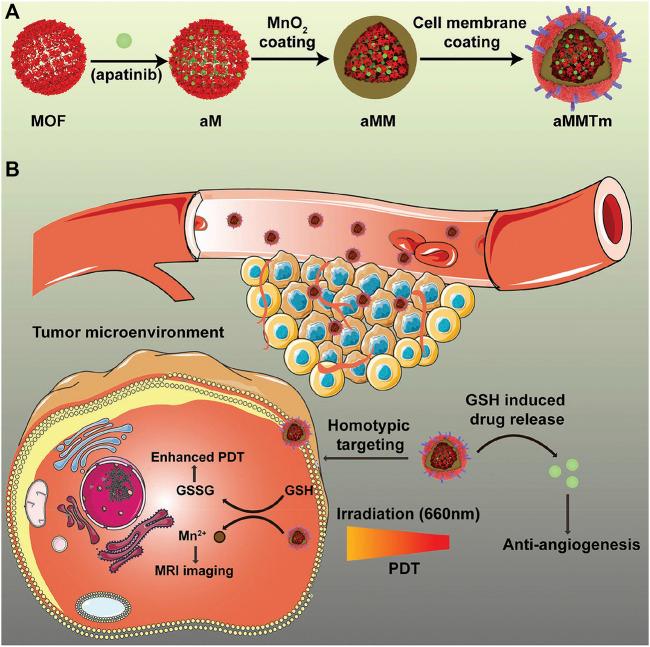
Polymeric nanoparticles (NPs) play an important role in controlled cancer drug delivery. Anticancer drugs can be conjugated or encapsulated by polymeric nanocarriers, which are known as polymeric nanomedicine. Polymeric nanomedicine has shown its potential in providing sustained release of drugs with reduced cytotoxicity and modified tumor retention, but until now, few delivery systems loading drugs have been able to meet clinical demands, so more efforts are needed. This research reviews the current state of the cancer drug-loading system by exhibiting a series of published articles that highlight the novelty and functions from a variety of different architectures including micelles, liposomes, dendrimers, polymersomes, hydrogels, and metal-organic frameworks. These may contribute to the development of useful polymeric NPs to achieve different therapeutic purposes.
聚合物纳米颗粒(NPs)在癌症药物的控释中发挥着重要作用。抗癌药物可以与聚合物纳米载体结合或被其包裹,这就是所谓的聚合物纳米药物。聚合物纳米药物已显示出其在提供药物缓释方面的潜力,同时具有降低的细胞毒性和改善的肿瘤滞留性,但到目前为止,很少有载药递送系统能够满足临床需求,因此还需要做出更多努力。本研究通过展示一系列已发表的文章来回顾癌症载药系统的现状,这些文章突出了来自各种不同结构(包括胶束、脂质体、树枝状大分子、聚合物囊泡、水凝胶和金属有机框架)的新颖性和功能。这些可能有助于开发有用的聚合物纳米颗粒以实现不同的治疗目的。
 Zotero 插件