Shanshan Jiang, Shu Pan, Xiao Hu, Kuerban Kudelaidi, Hao Zhu, Yujie Wang, Rong Wang, Yuhuan Shi, Yongfang Yuan
Department of Pharmacy, Shanghai Ninth People's Hospital, Shanghai JiaoTong University School of Medicine, Shanghai, China.
State Key Laboratory of New Drug and Pharmaceutical Process, Shanghai Institute of Pharmaceutical Industry, China State Institute of Pharmaceutical Industry, Shanghai, China.
Front Pharmacol. 2025 May 19;16:1555849. doi: 10.3389/fphar.2025.1555849. eCollection 2025.
Diabetic nephropathy (DN) is a severe complication of diabetes, which has been increasingly associated with gut microbiota dysbiosis and inflammatory dysregulation.
This study investigates the dual therapeutic potential of diosgenin (DIO), a steroidal sapogenin, in modulating the gut-kidney axis and NLRP3 inflammasome activity in a streptozotocin (STZ)-induced DN rat model.
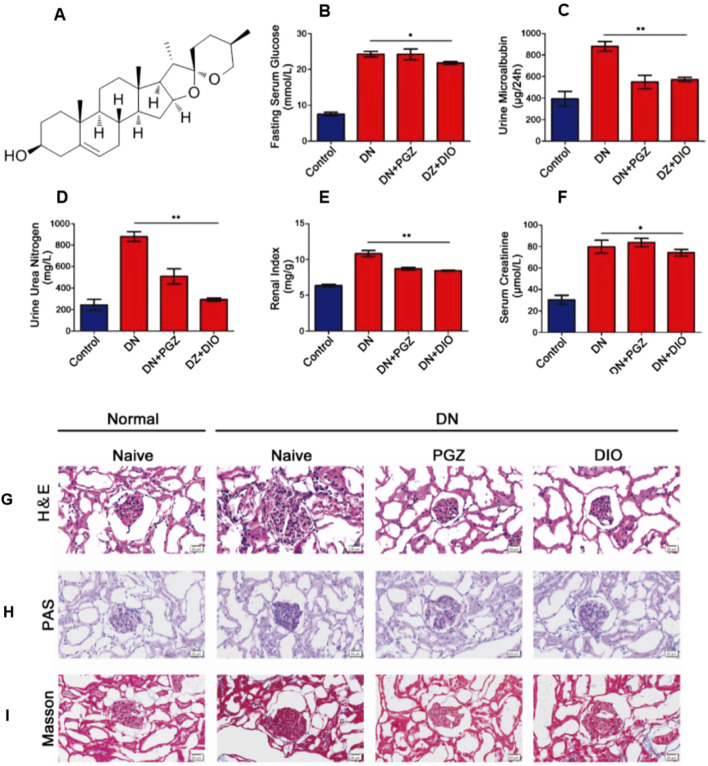
Oral DIO administration (20 mg/kg, 8 weeks) was used to treat the DN rats. The study assessed the effects on metabolic and renal function parameters, renal apoptosis and fibrosis, gut microbiota diversity, and NLRP3 inflammasome activation in the kidney.
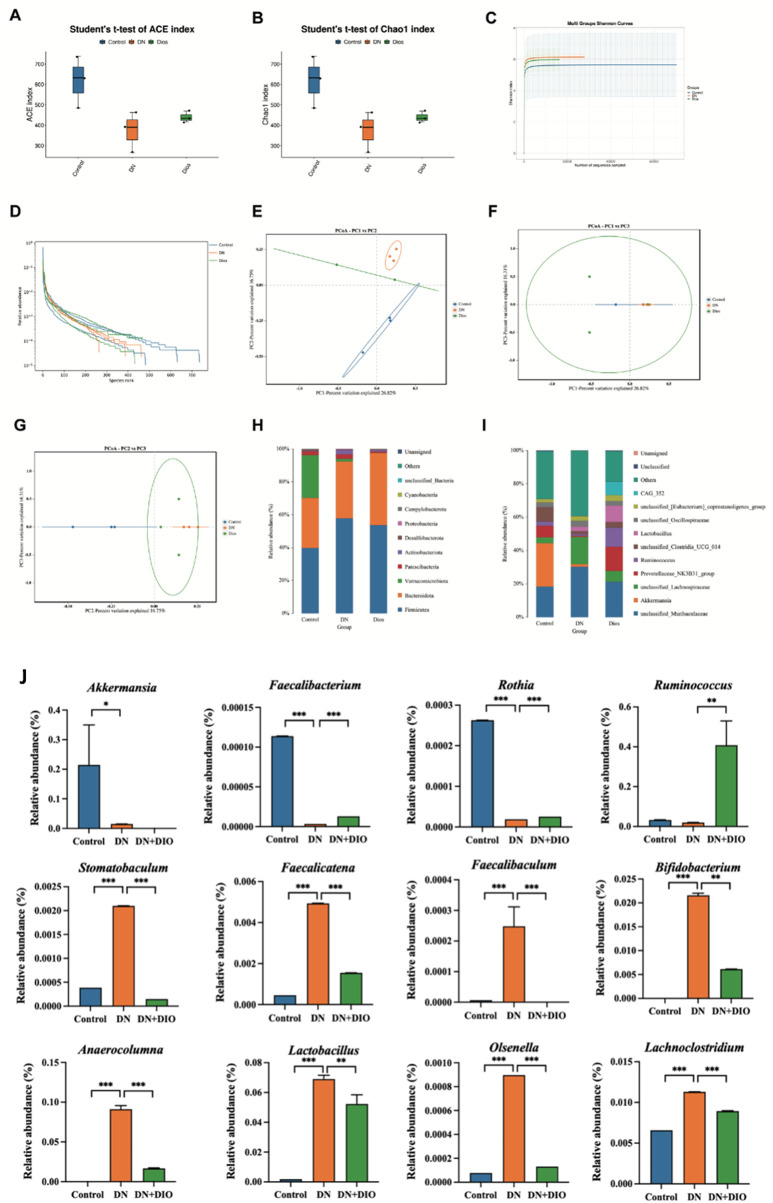
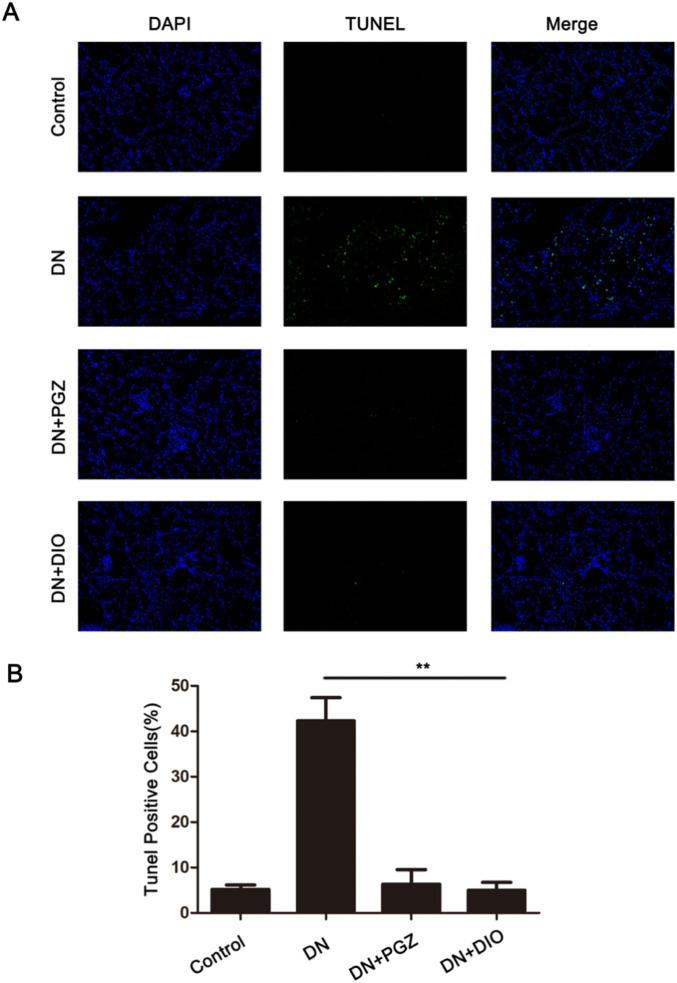
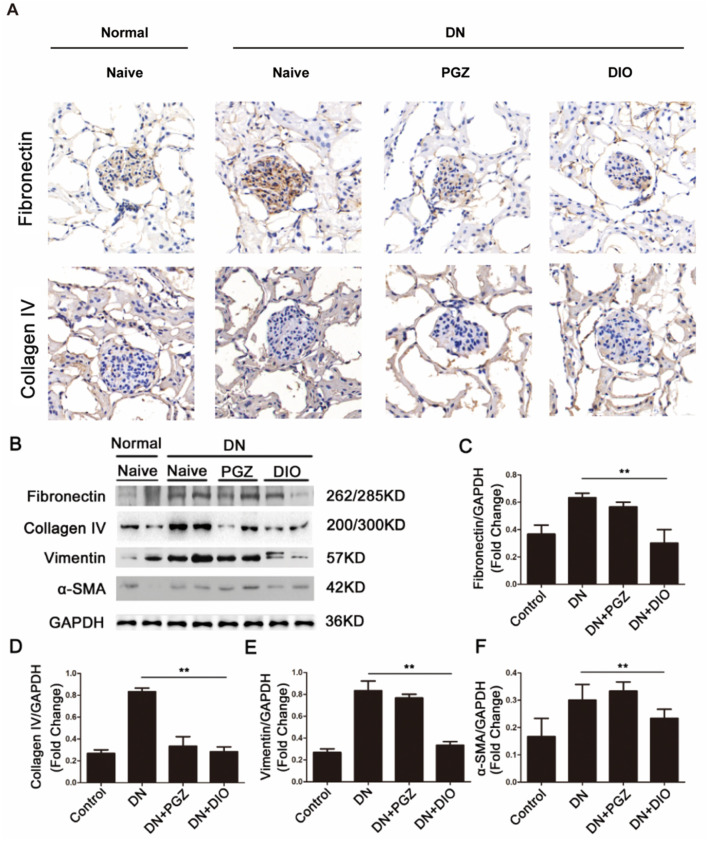
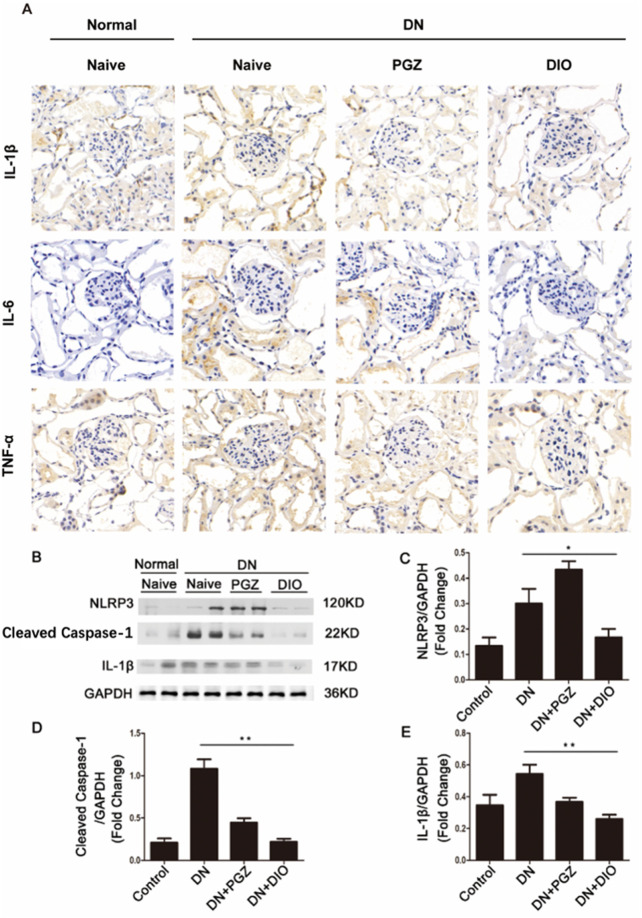
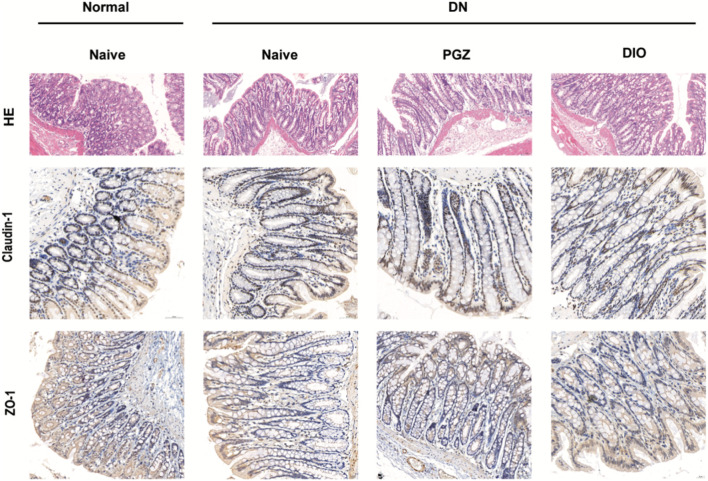
DIO treatment ameliorated the progression of DN, improving metabolic and renal function. It attenuated renal apoptosis and fibrosis and restored gut microbiota diversity, particularly enriching the abundance of and . Mechanistically, DIO suppressed NLRP3 inflammasome activation in the kidney, disrupted the LPS-TLR4/NF-κB signaling cascade, and reduced systemic pro-inflammatory cytokines (IL-1β, IL-6).
DIO is a multitarget agent that addresses both gut microbiota homeostasis and NLRP3-driven inflammation, presenting a novel therapeutic strategy for DN through modulation of the gut-kidney axis.
糖尿病肾病(DN)是糖尿病的一种严重并发症,越来越多地与肠道微生物群失调和炎症调节异常相关。
本研究探讨甾体皂苷元薯蓣皂苷元(DIO)在链脲佐菌素(STZ)诱导的DN大鼠模型中调节肠-肾轴和NLRP3炎性小体活性的双重治疗潜力。
采用口服DIO(20mg/kg,8周)治疗DN大鼠。该研究评估了其对代谢和肾功能参数、肾细胞凋亡和纤维化、肠道微生物群多样性以及肾脏中NLRP3炎性小体激活的影响。
DIO治疗改善了DN的进展,改善了代谢和肾功能。它减轻了肾细胞凋亡和纤维化,并恢复了肠道微生物群多样性,特别是丰富了 和 的丰度。从机制上讲,DIO抑制了肾脏中NLRP3炎性小体的激活,破坏了LPS-TLR4/NF-κB信号级联反应,并降低了全身促炎细胞因子(IL-1β、IL-6)。
DIO是一种多靶点药物,可解决肠道微生物群稳态和NLRP3驱动的炎症问题,通过调节肠-肾轴为DN提供了一种新的治疗策略。