Goldberg Nina, Herrmann Christin, Di Gion Paola, Hautsch Volker, Hefter Klara, Langebartels Georg, Pfaff Holger, Ansmann Lena, Karbach Ute, Wurster Florian
Chair of Health Services Research in Rehabilitation, Faculty of Human Sciences & Faculty of Medicine, Institute of Medical Sociology, Health Services Research and Rehabilitation Science, University of Cologne, Cologne, Germany.
Department of Digital Clinical Systems, Clinical Affairs and Crisis Management Unit, University Hospital Cologne, Cologne, Germany.
J Med Internet Res. 2025 Jun 3;27:e68091. doi: 10.2196/68091.
Digital patient portals (PPs) are platforms that enhance patient engagement and promote active involvement in health care by providing remote access to personal health data. Although many hospitals are legally required to offer these portals, adoption varies widely among patients, often influenced by sociodemographic and socioeconomic determinants. Evidence suggests that higher income, education, employment status, and specific age groups correlate with increased portal usage, highlighting a digital divide. This study aims to analyze sociodemographic and socioeconomic determinants affecting digital PP usage, addressing inconsistencies in existing research and contributing to strategies for reducing digital health disparities.
This study aimed to conduct a meta-analysis of the sociodemographic and socioeconomic factors contributing to the digital divide in the usage of digital PPs.
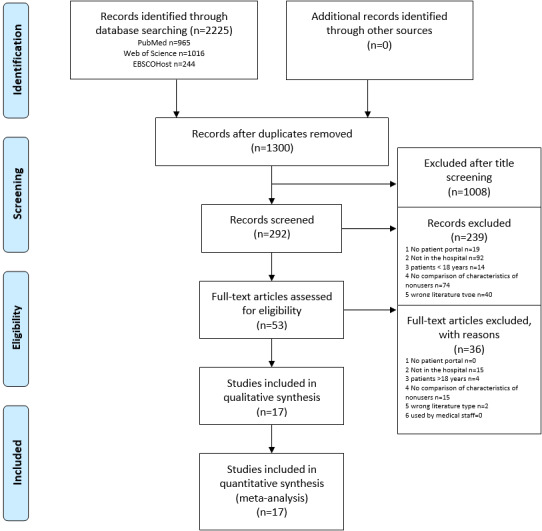
A systematic review with meta-analysis was conducted using PRISMA (Preferred Reporting Items for Systematic Reviews and Meta-Analyses) guidelines in PubMed, Web of Science Core Collection, and EBSCOhost. Screening involved 3 reviewers with consensus meetings to resolve discrepancies. Data on sociodemographic and socioeconomic factors and statistical outcomes were extracted, and study quality was assessed using the Mixed Methods Appraisal tool. Results were visualized using forest and funnel plots to assess heterogeneity and publication bias.
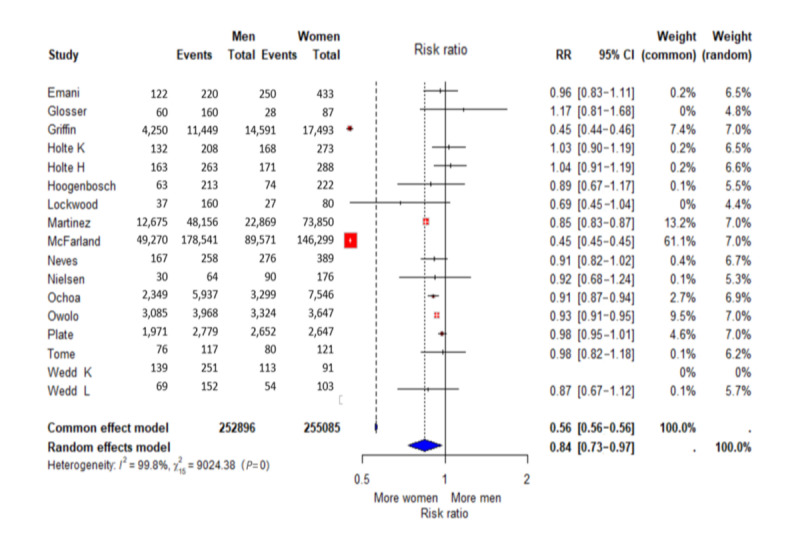
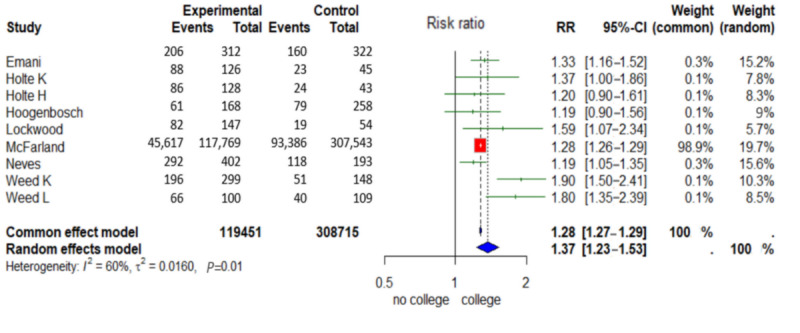
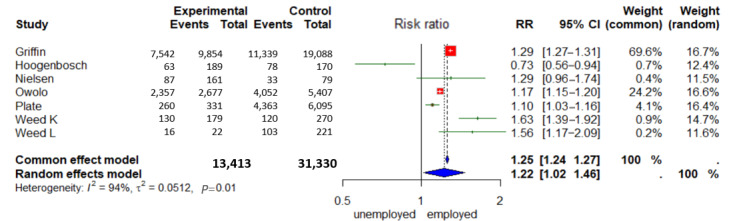
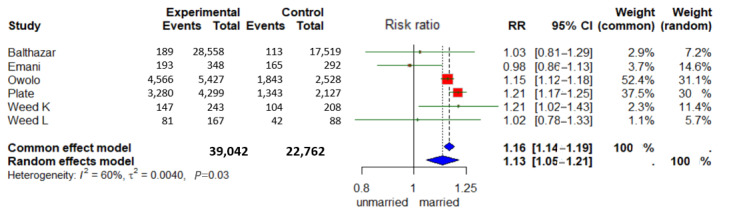
A total of 2225 studies were identified through a systematic review, and after title and abstract screening, 17 studies were included in the quantitative and qualitative analysis. The qualitative analysis revealed that younger patients (younger than 65 y) were significantly more likely to use the digital PP, while the meta-analysis revealed that women had a 16% higher likelihood of using the digital PP than men. The relationship between income and digital PP usage was inconsistent, due to different scaling in different studies. A higher level of education was significantly associated with a 37% greater likelihood of using the digital PP in the meta-analysis. In addition, employed patients were 23% more likely to use the digital PP, while married patients had a 13% higher likelihood of using it than unmarried patients. Marital status and employment can be considered as measurable factors of social relationships.
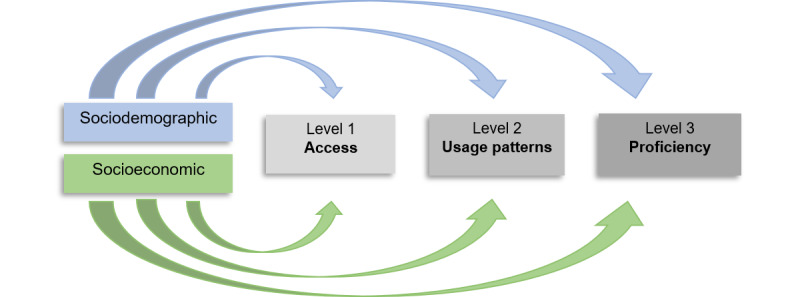
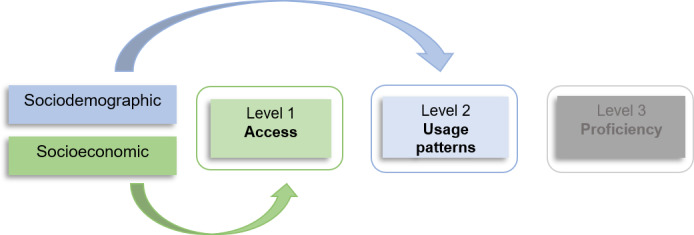
The review confirms that sociodemographic and socioeconomic factors significantly influence the usage of digital PP in hospital care. Marital status shows that social support plays a vital role, with married patients 13% more likely to engage with digital PPs. It is worth noting that social support through connections to society via work or work colleagues can also play an important role as like as a partner at home, with employed individuals being 22% more likely to use digital PPs. Overall, sociodemographic factors, like marital status, primarily affect usage patterns, while socioeconomic factors, like employment, enable access, emphasizing the need for comprehensive support systems to bridge the digital divide in health care.
German register of clinical trials DRKS00033125; https://drks.de/search/de/trial/DRKS00033125 and PROSPERO CRD42024567203; https://www.crd.york.ac.uk/PROSPERO/view/CRD42024567203.
数字患者门户(PPs)是通过提供对个人健康数据的远程访问来增强患者参与度并促进其积极参与医疗保健的平台。尽管许多医院在法律上被要求提供这些门户,但患者对其采用情况差异很大,这通常受到社会人口统计学和社会经济因素的影响。有证据表明,较高的收入、教育水平、就业状况以及特定年龄组与门户使用的增加相关,这凸显了数字鸿沟。本研究旨在分析影响数字患者门户使用的社会人口统计学和社会经济因素,解决现有研究中的不一致之处,并为减少数字健康差距的策略做出贡献。
本研究旨在对导致数字患者门户使用中数字鸿沟的社会人口统计学和社会经济因素进行荟萃分析。
按照PRISMA(系统评价和荟萃分析的首选报告项目)指南,在PubMed、科学引文索引核心合集和EBSCOhost数据库中进行了一项带有荟萃分析的系统评价。筛选工作由3名评审员进行,并通过共识会议解决差异。提取了关于社会人口统计学和社会经济因素以及统计结果的数据,并使用混合方法评估工具评估研究质量。结果通过森林图和漏斗图进行可视化,以评估异质性和发表偏倚。
通过系统评价共识别出2225项研究,经过标题和摘要筛选后,17项研究被纳入定量和定性分析。定性分析表明,年龄较小的患者(65岁以下)使用数字患者门户的可能性显著更高,而荟萃分析表明,女性使用数字患者门户的可能性比男性高16%。由于不同研究中的衡量标准不同,收入与数字患者门户使用之间的关系并不一致。在荟萃分析中,较高的教育水平与使用数字患者门户的可能性显著增加37%相关。此外,就业患者使用数字患者门户的可能性高23%,已婚患者使用数字患者门户的可能性比未婚患者高13%。婚姻状况和就业可被视为社会关系的可衡量因素。
该综述证实,社会人口统计学和社会经济因素显著影响医院护理中数字患者门户的使用。婚姻状况表明社会支持起着至关重要的作用,已婚患者使用数字患者门户的可能性高13%。值得注意的是,通过工作或同事与社会建立联系所获得 的社会支持,与家中伴侣一样,也能发挥重要作用,就业人员使用数字患者门户的可能性高22%。总体而言,社会人口统计学因素,如婚姻状况,主要影响使用模式,而社会经济因素,如就业,则影响使用机会,这强调了需要全面的支持系统来弥合医疗保健中的数字鸿沟。
德国临床试验注册中心DRKS00033125;https://drks.de/search/de/trial/DRKS00033125 和国际前瞻性系统评价注册库CRD42024567203;https://www.crd.york.ac.uk/PROSPERO/view/CRD42024567203 。