Omondi F Harrison, Sang Yurou, Mwimanzi Francis, Cheung Peter K, Derza Zerufael, Dong Winnie, Barad Evan, Anderson Kieran, Mysak Vitaliy, Lima Viviane D, Hull Mark, Brumme Chanson J, Harris Marianne, Montaner Julio S G, Guillemi Silvia, Brockman Mark A, Brumme Zabrina L
Faculty of Health Sciences, Simon Fraser University, Burnaby, Canada.
British Columbia Centre for Excellence in HIV/AIDS, Vancouver, Canada.
bioRxiv. 2025 May 16:2025.05.16.654538. doi: 10.1101/2025.05.16.654538.
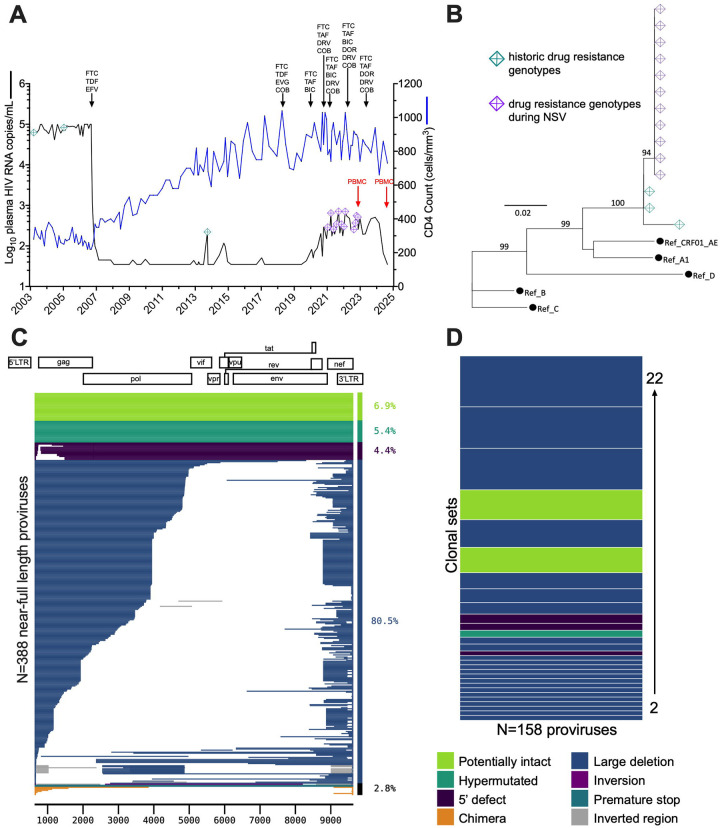
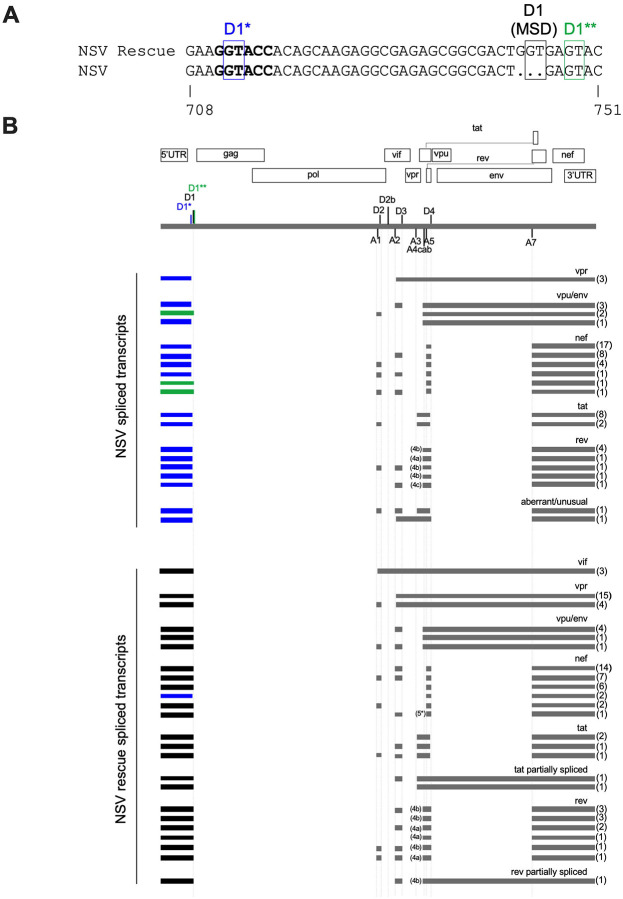
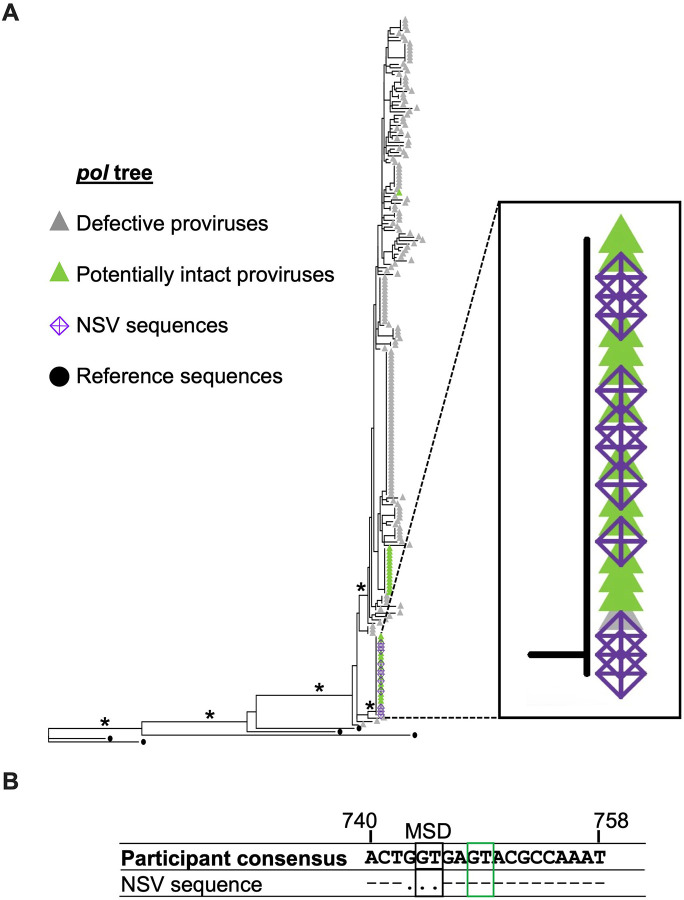
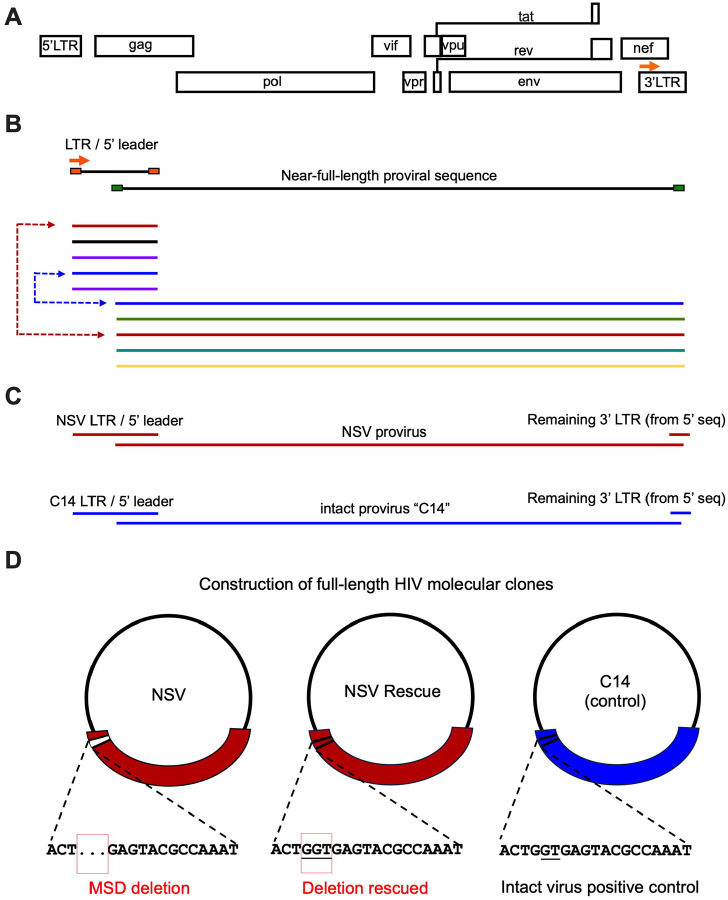
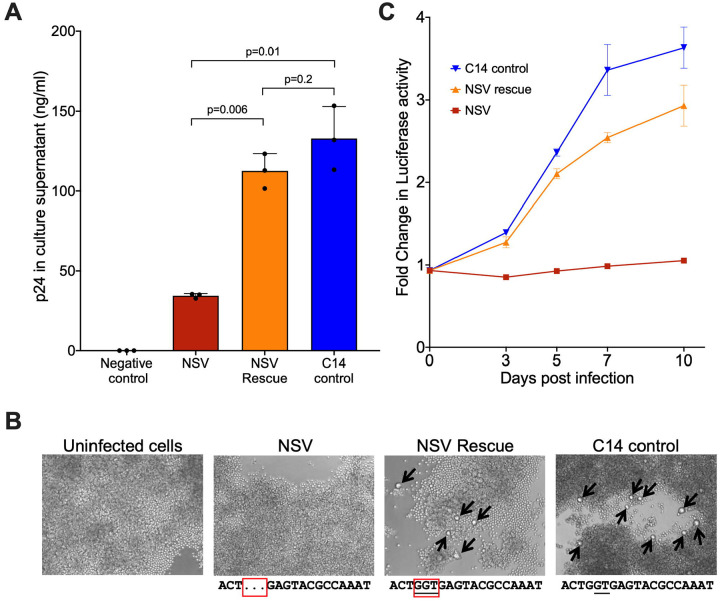
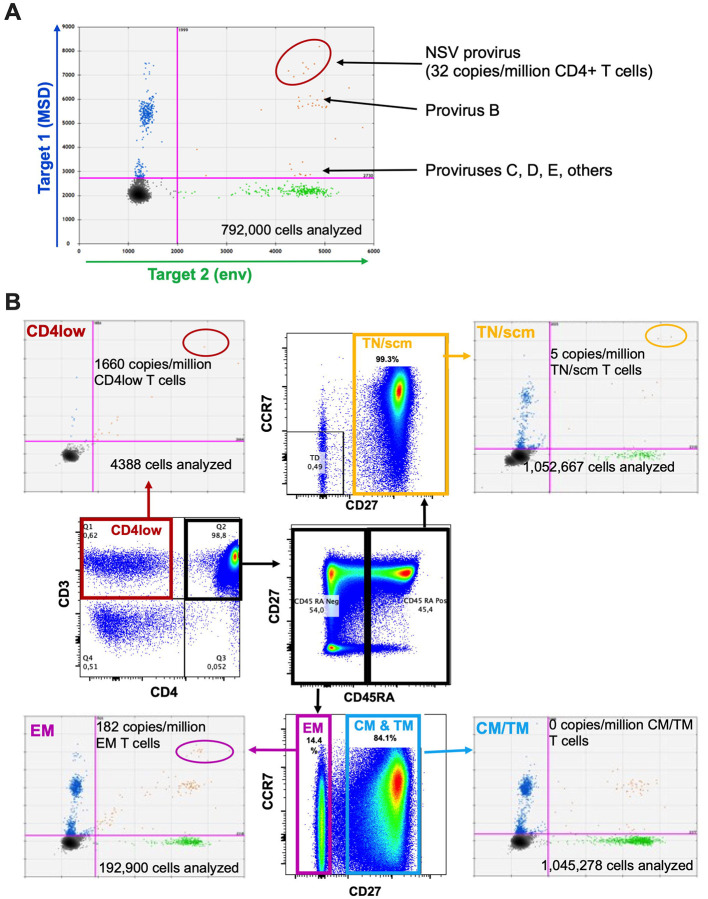
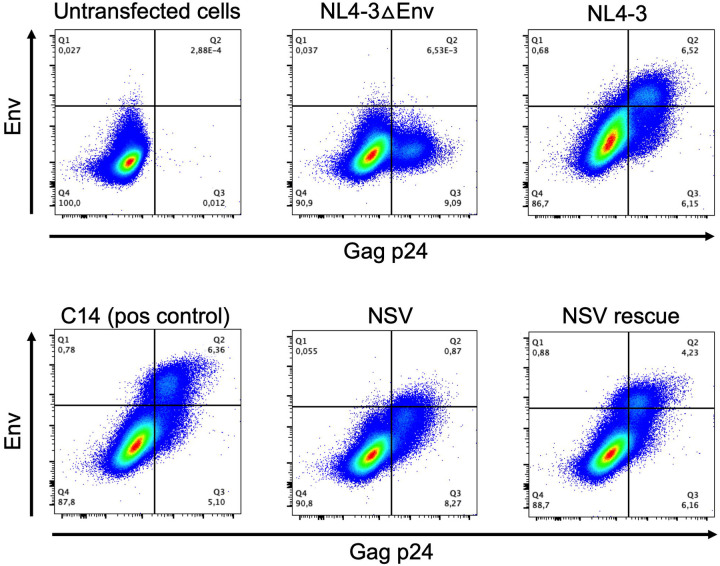
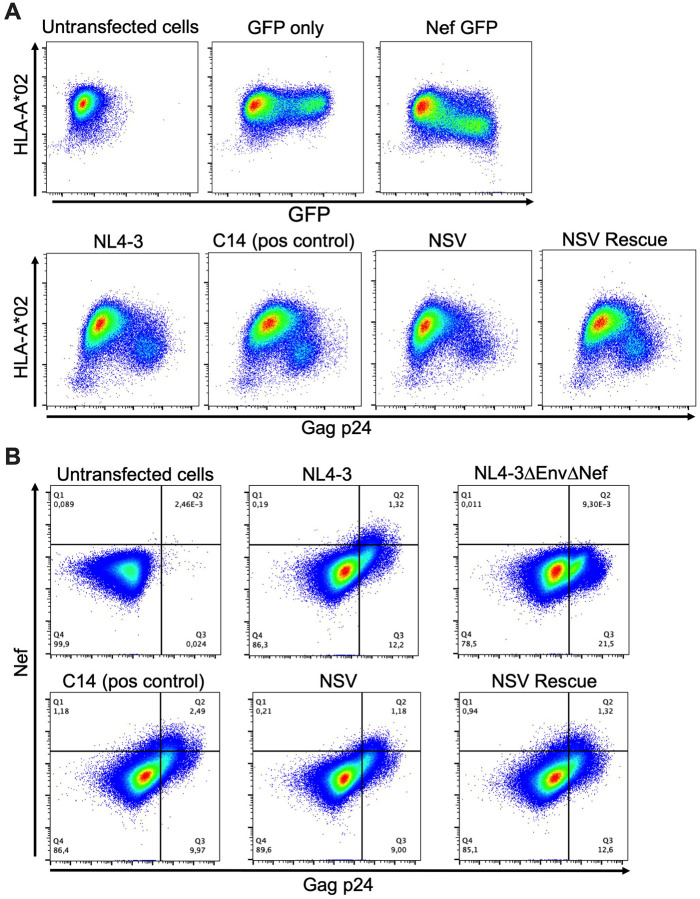
Antiretroviral therapy (ART) potently inhibits HIV replication but does not eliminate HIV proviruses integrated within the genomes of infected cells. Though ART normally suppresses HIV to clinically undetectable levels in blood, some individuals experience non-suppressible viremia (NSV) that is not attributable to suboptimal drug exposure (. due to incomplete medication adherence or pharmacological issues) nor emerging HIV drug resistance, and that does not resolve following regimen modification. We now understand that NSV can originate from expanded cell clones harboring genetically identical proviruses that reactivate to produce clinically detectable viremia. NSV can even originate from proviruses with genomic defects, particularly in HIV's major splice donor (MSD) site, that render the viremia non-infectious. But, because only a limited number of such cases have been described, all in HIV subtype B, the mechanisms that allow cells harboring such proviruses to produce prolonged viremia without being eliminated remain incompletely understood. We characterized a case of MSD-defective, replication-impaired NSV that lasted >4 years in an individual with non-B HIV. Our results reveal that proviruses with MSD deletions can persist by integrating into minimally differentiated CD4+ T-cell subsets that then give rise to the full spectrum of memory and effector subpopulations, and by exhibiting an HIV protein expression profile that would allow these cells to evade cellular and humoral immunity. Our results highlight the need to better understand the biological implications of persistent HIV protein and virion production by genomically defective, clonally expanded proviruses, and for clinical guidelines to acknowledge this type of viremia.
抗逆转录病毒疗法(ART)能有效抑制HIV复制,但无法清除整合在受感染细胞基因组中的HIV前病毒。尽管ART通常可将血液中的HIV抑制到临床检测不到的水平,但一些个体仍会出现无法被抑制的病毒血症(NSV),这既不是由于药物暴露不足(如不完全坚持用药或药理学问题),也不是由于新出现的HIV耐药性,且在调整治疗方案后仍无法消除。我们现在了解到,NSV可能源于携带基因相同前病毒的细胞克隆扩增,这些前病毒重新激活后产生临床可检测到的病毒血症。NSV甚至可能源于具有基因组缺陷的前病毒,特别是在HIV的主要剪接受体(MSD)位点,这使得病毒血症无传染性。但是,由于仅描述了有限数量的此类病例,且均为HIV B亚型,因此,对于携带此类前病毒的细胞能够产生持续病毒血症而不被清除的机制仍不完全清楚。我们对一名非B型HIV感染者中持续超过4年的MSD缺陷、复制受损的NSV病例进行了特征分析。我们的结果表明,具有MSD缺失的前病毒可通过整合到分化程度最低的CD4+ T细胞亚群中持续存在,这些亚群随后可产生完整的记忆和效应亚群,并通过呈现一种HIV蛋白表达谱,使这些细胞能够逃避细胞免疫和体液免疫。我们的结果强调,需要更好地了解基因组缺陷、克隆扩增的前病毒持续产生HIV蛋白和病毒体的生物学意义,以及临床指南应认识到这种类型的病毒血症。