Chae Hyung-Kyu, Ji Seoyeoun, Cheon Doo-Sung, Yoon Won-Kyoung, Hong Yeon-Jung
Department of Veterinary Internal Medicine, Western Referral Animal Medical Center, Seoul, 04101, Republic of Korea.
Department of Veterinary Clinical Nutrition, College of Veterinary Medicine, Kyungpook National University, Daegu, 41566, Republic of Korea.
BMC Vet Res. 2025 Jun 4;21(1):399. doi: 10.1186/s12917-025-04805-w.
Infectious endocarditis is an uncommon disease in dogs; however, its incidence and survival rates have increased owing to advances in the understanding of the disease and diagnostic techniques. For diagnosis, it is necessary to determine whether a dog suspected of being infected has any abnormalities that meet the modified Duke criteria. Staphylococcus spp., Streptococcus spp., and Escherichia coli are the most commonly isolated bacteria causing infective endocarditis in dogs, whereas the less commonly isolated bacteria include Pseudomonas spp. and Proteus spp.
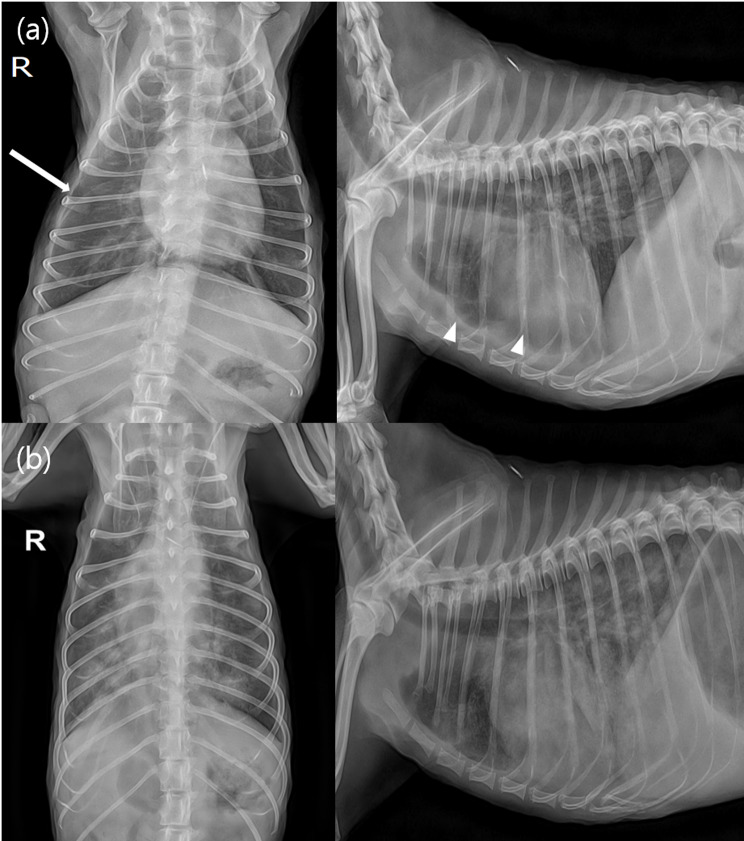
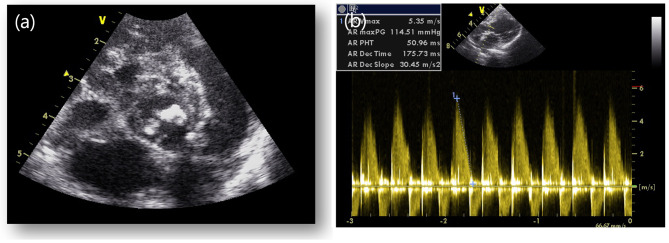
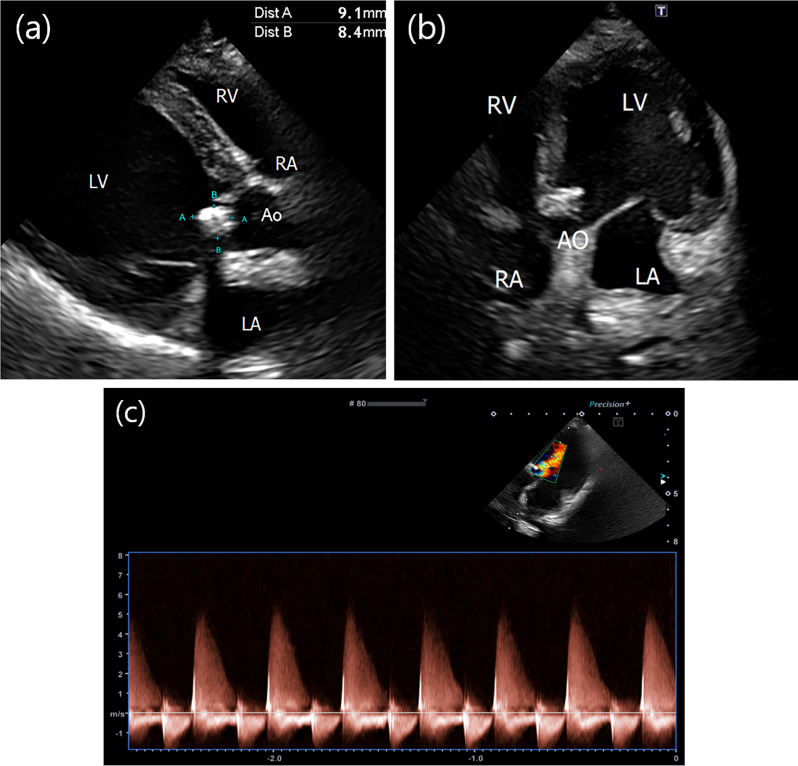
A 5-year-old neutered male Maltese presented with lethargy, anorexia, anaemia, and pyrexia. A vegetative mass in the aortic valve was identified on echocardiography, and the possibility of endocarditis was considered. The dog's fever, anorexia, and lethargy rapidly improved in response to the initial antibiotics and prednisolone, which was prescribed for a possible immune-mediated disorder. However, the dog's condition deteriorated again after discontinuing antibiotics and tapering the prednisolone dose. During this period, Paenibacillus spp. was isolated from blood cultures. After prescribing antibiotics based on the sensitivity results and adding hydralazine to reduce afterload, the dog survived without recurrence of symptoms to date.
Paenibacillus spp. was identified as the causative agent of infectious endocarditis. A favourable prognosis can be expected if appropriate antibiotics in combination with medications that address the blood flow changes due to valve damage are used.
感染性心内膜炎在犬类中是一种罕见疾病;然而,由于对该疾病的认识和诊断技术的进步,其发病率和生存率有所上升。为了进行诊断,有必要确定疑似感染的犬是否有符合改良杜克标准的异常情况。葡萄球菌属、链球菌属和大肠杆菌是犬感染性心内膜炎中最常分离出的细菌,而较少分离出的细菌包括假单胞菌属和变形杆菌属。
一只5岁绝育雄性马尔济斯犬出现嗜睡、厌食、贫血和发热症状。超声心动图检查发现主动脉瓣有赘生物,考虑有心内膜炎的可能。最初使用抗生素和泼尼松龙治疗,泼尼松龙是为可能的免疫介导性疾病而开的,犬的发热、厌食和嗜睡症状迅速改善。然而,停用抗生素并逐渐减少泼尼松龙剂量后,犬的病情再次恶化。在此期间,从血培养中分离出芽孢杆菌属。根据药敏结果使用抗生素并加用肼屈嗪以降低后负荷后,该犬至今存活且未复发症状。
芽孢杆菌属被确定为感染性心内膜炎的病原体。如果使用适当的抗生素并结合针对瓣膜损伤引起的血流变化的药物,有望获得良好的预后。