Clark Rachel, Keesler Ryan, Ali Adnan, Macchietto Marissa, Munro Sarah A, Uppgaard Rachel, Bradley Elizabeth, Tasca Amy, Mansky Kim
Oral Biology Graduate Program, University of Minnesota School of Dentistry, Minneapolis, MN 55455, United States.
Division of Orthodontics, Department of Developmental and Surgical Sciences, University of Minnesota School of Dentistry, Minneapolis, MN 55455, United States.
JBMR Plus. 2025 Apr 24;9(7):ziaf074. doi: 10.1093/jbmrpl/ziaf074. eCollection 2025 Jul.
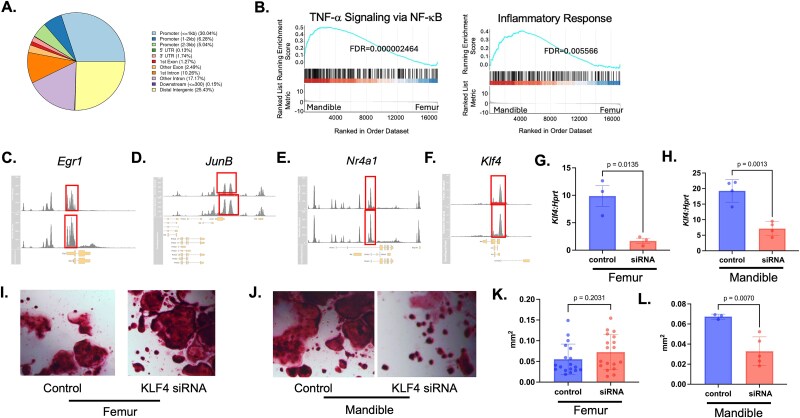
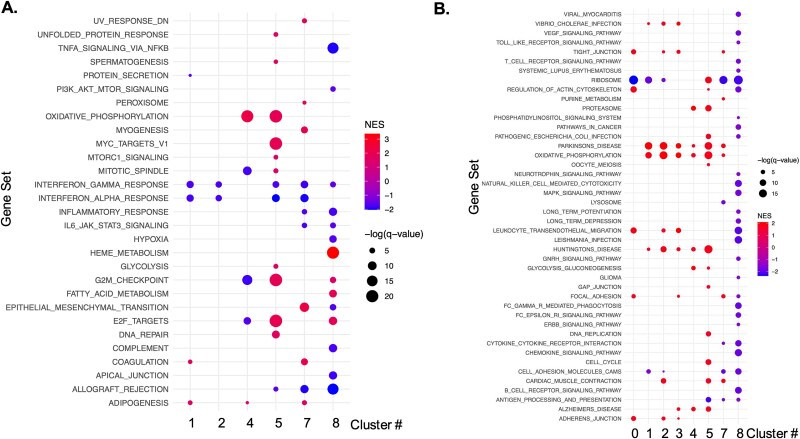
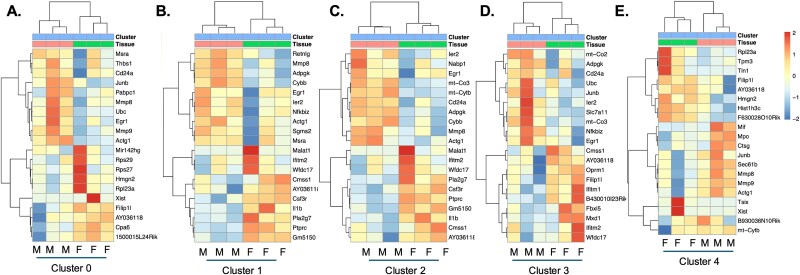
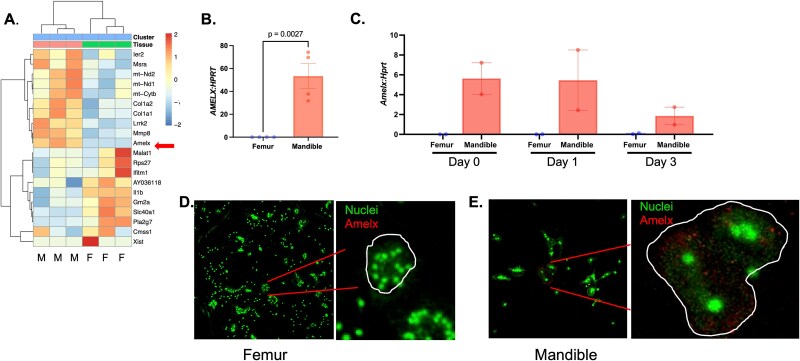
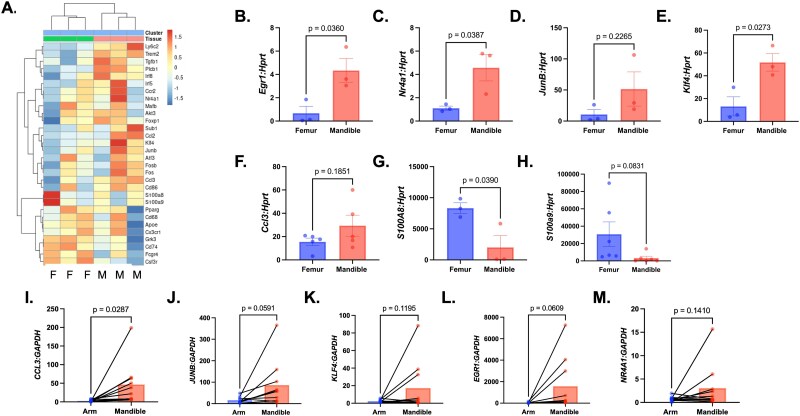
To understand differences that exist between the cell populations in different skeletal sites, we performed an unbiased genetic survey via single-cell RNA sequencing of CD11b+ myeloid cells from mandibular- and femur-derived bone marrow of 2-mo-old C57BL/6 mice. Our results reveal transcriptomic evidence that suggests a uniquely inflammatory genetic profile of the mandibular-derived CD11b+ cells. The monocyte cell population found within the CD11b+ cells analyzed by scRNA-seq expressed and suggesting that this population contained osteoclast precursors. Osteoclasts of the craniofacial region facilitate processes such as tooth eruption and jawbone development. Evidence from multiple researchers suggests that craniofacial osteoclasts exhibit differences in size, gene expression, and activity compared to their counterparts within the appendicular skeleton. A biological mechanism to explain the observable difference between craniofacial osteoclasts and osteoclasts in the long bones has not been previously explored. This monocyte population had enhanced inflammatory gene expression by qRT-PCR which correlated with an increase in select areas of open chromatin by assay for transposase-accessible chromatin using sequencing. Further exploration into a specific upregulated gene determined KLF4 was both necessary and important for proper differentiation in mandibular- but not femur-derived cells.
为了了解不同骨骼部位细胞群体之间存在的差异,我们通过对2月龄C57BL/6小鼠下颌骨和股骨来源的骨髓中CD11b+髓样细胞进行单细胞RNA测序,开展了一项无偏差的基因调查。我们的结果揭示了转录组学证据,表明下颌来源的CD11b+细胞具有独特的炎症基因特征。通过单细胞RNA测序分析发现,CD11b+细胞中的单核细胞群体表达了 和 ,这表明该群体包含破骨细胞前体。颅面部区域的破骨细胞促进诸如牙齿萌出和颌骨发育等过程。多位研究人员的证据表明,与附肢骨骼中的破骨细胞相比,颅面部破骨细胞在大小、基因表达和活性方面存在差异。此前尚未探索过一种生物学机制来解释颅面部破骨细胞与长骨破骨细胞之间可观察到的差异。通过定量逆转录聚合酶链反应(qRT-PCR),该单核细胞群体的炎症基因表达增强,这与通过转座酶可及染色质测序分析(ATAC-seq)在开放染色质特定区域的增加相关。对一个特定上调基因的进一步研究确定,KLF4对于下颌来源而非股骨来源的细胞的正常分化既必要又重要。