Yun Zhangjun, Yang Qianru, Xue Chengyuan, Shen Yang, Lv Liyuan, Mi Suicai, Hou Li
Department of Oncology and Hematology, Dongzhimen Hospital, Beijing University of Chinese Medicine, Beijing, China.
Graduate School of Beijing University of Chinese Medicine, Beijing, China.
Front Pharmacol. 2025 May 23;16:1600960. doi: 10.3389/fphar.2025.1600960. eCollection 2025.
To comprehensively investigate the mechanism of action of Diosgenin elements against gastric cancer (GC).
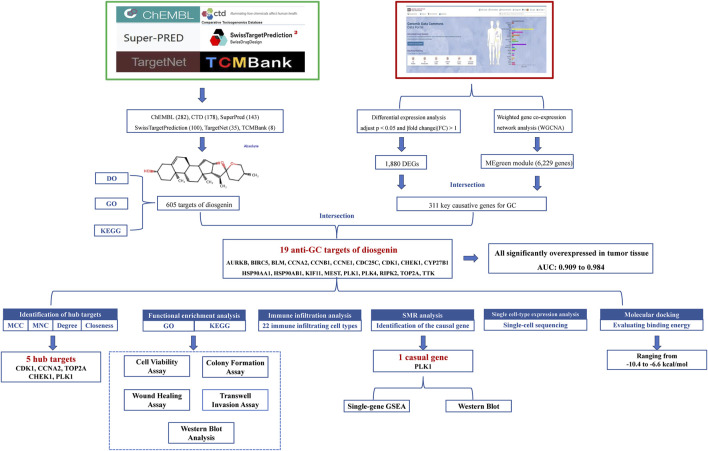
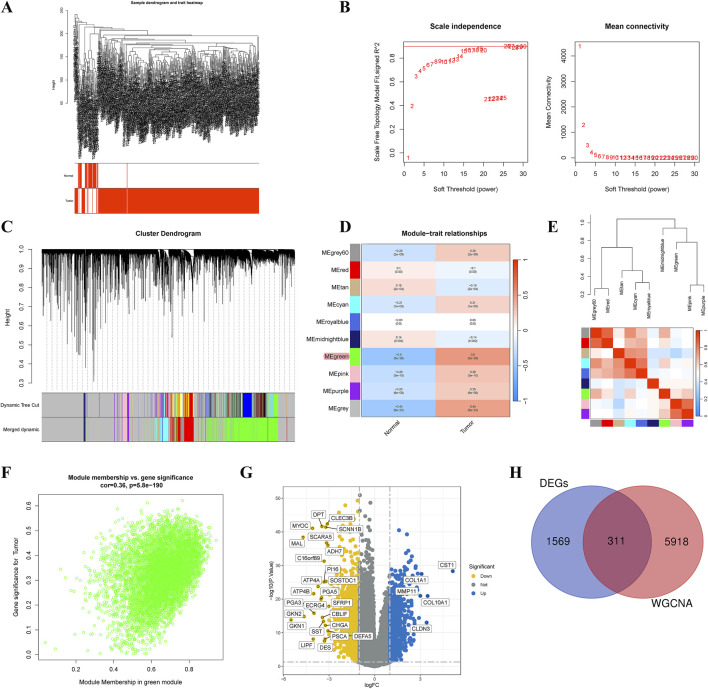
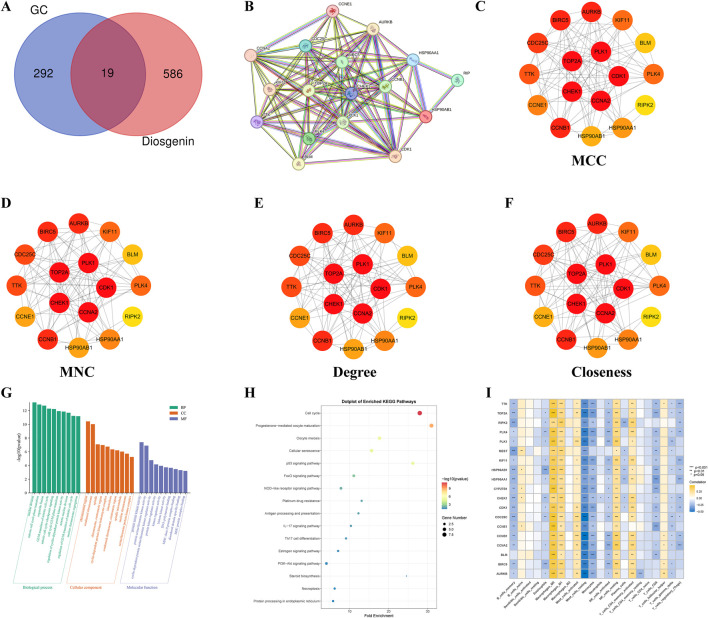
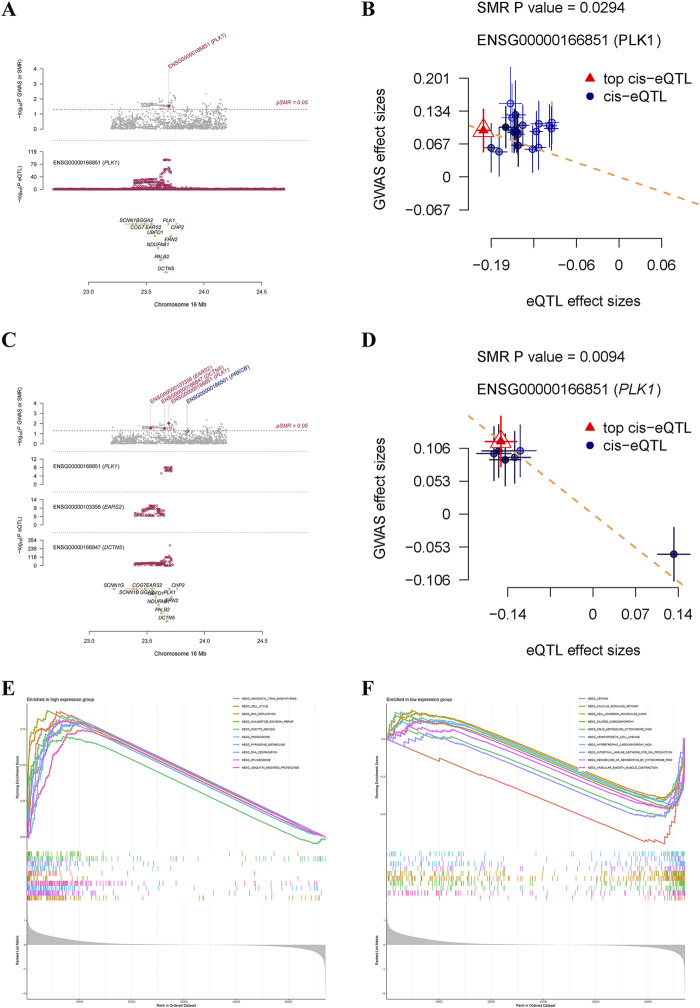
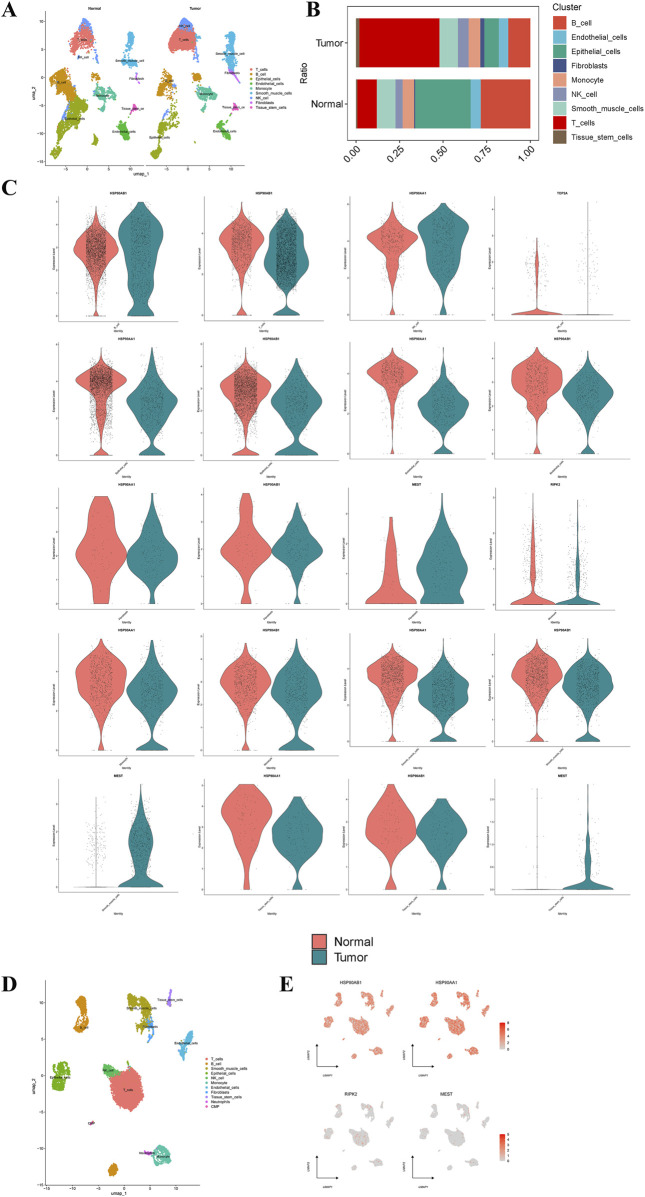
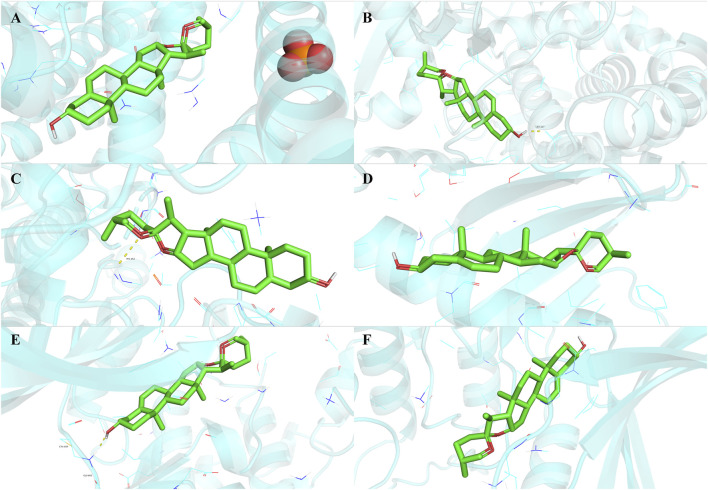
Targets of Diosgenin were collected from six databases, and enrichment analysis was used to identify its associated diseases and biological pathways. GC-related genes were identified using weighted gene co-expression network analysis. A multi-approach strategy, including network analysis, bioinformatics, single-cell RNA sequencing, Mendelian randomization, and cell experiments, was used to explore the anti-GC mechanisms of Diosgenin.
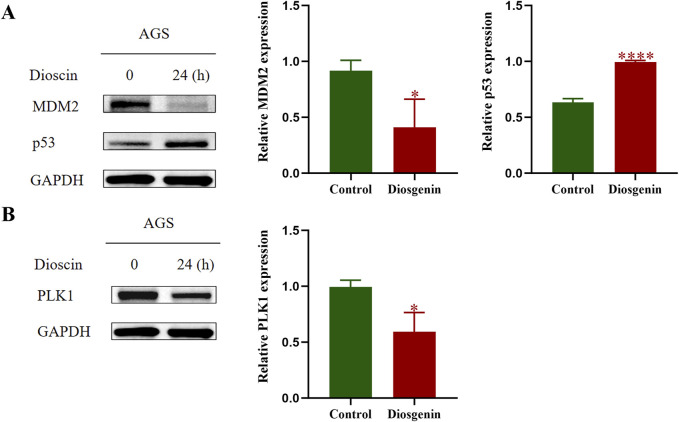
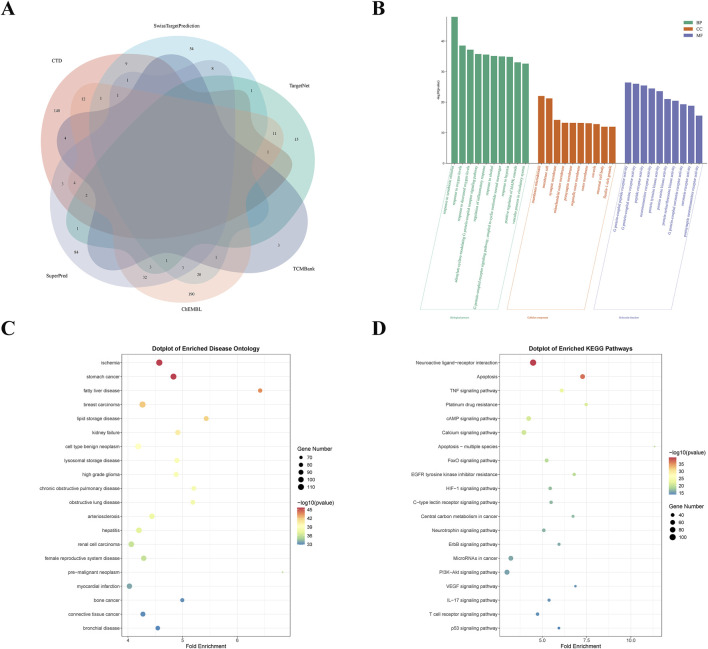
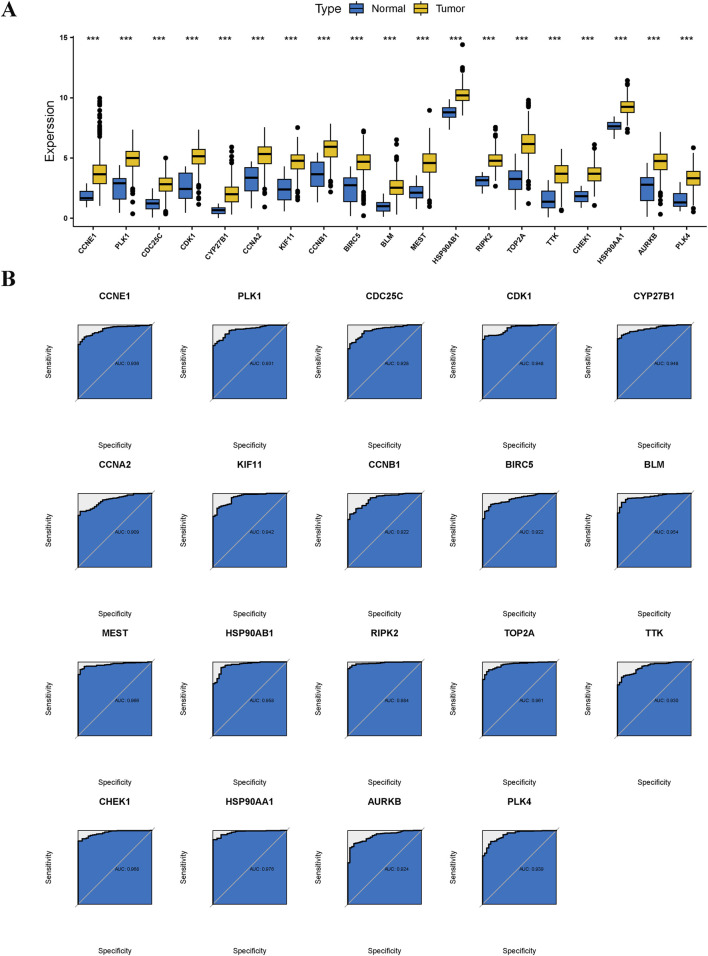
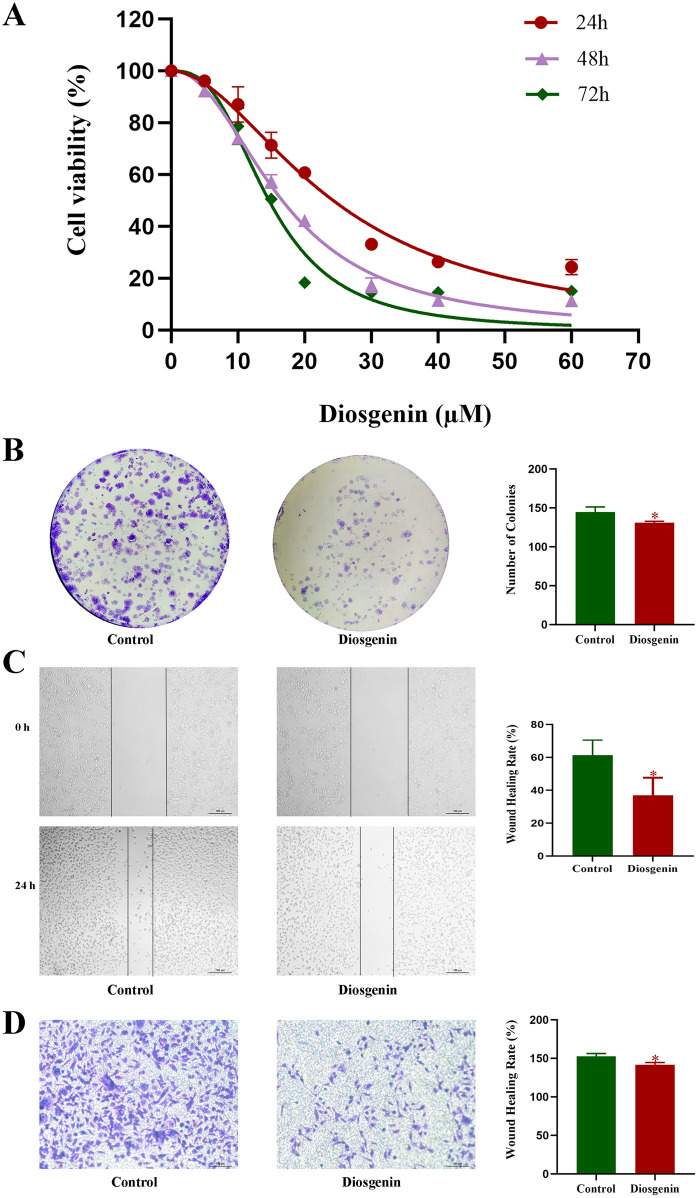
In this study, 605 Diosgenin targets were identified, with key involvement in cell apoptosis, TNF signaling, and platinum resistance pathways, demonstrating significant enrichment in GC. Diosgenin may exert its anti-GC effects through 311 targets, involving regulation of the cell cycle, p53, and FoxO signaling pathway. Key effectors, including CDK1, CCNA2, TOP2A, CHEK1, and PLK1, were identified. Single-cell sequencing indicated that TOP2A, HSP90AA1, and HSP90AB1 might be crucial immune regulatory targets of Diosgenin. Diosgenin significantly inhibited GC cell proliferation, colony formation, migration, and invasion. Evidence from western blot analysis indicates that Diosgenin exerts anti-GC effects by suppressing the expression of PLK1 and MDM2 proteins while upregulating p53 protein levels.
These findings highlight Diosgenin's potential as a promising therapeutic agent for GC, offering a foundation for future research and clinical applications.
全面研究薯蓣皂苷元成分抗胃癌(GC)的作用机制。
从六个数据库收集薯蓣皂苷元的靶点,采用富集分析确定其相关疾病和生物学途径。使用加权基因共表达网络分析鉴定GC相关基因。采用包括网络分析、生物信息学、单细胞RNA测序、孟德尔随机化和细胞实验在内的多方法策略,探索薯蓣皂苷元的抗GC机制。
本研究鉴定出605个薯蓣皂苷元靶点,主要参与细胞凋亡、TNF信号传导和铂抗性途径,在GC中显示出显著富集。薯蓣皂苷元可能通过311个靶点发挥其抗GC作用,涉及细胞周期、p53和FoxO信号通路的调节。鉴定出关键效应因子,包括CDK1、CCNA2、TOP2A、CHEK1和PLK1。单细胞测序表明TOP2A、HSP90AA1和HSP90AB1可能是薯蓣皂苷元关键的免疫调节靶点。薯蓣皂苷元显著抑制GC细胞增殖、集落形成、迁移和侵袭。蛋白质印迹分析证据表明,薯蓣皂苷元通过抑制PLK1和MDM2蛋白表达,同时上调p53蛋白水平发挥抗GC作用。
这些发现突出了薯蓣皂苷元作为一种有前景的GC治疗药物的潜力,为未来的研究和临床应用提供了基础。