Yaffe Yosi, Levkovich Inbar
Department of Special Education, Tel-Hai College, Qiryat Shemona 12208, Upper Galilee, Israel.
World J Psychiatry. 2025 May 19;15(5):104711. doi: 10.5498/wjp.v15.i5.104711.
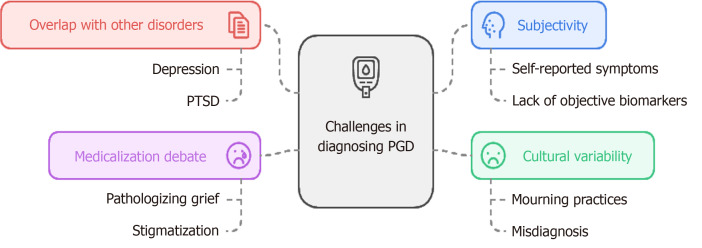
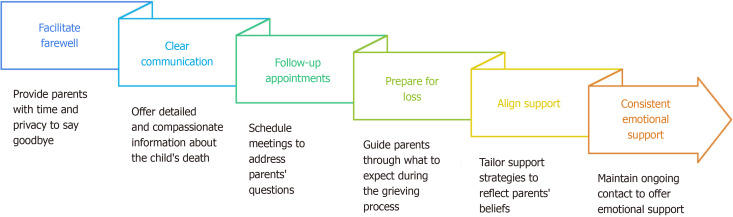
Prolonged grief disorder (PGD) is characterized by intense and persistent grief that significantly impairs daily functioning. For bereaved parents, the loss of a child represents an unparalleled emotional challenge, placing them at heightened risk of developing PGD. This review traces the evolution of PGD from early conceptualization to current definitions in the International Classification of Diseases, 11 revision, and Diagnostic and Statistical Manual of Mental Disorders, 5 Edition, Text Revision. Building on this historical foundation, the analysis examined the prevalence, risk factors, and diagnostic criteria of PGD in bereaved parents, with particular attention to sex differences, the nature of the loss, and the time elapsed since the child's death. Furthermore, this review examines the multidimensional consequences of PGD on parents, including its emotional, physiological, and functional effects. Evidence-based treatments for PGD, such as psychotherapeutic approaches and emerging interventions, are also discussed. By synthesizing existing research, this review provides a comprehensive understanding of PGD among bereaved parents, highlights the unique challenges they face, and offers practical insights and recommendations for clinicians working with this population.
持续性悲伤障碍(PGD)的特征是强烈且持久的悲伤,严重损害日常功能。对于失去孩子的父母来说,孩子的离世是一种无与伦比的情感挑战,使他们患持续性悲伤障碍的风险增加。本综述追溯了持续性悲伤障碍从早期概念化到《国际疾病分类》第11次修订版和《精神疾病诊断与统计手册》第5版修订版中当前定义的演变。基于这一历史基础,分析研究了失去孩子的父母中持续性悲伤障碍的患病率、风险因素和诊断标准,特别关注性别差异、失去孩子的性质以及孩子去世后的时间间隔。此外,本综述还研究了持续性悲伤障碍对父母的多方面影响,包括其情感、生理和功能方面的影响。还讨论了基于证据的持续性悲伤障碍治疗方法,如心理治疗方法和新兴干预措施。通过综合现有研究,本综述全面阐述了失去孩子的父母中的持续性悲伤障碍,突出了他们面临的独特挑战,并为与这一群体打交道的临床医生提供了实用的见解和建议。