Alafer Feras
College of Applied Medical Sciences, Jouf University, Sakaka 72388, Saudi Arabia.
Diagnostics (Basel). 2025 Jun 1;15(11):1410. doi: 10.3390/diagnostics15111410.
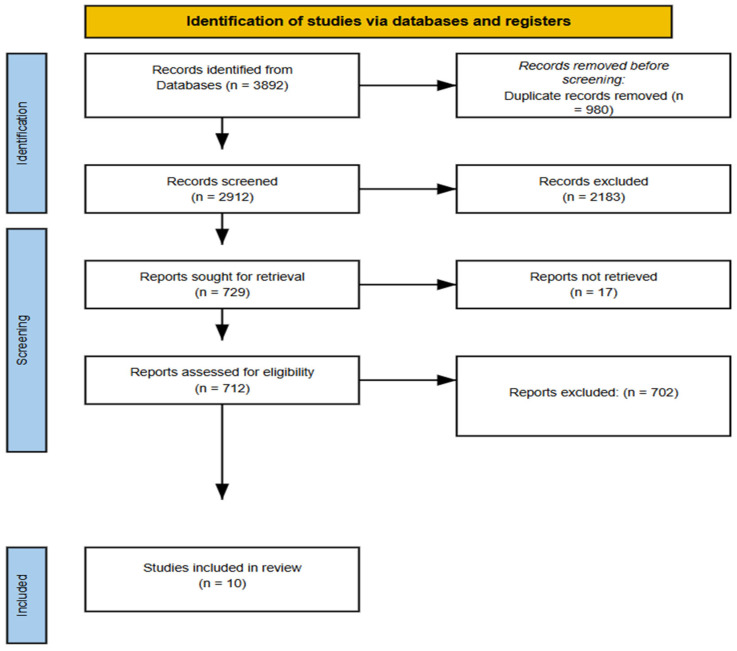
Forensic medicine has increasingly integrated advanced imaging technologies to improve the accuracy and efficiency of investigations. Techniques such as virtual autopsy, multi-detector computed tomography (MDCT), and artificial intelligence (AI)-driven imaging have revolutionized the identification of injuries and causes of death. Despite these advancements, the field faces operational, ethical, and legal challenges that hinder widespread adoption. : This systematic review aimed to explore the role of emerging imaging technologies in forensic medicine, identify key challenges in their implementation, and provide insights into optimizing their use in forensic practice, with particular attention to cultural, ethical, and interdisciplinary aspects. : A systematic review was conducted following PRISMA guidelines. Literature searches were performed across six databases, including PubMed, Scopus, Web of Science, and others, focusing on studies discussing imaging technologies in forensic contexts. A total of were included after applying eligibility criteria. The data were synthesized using narrative synthesis and thematic analysis. : Four key themes emerged: (1) advancements in AI and imaging technologies, (2) operational and financial barriers, (3) ethical and legal considerations, and (4) interdisciplinary collaboration and training. Emerging imaging modalities enhance diagnostic precision and facilitate non-invasive examinations, offering culturally sensitive alternatives to traditional autopsies. However, high costs, algorithmic biases, data security risks, and the lack of standardized forensic imaging protocols present significant challenges. The potential for cross-cultural and international forensic collaborations through AI-enabled imaging was also identified as a promising future direction. : Advanced imaging technologies hold transformative potential in forensic medicine. Addressing financial, ethical, and operational challenges through interdisciplinary collaboration, standardized guidelines, and culturally sensitive practices is crucial for maximizing their utility and global acceptance.
法医学越来越多地整合先进成像技术,以提高调查的准确性和效率。虚拟尸检、多探测器计算机断层扫描(MDCT)和人工智能(AI)驱动成像等技术彻底改变了损伤鉴定和死因判定方式。尽管取得了这些进展,但该领域仍面临阻碍广泛应用的操作、伦理和法律挑战。本系统评价旨在探讨新兴成像技术在法医学中的作用,确定其实施中的关键挑战,并就优化其在法医实践中的应用提供见解,特别关注文化、伦理和跨学科方面。按照PRISMA指南进行了系统评价。在包括PubMed、Scopus、科学网等在内的六个数据库中进行了文献检索,重点关注讨论法医背景下成像技术的研究。应用纳入标准后共纳入 项研究。采用叙述性综合和主题分析对数据进行综合。出现了四个关键主题:(1)人工智能和成像技术的进展;(2)操作和财务障碍;(3)伦理和法律考量;(4)跨学科合作与培训。新兴成像模式提高了诊断精度,便于进行非侵入性检查,为传统尸检提供了具有文化敏感性的替代方法。然而,高成本、算法偏差、数据安全风险以及缺乏标准化法医成像方案带来了重大挑战。通过人工智能成像进行跨文化和国际法医合作的潜力也被确定为一个有前景的未来方向。先进成像技术在法医学中具有变革潜力。通过跨学科合作、标准化指南和具有文化敏感性的实践来应对财务、伦理和操作挑战,对于最大限度地发挥其效用和获得全球认可至关重要。