Vėjelis Sigitas, Kairytė Agnė, Vaitkus Saulius, Kremensas Arūnas
Building Materials Institute, Faculty of Civil Engineering, Vilnius Gediminas Technical University, Linkmenu Str. 28, LT-08217 Vilnius, Lithuania.
Polymers (Basel). 2025 May 22;17(11):1434. doi: 10.3390/polym17111434.
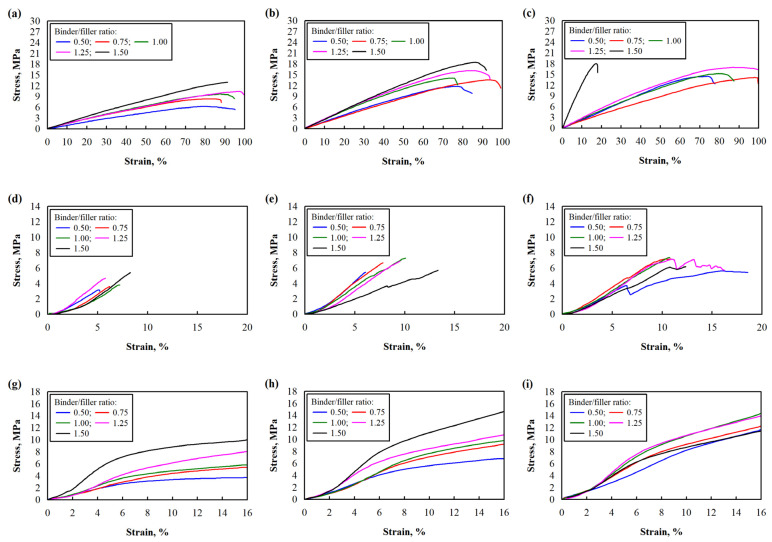
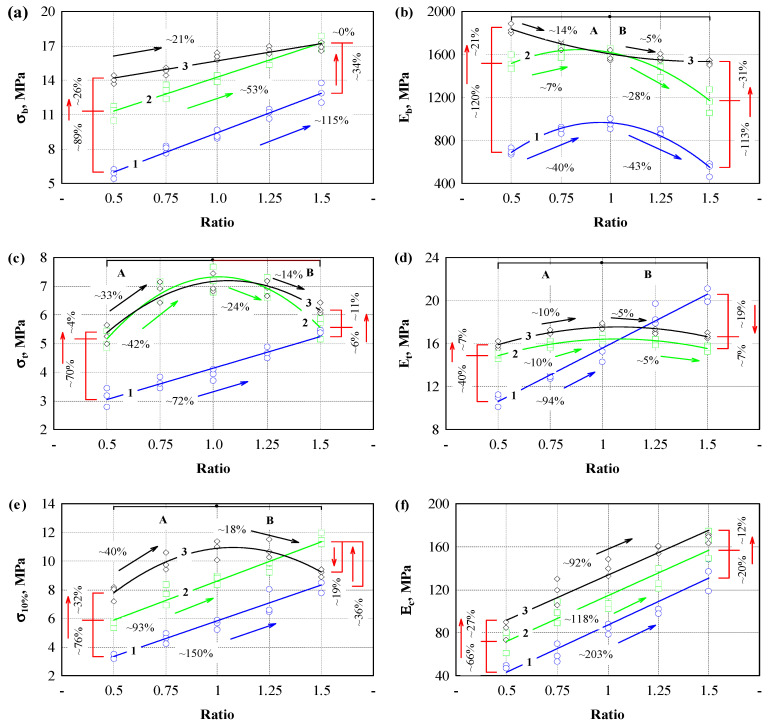
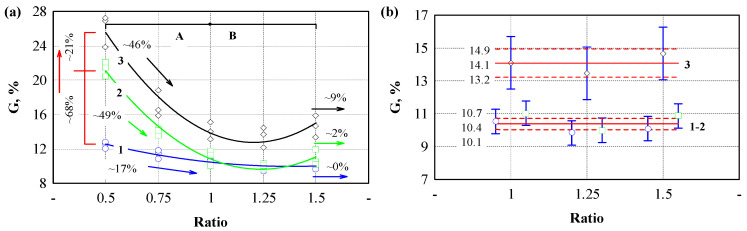
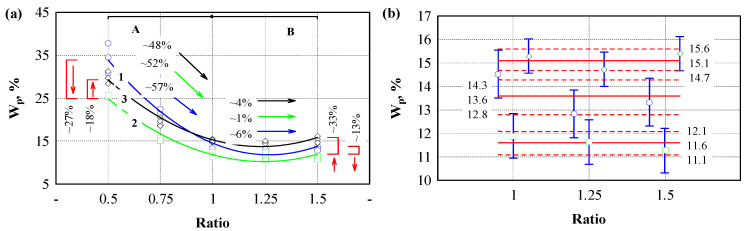
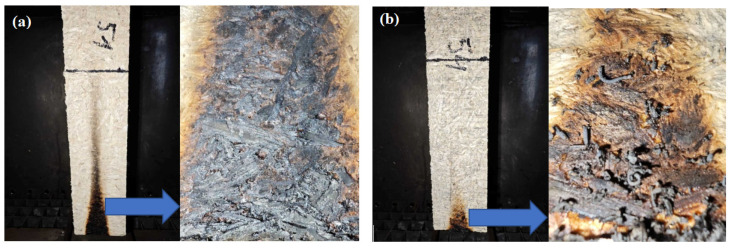
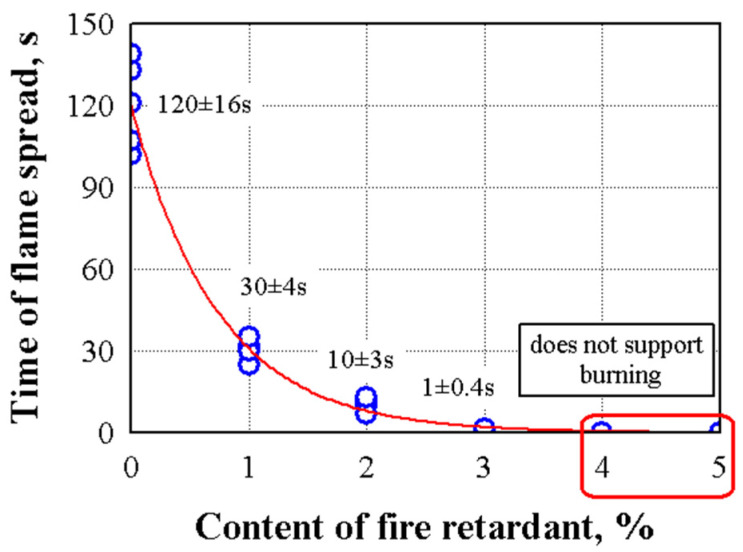
Fiber hemp shives and biopolyurethane binder were used to create an engineered wood composite due to the synergistic properties of these materials. This study created engineered wood specimens using different ratios of biopolyurethane binder and hemp shives, which varied from 0.5 to 1.5. Different pressure levels were used when preparing the specimens, which were 1.5, 3.0, and 4.5 MPa. The formed engineered wood specimens showed that both the amount of binder and the level of pressure significantly influence the strength and moisture indicators, and different processes occur when increasing the amount of binder and the level of pressure. The research showed that the developed engineered wood composites had reached bending strength equal to 17 MPa, tensile strength equal to 7 MPa, and compressive stress equal to 11 MPa. In most cases, the strength index values were higher than those of various industrial-engineered wood products. Engineered wood was characterized by water absorption from 35 to 10%, and swelling in water varied from 26 to 10%. The flammability of the specimens, determined by the low-flame method, indicated that the specimens were flammable, but the expanded graphite used allowed for the creation of non-flammable specimens.
由于纤维大麻屑和生物聚氨酯粘合剂具有协同特性,因此被用于制造一种工程木复合材料。本研究使用不同比例(从0.5到1.5)的生物聚氨酯粘合剂和大麻屑制作工程木样本。制备样本时使用了不同的压力水平,分别为1.5、3.0和4.5兆帕。制成的工程木样本表明,粘合剂用量和压力水平均对强度和湿度指标有显著影响,且在增加粘合剂用量和压力水平时会出现不同的变化过程。研究表明,所开发的工程木复合材料的抗弯强度达到17兆帕,抗拉强度达到7兆帕,抗压应力达到11兆帕。在大多数情况下,强度指标值高于各种工业工程木制品。工程木的吸水率为35%至10%,在水中的膨胀率为26%至10%。通过低火焰法测定的样本可燃性表明,样本是可燃的,但使用膨胀石墨可制成不可燃样本。