Thompson Susan Peirce, Briones Nadia M, Blumkin Aaron, Rabinowitz Betty A
Department of Brain and Cognitive Sciences, University of Rochester, Rochester, NY, United States.
Bright Line Eating Solutions, LLC, Rochester, NY, United States.
Front Psychiatry. 2025 Jun 2;16:1584201. doi: 10.3389/fpsyt.2025.1584201. eCollection 2025.
Research shows that the average person has a slightly addictive relationship with food, manifesting two or more symptoms of food addiction, and more than one in eight people have clinically diagnosable food addiction. Meanwhile, obesity and food addiction share some neurological mechanisms and are correlated in the general population. Could an abstinence-based approach to food addiction recovery be a viable long-term weight loss or weight maintenance strategy?
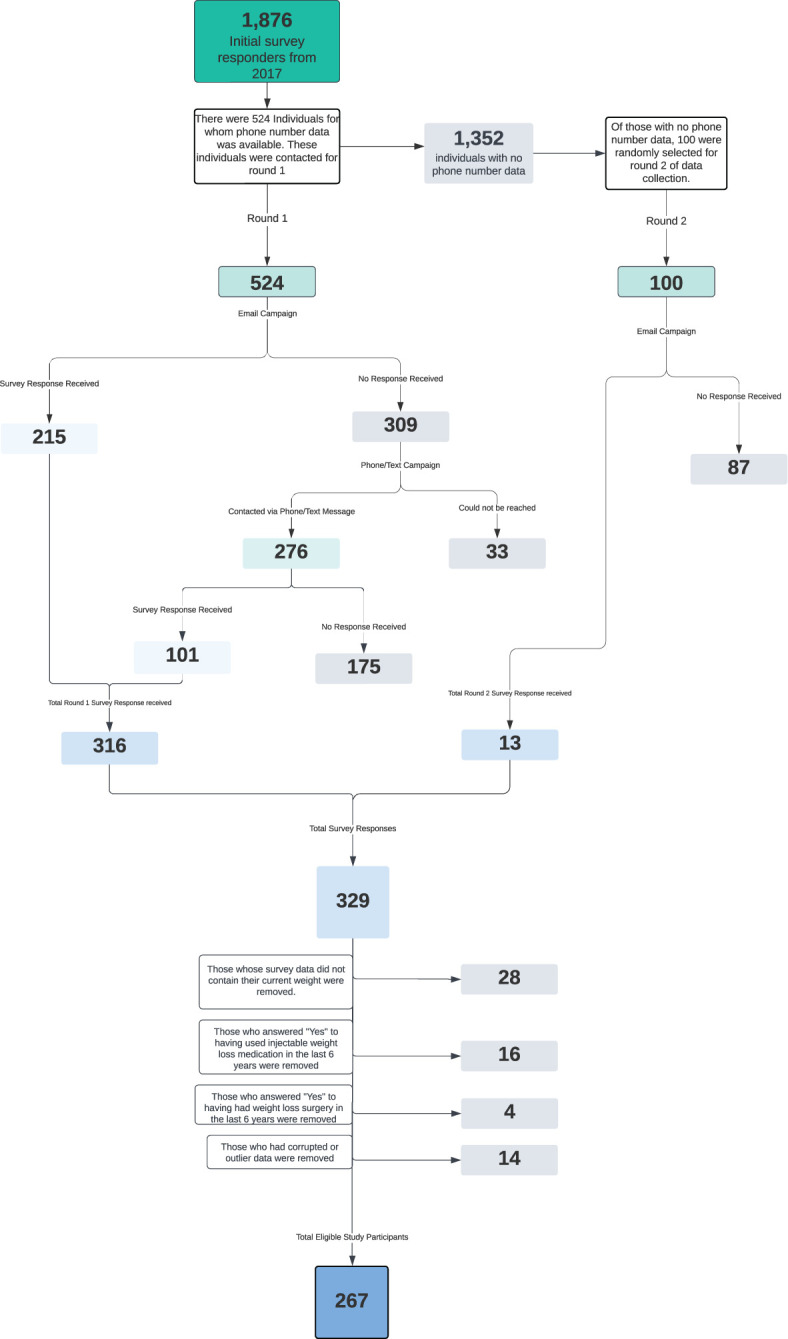
The current study presents six-year retrospective follow-up data from a cohort of participants who started an abstinence-based food addiction recovery program for weight loss in October of 2017. Survey responses from 267 participants were analyzed and compared to baseline self-reported data from six years prior.
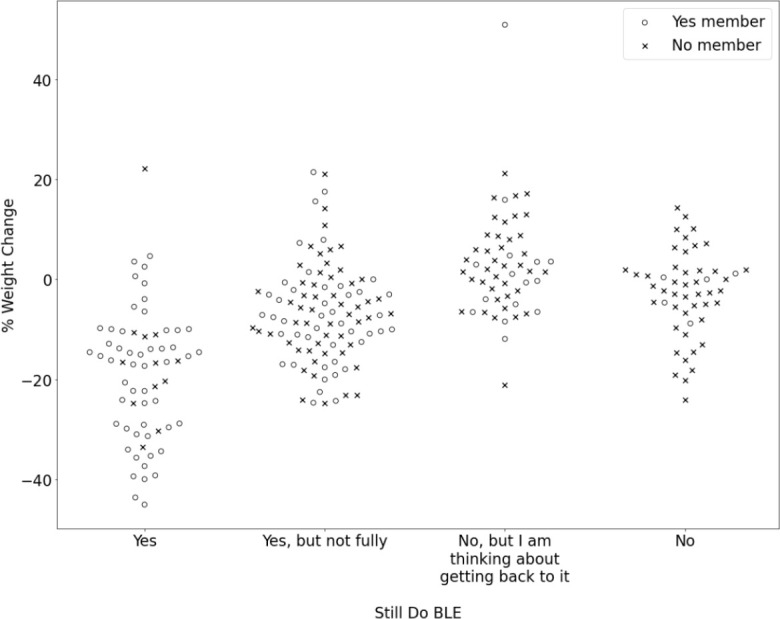
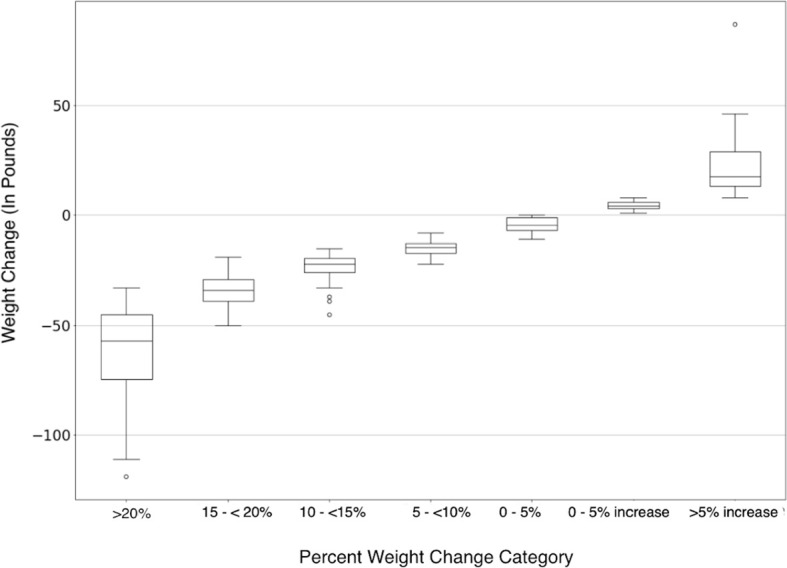
At six years, 71.8% of participants were maintaining greater than 5% weight loss. There was a statistically significant association between sustained weight loss and both current program membership (p<0.001) and degree of adherence to the abstinence-based food plan (p<0.001). Adherence was associated with weight loss outcomes in a dose-response manner. The average sustained weight loss for current members who followed the program was 13.9%.
In spite of the methodological challenges with this type of study, the results do suggest the long-term efficacy of a food addiction recovery approach to weight loss. They also help validate the notion that food addiction may be a significant contributor to the multi-factorial etiology of obesity and indicate the need for further research into the viability of abstinence-based food plans as tools for weight management.
研究表明,普通人与食物存在轻度成瘾关系,表现出两种或更多食物成瘾症状,八分之一以上的人患有临床可诊断的食物成瘾。同时,肥胖和食物成瘾存在一些神经机制,在普通人群中具有相关性。基于戒断的食物成瘾康复方法能否成为可行的长期减肥或维持体重策略?
本研究呈现了一组参与者的六年回顾性随访数据,这些参与者于2017年10月开始基于戒断的食物成瘾康复计划以实现减肥。分析了267名参与者的调查回复,并与六年前的基线自我报告数据进行比较。
六年时,71.8%的参与者体重减轻超过5%。持续体重减轻与当前项目成员身份(p<0.001)以及对基于戒断的食物计划的遵守程度(p<0.001)之间存在统计学上的显著关联。遵守情况与体重减轻结果呈剂量反应关系。遵循该计划的当前成员的平均持续体重减轻为13.9%。
尽管这类研究存在方法上的挑战,但结果确实表明基于食物成瘾康复的减肥方法具有长期疗效。它们还有助于验证食物成瘾可能是肥胖多因素病因的重要因素这一观点,并表明需要进一步研究基于戒断的食物计划作为体重管理工具的可行性。