Wang Zhe, Hu Zihao, Niu Lin, Xu Yongsheng, Qi Yansong
Orthopedic Center (Sports Medicine Center), Inner Mongolia Autonomous Region People's Hospital, Hohhot, China.
Inner Mongolia Academy of Medical Sciences, Inner Mongolia Autonomous Region People's Hospital, Hohhot, China.
Front Pharmacol. 2025 Jun 2;16:1588841. doi: 10.3389/fphar.2025.1588841. eCollection 2025.
In this study, we systematically evaluated the efficacy of mesenchymal stem cell (MSC) derived exosomes (MSC-exos) in the treatment of osteoarthritis (OA) through multimodal evaluation of cartilage protection, anti-inflammatory activity and tissue regeneration. A comparative analysis of drug delivery strategies was performed to explore better therapeutic effects.
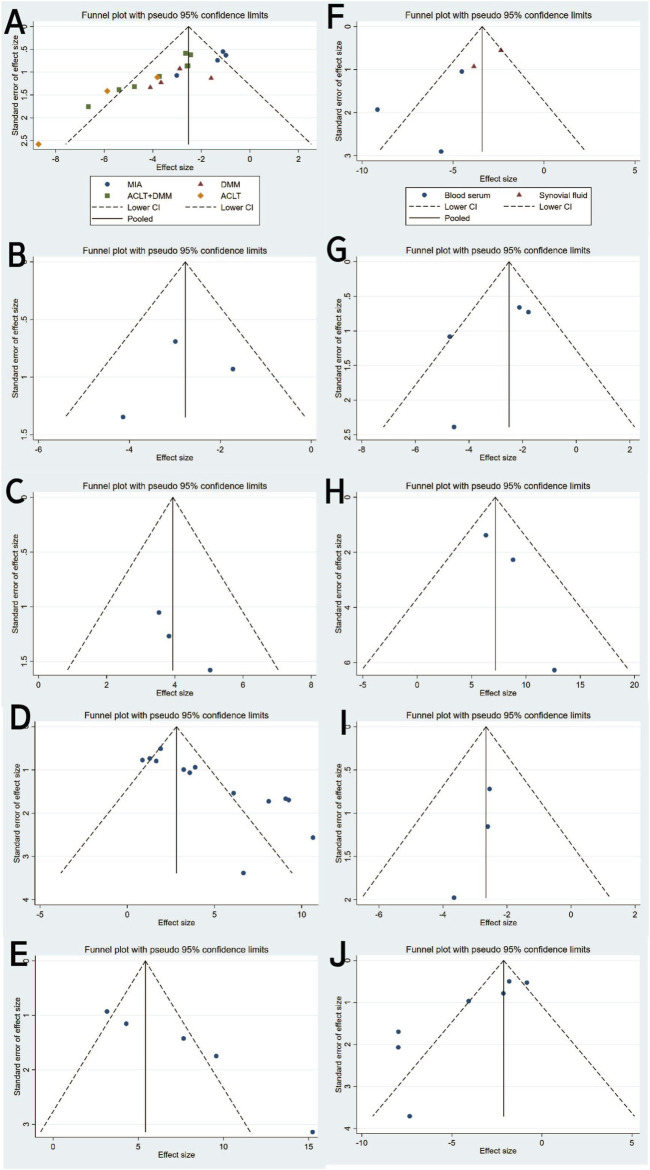
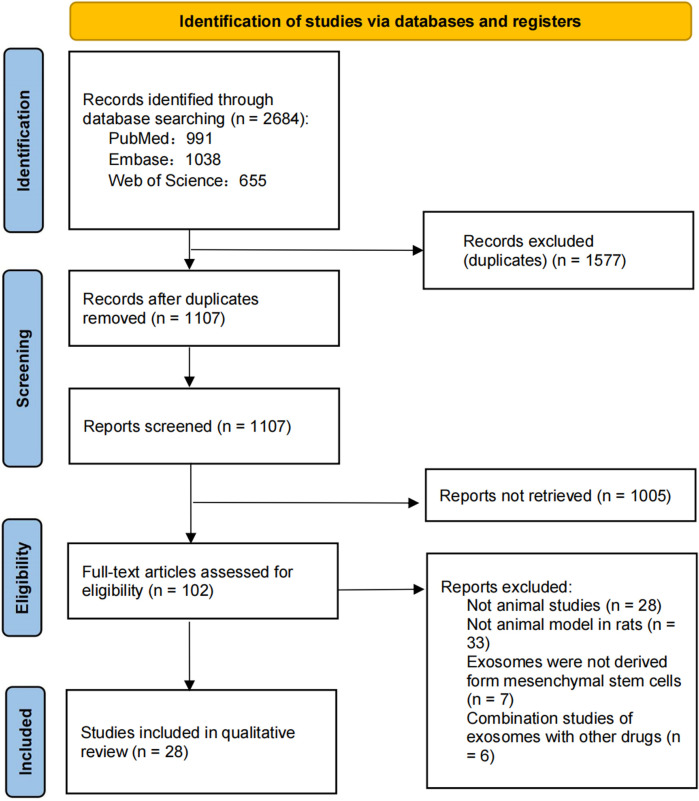
The study employed a systematic search of PubMed, Embase, and Web of Science databases for comparative studies on exosome treatments in rat knee OA models with cartilage damage up to July 2024. Two researchers independently reviewed the literature, extracted data, evaluated bias, and conducted a meta-analysis using RevMan 5.4.1, Stata IC 15, and Stata 18.
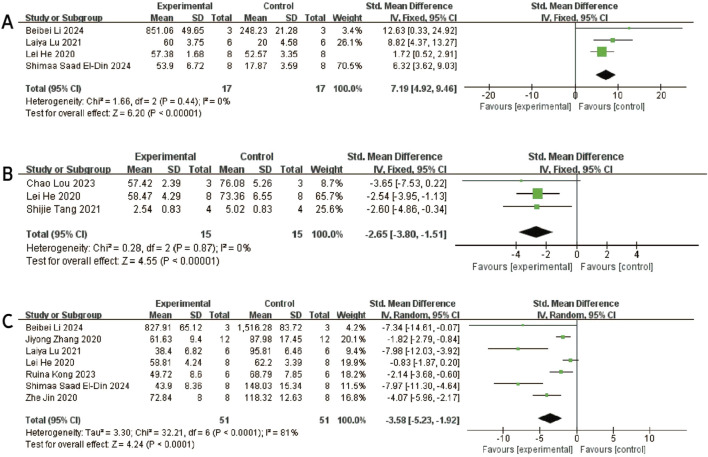
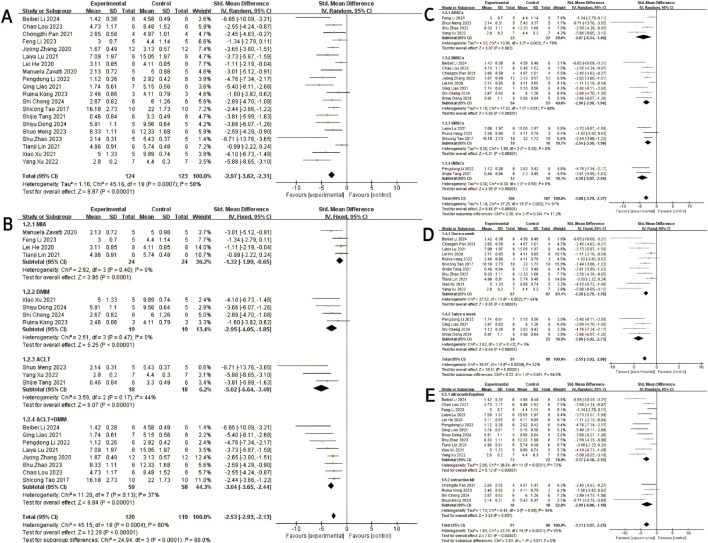
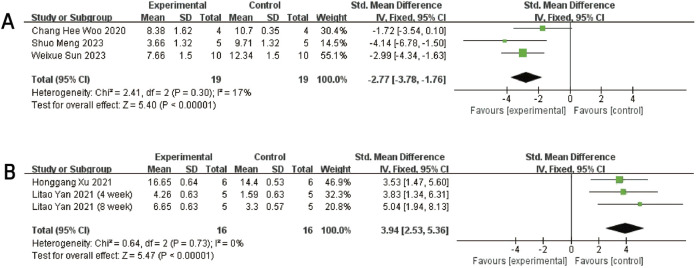
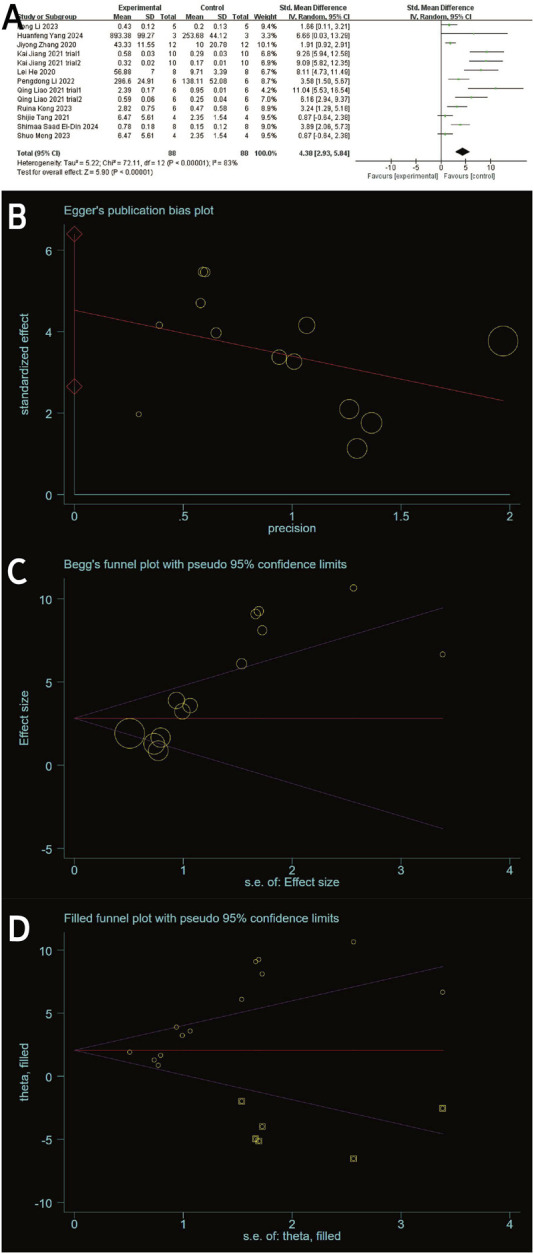
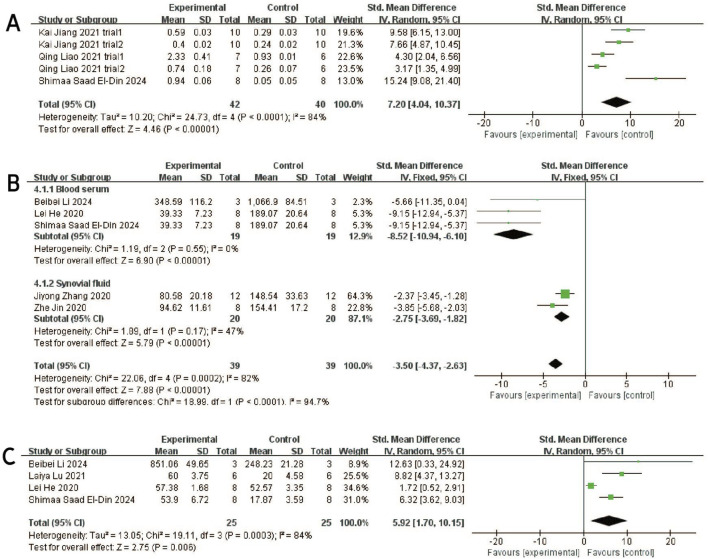
Our systematic review incorporated 28 preclinical studies demonstrating that MSC-exos consistently exhibited therapeutic advantages in cartilage repair, as evidenced by significant improvements across validated histological scoring systems, such as Osteoarthritis Research Society International (OARSI), Mankin, and International Cartilage Repair Society (ICRS) metrics. Mechanistic analyses revealed coordinated anabolic-catabolic modulation, with marked upregulation of cartilage-specific anabolic factors including collagen type II, aggrecan core protein, and interleukin-10. Concomitantly, MSC-exos suppressed pro-inflammatory mediators through downregulation of interleukin-1β, interleukin-6, matrix metalloproteinase-13, and tumor necrosis factor-alpha, critical regulators of extracellular matrix degradation in OA pathogenesis. Subgroup analysis of MSC types may suggest that exosomes derived from synovial fluid mesenchymal stem cells (SF-MSC-exos) and umbilical cord mesenchymal stem cells (UMSC-exos) have better effects on cartilage repair. Biweekly exosome injections are more effective than weekly injections in repairing OA.
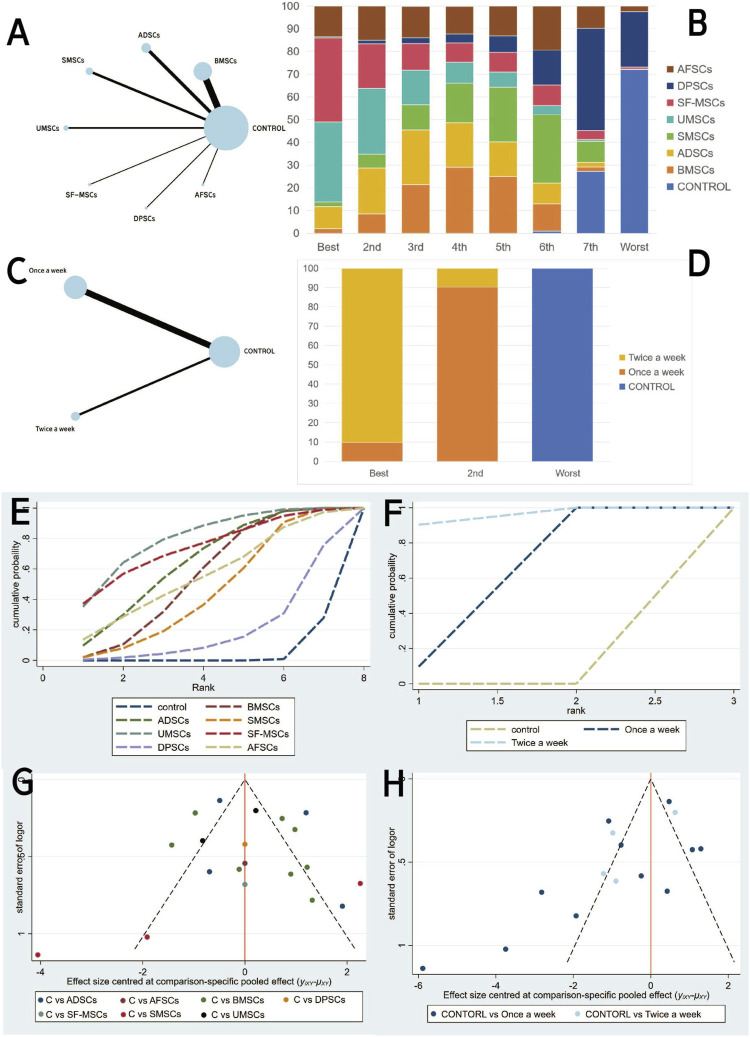
This meta-analysis, by combining existing evidence with network meta-analysis, suggests that UMSC-exos and SF-MSC-exos are the most effective treatment options and that twice-weekly doses are the optimal frequency of treatment. MSC-exos significantly improved the histopathological score of oOA through bidirectional regulation of cartilage anabolic activation and catabolic inhibition. The results of the subgroup analysis provide suggestions for future clinical treatment of OA with exosomes. In the future, more high-quality randomised controlled animal and clinical trials are needed to determine the optimal type, frequency and dose of exosomes for OA treatment.
https://www.crd.york.ac.uk/PROSPERO/view/CRD42024599998, PROSPERO, CRD42024599998.
在本研究中,我们通过对软骨保护、抗炎活性和组织再生的多模式评估,系统地评估了间充质干细胞(MSC)衍生的外泌体(MSC-exos)在骨关节炎(OA)治疗中的疗效。进行了药物递送策略的比较分析,以探索更好的治疗效果。
该研究系统检索了PubMed、Embase和Web of Science数据库,以查找截至2024年7月在大鼠膝关节OA软骨损伤模型中外泌体治疗的比较研究。两名研究人员独立审查文献、提取数据、评估偏倚,并使用RevMan 5.4.1、Stata IC 15和Stata 18进行荟萃分析。
我们的系统评价纳入了28项临床前研究,表明MSC-exos在软骨修复中始终表现出治疗优势,在经过验证的组织学评分系统(如国际骨关节炎研究学会(OARSI)、曼金和国际软骨修复学会(ICRS)指标)中均有显著改善。机制分析揭示了合成代谢-分解代谢的协同调节,软骨特异性合成代谢因子包括II型胶原蛋白、聚集蛋白聚糖核心蛋白和白细胞介素-10显著上调。同时,MSC-exos通过下调白细胞介素-1β、白细胞介素-6、基质金属蛋白酶-13和肿瘤坏死因子-α来抑制促炎介质,这些是OA发病机制中细胞外基质降解的关键调节因子。对MSC类型的亚组分析可能表明,滑膜液间充质干细胞来源的外泌体(SF-MSC-exos)和脐带间充质干细胞来源的外泌体(UMSC-exos)对软骨修复有更好的效果。每两周注射外泌体在修复OA方面比每周注射更有效。
这项荟萃分析通过将现有证据与网络荟萃分析相结合,表明UMSC-exos和SF-MSC-exos是最有效的治疗选择,每周两次给药是最佳治疗频率。MSC-exos通过双向调节软骨合成代谢激活和分解代谢抑制,显著改善了骨关节炎的组织病理学评分。亚组分析结果为未来外泌体治疗OA的临床应用提供了建议。未来,需要更多高质量的随机对照动物和临床试验来确定治疗OA的外泌体的最佳类型、频率和剂量。
https://www.crd.york.ac.uk/PROSPERO/view/CRD42024599998,PROSPERO,CRD42024599998。