Wang Yanwen, Yang Lei, Geng Wenzhu, Zhang Hongxia, Zhou Houjun
The Engineering Research Institute of Agriculture and Forestry, Ludong University, Yantai, Shandong, China.
College of Horticulture, Ludong University, Yantai, Shandong, China.
Front Plant Sci. 2025 Jun 2;16:1581182. doi: 10.3389/fpls.2025.1581182. eCollection 2025.
The sucrose synthase (SUS), a crucial enzyme in the sucrose metabolism, is encoded by a multigene family in plant kingdom.
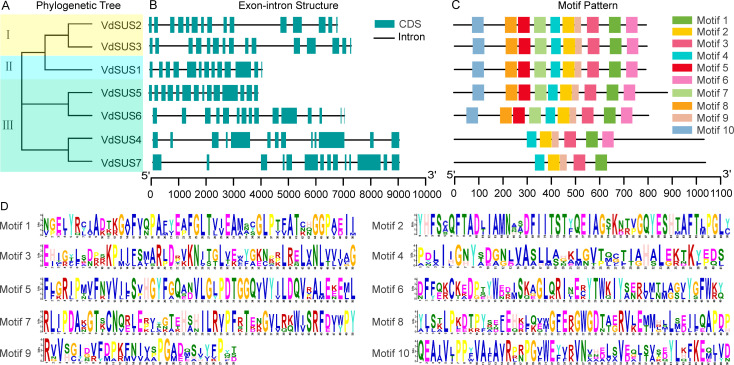
In our study, we utilized bioinformatics tools to identify and characterize the members of the gene family within the blueberry genome. Our analysis encompassed the physicochemical properties, gene structures, conserved motifs, promoter -acting elements, chromosomal locations, evolutionary relationships and expression profiles of these family members, allowing us to predict their potential functions.
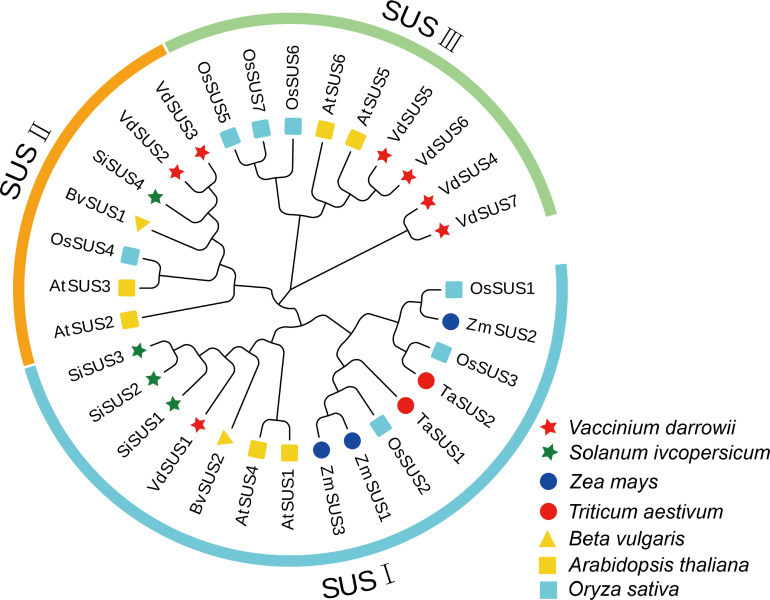
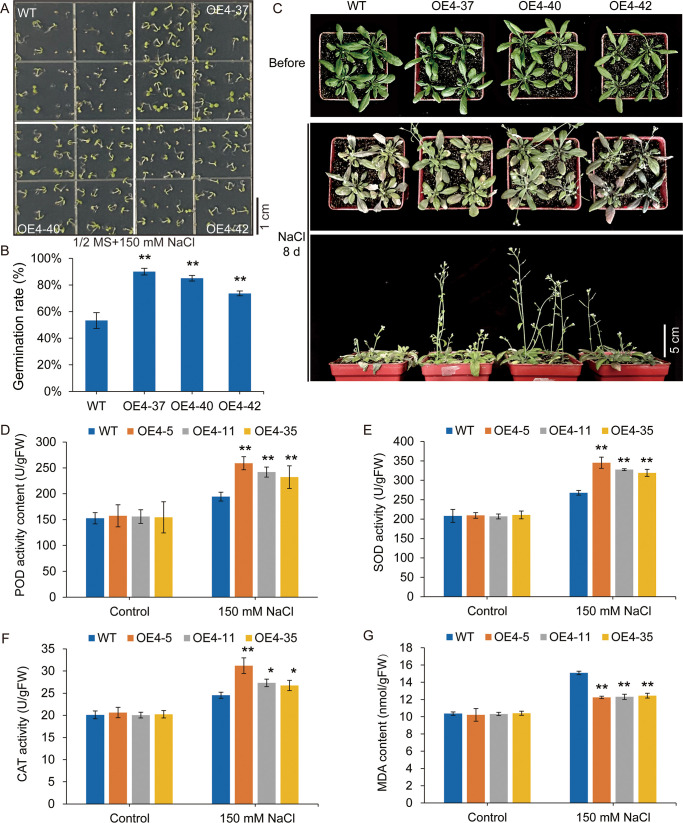
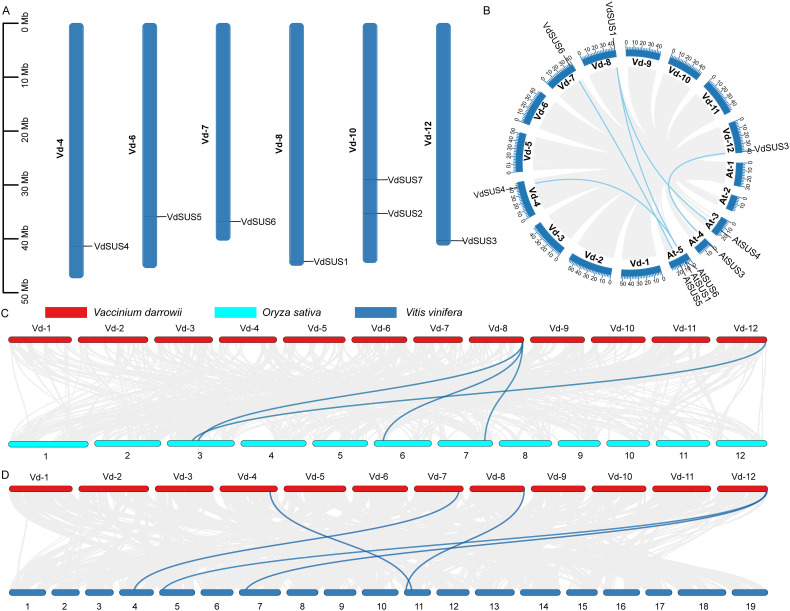
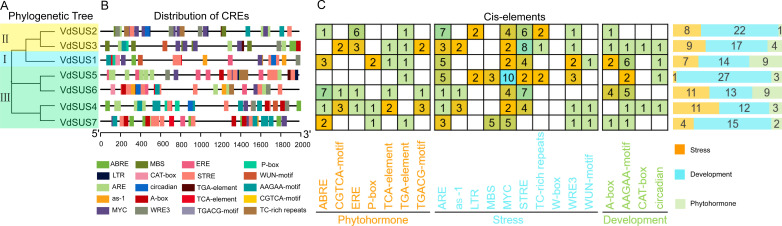
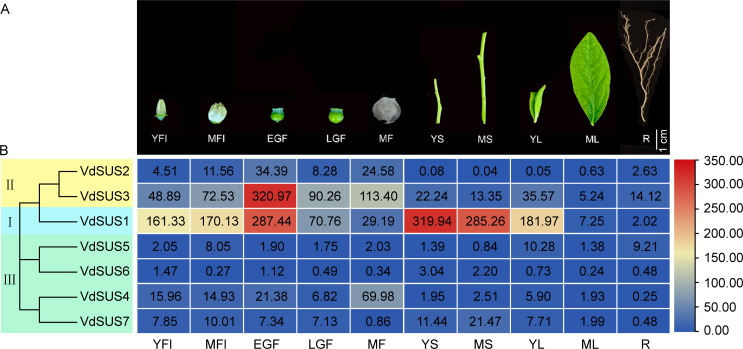
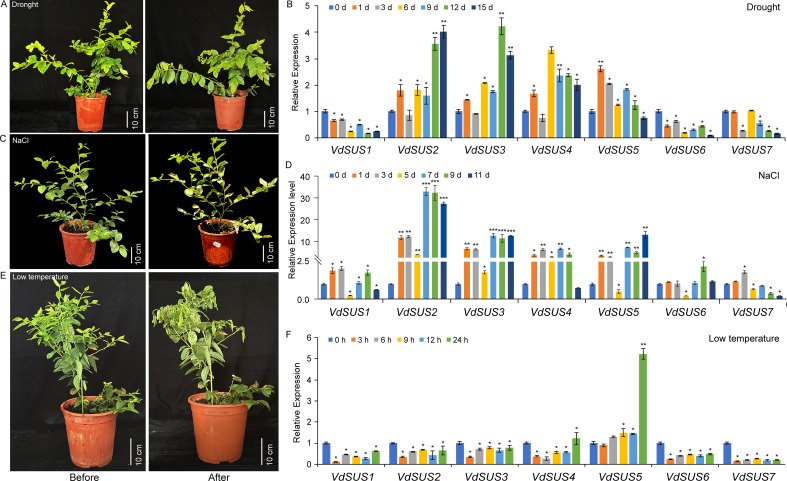
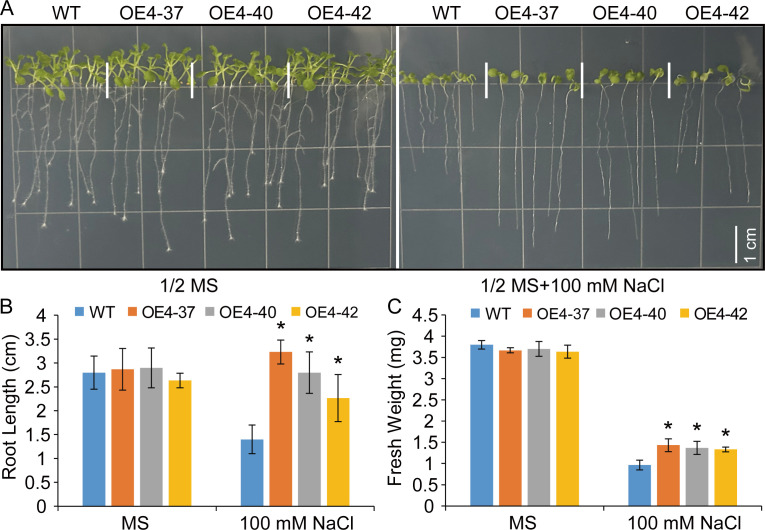
We identified seven distinct genes, mapped across six chromosomes, showcasing the complexity of this gene family in blueberries. Phylogenetic analysis, constructed through a multi-species phylogenetic tree, revealed that the gene family can be categorized into three subfamilies: SUS I, SUS II and SUS III. Notable variations were observed among the gene family members, particularly in the number of amino acids, molecular weight, isoelectric point, and hydrophobicity of the encoded proteins. Intriguingly, our predictive analysis of the promoter regions of genes uncovered a wealth of cis-acting elements linked to light response, hormonal regulation, and stress responses, suggesting a role in adaptive mechanisms. Expression studies indicated that genes were highly expressed in fruit tissues, with the application of exogenous sucrose leading to significant downregulation of and . Furthermore, the expression of VdSUS genes was found to be responsive to abiotic stresses, such as salt, drought, and low temperatures, with varying degrees of upregulation or downregulation observed. Most notably, the overexpression of in resulted in enhanced tolerance to salt stress.
These findings have shed new light on the multifaceted roles of gene family members in the complex physiological processes of blueberries, highlighting their potential in the context of stress adaptation and fruit development.
蔗糖合酶(SUS)是蔗糖代谢中的一种关键酶,由植物界的一个多基因家族编码。
在我们的研究中,我们利用生物信息学工具来鉴定和表征蓝莓基因组内该基因家族的成员。我们的分析涵盖了这些家族成员的理化性质、基因结构、保守基序、启动子作用元件、染色体定位、进化关系和表达谱,从而使我们能够预测它们的潜在功能。
我们鉴定出七个不同的基因,分布在六条染色体上,显示了该基因家族在蓝莓中的复杂性。通过多物种系统发育树构建的系统发育分析表明,该基因家族可分为三个亚家族:SUS I、SUS II和SUS III。在该基因家族成员之间观察到显著差异,特别是在编码蛋白质的氨基酸数量、分子量、等电点和疏水性方面。有趣的是,我们对该基因启动子区域的预测分析发现了大量与光响应、激素调节和应激反应相关的顺式作用元件,表明其在适应性机制中发挥作用。表达研究表明,该基因在果实组织中高度表达,外源蔗糖的应用导致该基因和该基因显著下调。此外,发现VdSUS基因的表达对盐、干旱和低温等非生物胁迫有响应,观察到不同程度的上调或下调。最值得注意的是,该基因在该植物中的过表达导致对盐胁迫的耐受性增强。
这些发现为该基因家族成员在蓝莓复杂生理过程中的多方面作用提供了新的见解,突出了它们在胁迫适应和果实发育方面的潜力。