Gao Wenting, Manning Jason C, Devaraj Kirtana, Richards-Kortum Rebecca R, McFall Sally M, Murphy Robert L, Semeere Aggrey, Erickson David
Meinig School of Biomedical Engineering, Cornell University, Ithaca, NY.
Department of Bioengineering, Rice University, Houston, TX.
JCO Glob Oncol. 2025 Jun;11:e2500142. doi: 10.1200/GO-25-00142. Epub 2025 Jun 18.
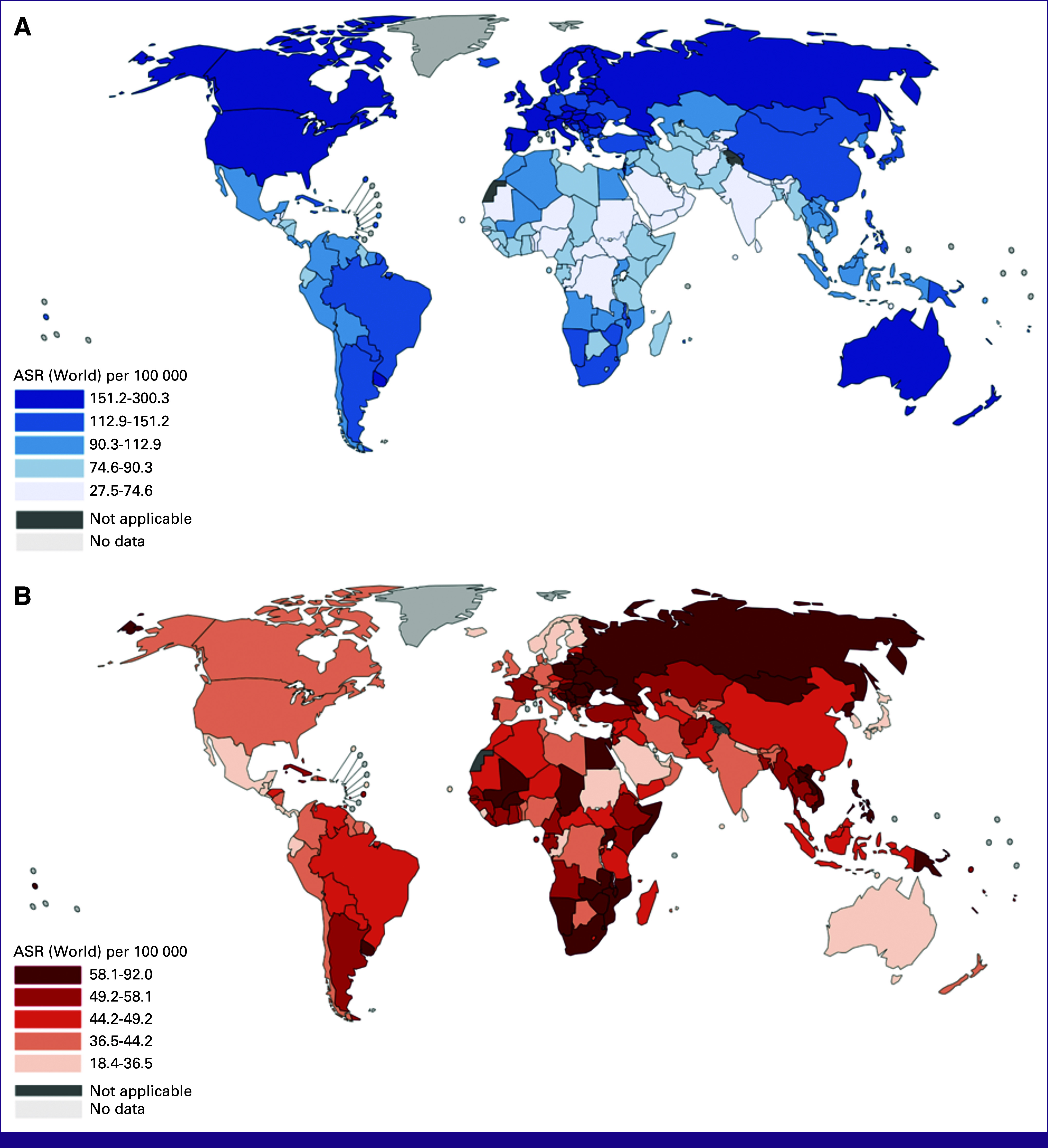
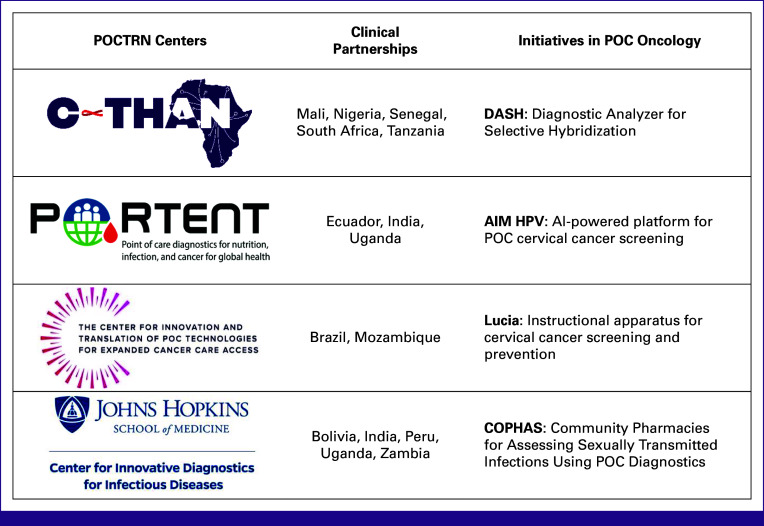
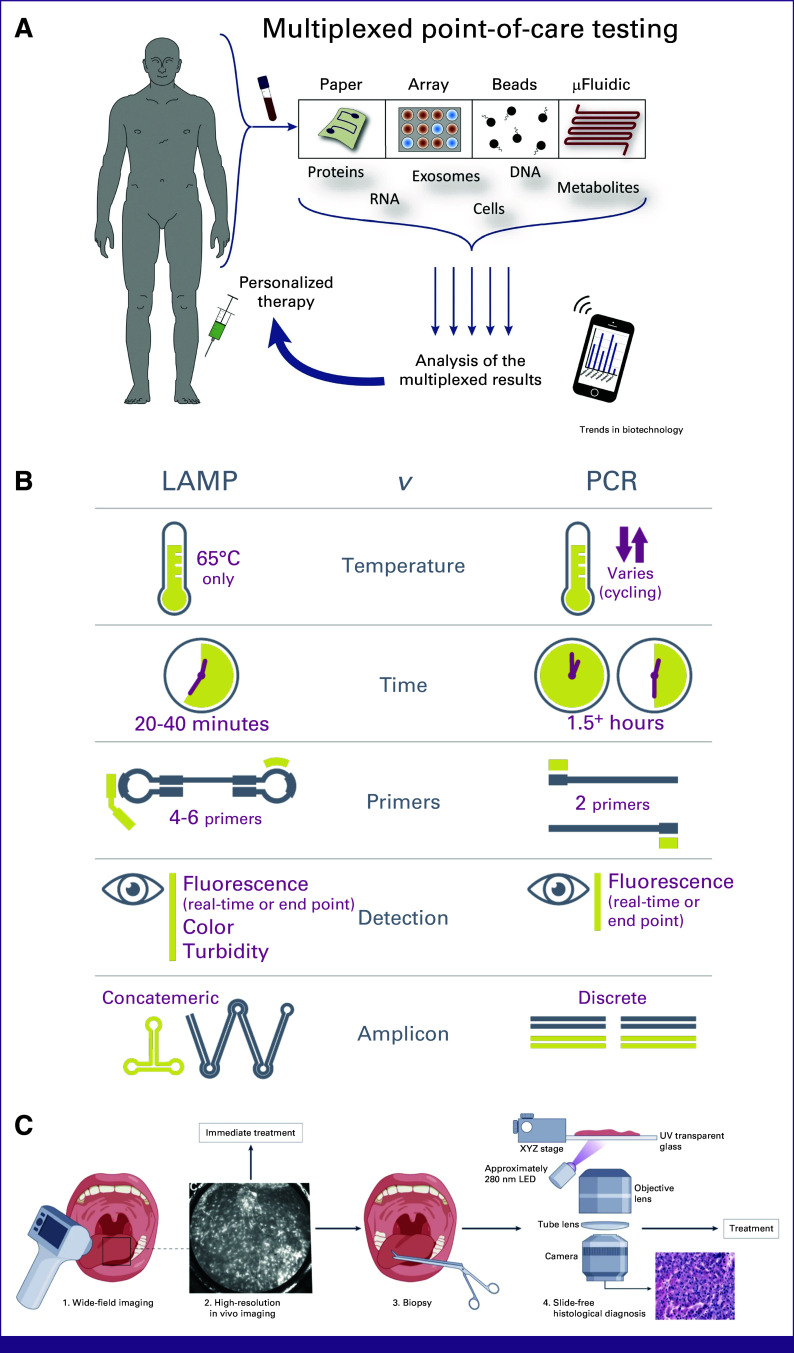
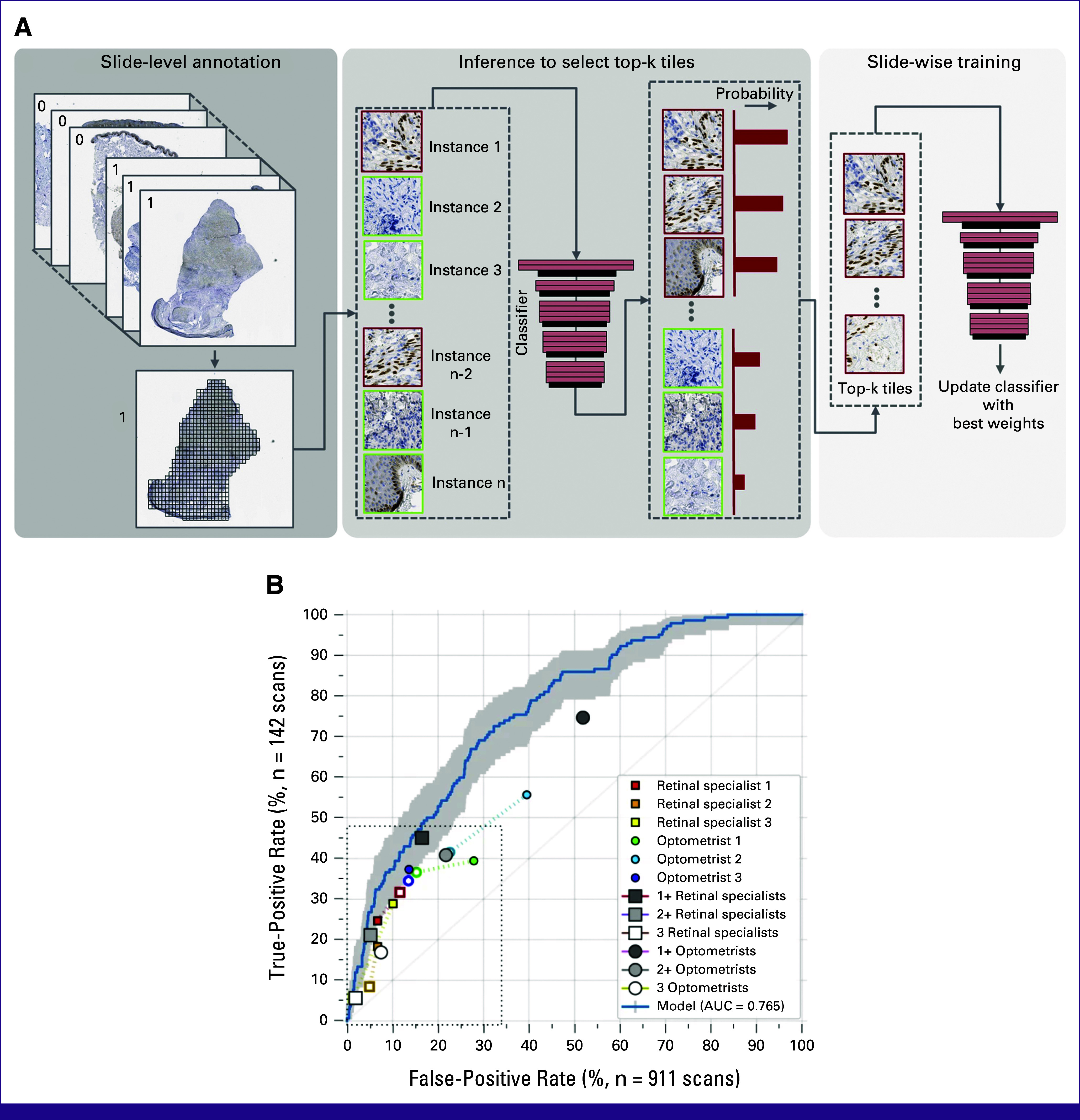
The growing cancer burden and suboptimal diagnostic capacity in low- and middle-income countries calls for urgent innovation in diagnostic solutions. Point-of-care technologies (POCTs) offer a transformative approach to decentralizing cancer diagnostics by providing rapid, affordable, and scalable testing in resource-constrained settings. Recent advancements, including loop-mediated isothermal amplification and multiplexed lateral flow immunoassay, enable high-sensitivity detection of cancer biomarkers without the need for complex laboratory infrastructure. Additionally, noninvasive imaging tools, such as optical coherence tomography and fluorescence-guided microscopy, offer portable and cost-effective solutions for early cancer detection in settings with limited health care services. These innovations are complemented by the integration of artificial intelligence, which improves diagnostic accuracy and reduces reliance on highly trained personnel. However, significant infrastructure and logistical challenges persist, including resource constraints, unreliable electricity, and insufficient cold-chain logistics, which limit diagnostic precision and accessibility. This review discusses recent advances in POCTs for oncology and examines how public-private partnerships and multisector collaborations can address key implementation barriers. By prioritizing inclusivity, cross-sector collaboration, and targeted investments, POCTs can sustainably narrow global disparities in cancer diagnosis and treatment.
低收入和中等收入国家不断增加的癌症负担以及欠佳的诊断能力,要求在诊断解决方案方面进行紧急创新。即时检测技术(POCT)通过在资源有限的环境中提供快速、经济且可扩展的检测,为分散癌症诊断提供了一种变革性方法。最近的进展,包括环介导等温扩增和多重侧向流免疫分析,无需复杂的实验室基础设施就能实现对癌症生物标志物的高灵敏度检测。此外,非侵入性成像工具,如光学相干断层扫描和荧光引导显微镜,为医疗服务有限的环境中的早期癌症检测提供了便携且经济高效的解决方案。这些创新因人工智能的整合而得到补充,人工智能提高了诊断准确性并减少了对训练有素人员的依赖。然而,重大的基础设施和后勤挑战依然存在,包括资源限制、电力供应不可靠以及冷链物流不足,这些都限制了诊断精度和可及性。本综述讨论了肿瘤学POCT的最新进展,并探讨了公私伙伴关系和多部门合作如何能够克服关键的实施障碍。通过优先考虑包容性、跨部门合作和有针对性的投资,POCT能够可持续地缩小全球癌症诊断和治疗方面的差距。