Abu-Sultanah Mohannad, Zhou Zhuan, Jiang Chunhui, Mitchell Dana K, Bessler Waylan K, Jiang Li, Li Xiaohong, Qian Shaomin, Smith Abbi E, Mang Henry E, White Emily E, Ciesielski Marisa D, Hickey Brooke E, Brewster Kylee M, Sandusky George E, Masters Andi, Angus Steven P, Clapp D Wade, Le Lu Q, Rhodes Steven D
Department of Pediatrics, Herman B Wells Center for Pediatric Research, Indiana University School of Medicine, Indianapolis, IN, USA.
Department of Dermatology, University of Texas Southwestern Medical Center, Dallas, TX, USA.
Sci Adv. 2025 Jun 20;11(25):eadu0772. doi: 10.1126/sciadv.adu0772.
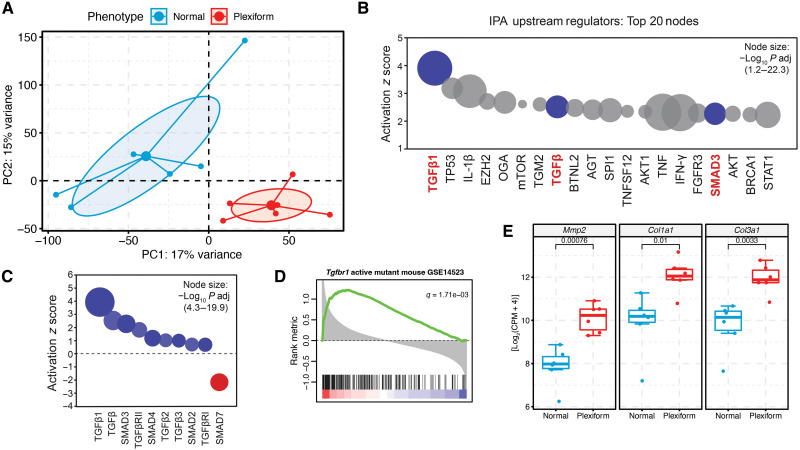
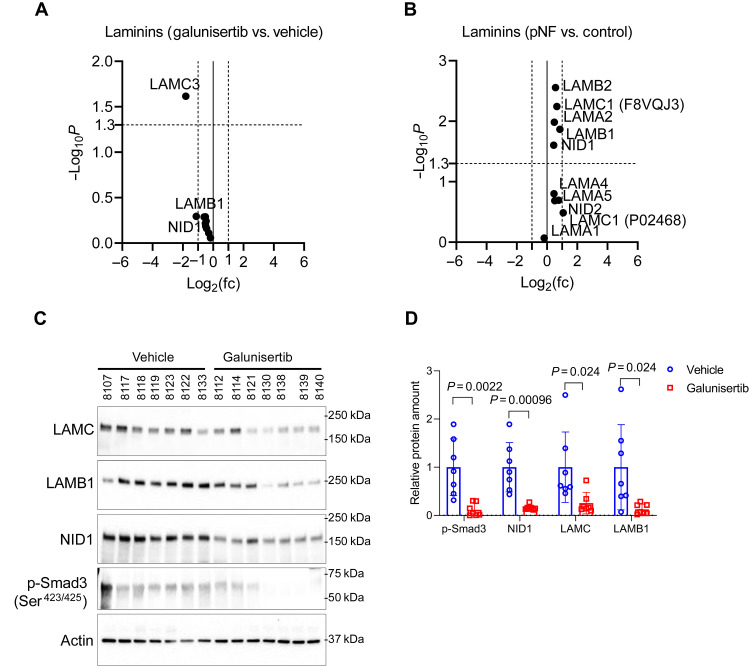
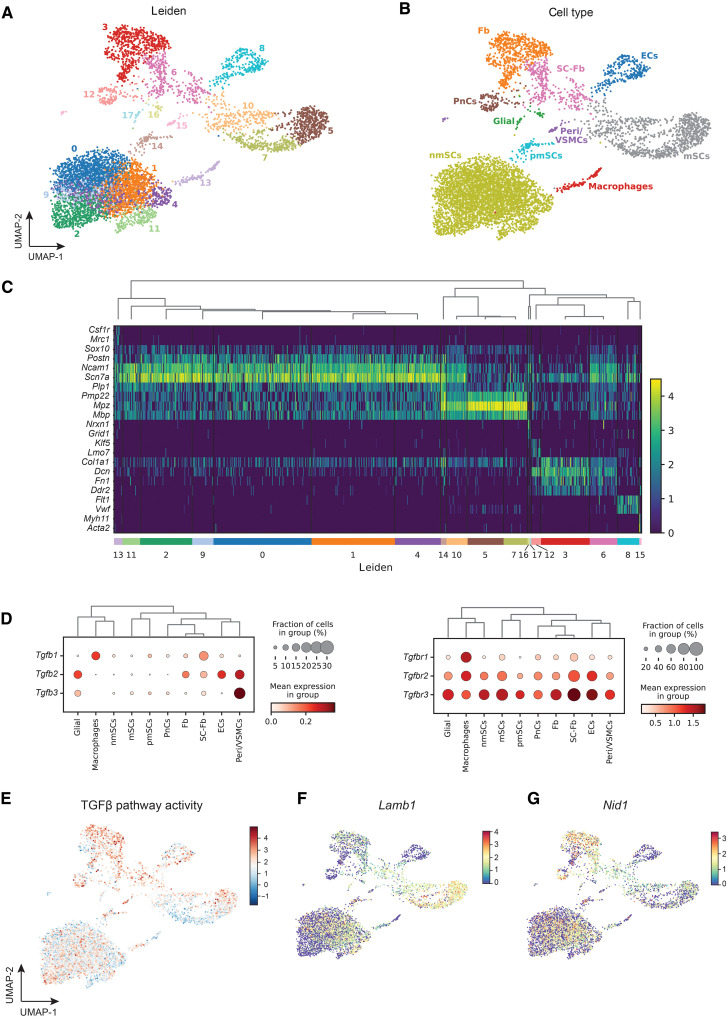
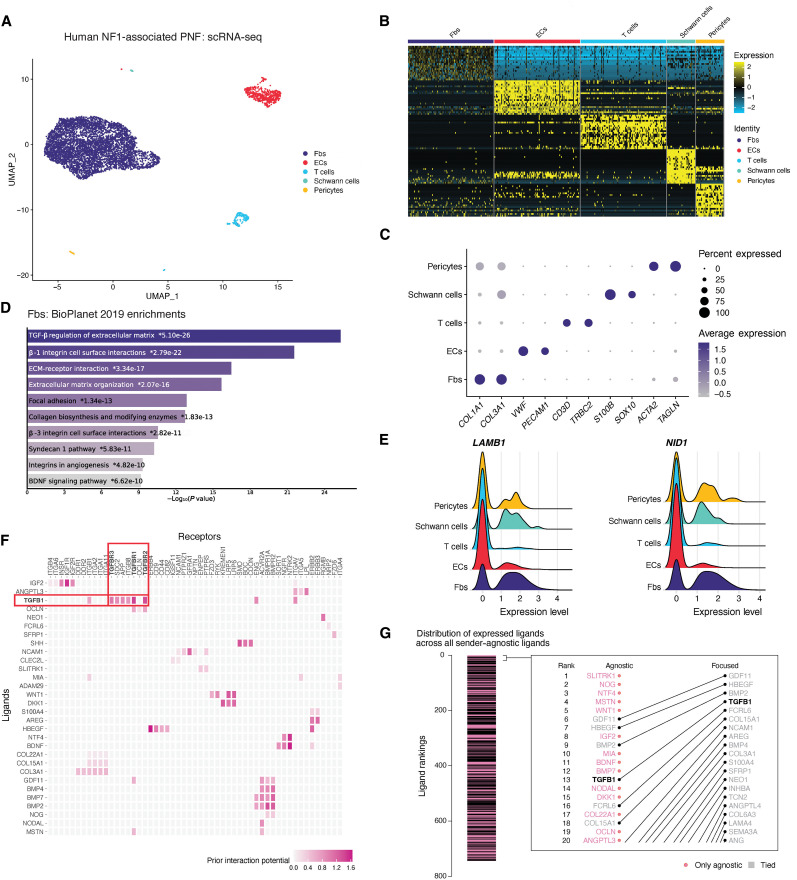
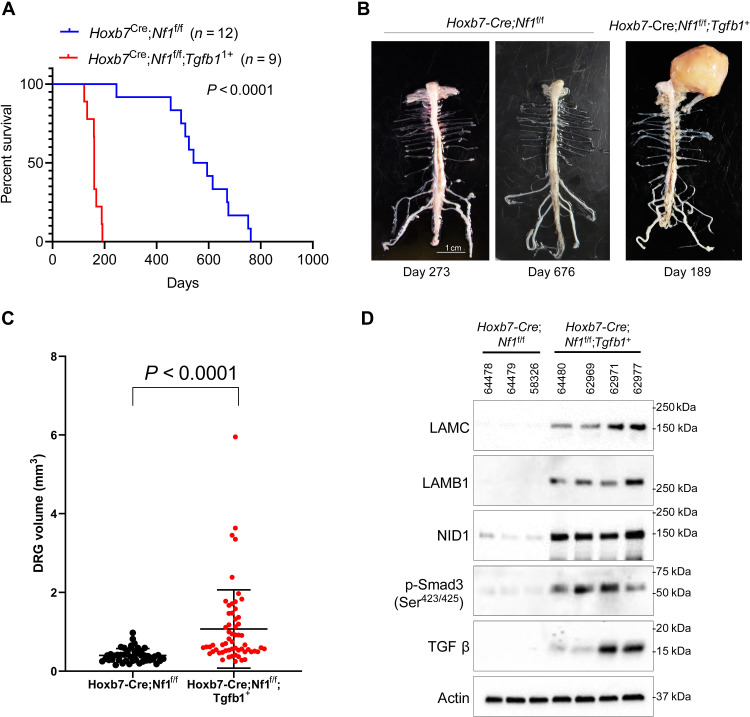
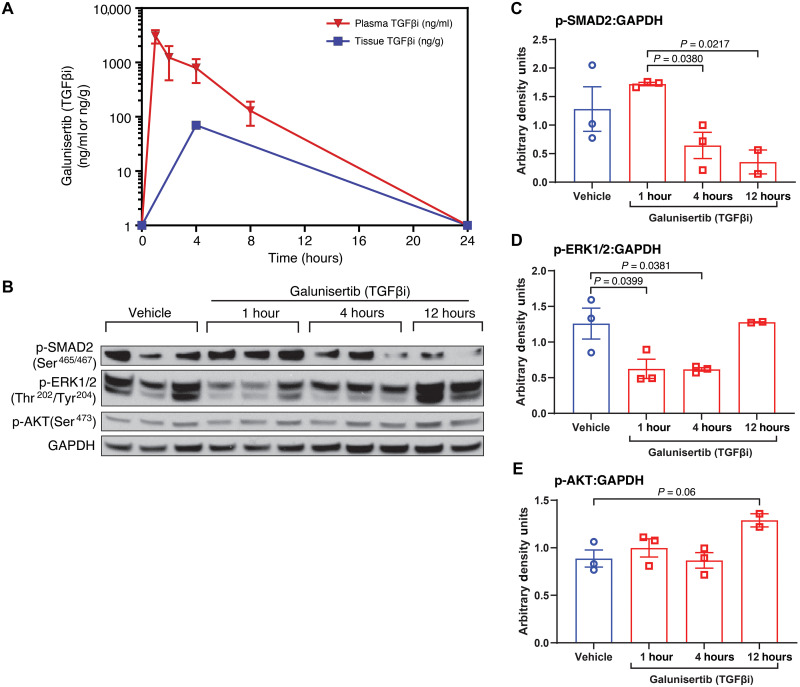
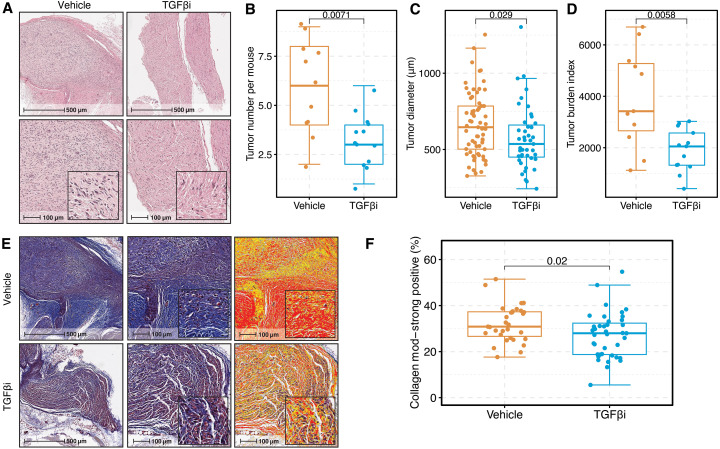
Plexiform neurofibromas (PNFs) are benign tumors of the peripheral nervous system that represent a major source of morbidity in neurofibromatosis type 1 (NF1). A substantial proportion of patients do not respond to current therapies or experience intolerable side effects. Transcriptomic characterization of murine and human PNF at bulk and single-cell resolution identified transforming growth factor-β (TGFβ) signaling as a key upstream regulator, driving aberrant basement membrane (BM) protein production by neoplastic Schwann cells and Fbs. Conditional TGFβ1 overexpression in -deficient Schwann cells driven by Cre promoted PNF growth and malignant transformation in vivo. Conversely, pharmacologic inhibition of the type I TGFβ receptor (TGFβRI) reduced PNF tumor burden in mutant mice. Proteomic characterization of the extracellular matrix (ECM) showed reduced BM proteins upon TGFβRI inhibition. These findings implicate TGFβ as a potential therapeutic target in PNF and provide insights into the role of TGFβ signaling in orchestrating ECM dynamics in the PNF microenvironment.
丛状神经纤维瘤(PNFs)是外周神经系统的良性肿瘤,是1型神经纤维瘤病(NF1)发病的主要原因。相当一部分患者对当前治疗无反应或出现无法耐受的副作用。对小鼠和人类PNF进行的批量和单细胞分辨率转录组学特征分析确定,转化生长因子-β(TGFβ)信号传导是关键的上游调节因子,驱动肿瘤性雪旺细胞和纤维母细胞异常产生基底膜(BM)蛋白。由Cre驱动的、在缺乏特定基因的雪旺细胞中条件性过表达TGFβ1可促进PNF在体内生长和恶性转化。相反,对I型TGFβ受体(TGFβRI)进行药理抑制可减轻突变小鼠的PNF肿瘤负担。细胞外基质(ECM)的蛋白质组学特征分析显示,抑制TGFβRI后BM蛋白减少。这些发现表明TGFβ是PNF潜在的治疗靶点,并为TGFβ信号传导在调控PNF微环境中ECM动态变化的作用提供了见解。