Wang Rui, Kubiatowicz Luke J, Zhang Runhe, Bao Lin, Fang Ronnie H, Zhang Liangfang
Aiiso Yufeng Li Family Department of Chemical and Nano Engineering, Shu and K.C. Chien and Peter Farrell Collaboratory, University of California San Diego, San Diego, United States.
Division of Host-Microbe Systems and Therapeutics, Department of Pediatrics, University of California San Diego, San Diego, United States.
Front Immunol. 2025 Jun 10;16:1592795. doi: 10.3389/fimmu.2025.1592795. eCollection 2025.
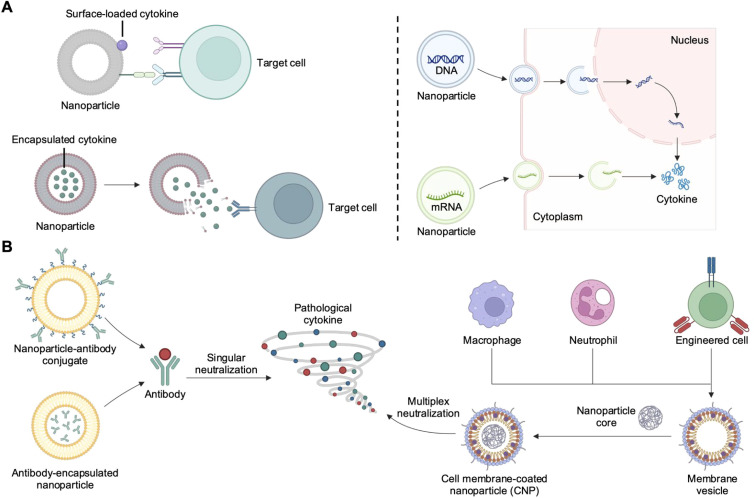
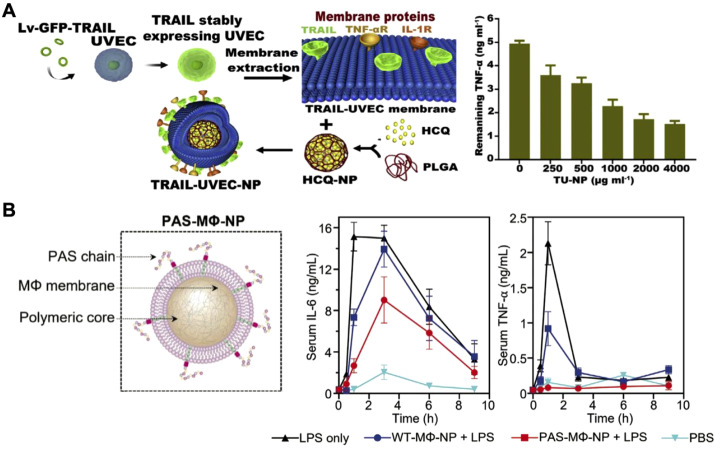
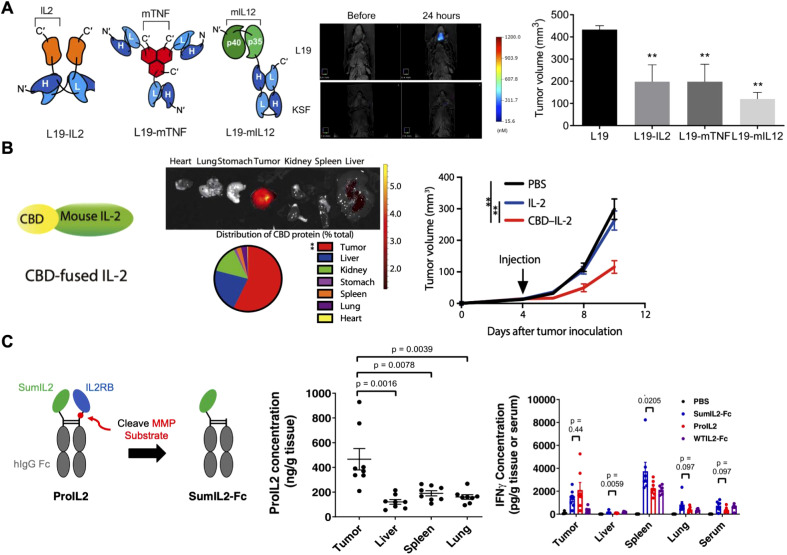
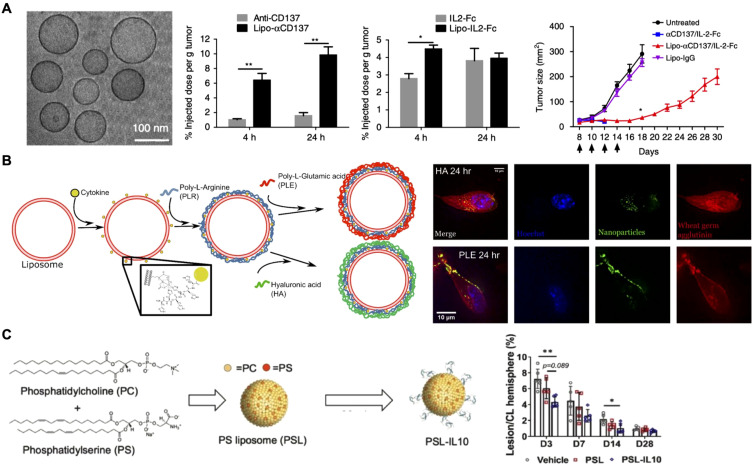
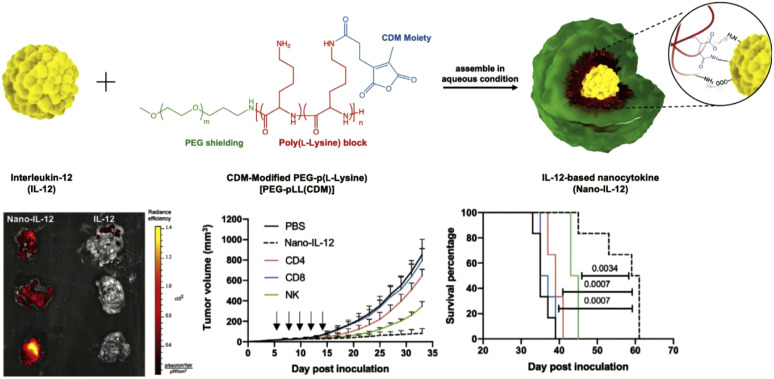
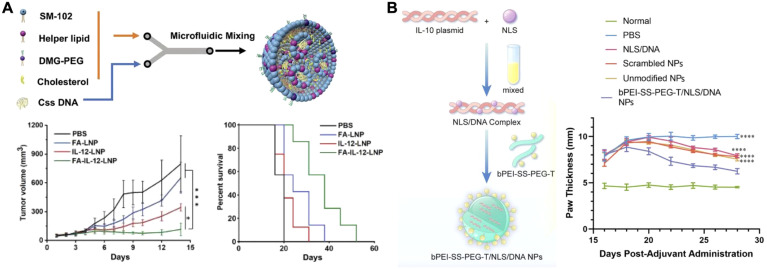
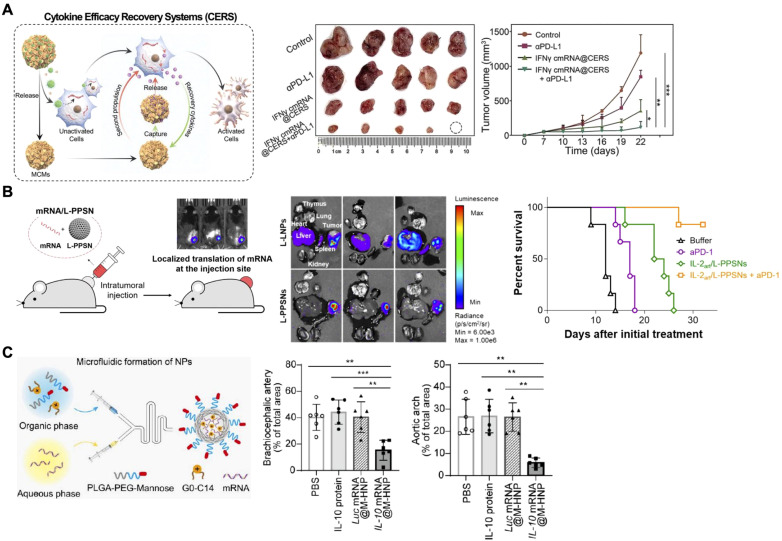
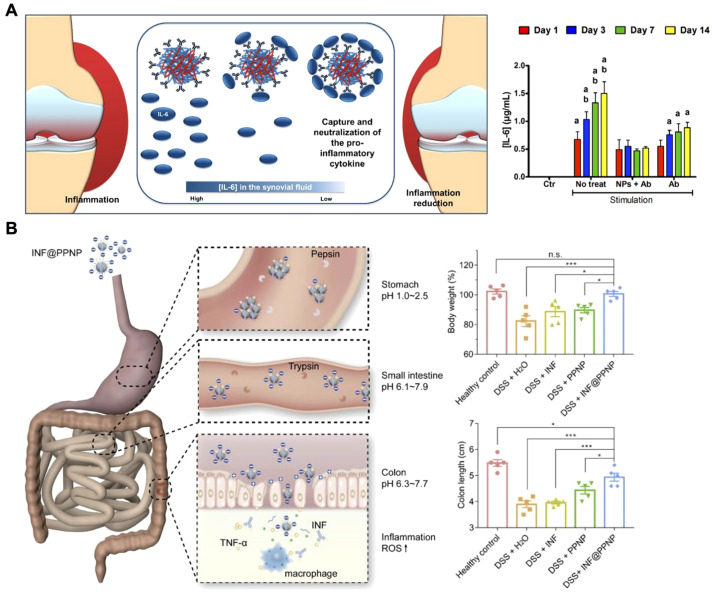
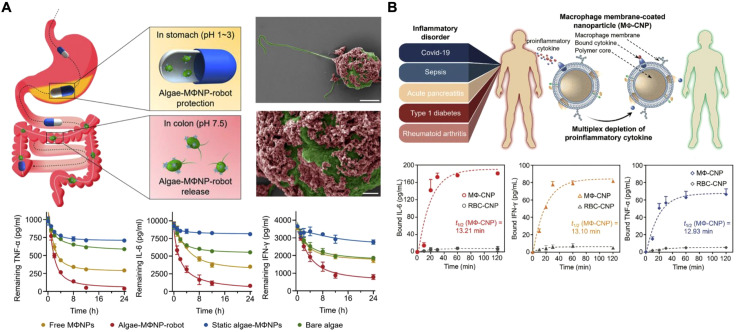
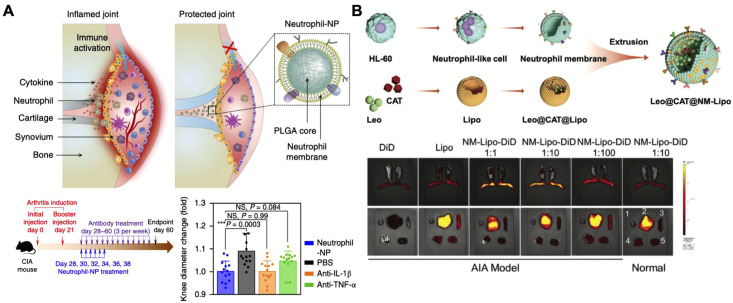
Cytokines are crucial regulators of inflammation and immune tolerance, making them promising targets for treating immune-related diseases like cancer, infections, and autoimmune disorders. While cytokine-based therapies have shown potential, challenges such as dose-limiting toxicity and suboptimal pharmacokinetics have constrained their clinical success. Recent advancements in nanotechnology offer innovative solutions to these limitations, particularly through the use of nanoparticle-based platforms that enhance cytokine delivery and neutralization. This review begins by examining the landscape of cytokine delivery, emphasizing how it can be accomplished using nanoparticle systems encapsulating proteins, DNA or mRNA payloads. We then discuss recent progress on platforms for nanoparticle-based cytokine neutralization, including nanoparticle-antibody complexes and cell membrane-coated nanoparticles. Finally, we highlight the latest clinical developments in cytokine-based therapies employing these strategies before addressing the critical challenges ahead that need to be overcome in order to fully realize the therapeutic potential of nanoparticle-based cytokine manipulation.
细胞因子是炎症和免疫耐受的关键调节因子,使其成为治疗癌症、感染和自身免疫性疾病等免疫相关疾病的有前景的靶点。虽然基于细胞因子的疗法已显示出潜力,但诸如剂量限制毒性和次优药代动力学等挑战限制了它们的临床成功。纳米技术的最新进展为这些局限性提供了创新解决方案,特别是通过使用基于纳米颗粒的平台来增强细胞因子的递送和中和作用。本综述首先审视细胞因子递送的情况,强调如何使用包裹蛋白质、DNA或mRNA载荷的纳米颗粒系统来实现这一点。然后我们讨论基于纳米颗粒的细胞因子中和平台的最新进展,包括纳米颗粒-抗体复合物和细胞膜包被的纳米颗粒。最后,在阐述为充分实现基于纳米颗粒的细胞因子操控的治疗潜力而需要克服的关键挑战之前,我们重点介绍采用这些策略的基于细胞因子的疗法的最新临床进展。