Zholdybayeva Elena, Bekbayeva Ayazhan, Menlibayeva Karashash, Gusmaulemova Alua, Kurentay Botakoz, Tynysbekov Bekbolat, Auganov Almas, Akhmetollayev Ilyas, Nurimanov Chingiz
National Center for Biotechnology, Astana 010000, Kazakhstan.
Department of Vascular and Functional Neurosurgery, National Centre for Neurosurgery, Astana 010000, Kazakhstan.
Biomedicines. 2025 Jun 12;13(6):1451. doi: 10.3390/biomedicines13061451.
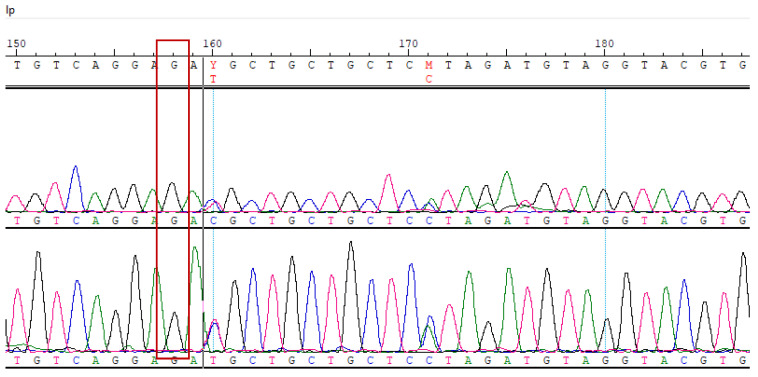
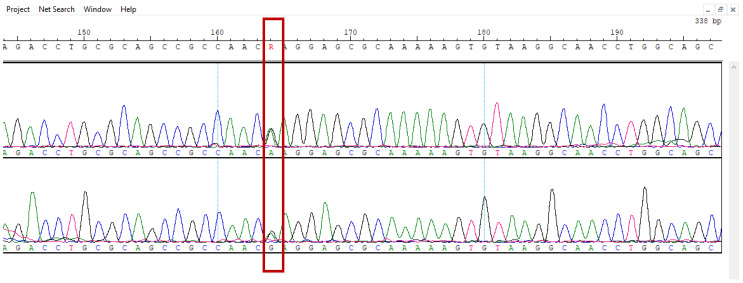
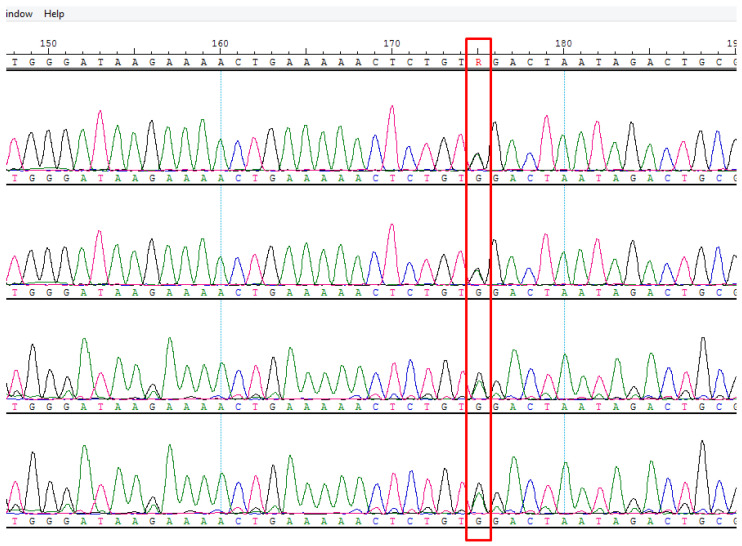
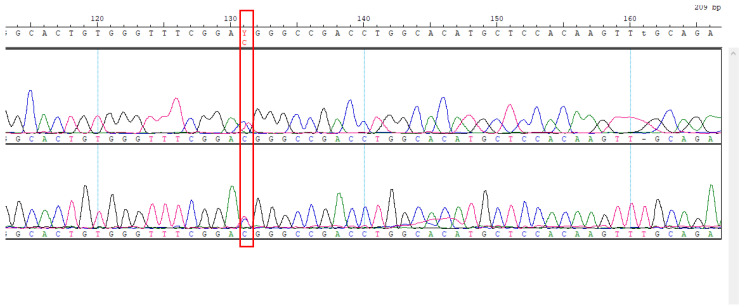
Brain arteriovenous malformations (bAVMs) are rare vascular anomalies characterized by direct connections between arteries and veins, bypassing the capillary network. This study aimed to identify potential genetic factors contributing to the development of sporadic bAVMs. : Three patients (AVM1-3) from Kazakhstan who underwent microsurgical resection at the National Centre for Neurosurgery (NCN) in Astana, Kazakhstan, were analyzed. Brain AVMs were diagnosed using magnetic resonance imaging (MRI). Genomic DNA was isolated from whole venous blood samples, and whole-exome sequencing was performed on the NovaSeq 6000 platform (Illumina). Variants were filtered according to standard bioinformatics protocols, and candidate gene prioritization was conducted using the ToppGene tool. : In silico analysis further revealed candidate genes likely associated with lesion development, including COL3A1, CTNNB1, LAMA1, NPHP3, SLIT2, SLIT3, SMO, MAPK3, LRRK2, TTN, ERBB2, PARD3, and OBSL1. It is essential to focus on the genetic variants affecting the following prioritized genes: ERBB2, SLIT3, SMO, MAPK3, and TTN. Mutations in these genes were predicted to be "damaging". Most of these genes are involved in signaling pathways that control vasculogenesis and angiogenesis. : Defects in genes associated with ciliary structure and function may be critical to the pathogenesis of brain AVMs. These findings provide valuable insights into the molecular underpinnings of bAVM development, emphasizing key biological pathways and potential candidate genes. Further research is needed to establish robust correlations between specific genetic mutations and clinical phenotypes, which could ultimately inform the development of improved diagnostic, therapeutic, and prognostic approaches.
脑动静脉畸形(bAVM)是一种罕见的血管异常,其特征是动脉和静脉之间直接相连,绕过了毛细血管网络。本研究旨在确定导致散发性bAVM发生的潜在遗传因素。对来自哈萨克斯坦的3例患者(AVM1 - 3)进行了分析,这些患者在哈萨克斯坦阿斯塔纳的国家神经外科中心(NCN)接受了显微手术切除。使用磁共振成像(MRI)诊断脑AVM。从全血样本中分离基因组DNA,并在NovaSeq 6000平台(Illumina)上进行全外显子测序。根据标准生物信息学方案对变异进行筛选,并使用ToppGene工具进行候选基因优先级排序。计算机分析进一步揭示了可能与病变发展相关的候选基因,包括COL3A1、CTNNB1、LAMA1、NPHP3、SLIT2、SLIT3、SMO、MAPK3、LRRK2、TTN、ERBB2、PARD3和OBSL1。必须关注影响以下优先级基因的遗传变异:ERBB2、SLIT3、SMO、MAPK3和TTN。这些基因中的突变预计具有“破坏性”。这些基因中的大多数参与控制血管生成和血管新生的信号通路。与纤毛结构和功能相关的基因缺陷可能对脑AVM的发病机制至关重要。这些发现为bAVM发展的分子基础提供了有价值的见解,强调了关键的生物学途径和潜在的候选基因。需要进一步研究以建立特定基因突变与临床表型之间的有力关联,这最终可能为改进诊断、治疗和预后方法的发展提供依据。