Lai Hung-Chih, Liu Ju-Fang, Chang Tsung-Ming, Ling Thai-Yen
Department of Hematology and Oncology, Shin Kong Wu Ho-Su Memorial Hospital, Taipei 111045, Taiwan.
Graduate Institute of Pharmacology, National Taiwan University College of Medicine, Taipei 100225, Taiwan.
Diagnostics (Basel). 2025 Jun 18;15(12):1555. doi: 10.3390/diagnostics15121555.
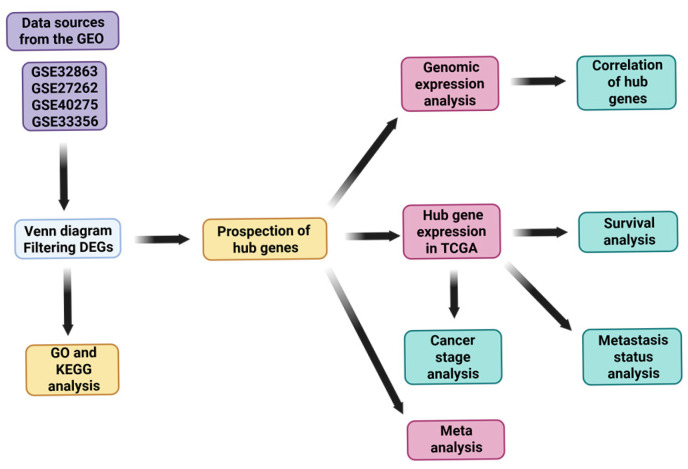
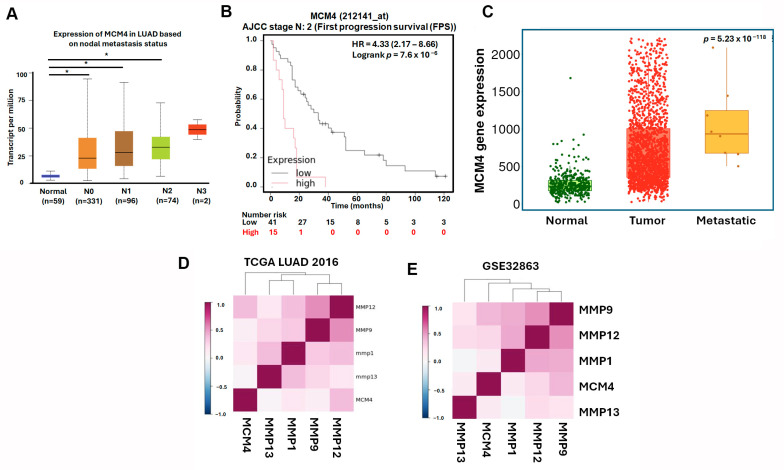
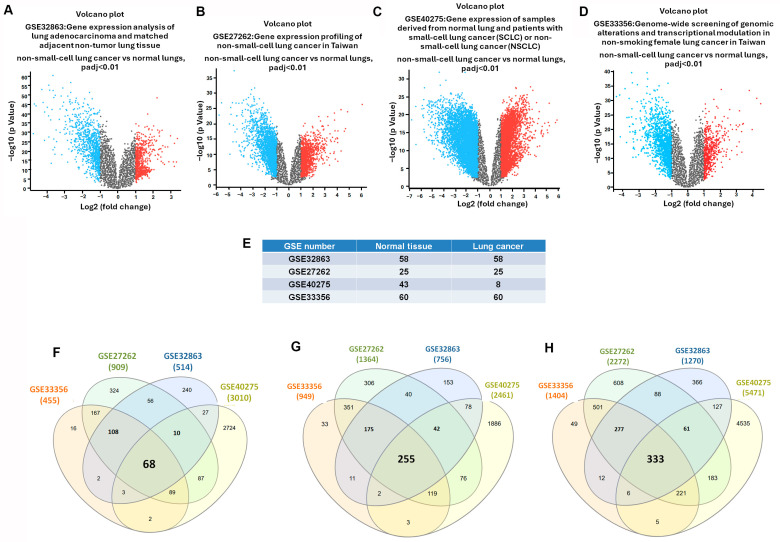
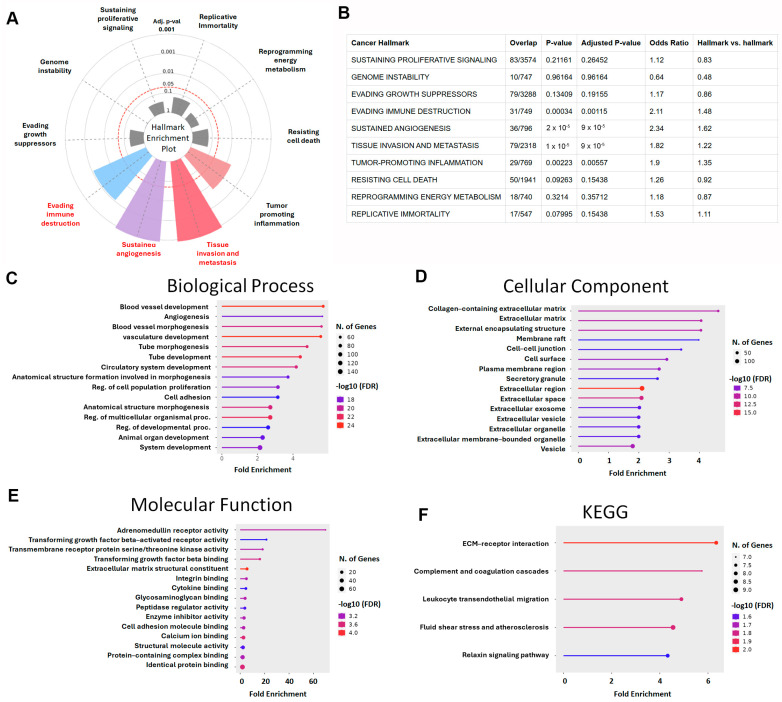
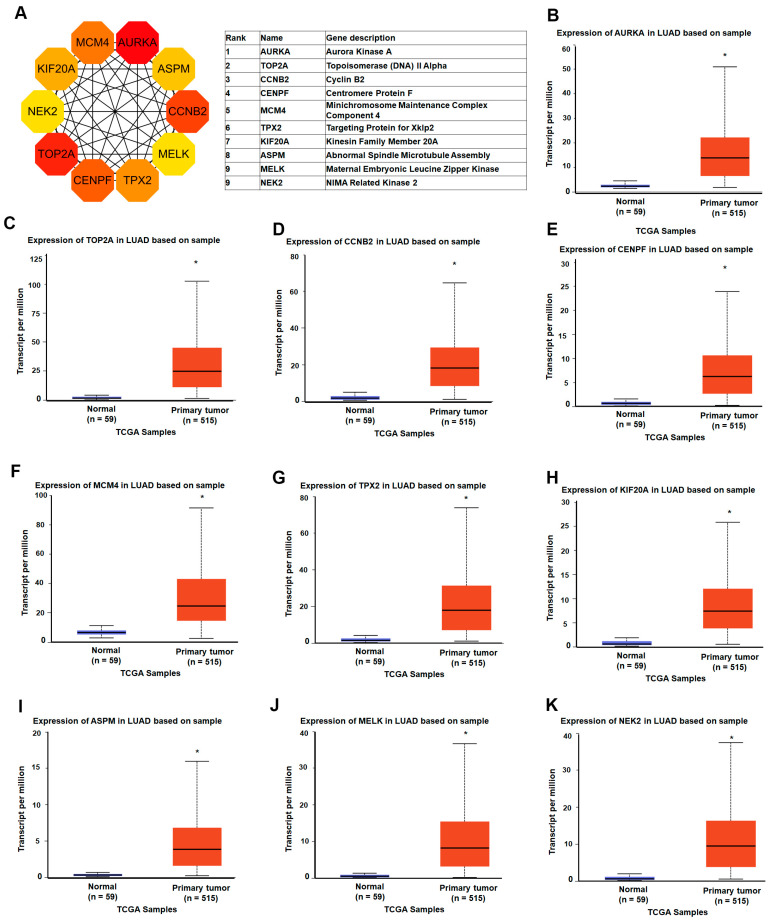
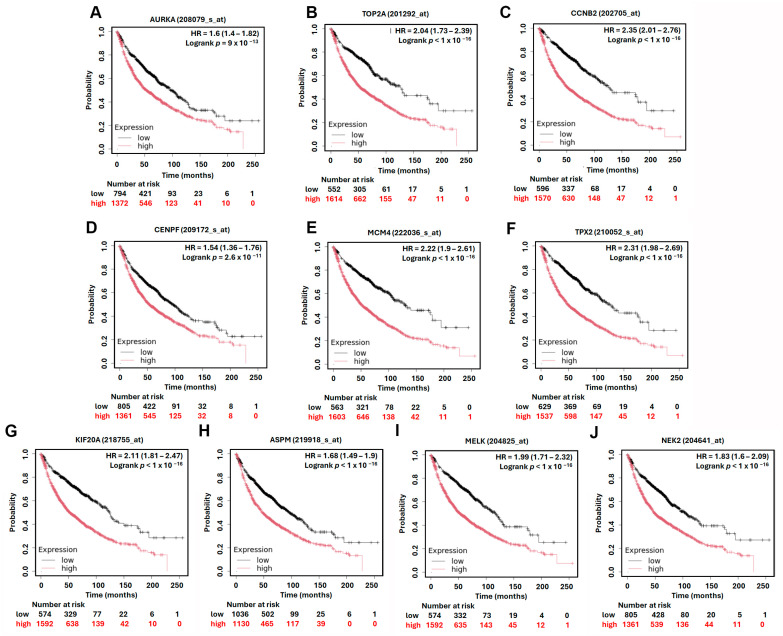
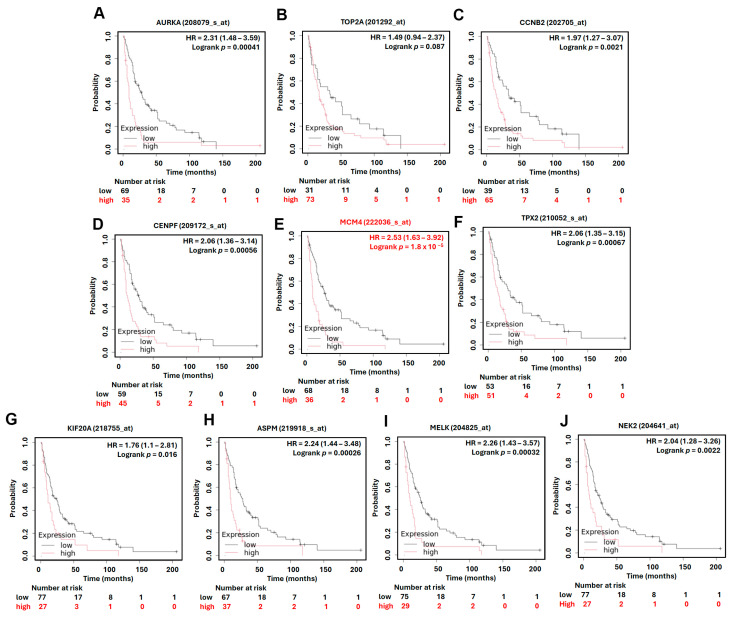
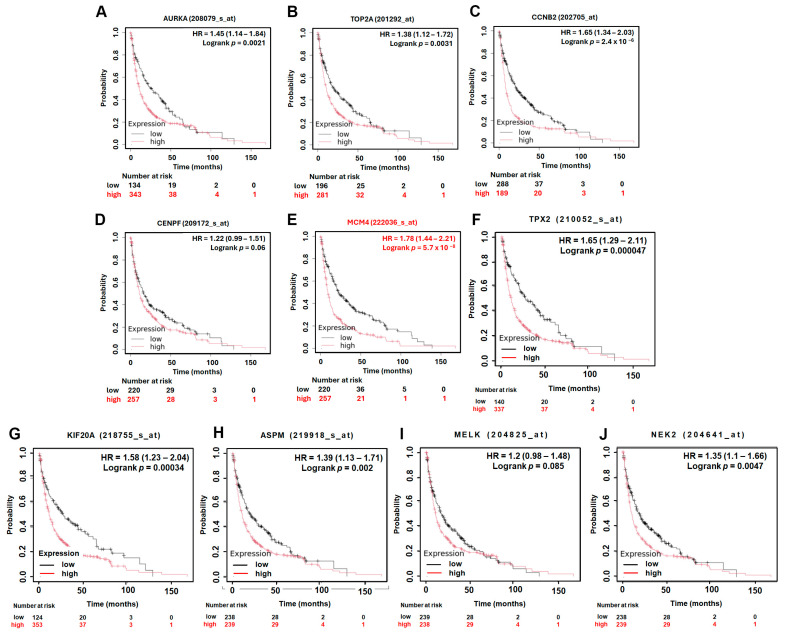
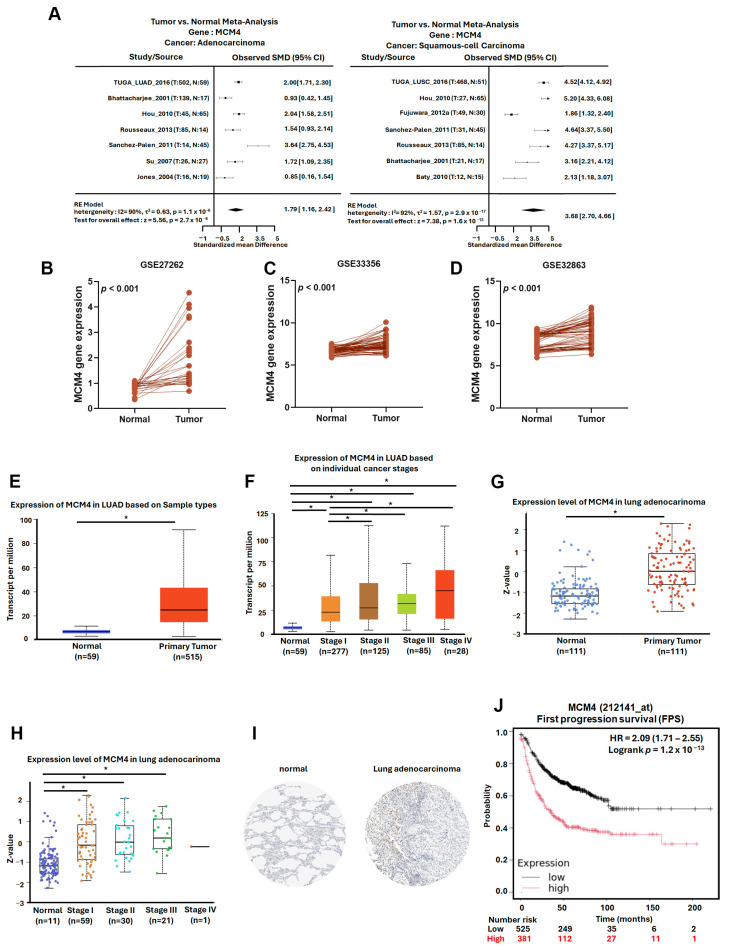
Lung adenocarcinoma (LUAD) is the most common subtype of non-small-cell lung cancer and is frequently diagnosed at advanced stages with metastasis, contributing to its poor prognosis. Identifying key metastasis-related biomarkers is critical for improving early diagnosis and therapeutic targeting. We analyzed four GEO microarray datasets (GSE32863, GSE27262, GSE40275, and GSE33356) and TCGA data to identify differentially expressed genes (DEGs) in LUAD. Functional enrichment of DEGs was analyzed using Gene Ontology, Kyoto Encyclopedia of Genes and Genomes analysis, and a Cancer Hallmark Enrichment Plot. Hub gene analysis was conducted using Cytoscape. Hub genes were evaluated for their expression, prognostic significance (via the Kaplan-Meier plotter), and clinical correlation using additional platforms (TCGA, Lung Cancer Explorer, TNMplot, and the Human Protein Atlas). A total of 333 consistently dysregulated DEGs were identified, enriched in pathways related to metastasis, including angiogenesis, immune escape, and ECM interaction. Ten hub genes (, , , , , , , , , and ) were identified through network analysis. Among these, showed strong upregulation in LUAD and was significantly associated with poor overall survival. Notably, expression also correlated with post-progression survival and markers of invasiveness. Immunohistochemistry and transcriptomic analyses confirmed overexpression at both mRNA and protein levels. Additionally, expression was positively correlated with various matrix metalloproteinases, supporting its role in promoting tumor invasiveness. is a novel potential biomarker for LUAD metastasis and prognosis. Its consistent upregulation, association with metastatic markers, and clinical significance suggest it may serve as a candidate target for diagnostic use or therapeutic intervention in advanced LUAD.
肺腺癌(LUAD)是非小细胞肺癌最常见的亚型,常于晚期伴转移时被诊断出来,这导致其预后较差。识别关键的转移相关生物标志物对于改善早期诊断和治疗靶点至关重要。我们分析了四个基因表达综合数据库(GEO)微阵列数据集(GSE32863、GSE27262、GSE40275和GSE33356)以及癌症基因组图谱(TCGA)数据,以识别肺腺癌中差异表达基因(DEGs)。使用基因本体论、京都基因与基因组百科全书分析以及癌症特征富集图对差异表达基因进行功能富集分析。使用Cytoscape进行枢纽基因分析。利用其他平台(TCGA、肺癌探索者、TNMplot和人类蛋白质图谱)评估枢纽基因的表达、预后意义(通过Kaplan-Meier绘图仪)和临床相关性。共鉴定出333个持续失调的差异表达基因,这些基因富集于与转移相关的通路,包括血管生成、免疫逃逸和细胞外基质相互作用。通过网络分析确定了10个枢纽基因(、、、、、、、、和)。其中,在肺腺癌中表现出强烈上调,且与总体生存率差显著相关。值得注意的是,的表达也与进展后生存率和侵袭性标志物相关。免疫组织化学和转录组分析证实了在mRNA和蛋白质水平上的过表达。此外,的表达与多种基质金属蛋白酶呈正相关,支持其在促进肿瘤侵袭中的作用。是肺腺癌转移和预后的一种新型潜在生物标志物。其持续上调、与转移标志物的关联以及临床意义表明,它可能作为晚期肺腺癌诊断用途或治疗干预的候选靶点。