Sui Yutong, Xu Qi, Liu Mingsheng, Liu Xiaomei, Liu Xinpeng, Wang Yujie, Meng Xiangyuan, Liu Zinan, Li Quanshun, Liu Jinyu
Department of Toxicology, School of Public Health, Jilin University, Changchun, China.
Key Laboratory for Molecular Enzymology and Engineering of Ministry of Education, School of Life Sciences, Jilin University, Changchun, China.
PLoS Pathog. 2025 Jun 27;21(6):e1013278. doi: 10.1371/journal.ppat.1013278. eCollection 2025 Jun.
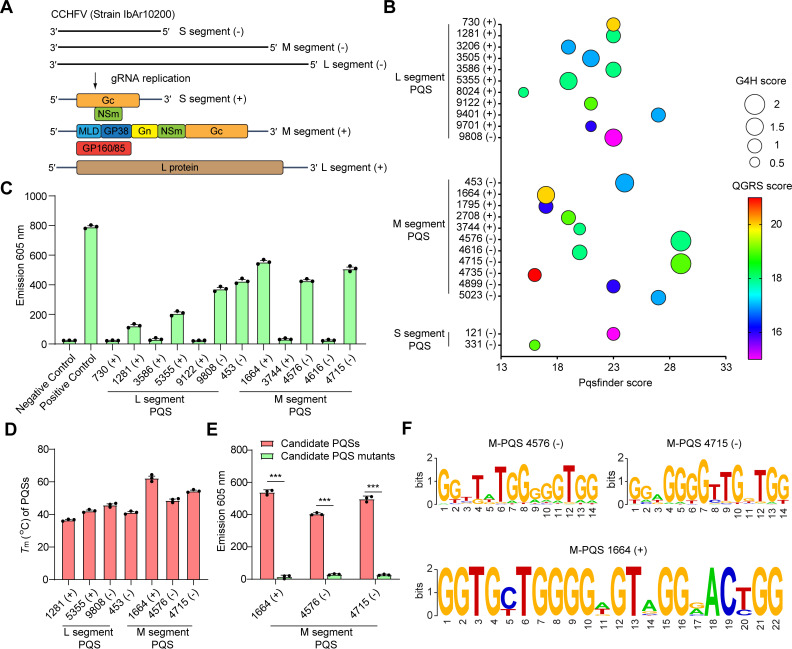
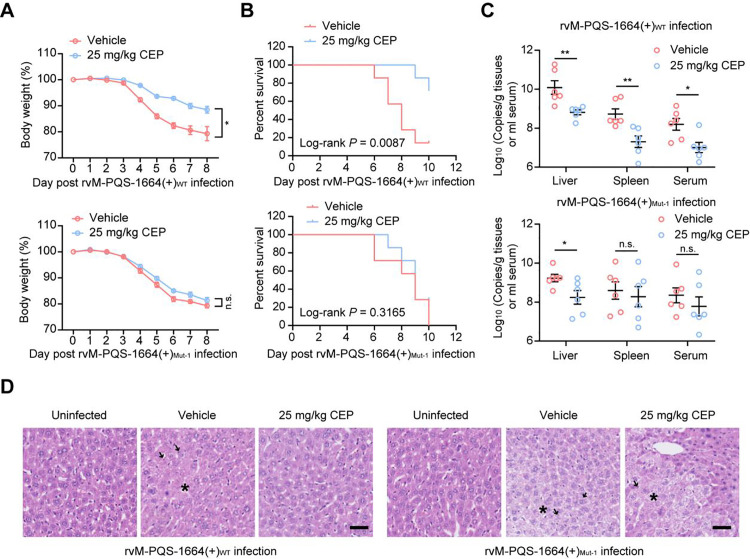
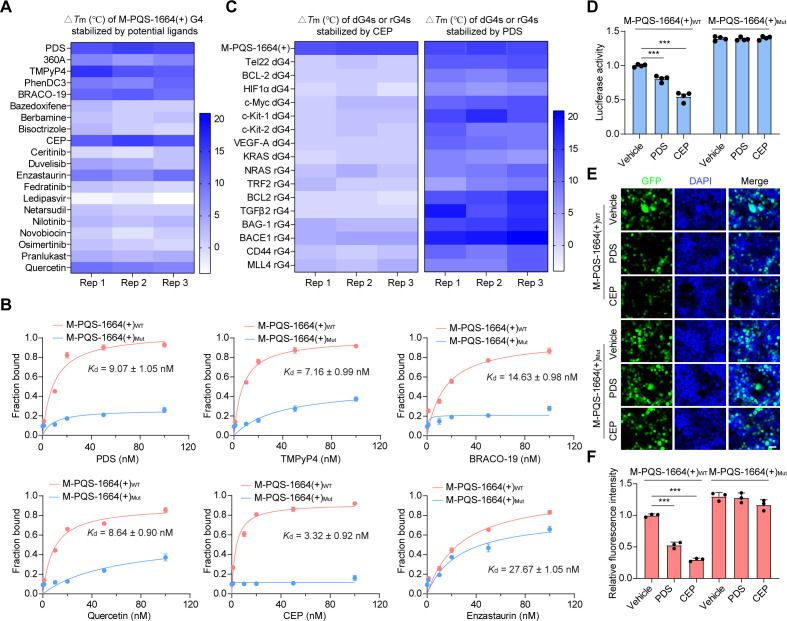
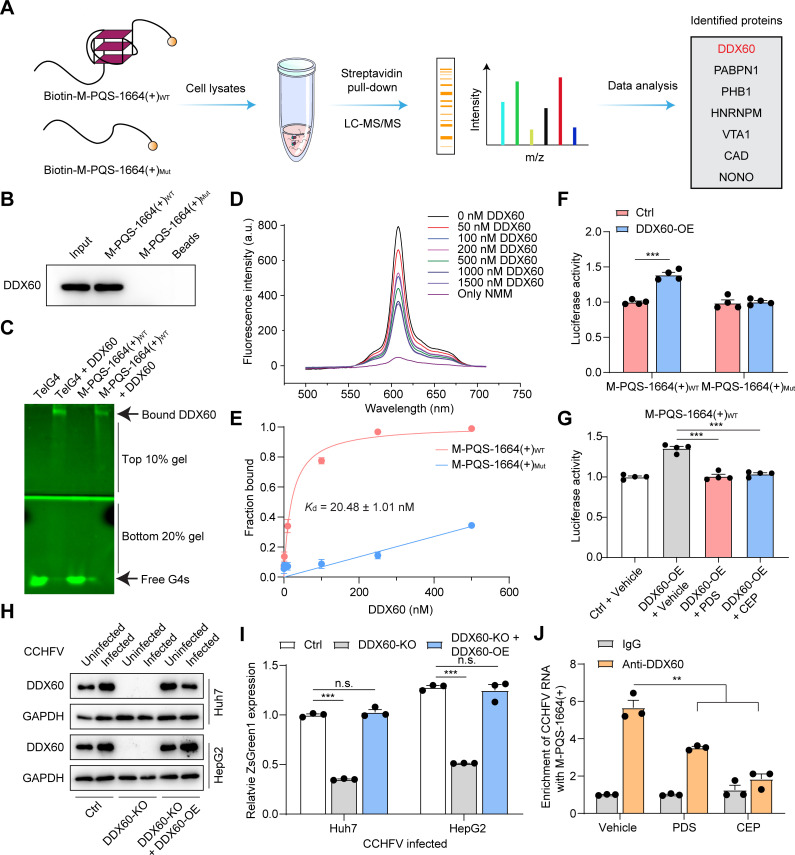
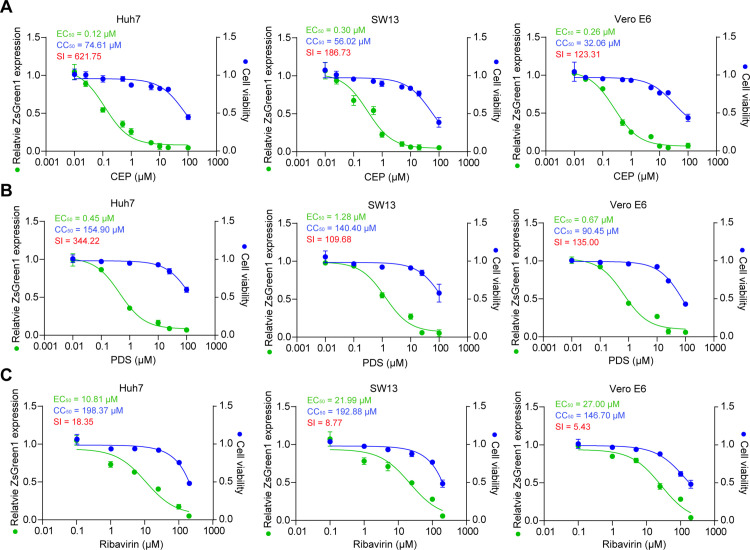
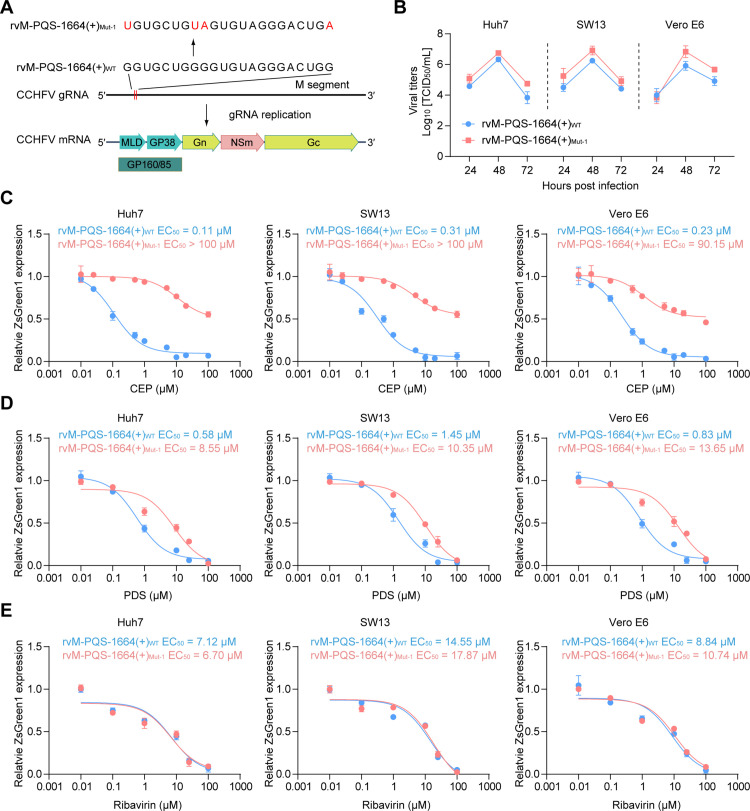
Crimean-Congo haemorrhagic fever virus (CCHFV) is the most prevalent tick-borne zoonotic bunyavirus, causing severe hemorrhagic fever and fatality in humans. Currently, the absence of approved vaccines or therapeutics for CCHFV infection necessitates the development of innovative therapeutic strategies. Here, we identify a guanine (G)-rich sequence located within the mRNA of the glycoprotein precursor in the medium (M) segment of the CCHFV genome, designated as M-PQS-1664(+). M-PQS-1664(+) can form stable G-quadruplex (G4) structure and functions as a negative regulatory element for viral replication. Host DDX60 is up-regulated in response to CCHFV infection, thereby it is hijacked to unwind M-PQS-1664(+) G4 for facilitating viral replication. The FDA-approved drug Cepharanthine (CEP), which competes with DDX60 to specifically stabilize M-PQS-1664(+) G4 without a global induction of host cellular G4s formation, exhibits remarkable antiviral activity in vitro and in vivo. More importantly, CEP possesses antiviral activity (50% inhibitory concentration ~ 0.2 μM) that having ~ 88 × the potency of ribavirin. Our findings underscore the CCHFV G4s as a promising target for drug development and highlight the significant potential of CEP in combating CCHFV.
克里米亚-刚果出血热病毒(CCHFV)是最常见的蜱传人畜共患布尼亚病毒,可导致人类严重出血热和死亡。目前,由于缺乏针对CCHFV感染的获批疫苗或治疗方法,因此有必要开发创新的治疗策略。在此,我们在CCHFV基因组的M(中)节段糖蛋白前体的mRNA中鉴定出一个富含鸟嘌呤(G)的序列,命名为M-PQS-1664(+)。M-PQS-1664(+)可形成稳定的G-四链体(G4)结构,并作为病毒复制的负调控元件发挥作用。宿主DDX60在CCHFV感染后上调,因此它被劫持以解开M-PQS-1664(+) G4,以促进病毒复制。FDA批准的药物千金藤素(CEP)与DDX60竞争,特异性稳定M-PQS-1664(+) G4,而不会全局诱导宿主细胞G4形成,在体外和体内均表现出显著的抗病毒活性。更重要的是,CEP具有抗病毒活性(50%抑制浓度~0.2 μM),其效力约为利巴韦林的88倍。我们的研究结果强调CCHFV G4是药物开发的一个有前景的靶点,并突出了CEP在对抗CCHFV方面的巨大潜力。