Li Lili, Ma Chunxiang, Chen Kexin, Jia Yongbin, Wu Yushan, Lin Hao, Cheng Rui, Jiang Mingshan, Zeng Zhen, Chen Jingjing, Pang Jiangmei, Li Jiaxin, Zhang Hu
Department of Gastroenterology, West China Hospital, Sichuan University, Chengdu, 610041, China.
Centre for Inflammatory Bowel Disease, West China Hospital, Sichuan University, Chengdu, 610041, China.
Sci Data. 2025 Jul 1;12(1):1109. doi: 10.1038/s41597-025-05212-4.
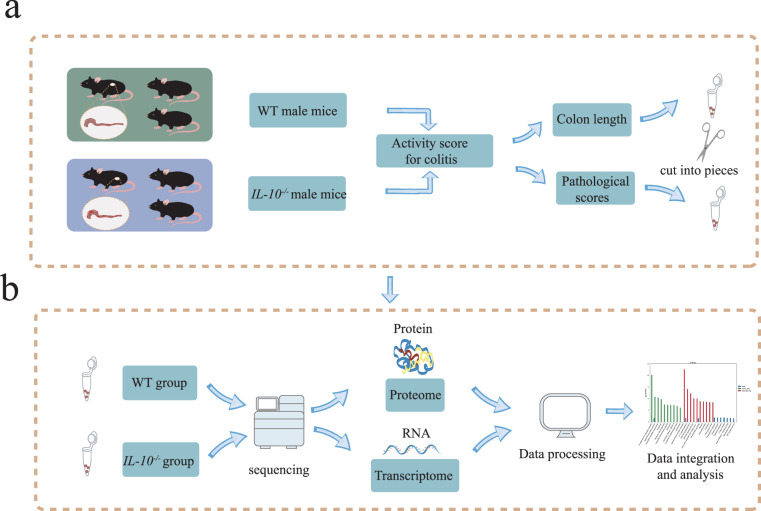
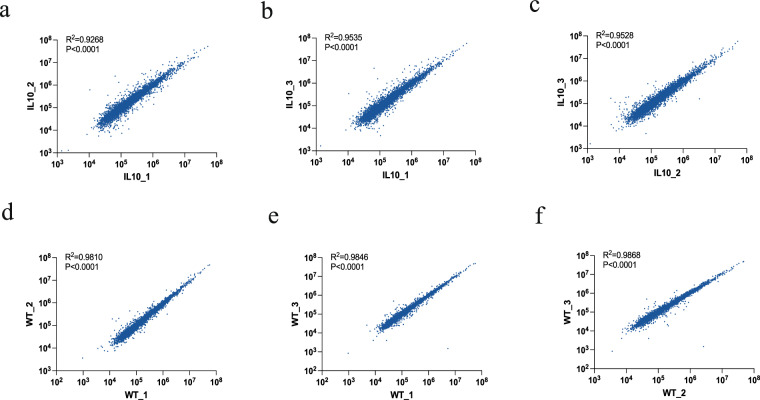
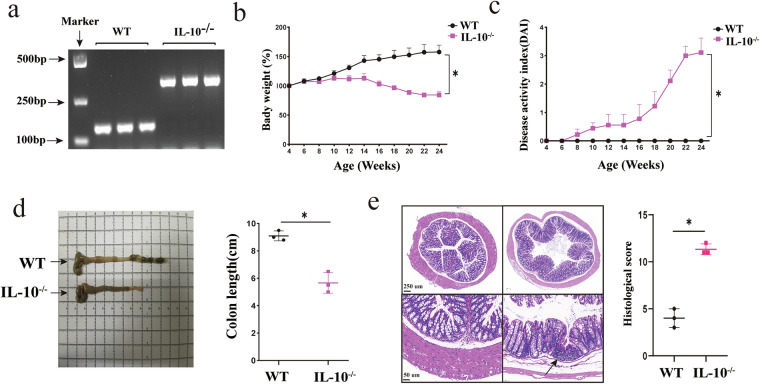
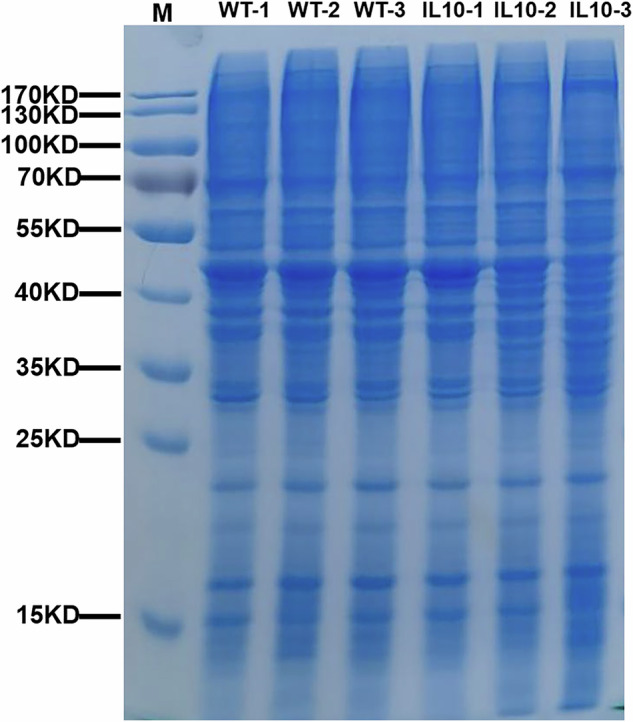
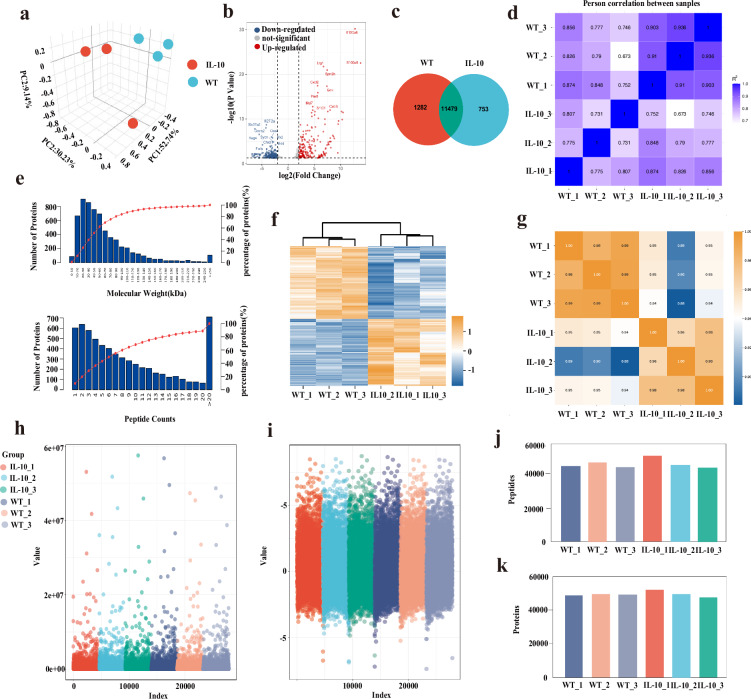
Interleukin (IL)-10, a prominent anti-inflammatory cytokine predominantly secreted by various immune cells, plays a crucial role in the pathophysiological mechanisms of inflammatory bowel disease (IBD). Mice deficient in IL-10 (IL-10) progressively develop features of idiopathic enterocolitis as they mature. To advance our understanding of the molecular mechanisms underpinning chronic enterocolitis in IL-10 mice, we performed an extensive analysis of the transcriptome and proteome of colonic tissue from these mice manifesting colitis. The study employed bulk RNA sequencing (RNA-seq) and four-dimensional (4D) label-free mass spectrometry (MS) to facilitate an integrated analysis of the resultant omics data. Following an extensive series of quality control evaluations, 635 genes and 1,071 proteins were identified as differentially expressed. The principal aim of this integrated analysis was to elucidate novel signaling pathways and identify potential therapeutic targets for IBD treatment.
白细胞介素(IL)-10是一种主要由各种免疫细胞分泌的重要抗炎细胞因子,在炎症性肠病(IBD)的病理生理机制中起关键作用。缺乏IL-10(IL-10-/-)的小鼠在成熟过程中会逐渐出现特发性小肠结肠炎的特征。为了加深我们对IL-10-/-小鼠慢性小肠结肠炎潜在分子机制的理解,我们对这些患有结肠炎的小鼠的结肠组织转录组和蛋白质组进行了广泛分析。该研究采用了批量RNA测序(RNA-seq)和四维(4D)无标记质谱(MS)技术,以促进对所得组学数据的综合分析。经过一系列广泛的质量控制评估,鉴定出635个基因和1071种蛋白质存在差异表达。这种综合分析的主要目的是阐明新的信号通路,并确定IBD治疗的潜在靶点。