Meng Kaikai, Bao Yi, Chen Ganlin, Qu Junru, Liang Shuaiyi, An Sanqi, Chen Yang, Liu Xinli, Fu Xuanjian
Guangxi Key Laboratory of Quality and Safety Control for Subtropical Fruits, Guangxi Subtropical Crops Research Institute, Nanning, 530001, China.
Key Laboratory of Quality and Safety Control for Subtropical Fruit and Vegetable, Ministry of Agriculture and Rural Affairs, Guangxi Subtropical Crops Research Institute, Nanning, 530001, China.
Sci Rep. 2025 Jul 2;15(1):23298. doi: 10.1038/s41598-025-06193-5.
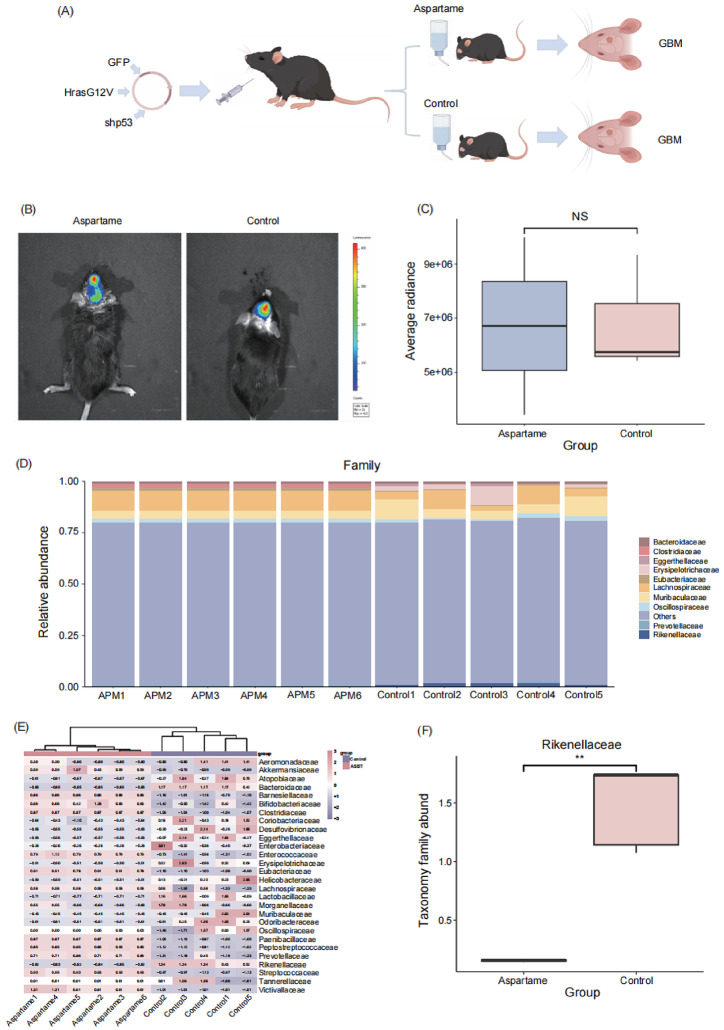
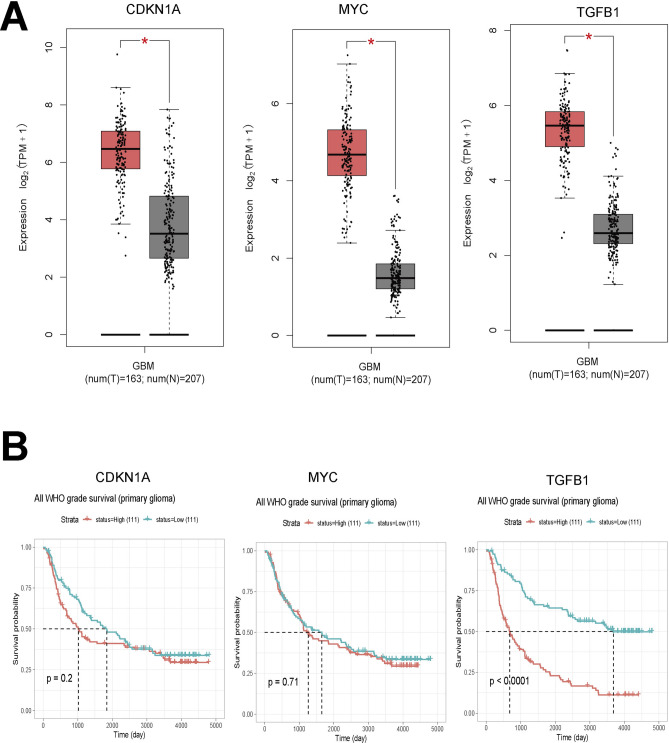
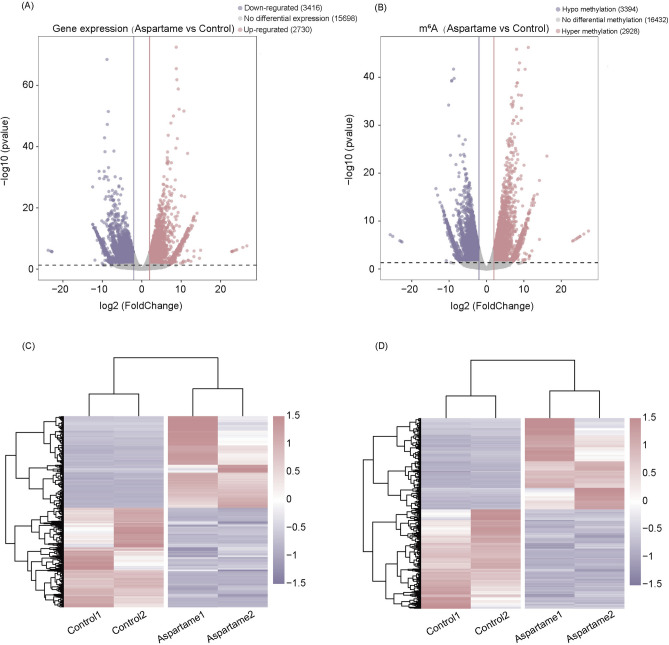
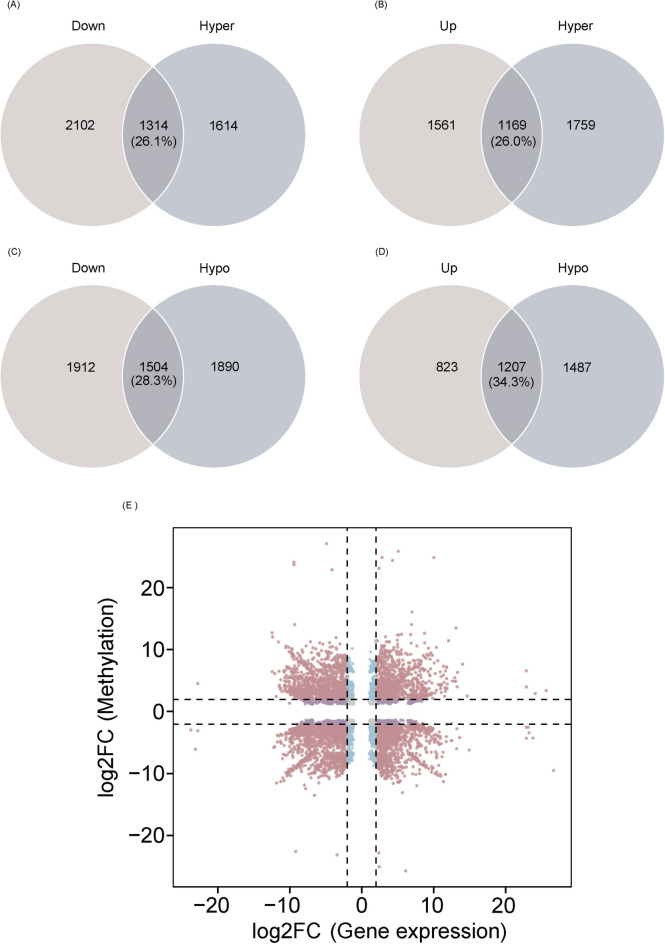
Aspartame, a widely used artificial sweetener, has been extensively studied for its potential health effects. Emerging evidence suggests that aspartame intake may directly impact the composition and function of the intestinal microbiota, which could subsequently influence the risk, progression, and treatment of glioblastoma multiforme (GBM) within the tumor microenvironment. However, it remains unclear whether aspartame intake affects intestinal flora, gene expression, and epigenetic regulation during tumor progression. To address these gaps in knowledge, we conducted a comprehensive metagenomics and transcriptomics analysis of aspartame's impact on gut microbiota and glioblastoma progression in a mouse model. Using a well-established mouse model and a rigorous metagenomics and transcriptomics approach, our results demonstrated that although the aspartame diet did not significantly affect tumor growth, it induced changes in the composition of the gut microbiota, particularly a decrease in the relative abundance of the Rikenellaceae family. Additionally, key N6-methyladenosine (mA)-regulated genes, such as cyclin-dependent kinase inhibitor 1A (CDKN1A), MYC (myelocytomatosis) oncogene, and transforming growth factor-β (TGFB1), were significantly upregulated in GBM tumors exposed to aspartame. Notably, the expression of TGFB1 (transforming growth factor-β) suggested a critical role in the progression of GBM mediated by aspartame-induced mA modifications. Our integrative analysis offered novel perspectives on the intricate interplay between dietary aspartame intake, gut microbiota, and tumor biology.
阿斯巴甜是一种广泛使用的人工甜味剂,其对健康的潜在影响已得到广泛研究。新出现的证据表明,摄入阿斯巴甜可能直接影响肠道微生物群的组成和功能,进而可能影响肿瘤微环境中多形性胶质母细胞瘤(GBM)的风险、进展和治疗。然而,在肿瘤进展过程中,阿斯巴甜的摄入是否会影响肠道菌群、基因表达和表观遗传调控仍不清楚。为了填补这些知识空白,我们在小鼠模型中对阿斯巴甜对肠道微生物群和胶质母细胞瘤进展的影响进行了全面的宏基因组学和转录组学分析。使用成熟的小鼠模型和严谨的宏基因组学及转录组学方法,我们的结果表明,尽管阿斯巴甜饮食对肿瘤生长没有显著影响,但它会引起肠道微生物群组成的变化,特别是理研菌科的相对丰度下降。此外,在暴露于阿斯巴甜的GBM肿瘤中,关键的N6-甲基腺苷(m6A)调控基因,如细胞周期蛋白依赖性激酶抑制剂1A(CDKN1A)、MYC(髓细胞瘤)癌基因和转化生长因子-β(TGFB1)显著上调。值得注意的是,TGFB1(转化生长因子-β)的表达表明其在阿斯巴甜诱导的m6A修饰介导的GBM进展中起关键作用。我们的综合分析为饮食中阿斯巴甜的摄入、肠道微生物群和肿瘤生物学之间的复杂相互作用提供了新的视角。