Irawan Anggi Septia, Alristina Arie Dwi, Laili Rizky Dzariyani, Amalia Nuke, Muharram Arief Purnama, Miranda Adriana Viola, Döbrössy Bence, Girasek Edmond
Institute of Behavioral Sciences, Semmelweis University, Budapest, Hungary.
Health Sciences Division, Doctoral College, Semmelweis University, Budapest, Hungary.
Front Digit Health. 2025 Jun 18;7:1621293. doi: 10.3389/fdgth.2025.1621293. eCollection 2025.
As mHealth applications become increasingly adopted in Indonesia, it is crucial to assess their quality and usability for parents and healthcare professionals.
This study evaluated the quality of pediatric-related mobile health (mHealth) applications available in Indonesia, focusing on their ability to support child growth monitoring and provide educational resources for parents and caregivers.
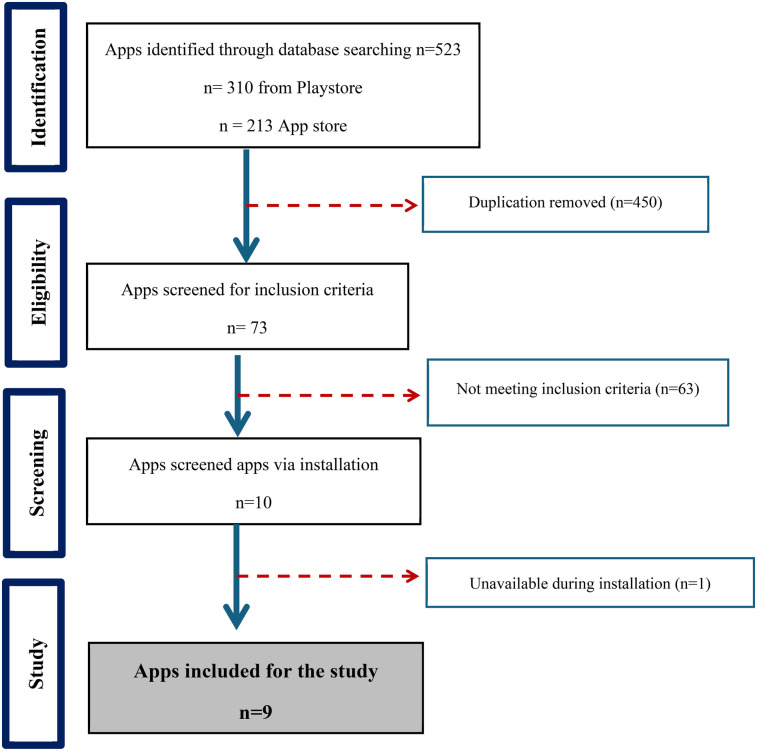
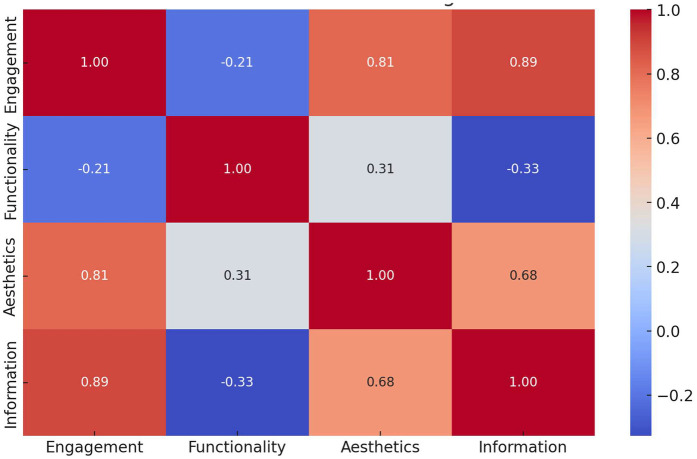
This is a cross-sectional study. From December 1, 2024, and January 31, 2025 we conducted systematic search for pediatric mHealth applications in Indonesian Google Play Store and Apple App Store using predetermined keywords. Inclusion criteria required the applications to be available in Bahasa Indonesia, focus on child health, and include growth tracking or stunting prevention features. We excluded applications that were not functioning during the testing period. Quality assessment was conducted by five healthcare professionals using the Mobile App Rating Scale (MARS). MARS assessed applications from multiple domains, including engagement, functionality, aesthetics, and information quality. Inter-rater reliability was ensured using the Intraclass Correlation Coefficient (ICC). The results were analyzed using descriptive statistics, Pearson's correlation, and T-tests. A -value of <0.05 is considered to be statistically significant.
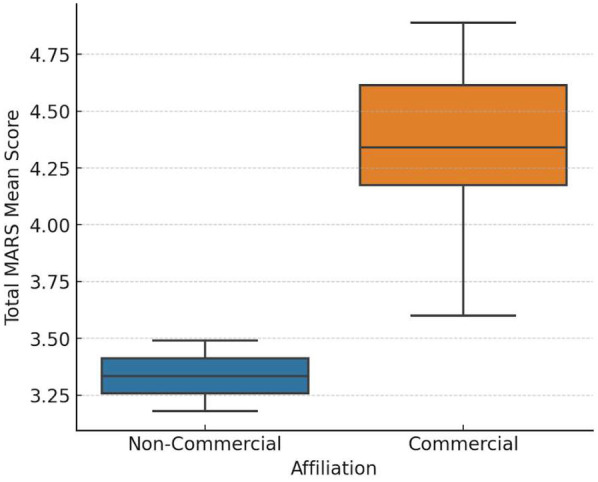
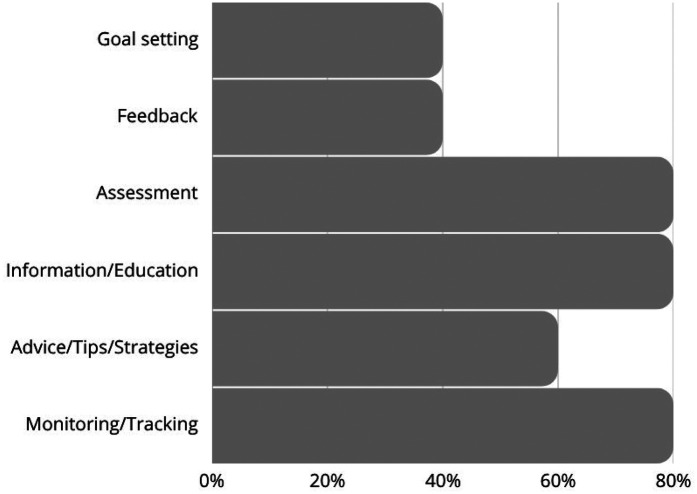
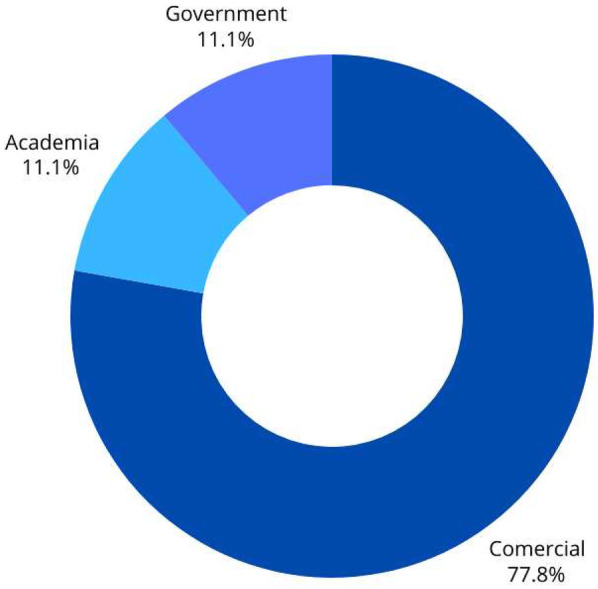
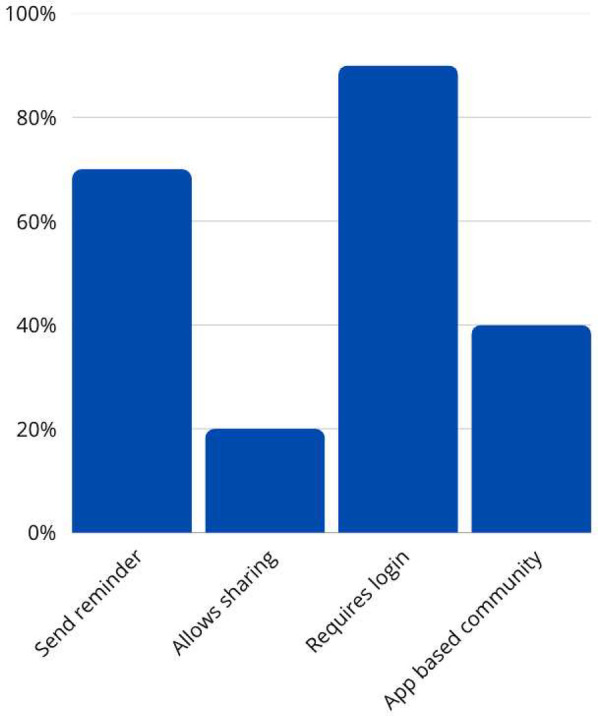
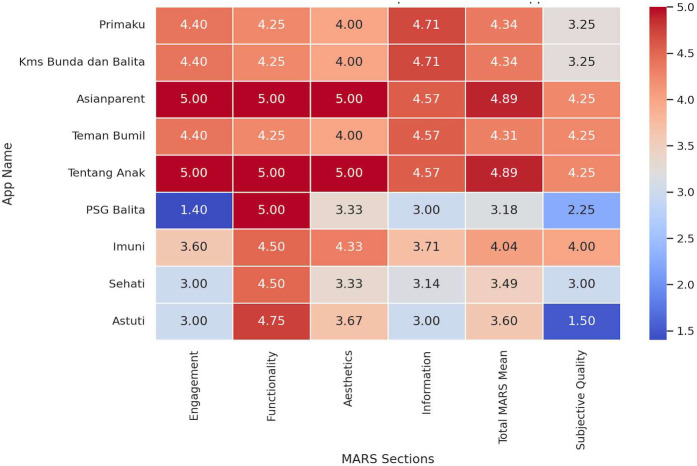
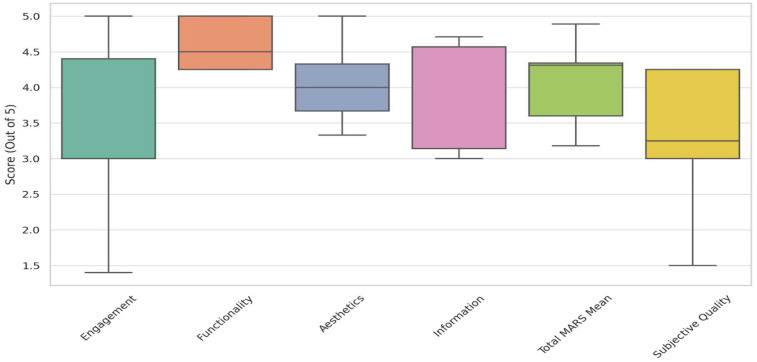
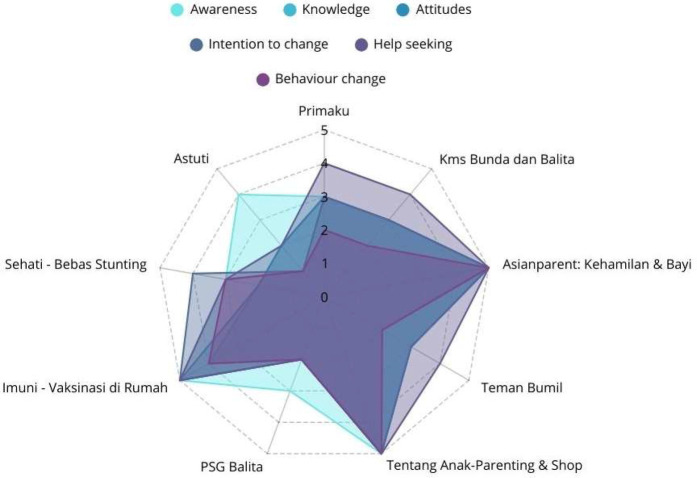
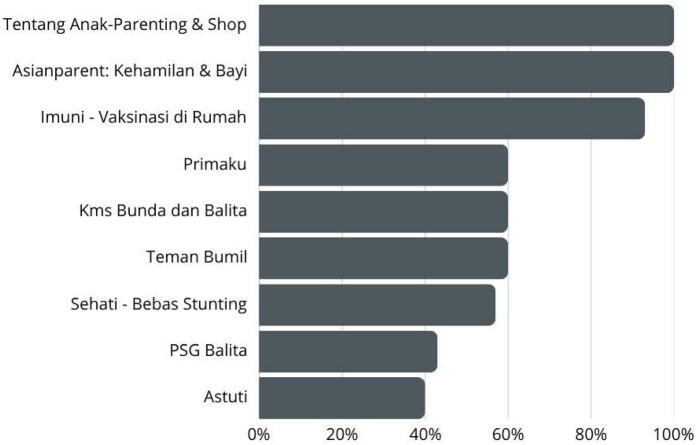
Nine applications were included in this study. Seven of the applications (77.78%) focused on tracking child growth and development and providing educational content. Less than half of the apps had built-in community features that enabled social support ( = 4, 44.44%) and features for feedback mechanisms & personalized guidance ( = 3, 33.33%) respectively. The majority were developed by commercial companies ( = 7, 77.78%). Quality assessment found significant variability across the apps, with high functionality and aesthetics scores but more variability in the domains of app engagement, quality of information, and subjective quality or perceived value.
This research underscored the need for the development of higher-quality, evidence-based mHealth apps for pediatric care in Indonesia, particularly in improving user engagement, feedback mechanisms and accessibility.
随着移动健康(mHealth)应用在印度尼西亚的使用越来越广泛,评估其对家长和医疗保健专业人员的质量和可用性至关重要。
本研究评估了印度尼西亚现有的儿科相关移动健康(mHealth)应用的质量,重点关注其支持儿童生长监测以及为家长和照顾者提供教育资源的能力。
这是一项横断面研究。在2024年12月1日至2025年1月31日期间,我们使用预定关键词在印度尼西亚谷歌应用商店和苹果应用商店中对儿科mHealth应用进行了系统搜索。纳入标准要求应用以印尼语提供,专注于儿童健康,并包括生长跟踪或发育迟缓预防功能。我们排除了在测试期间无法正常运行的应用。由五名医疗保健专业人员使用移动应用评分量表(MARS)进行质量评估。MARS从多个领域评估应用,包括参与度、功能、美学和信息质量。使用组内相关系数(ICC)确保评分者间的可靠性。结果使用描述性统计、皮尔逊相关性和t检验进行分析。P值<0.05被认为具有统计学意义。
本研究纳入了九个应用。其中七个应用(77.78%)专注于跟踪儿童生长发育并提供教育内容。不到一半的应用具有内置社区功能以实现社会支持(n = 4,44.44%)以及反馈机制和个性化指导功能(n = 3,33.33%)。大多数应用是由商业公司开发的(n = 7,77.78%)。质量评估发现各应用之间存在显著差异,功能和美学得分较高,但在应用参与度、信息质量以及主观质量或感知价值等领域的差异更大。
本研究强调了在印度尼西亚开发更高质量、基于证据的儿科护理mHealth应用的必要性,特别是在提高用户参与度、反馈机制和可及性方面。