Ding Yantao, Xie Si, Nie Wenyang, Bai Yun, Yao Tianyu, Wang Yixiao, Chen Jiajie, Liang Bo, Zhou Yi, Cheng Hui, Wang Zaixing, Liu Shengxiu
Department of Dermatology, The First Affiliated Hospital of Anhui Medical University, Hefei, Anhui 230022, China; Key Laboratory of Dermatology (Anhui Medical University), Ministry of Education, Hefei, Anhui 230022, China; Inflammation and Immune-Mediated Diseases Laboratory of Anhui Province, Hefei, Anhui 230022, China.
First Clinical Medical College, Shandong University of Traditional Chinese Medicine, Jinan 250000, China; Affiliated Hospital of Shandong University of Traditional Chinese Medicine, Jinan 250000, China.
Transl Oncol. 2025 Sep;59:102450. doi: 10.1016/j.tranon.2025.102450. Epub 2025 Jul 9.
We conducted an analysis of RNA-seq and microarray data obtained from the TCGA and GEO databases, alongside single-cell RNA sequencing (scRNA-seq) data from glioma patients within the GEO repository. This comprehensive investigation, augmented by experimental studies, concentrated on exploring the interactions between tumor-associated endothelial cells (TECs) and tumors, as well as elucidating the molecular mechanisms involved.
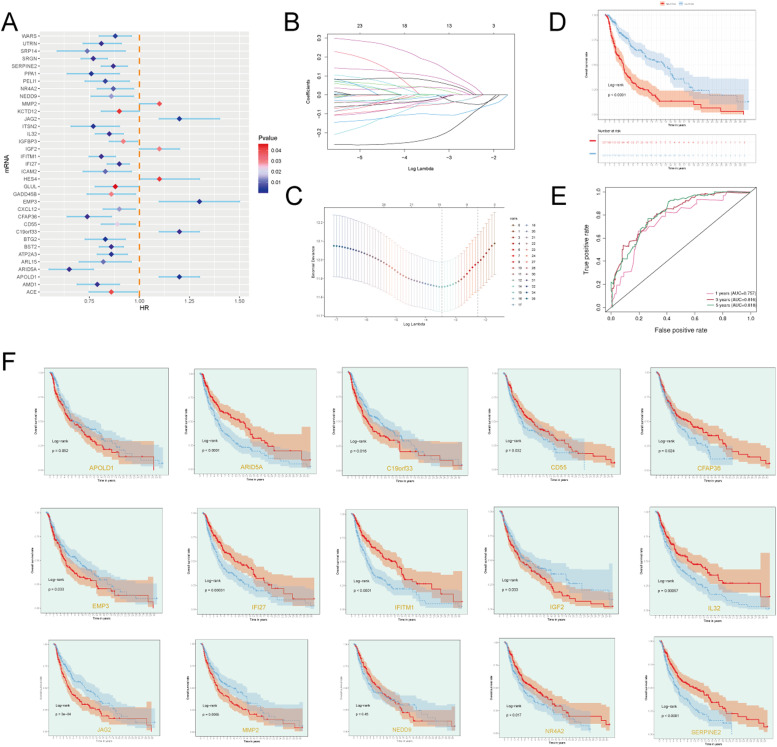
Single-cell sequencing analysis identified differentially expressed genes within tumor-associated endothelial cells. Further investigation highlighted GJA4 as a pivotal marker gene for a terminal subpopulation, with its expression linked to poor prognosis. Subsequent experiments were conducted to explore its underlying functional mechanisms.
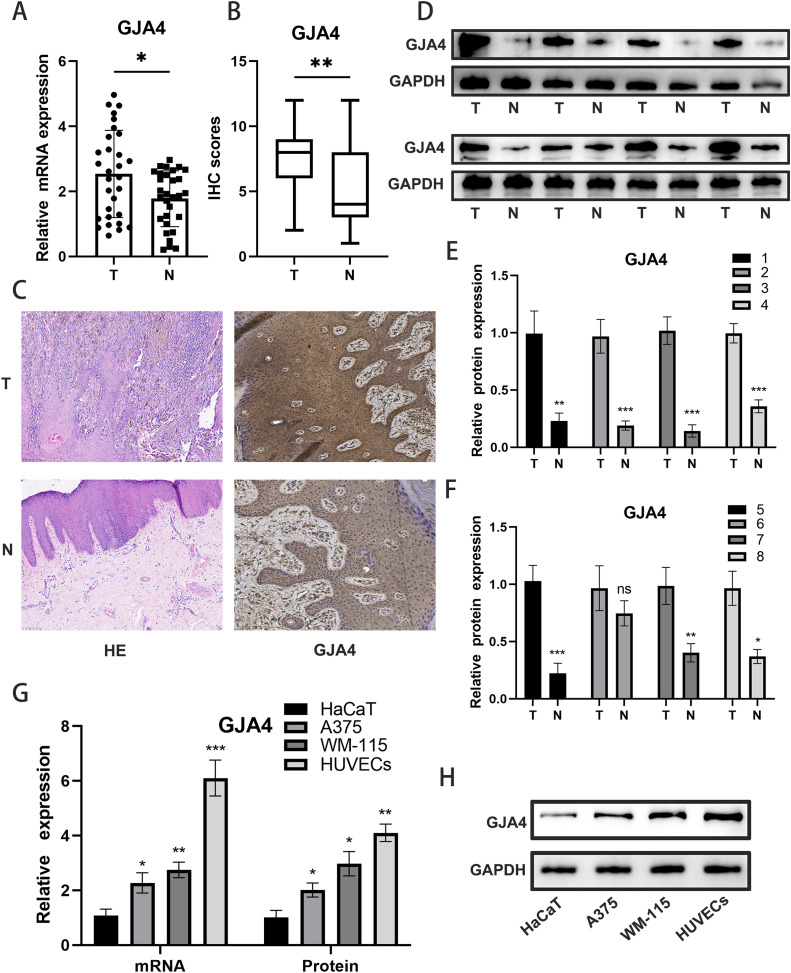
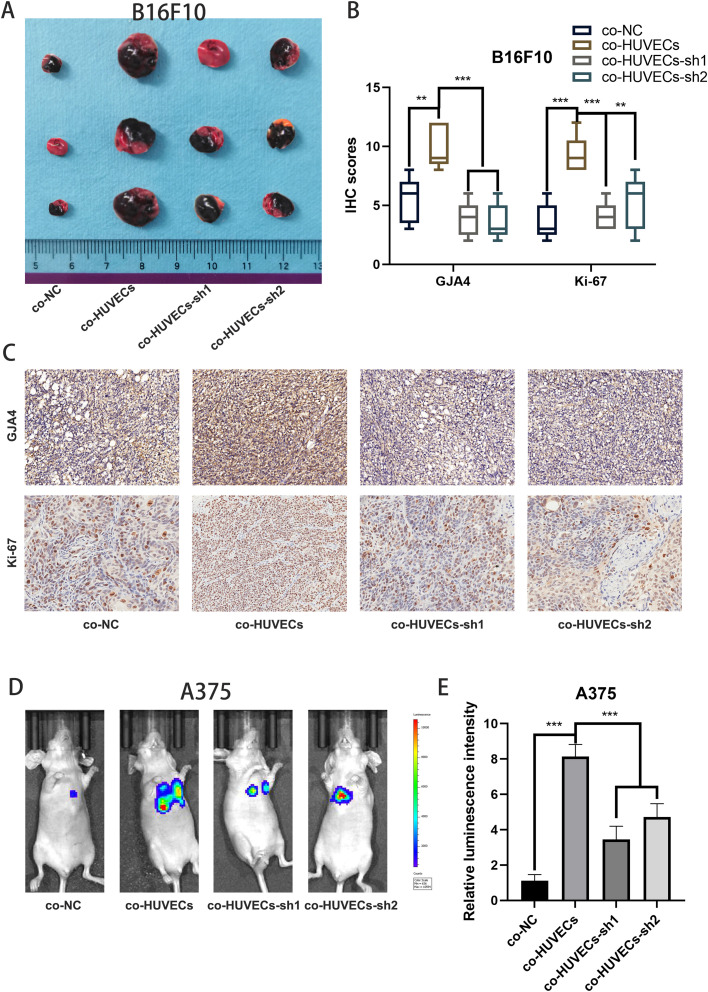
GJA4 is highly expressed in melanoma patients, and its differential expression in tumor-associated endothelial cells influences melanoma proliferation and migration. GJA4-based risk models hold potential as predictive and therapeutic targets for personalized melanoma treatment.
我们对从TCGA和GEO数据库获得的RNA测序(RNA-seq)和微阵列数据,以及GEO库中胶质瘤患者的单细胞RNA测序(scRNA-seq)数据进行了分析。这项综合研究通过实验研究得到加强,集中于探索肿瘤相关内皮细胞(TECs)与肿瘤之间的相互作用,以及阐明其中涉及的分子机制。
单细胞测序分析确定了肿瘤相关内皮细胞内差异表达的基因。进一步研究突出了GJA4作为一个终末亚群的关键标记基因,其表达与不良预后相关。随后进行了实验以探索其潜在的功能机制。
GJA4在黑色素瘤患者中高表达,其在肿瘤相关内皮细胞中的差异表达影响黑色素瘤的增殖和迁移。基于GJA4的风险模型有望成为个性化黑色素瘤治疗的预测和治疗靶点。