Abohashish Sara M M, Amin Hanan H, Elsedimy E I
Department of Information Technology Management, Faculty of Management Technology and Information Systems, Port Said University, Port Said, Egypt.
Department of Information Technology, Faculty of Computers and Artificial Intelligence, Sohag University, Sohag, Egypt.
Sci Rep. 2025 Jul 10;15(1):24994. doi: 10.1038/s41598-025-08954-8.
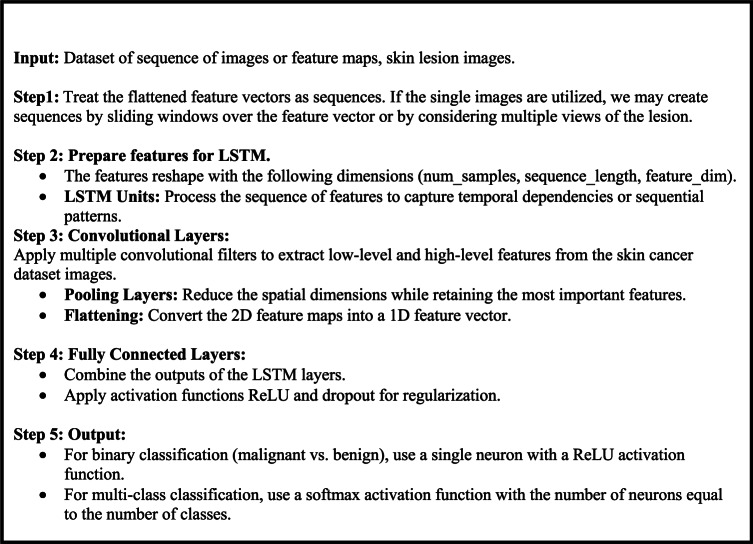
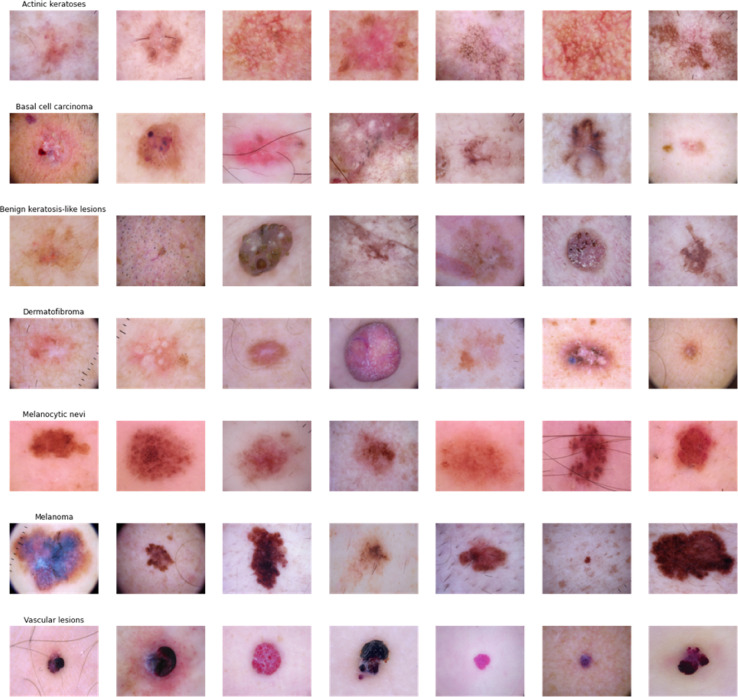
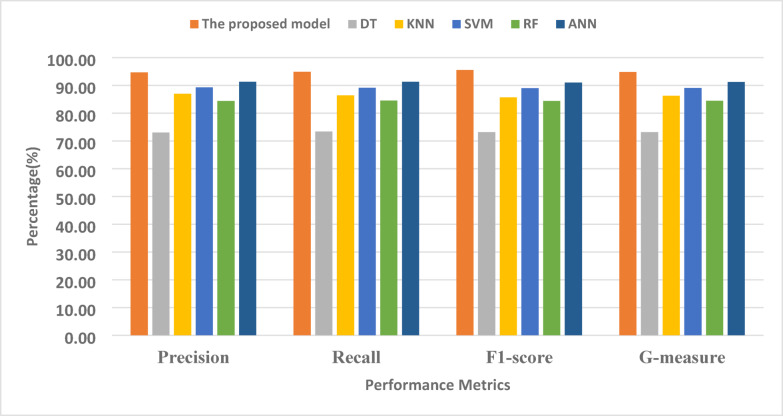
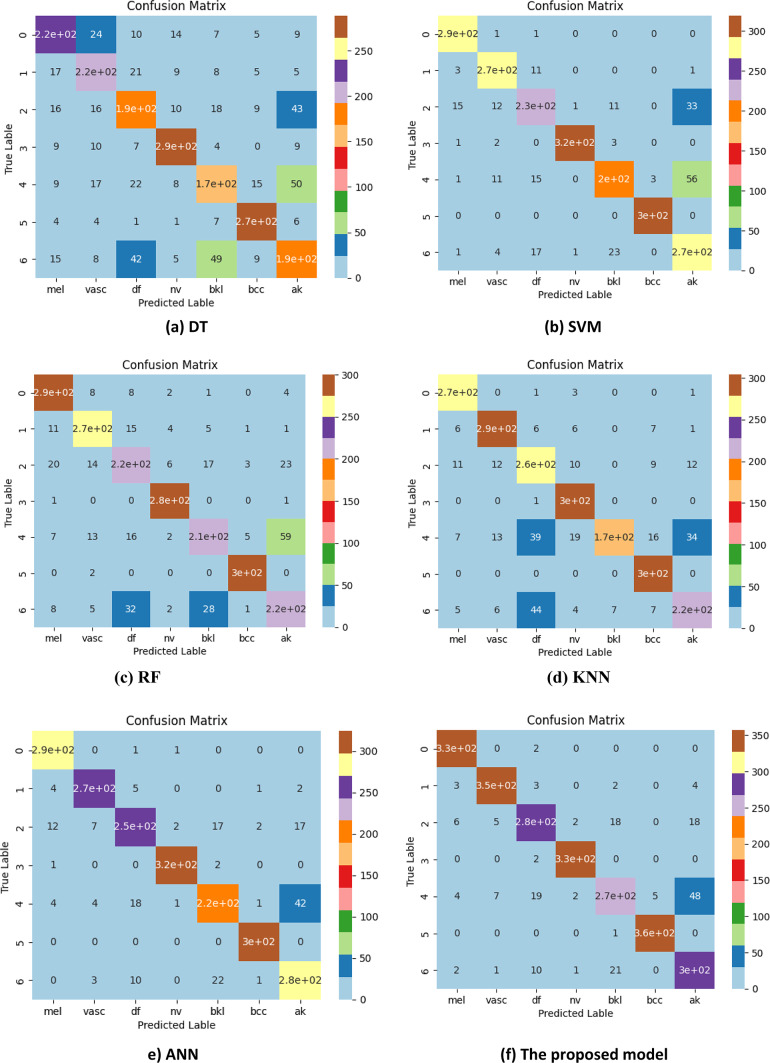
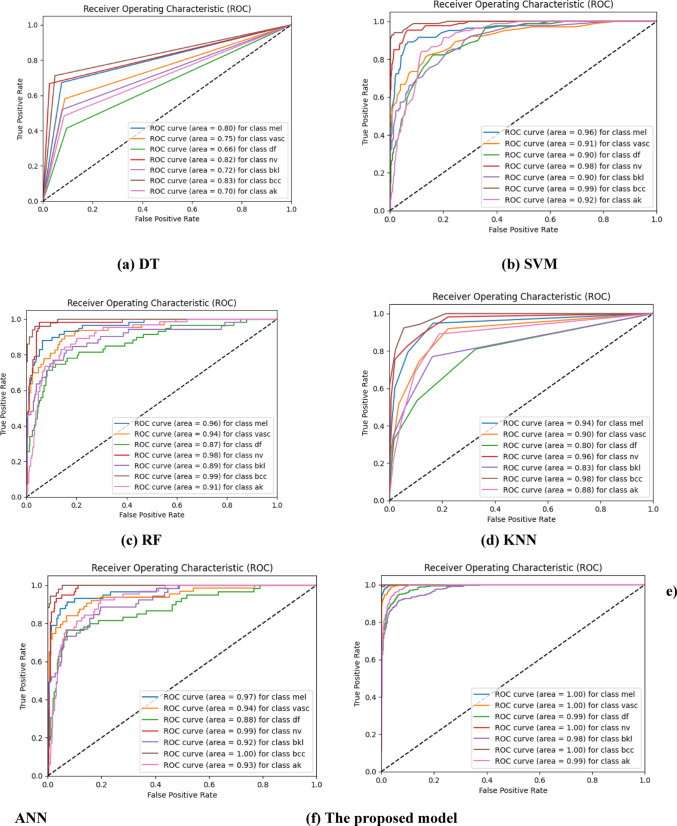
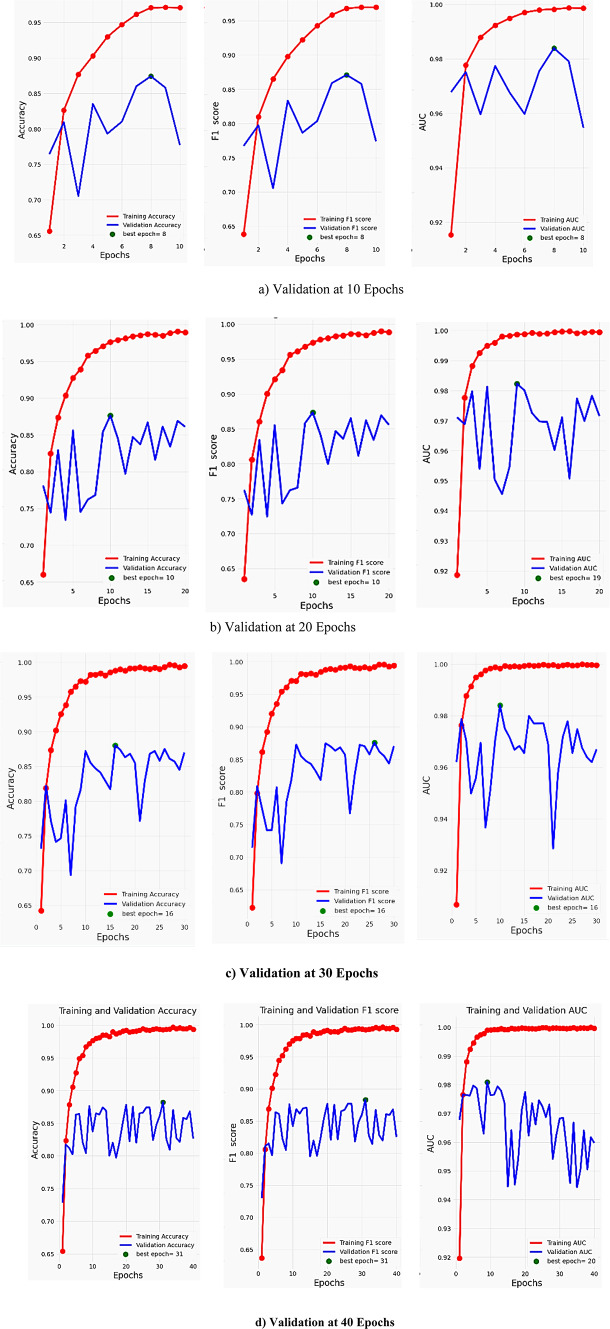
Melanoma is the most dangerous type of skin cancer. Although it accounts for only about 1% of all skin cancer cases, it is responsible for the majority of skin cancer-related deaths. Early detection and accurate diagnosis are crucial for improving the prognosis and survival rates of patients with melanoma. This paper presents a novel approach for the automatic identification of cutaneous lesions by integrating convolutional neural networks (CNNs) with long short-term memory (LSTM) networks. In the proposed approach, the image of each skin lesion is divided into a sequence of tags of a particular size, which is then treated by the LSTM network to capture temporal dependence and relevant relationships between different spatial regions. This patching sequence allows the modeling system to analyze the local pattern in the image. Time CNN layers are later used to extract spatial functions, such as texture, edges, and color variation, on each patch. A Softmax layer is then used for classification, providing a probability distribution over the possible classes. We use the HAM10000 dataset, which contains 10,015 skin lesion images. Experimental results demonstrate that the proposed method outperforms recent models in several metrics, including accuracy, recall, precision, F1 score, and ROC curve performance.
黑色素瘤是最危险的皮肤癌类型。尽管它仅占所有皮肤癌病例的约1%,但却导致了大多数与皮肤癌相关的死亡。早期检测和准确诊断对于改善黑色素瘤患者的预后和生存率至关重要。本文提出了一种将卷积神经网络(CNN)与长短期记忆(LSTM)网络相结合的自动识别皮肤病变的新方法。在所提出的方法中,每个皮肤病变的图像被分割成特定大小的标签序列,然后由LSTM网络处理以捕捉不同空间区域之间的时间依赖性和相关关系。这种补丁序列允许建模系统分析图像中的局部模式。随后使用时间CNN层在每个补丁上提取空间特征,如纹理、边缘和颜色变化。然后使用Softmax层进行分类,提供可能类别上的概率分布。我们使用了包含10015张皮肤病变图像的HAM10000数据集。实验结果表明,所提出的方法在多个指标上优于近期模型,包括准确率、召回率、精确率、F1分数和ROC曲线性能。