Chen Lin, Zhang Yaodong, Jia Peitan, Zhou Siyi, Qin Qionghui, Zhang Weiren, Huang Kewei, Wang Xiaopeng, Ye Haihui
State Key Laboratory of Mariculture Breeding, Fisheries College of Jimei University, Xiamen 361021, China.
Animals (Basel). 2025 Jun 20;15(13):1829. doi: 10.3390/ani15131829.
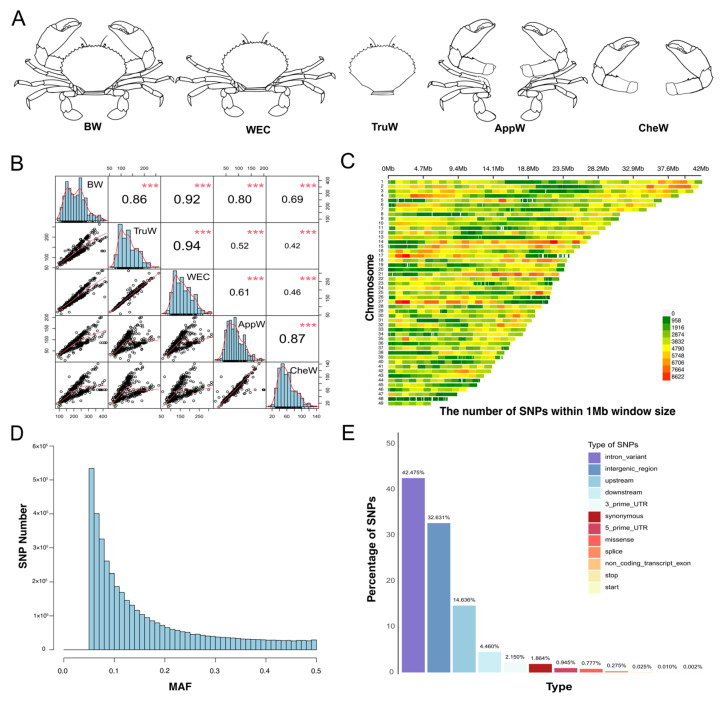
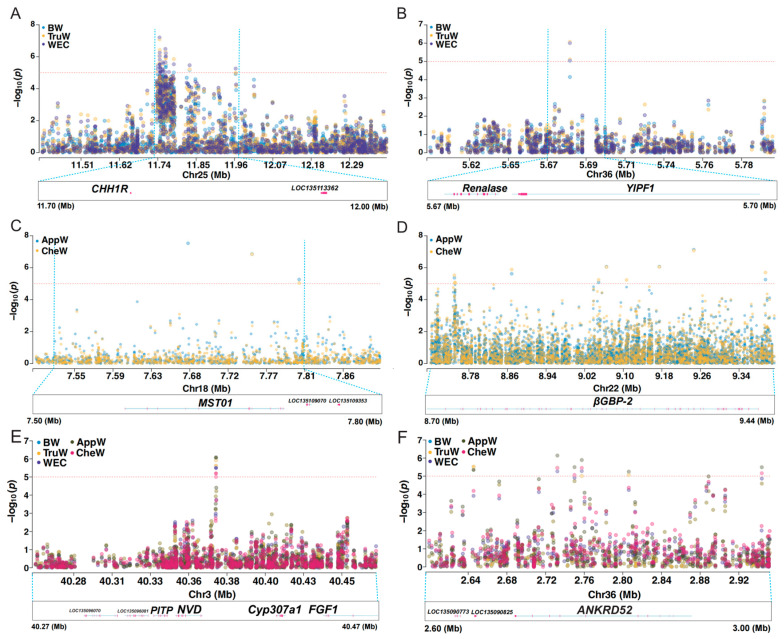
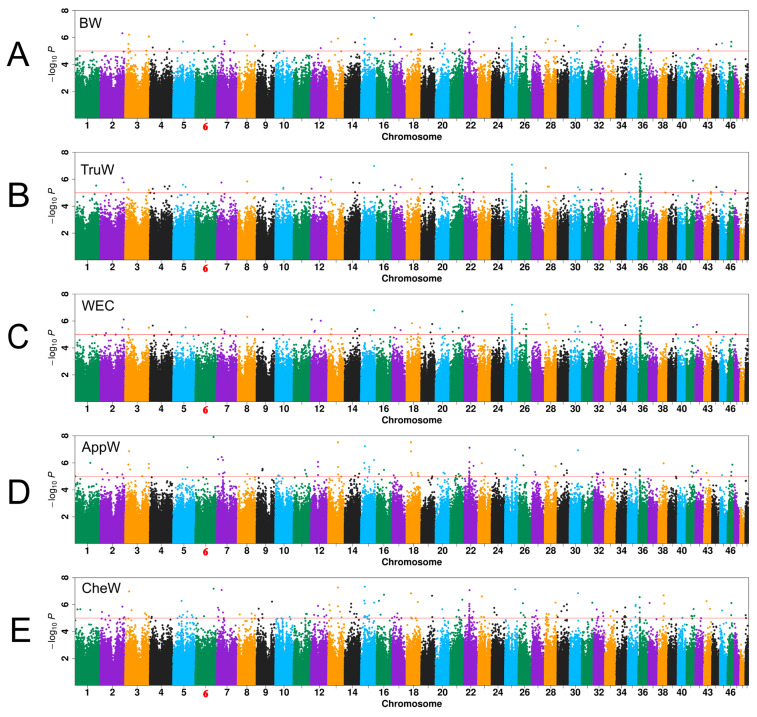
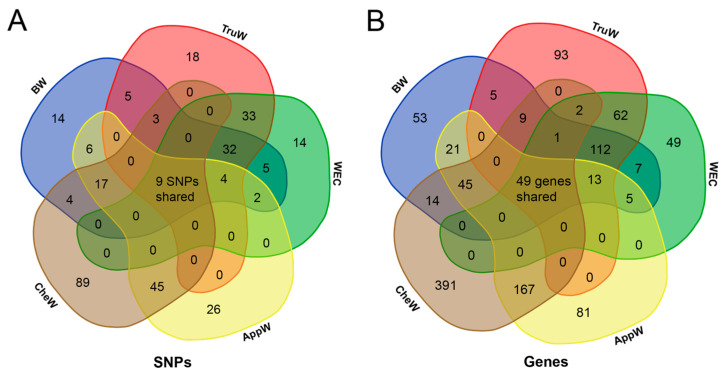
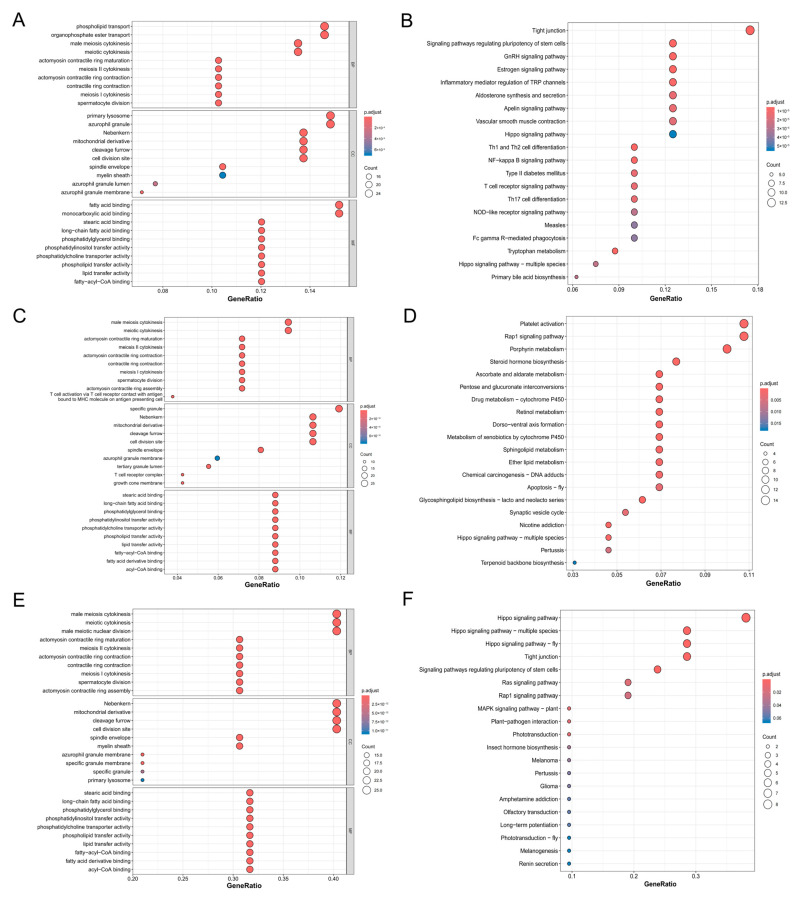
Weight traits serve as key economic indicators for assessing growth performance and commercial quality in the mud crab , yet the genetic basis of these traits remains poorly characterized. Here, we performed whole-genome resequencing on 323 individuals and conducted genome-wide association studies (GWAS) on five weight-related traits: (1) body-related traits, including body weight (BW), trunk weight (TruW), and weight excluding chelae (WEC); (2) appendage-related traits, containing appendage weight (AppW) and cheliped weight (CheW). Significantly associated SNPs were primarily enriched on chromosomes 15, 22, 25, and 36. For body-related traits, we identified 45 shared candidate SNPs and 175 common candidate genes; appendage-related traits revealed 71 shared candidate SNPs, and 229 common genes were identified; and across all five traits, there were 9 shared candidate SNPs and 49 common genes. Gene Ontology (GO) and Kyoto Encyclopedia of Genes and Genomes (KEGG) analyses indicated that shared functional terms/pathways among the five traits were mainly related to metabolism, development, and immunity. Body-related traits exhibited more unique GO terms and KEGG pathways associated with metabolism and immunity, whereas appendage-related traits showed some unique GO terms and KEGG pathways involved in development and morphogenesis. Among the candidate genes, we identified multiple genes associated with growth and development, metabolism, and immune responses. For example, the gene, common to carapace-related traits, is linked to feeding; the gene, which is common to appendage-related traits, is connected to movement, and the gene is pertinent to muscle development. Among the candidate genes shared by all five traits, there are a series of genes concerning growth and development (such as , , , , ) and immune responses (). These findings advance our understanding of the genetic architecture underlying decapod crustacean growth and provide valuable insights for optimizing sustainable breeding strategies in .
体重性状是评估青蟹生长性能和商业品质的关键经济指标,然而这些性状的遗传基础仍未得到充分表征。在此,我们对323个个体进行了全基因组重测序,并对五个与体重相关的性状进行了全基因组关联研究(GWAS):(1)与身体相关的性状,包括体重(BW)、躯干重量(TruW)和不含螯的重量(WEC);(2)与附肢相关的性状,包括附肢重量(AppW)和螯足重量(CheW)。显著相关的单核苷酸多态性(SNP)主要富集在15号、22号、25号和36号染色体上。对于与身体相关的性状,我们鉴定出45个共享候选SNP和175个共同候选基因;与附肢相关的性状揭示了71个共享候选SNP,并鉴定出229个共同基因;在所有五个性状中,有9个共享候选SNP和49个共同基因。基因本体论(GO)和京都基因与基因组百科全书(KEGG)分析表明,这五个性状之间共享的功能术语/途径主要与代谢、发育和免疫有关。与身体相关的性状表现出更多与代谢和免疫相关的独特GO术语和KEGG途径,而与附肢相关的性状则显示出一些与发育和形态发生相关的独特GO术语和KEGG途径。在候选基因中,我们鉴定出多个与生长发育、代谢和免疫反应相关的基因。例如,与甲壳相关性状共有的基因与摄食有关;与附肢相关性状共有的基因与运动有关,而该基因与肌肉发育相关。在所有五个性状共有的候选基因中,有一系列与生长发育(如、(、、、))和免疫反应(()相关的基因。这些发现增进了我们对十足目甲壳类动物生长遗传结构的理解,并为优化青蟹可持续育种策略提供了有价值的见解。