Dzięgielewska Monika, Tomczyk Michał, Wiater Adrian, Woytoń Aleksandra, Junka Adam
Platform for Unique Models Application (P.U.M.A.), Department of Pharmaceutical Microbiology and Parasitology, Wroclaw Medical University, ul. Borowska 211, 50-534 Wrocław, Poland.
Dziegielewska Eye Institute, ul. Prymasa Augusta Hlonda 10c/u7, 02-972 Warsaw, Poland.
Molecules. 2025 Jul 5;30(13):2863. doi: 10.3390/molecules30132863.
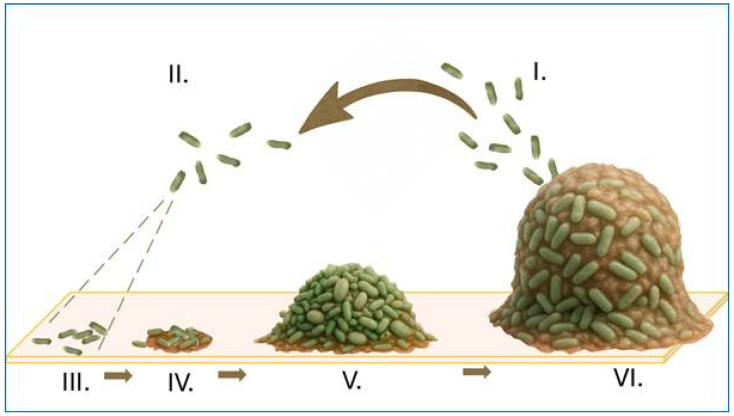
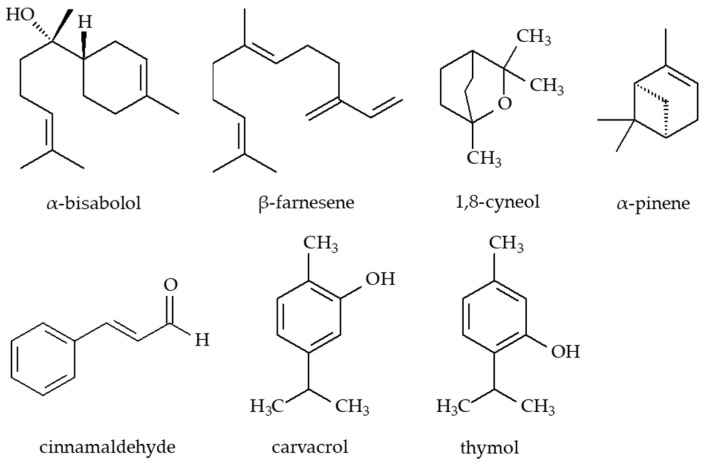
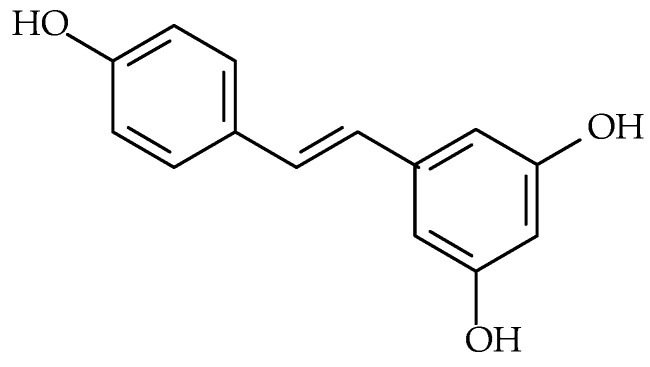
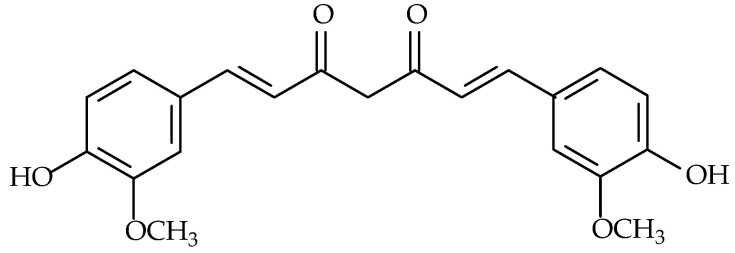
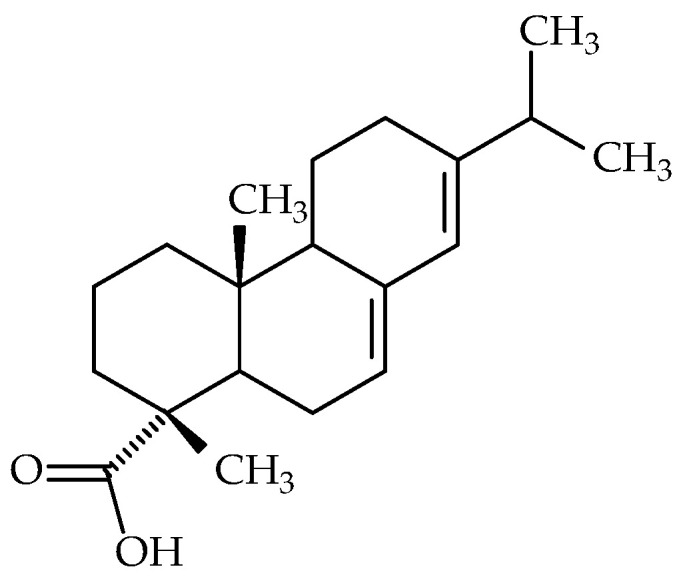
Microbial biofilms present a formidable challenge in ophthalmology. Their intrinsic resistance to antibiotics and evasion of host immune defenses significantly complicate treatments for ocular infections such as conjunctivitis, keratitis, blepharitis, and endophthalmitis. These infections are often caused by pathogens, including , , and , particularly in patients using contact lenses or intraocular implants-devices that serve as surfaces for biofilm formation. The global rise in antimicrobial resistance has intensified the search for alternative treatment modalities. In this regard, plant-derived antimicrobials have emerged as promising candidates demonstrating broad-spectrum antimicrobial and antibiofilm activity through different mechanisms from those of conventional antibiotics. These mechanisms include inhibiting quorum sensing, disrupting established biofilm matrices, and interfering with microbial adhesion and communication. However, the clinical translation of phytochemicals faces significant barriers, including variability in chemical composition due to environmental and genetic factors, difficulties in standardization and reproducibility, poor water solubility and ocular bioavailability, and a lack of robust clinical trials evaluating their efficacy and safety in ophthalmic settings. Furthermore, regulatory uncertainties and the absence of unified guidelines for approving plant-derived formulations further hinder their integration into evidence-based ophthalmic practice. This review synthesizes the current knowledge on the pathogenesis and treatment of biofilm-associated ocular infections, critically evaluating plant-based antimicrobials as emerging therapeutic agents. Notably, resveratrol, curcumin, abietic acid, and selected essential oils demonstrated notable antibiofilm activity against , , and . These findings support the potential of phytochemicals as adjunctive or alternative agents in managing biofilm-associated ocular infections. By highlighting both their therapeutic promise and translational limitations, this review contributes to the ongoing discourse on sustainable, innovative approaches to managing antibiotic-resistant ocular infections.
微生物生物膜在眼科领域构成了巨大挑战。它们对抗生素的固有抗性以及对宿主免疫防御的逃避,使得结膜炎、角膜炎、睑缘炎和眼内炎等眼部感染的治疗变得极为复杂。这些感染通常由病原体引起,包括 、 和 ,尤其是在使用隐形眼镜或眼内植入物的患者中,这些器械为生物膜形成提供了表面。全球抗菌药物耐药性的上升加剧了对替代治疗方式的探索。在这方面,植物源抗菌剂已成为有前景的候选物,通过与传统抗生素不同的机制展现出广谱抗菌和抗生物膜活性。这些机制包括抑制群体感应、破坏已形成的生物膜基质以及干扰微生物的黏附和通讯。然而,植物化学物质的临床转化面临重大障碍,包括由于环境和遗传因素导致的化学成分变异性、标准化和可重复性困难、水溶性和眼部生物利用度差,以及缺乏评估其在眼科环境中疗效和安全性的有力临床试验。此外,监管方面的不确定性以及缺乏批准植物源制剂的统一指南,进一步阻碍了它们融入循证眼科实践。本综述综合了关于生物膜相关眼部感染发病机制和治疗的现有知识,批判性地评估了植物源抗菌剂作为新兴治疗药物的情况。值得注意的是,白藜芦醇、姜黄素、松香酸和某些精油对 、 和 表现出显著的抗生物膜活性。这些发现支持了植物化学物质作为辅助或替代药物治疗生物膜相关眼部感染的潜力。通过强调它们的治疗前景和转化局限性,本综述有助于持续讨论应对抗生素耐药性眼部感染的可持续、创新方法。