
构建胶质瘤脉管系统的全脑全景图揭示了肿瘤异质性和血脑屏障破坏。
Construction of a whole-brain panorama for glioma vasculature reveals tumor heterogeneity and blood-brain barrier disruption.
作者信息
Huang Chenxi, Xin Xiaohong, Hao Xiaoxu, Zhou Shilin, Xie Zongneng, He Lijuan, Li Xiaoliang, Zhang Yu, Sun Hongyu, Zhang Jiwen, Zhang Xiaochuan, Yin Xianzhen
机构信息
Lingang Laboratory, Shanghai 200031, China.
School of Life Science and Technology, Shanghai Tech University, Shanghai 201210, China.
出版信息
Sci Adv. 2025 Jul 25;11(30):eadw8330. doi: 10.1126/sciadv.adw8330. Epub 2025 Jul 23.
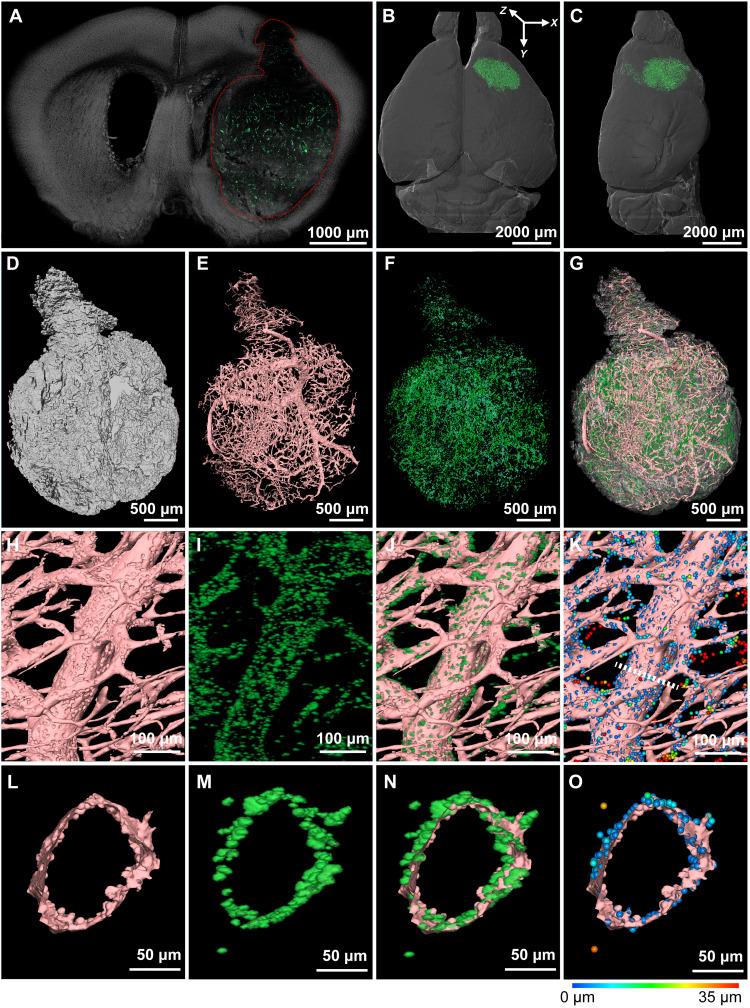
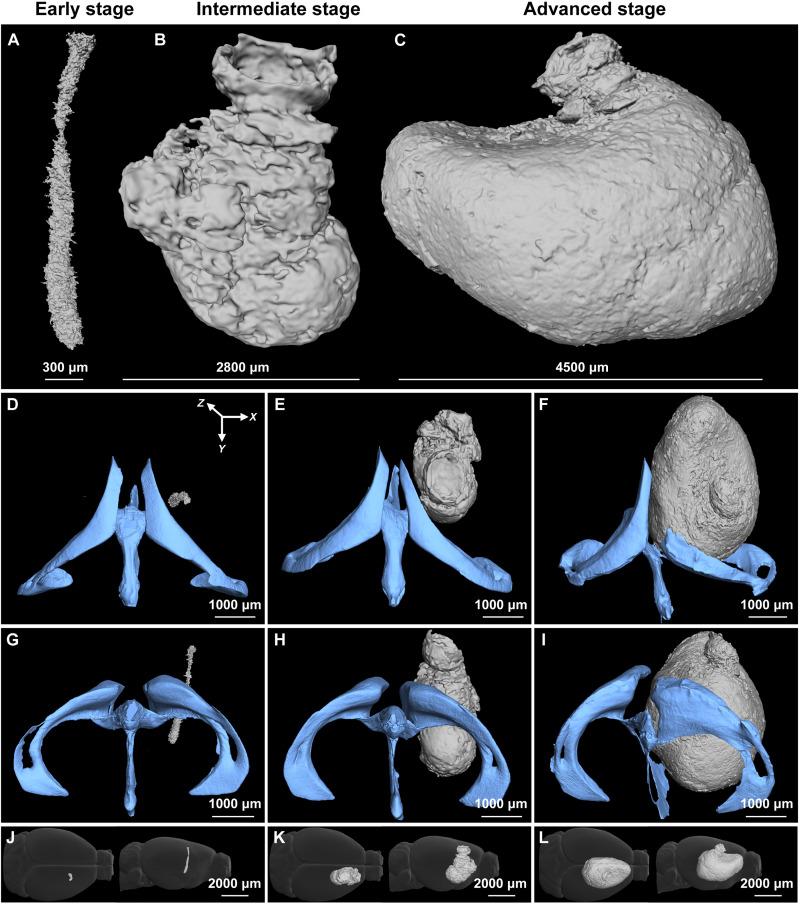
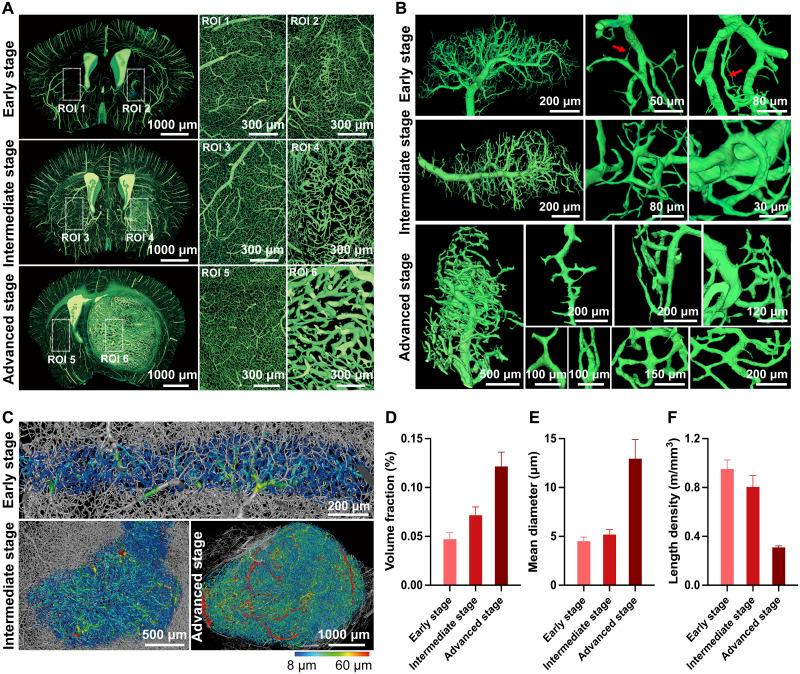
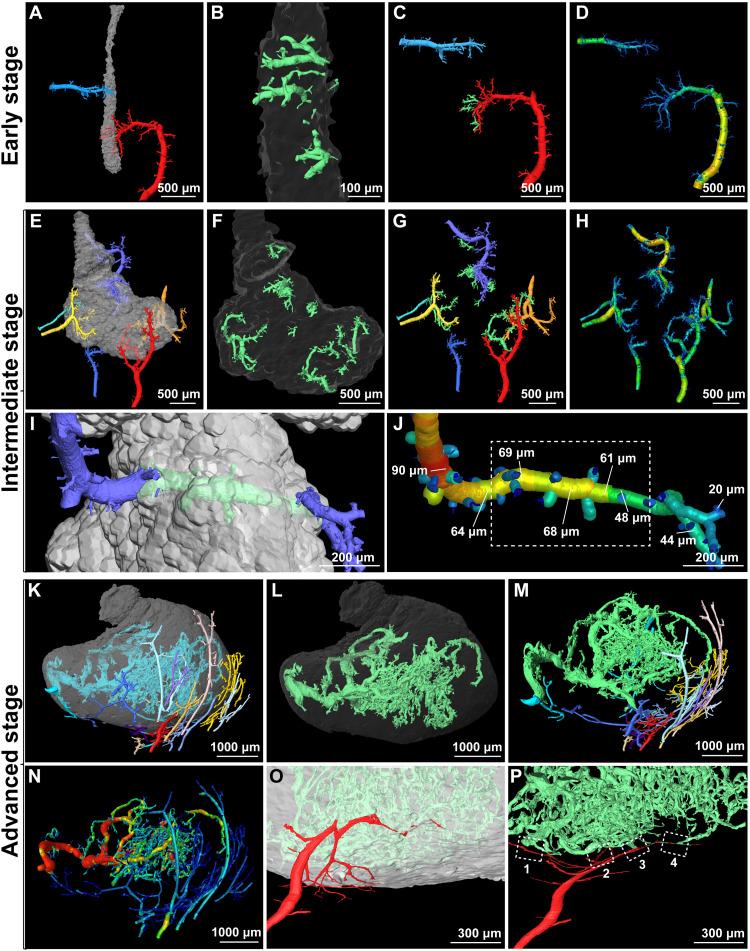
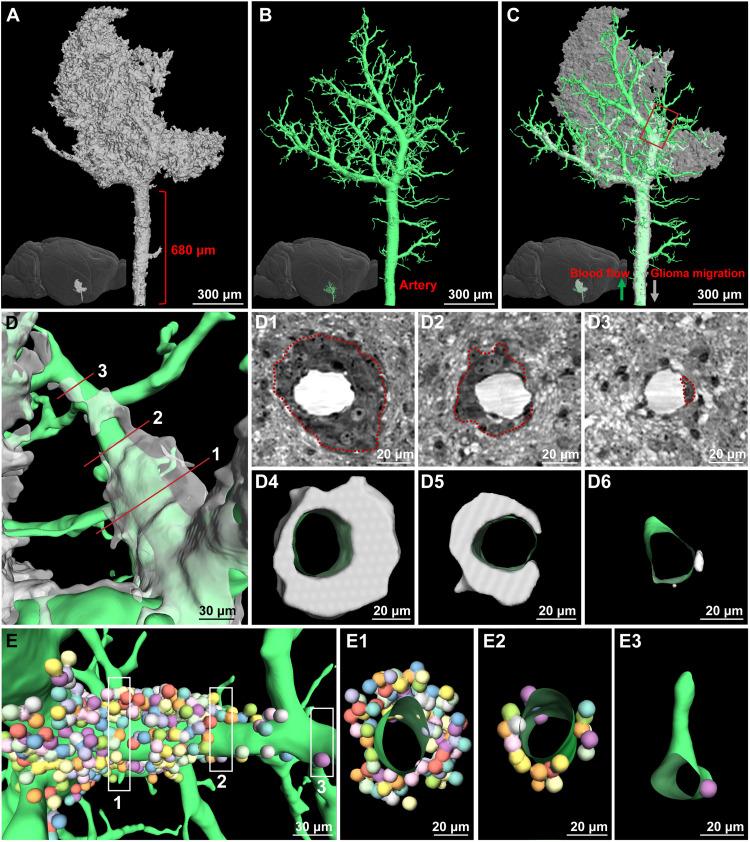
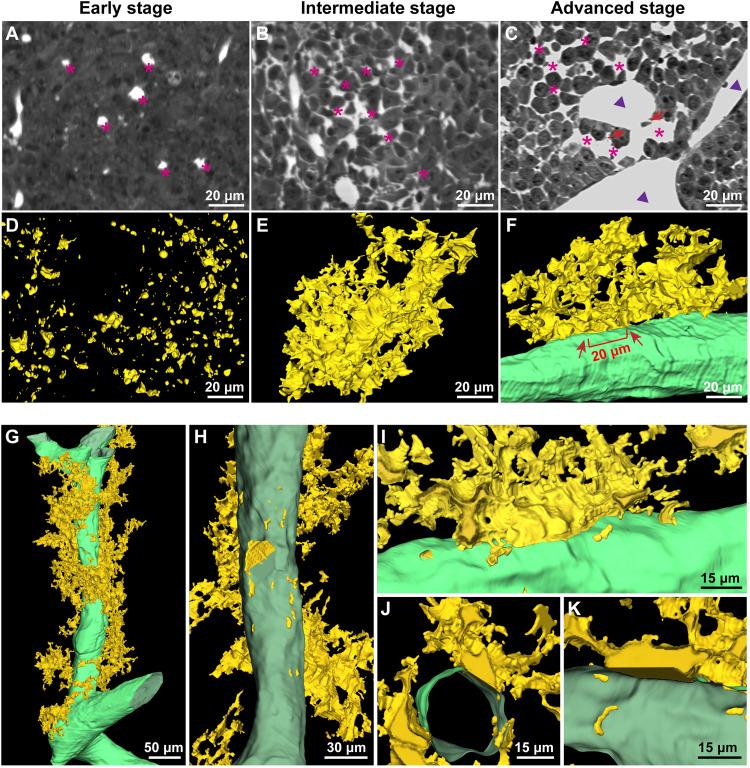
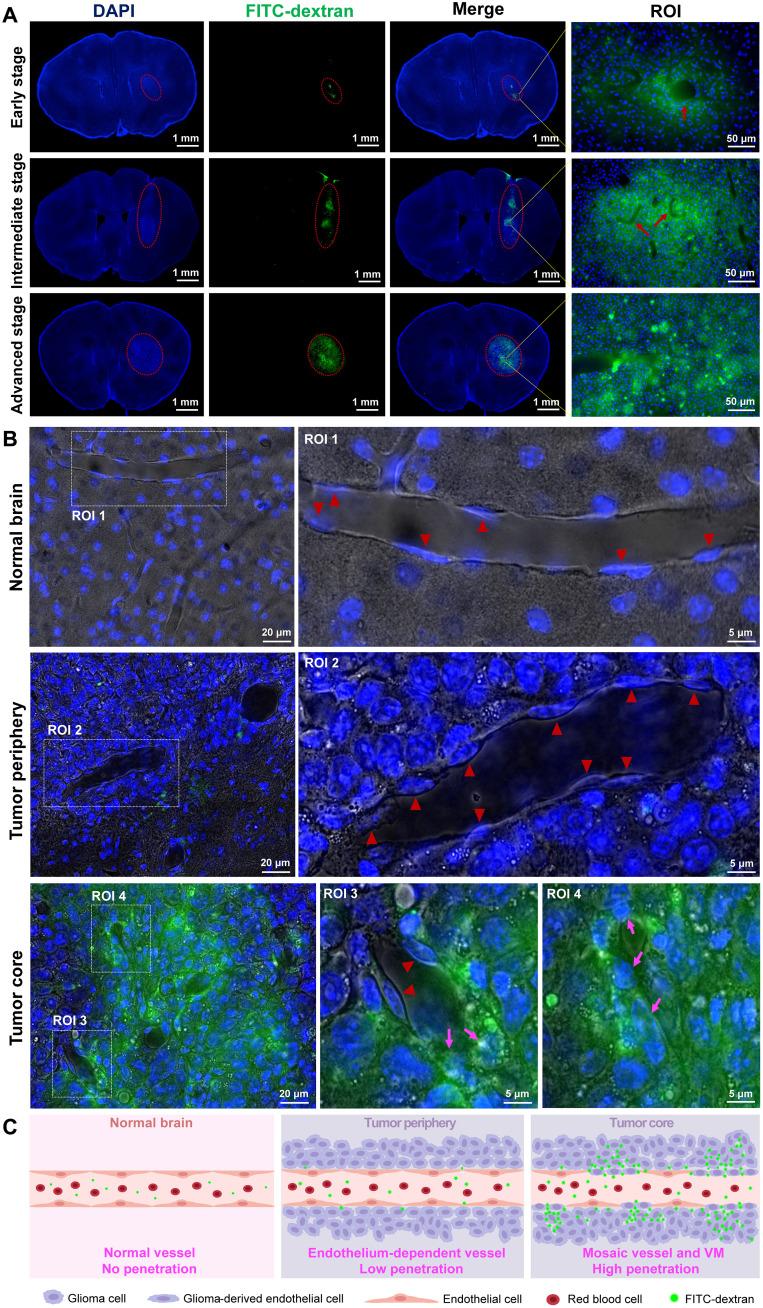
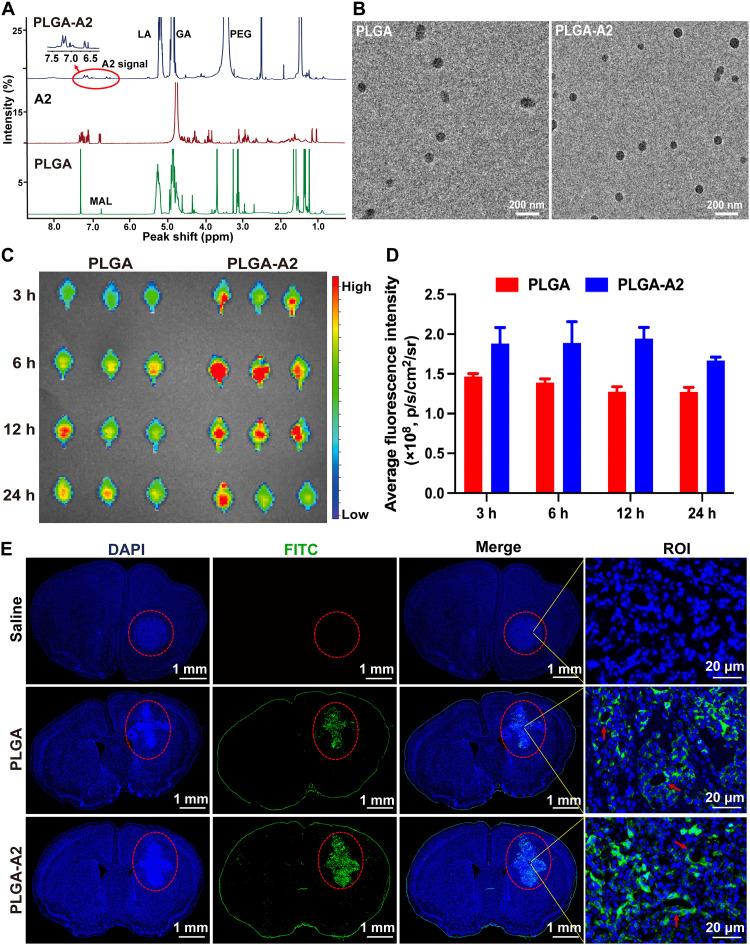
Vasculature-induced tumor tissue heterogeneity impedes predicable drug distribution and presents notable challenges for optimizing nanoparticle (NP)-based drug delivery. However, mesoscopic-scale tumor heterogeneity across entire brain remains poorly characterized. To address this, we integrated micro-optical sectioning tomography (MOST) with high-precision three-dimensional (3D) reconstruction analysis to map pathological features of orthotopic glioma at submicron resolution across whole mice brain. Our findings uncovered significant heterogeneity in glioma invasiveness, vasculature, and compensatory angiogenesis while precisely delineating NP distribution throughout the tumor. Notably, early-stage glioma co-opted and migrated 680-micrometer upstream along the main cerebral artery within 4 days after glioma implantation. Blood-brain barrier permeability gradually increased during glioma progression, enabling NP penetrated via large-diameter vessels instead being restricted to capillaries. This work establishes a multiscale, high-resolution, 3D atlas of glioma heterogeneity and NP distribution, and bridges mesoscopic structural complexity to functional drug delivery barriers, advancing strategies to enhance oncotherapy precision in heterogeneous brain tumors.
血管诱导的肿瘤组织异质性阻碍了可预测的药物分布,并对优化基于纳米颗粒(NP)的药物递送提出了显著挑战。然而,整个大脑中微观尺度的肿瘤异质性仍未得到充分表征。为了解决这一问题,我们将微光学切片断层扫描(MOST)与高精度三维(3D)重建分析相结合,以亚微米分辨率绘制全脑原位胶质瘤的病理特征。我们的研究结果揭示了胶质瘤侵袭性、血管系统和代偿性血管生成方面的显著异质性,同时精确描绘了NP在整个肿瘤中的分布。值得注意的是,早期胶质瘤在植入后4天内沿着大脑主要动脉向上游共选择并迁移了680微米。在胶质瘤进展过程中,血脑屏障通透性逐渐增加,使NP能够通过大直径血管穿透,而不是局限于毛细血管。这项工作建立了一个多尺度、高分辨率的胶质瘤异质性和NP分布3D图谱,并将微观结构复杂性与功能性药物递送障碍联系起来,推进了提高异质性脑肿瘤肿瘤治疗精度的策略。
 Zotero 插件