Rozenberg Julian M, Boguslavsky Dmitri, Chistopolsky Ilya, Zakharov Igor, Dyakonova Varvara
Koltzov Institute of Developmental Biology of the Russian Academy of Sciences, 119334 Moscow, Russia.
Int J Mol Sci. 2025 Jul 20;26(14):6970. doi: 10.3390/ijms26146970.
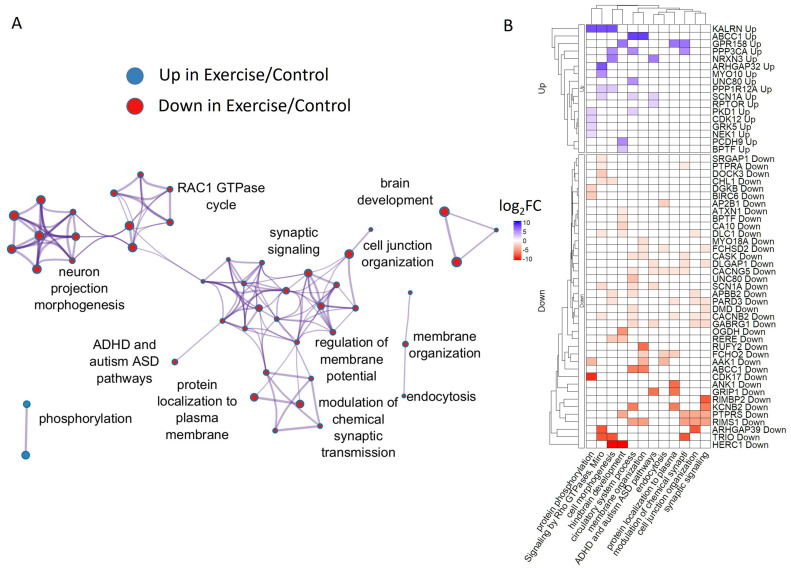
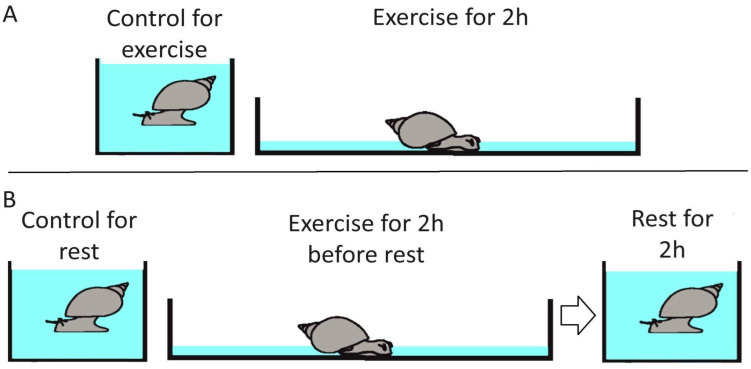
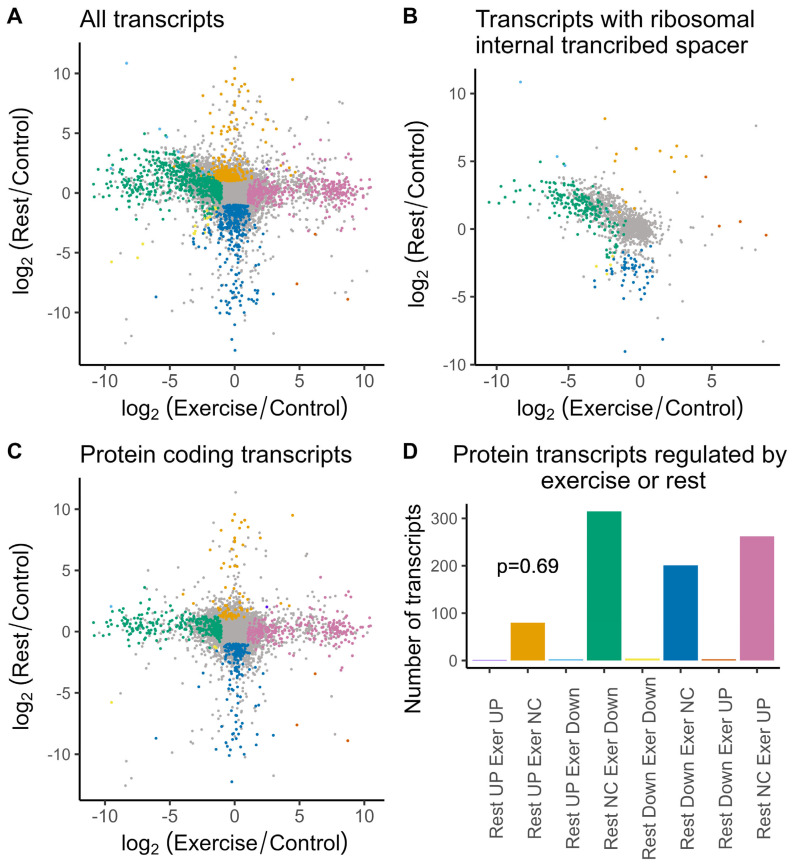
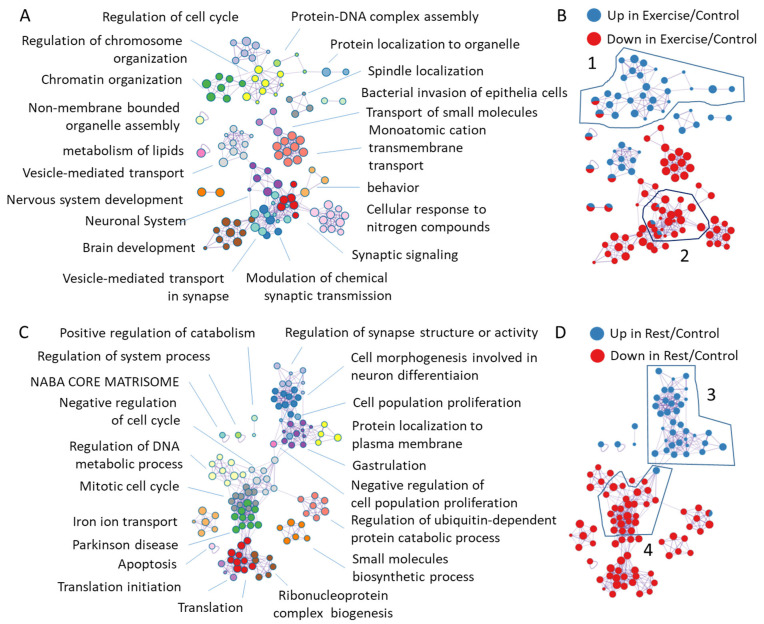
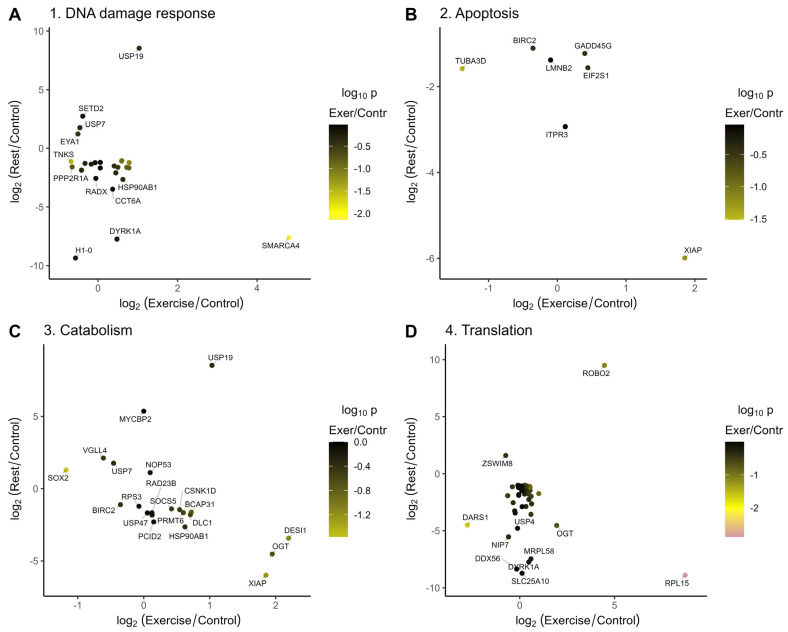
In the freshwater snail , two hours of shallow water crawling exercise are accompanied by the formation of memory, metabolic, neuronal, and behavioral changes, such as faster orientation in a novel environment. Interestingly, rest following exercise enhances serotonin and dopamine metabolism linked to the formation of memory and adaptation to novel conditions. However, the underlying transcriptional responses are not characterized. In this paper, we show that, while two hours of forced crawling exercise in produce significant changes in nervous system gene expression, the subsequent rest induces a completely distinct transcriptional program. Chromatin-modifying, vesicle transport, and cell cycle genes were induced, whereas neurodevelopmental, behavioral, synaptic, and hormone response genes were preferentially repressed immediately after two hours of exercise. These changes were normalized after two hours of the subsequent rest. In turn, rest induced the expression of genes functioning in neuron differentiation and synapse structure/activity, while mitotic, translational, and protein degradation genes were repressed. Our findings are likely relevant to the physiology of exercise, rest, and learning in other species. For example, chronic voluntary exercise training in mice affects the expression of many homologous genes in the hippocampus. Moreover, in humans, homologous genes are pivotal for normal development and complex neurological functions, and their mutations are associated with behavioral, learning, and neurodevelopmental abnormalities.
在淡水蜗牛中,两小时的浅水爬行运动会伴随着记忆、代谢、神经元和行为的变化,比如在新环境中定向更快。有趣的是,运动后的休息会增强与记忆形成和适应新环境相关的血清素和多巴胺代谢。然而,潜在的转录反应尚未得到表征。在本文中,我们表明,虽然在两小时的强制爬行运动中神经系统基因表达会产生显著变化,但随后的休息会诱导出一个完全不同的转录程序。染色质修饰、囊泡运输和细胞周期基因被诱导,而在运动两小时后,神经发育、行为、突触和激素反应基因则优先被抑制。在随后两小时的休息后,这些变化恢复正常。反过来,休息诱导了在神经元分化和突触结构/活动中起作用的基因的表达,而有丝分裂、翻译和蛋白质降解基因则受到抑制。我们的发现可能与其他物种的运动、休息和学习生理相关。例如,小鼠的慢性自愿运动训练会影响海马体中许多同源基因的表达。此外,在人类中,同源基因对正常发育和复杂的神经功能至关重要,它们的突变与行为、学习和神经发育异常有关。