Mateos-Sánchez Carlos, González Beatriz, de Miguel-García Gisela, Font-Cugat Aida, Marcote-Corral Iris, Alonso Sergio
Cancer Genetics and Epigenetics group (CGE), Translational Program in Cancer Research (CARE), Germans Trias i Pujol Research Institute (IGTP), Badalona, Barcelona, Spain.
Sci Rep. 2025 Jul 29;15(1):27687. doi: 10.1038/s41598-025-13588-x.
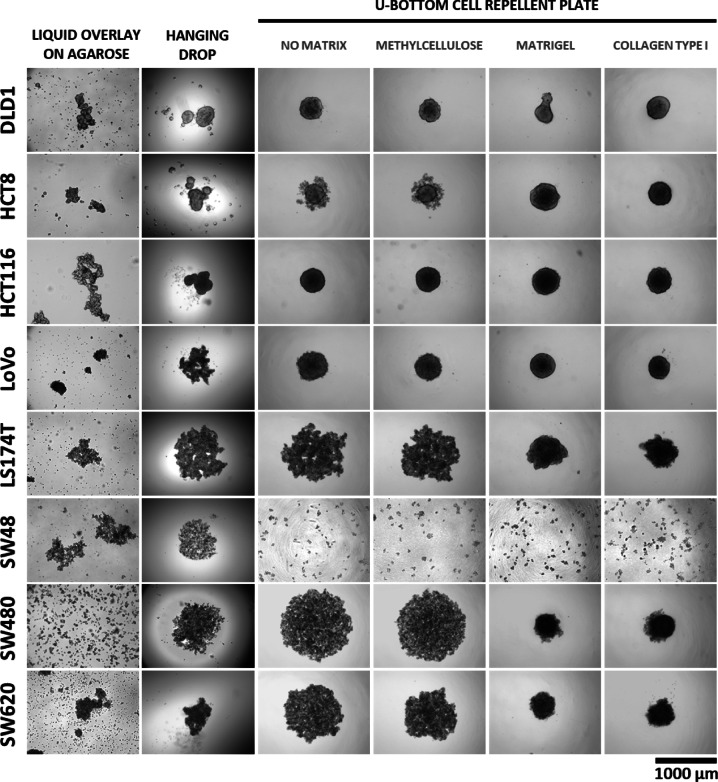
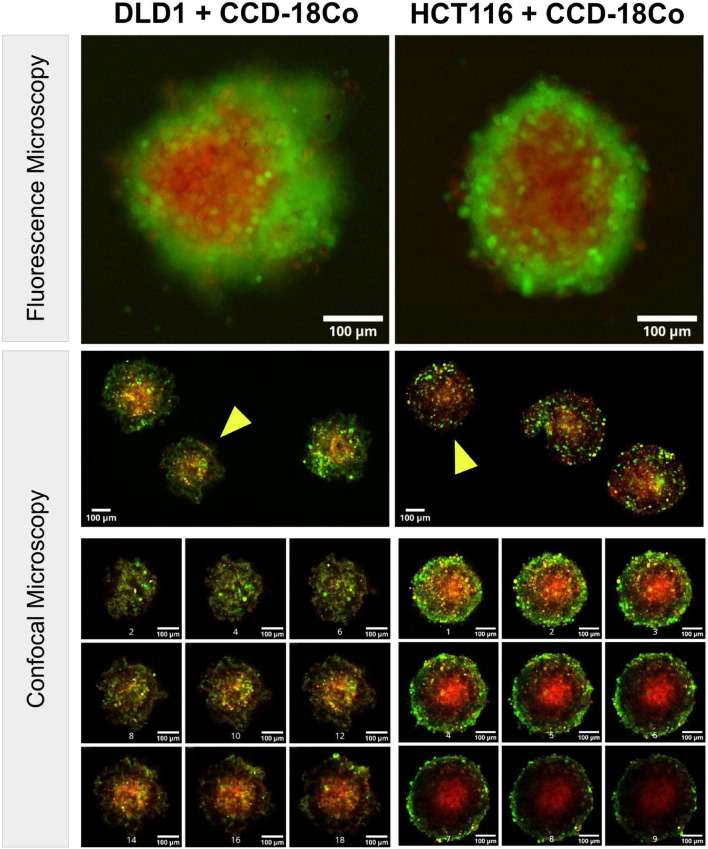
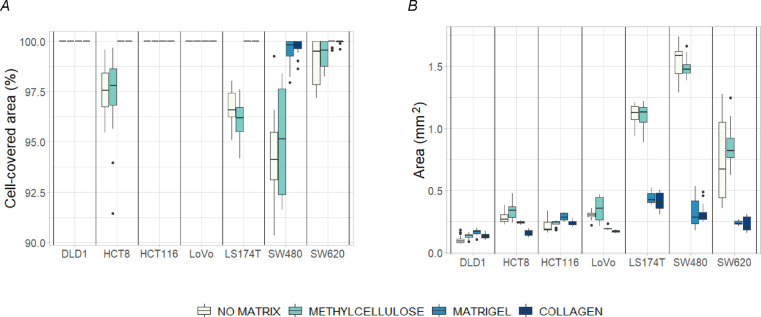
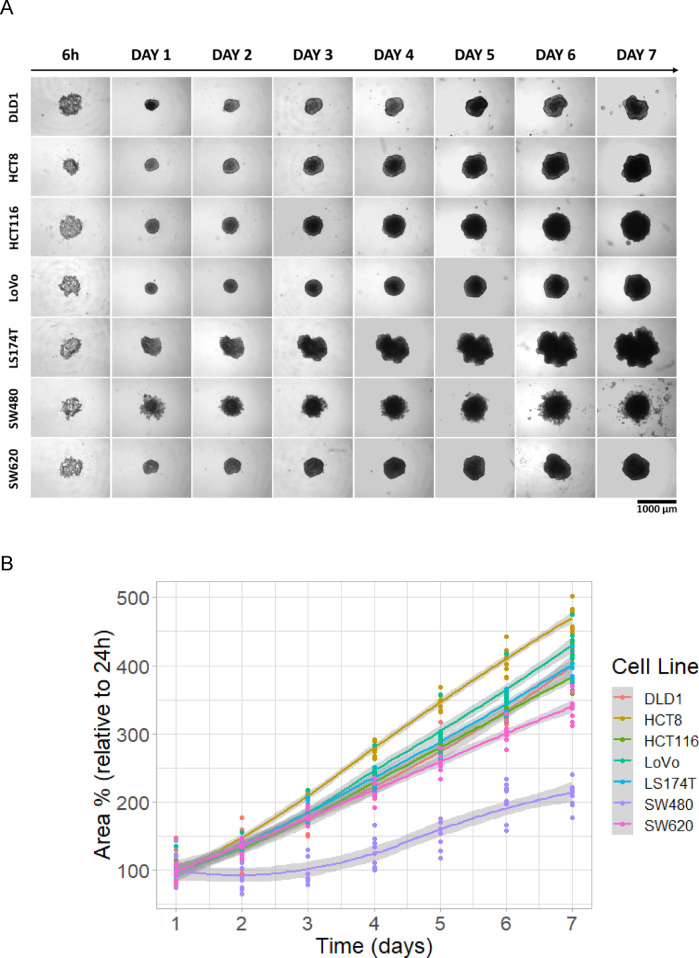
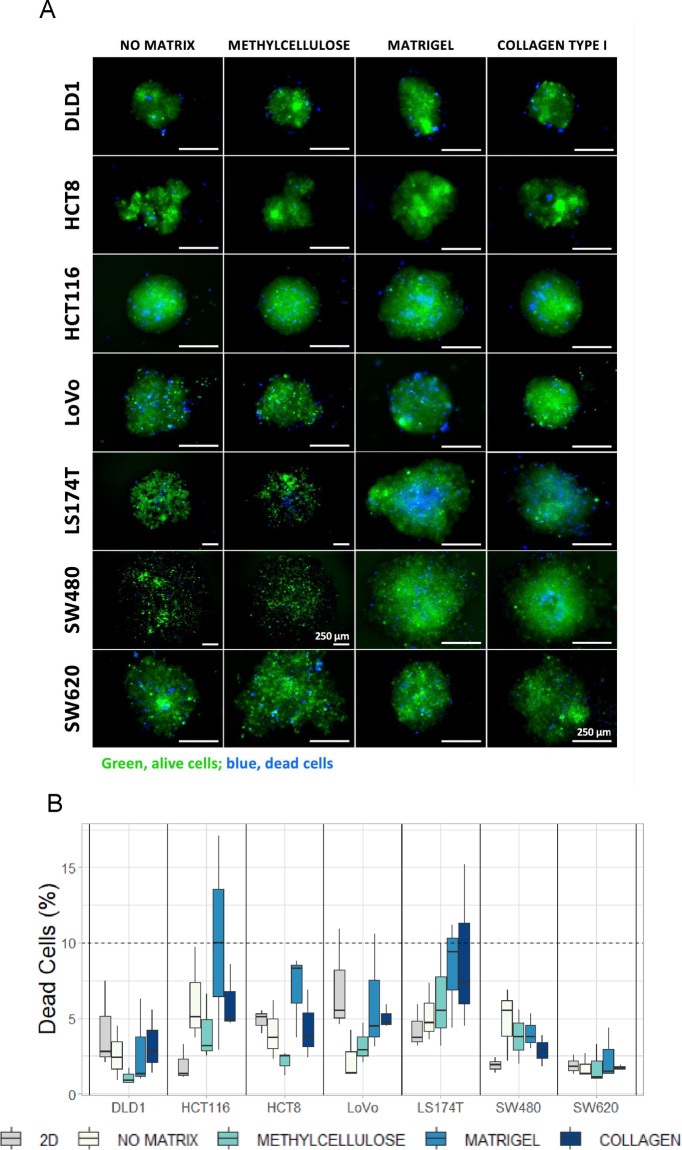
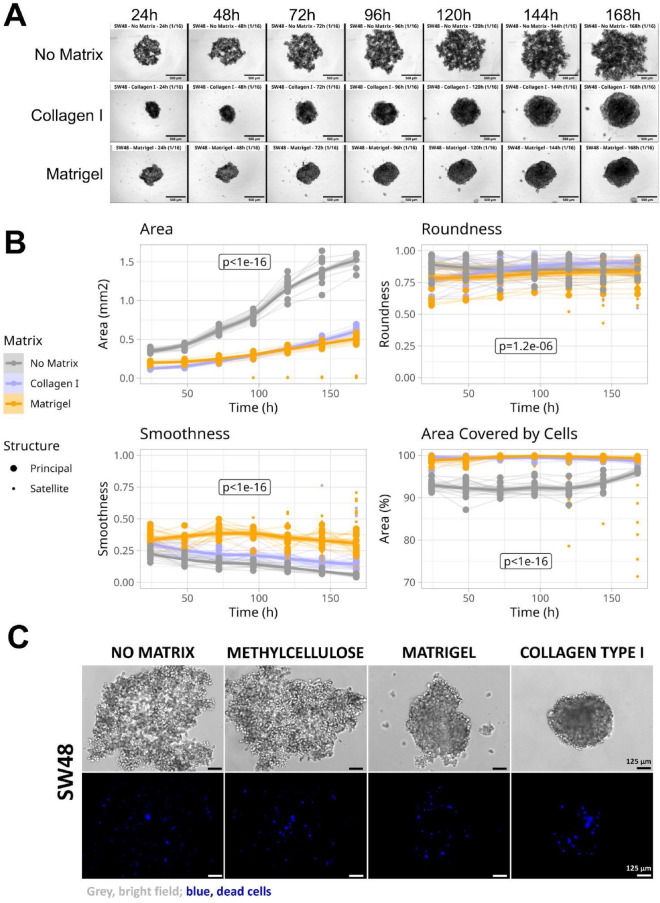
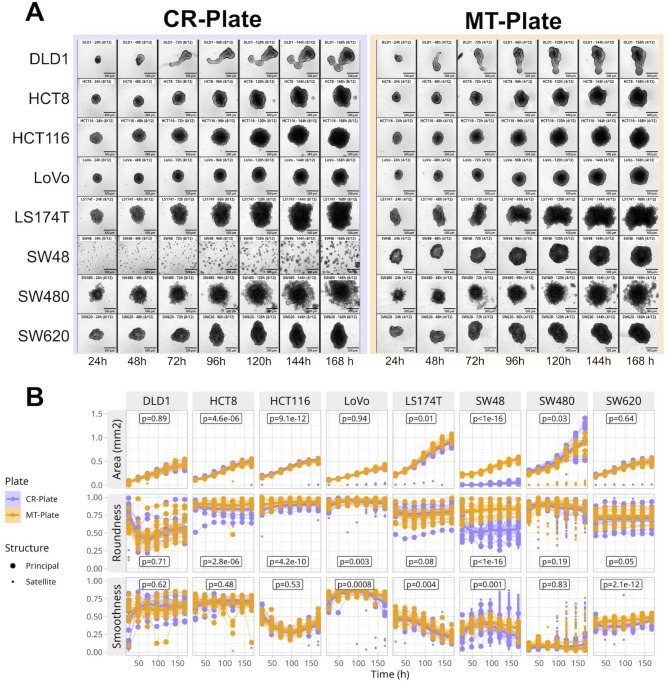
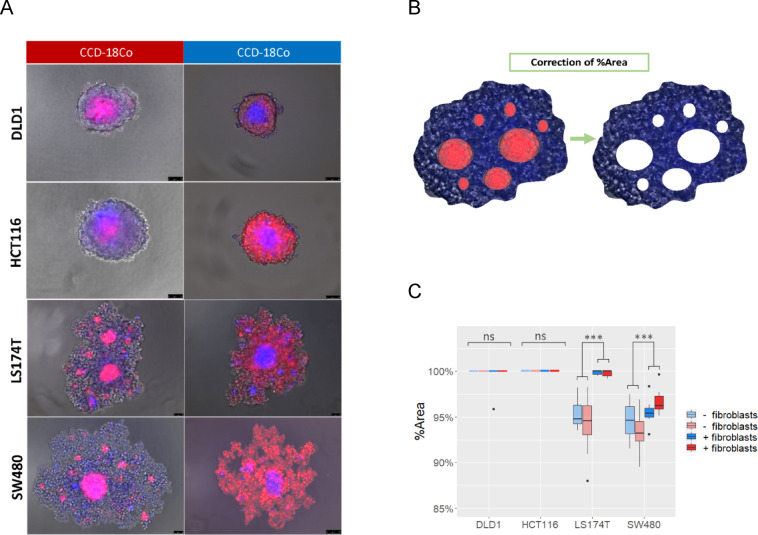
Colorectal cancer (CRC) is an important global health challenge, with nearly 2 million diagnosed cases and over 900,000 deaths annually despite therapeutic advancements. The high morbidity and mortality rates underscore the need for more efficient therapies. Three-dimensional (3D) cell culture models have emerged as more physiologically relevant alternatives to traditional two-dimensional (2D) models for drug screening and mechanistic studies. However, generating consistent spheroids across different CRC cell lines presents technical challenges, and protocols remain inconsistent. This study evaluated different 3D culture methodologies, i.e. overlay on agarose, hanging drop, and U-bottom plates without matrix or with methylcellulose, Matrigel or collagen type I hydrogels, across eight CRC cell lines. Multicellular tumour spheroids (MCTS) morphology and cell viability were analysed. Co-cultures with immortalised colonic fibroblasts were explored to improve the physiological relevance of the tumour models. The study provided insights into the morphological and viability characteristics of 3D cultures across multiple CRC cell lines. A novel compact spheroid model using the SW48 cell line was successfully developed. Co-culture experiments with fibroblasts offered additional insights into tumour-stroma interactions in a 3D setting. This study contributes to the advancement of more physiologically relevant in vitro CRC models, potentially enhancing the accuracy of preclinical studies and drug screening processes. The successful 3D model of SW48 expands the repertoire of CRC cell lines available for 3D culture studies. The treatment of regular multi-well plates with anti-adherence solution allows to generate CRC spheroids at significantly lower cost than using cell-repellent multi-well plates. These findings may lead to improved preclinical models for CRC research and drug development.
结直肠癌(CRC)是一项重大的全球健康挑战,尽管治疗技术有所进步,但每年仍有近200万例确诊病例和超过90万例死亡。高发病率和死亡率凸显了对更有效治疗方法的需求。三维(3D)细胞培养模型已成为比传统二维(2D)模型在生理上更相关的药物筛选和机制研究替代方案。然而,在不同的CRC细胞系中生成一致的球体存在技术挑战,且方案仍不一致。本研究评估了八种CRC细胞系的不同3D培养方法,即琼脂糖覆盖、悬滴法以及无基质或添加甲基纤维素、基质胶或I型胶原蛋白水凝胶的U型底孔板培养法。分析了多细胞肿瘤球体(MCTS)的形态和细胞活力。探索了与永生化结肠成纤维细胞的共培养,以提高肿瘤模型的生理相关性。该研究深入了解了多种CRC细胞系3D培养的形态和活力特征。成功开发了一种使用SW48细胞系的新型紧密球体模型。与成纤维细胞的共培养实验为3D环境中的肿瘤-基质相互作用提供了更多见解。本研究有助于推进更具生理相关性的体外CRC模型,可能提高临床前研究和药物筛选过程的准确性。成功的SW48 3D模型扩大了可用于3D培养研究的CRC细胞系库。用抗粘附溶液处理常规多孔板能够以比使用细胞排斥多孔板显著更低的成本生成CRC球体。这些发现可能会改进CRC研究和药物开发的临床前模型。