Zhou Jiao, Zhu Jun-Gang, Xiao Peng, Wang Kai-Lu, Xu Qian, Wu Meng-Xi, Pan Yuan-Zhi
College of Landscape Architecture, Sichuan Agricultural University, Chengdu 611130, China.
Department of Landscape Architecture, School of Architecture and Planning, Foshan University, Foshan 528000, China.
Plants (Basel). 2025 Jul 10;14(14):2131. doi: 10.3390/plants14142131.
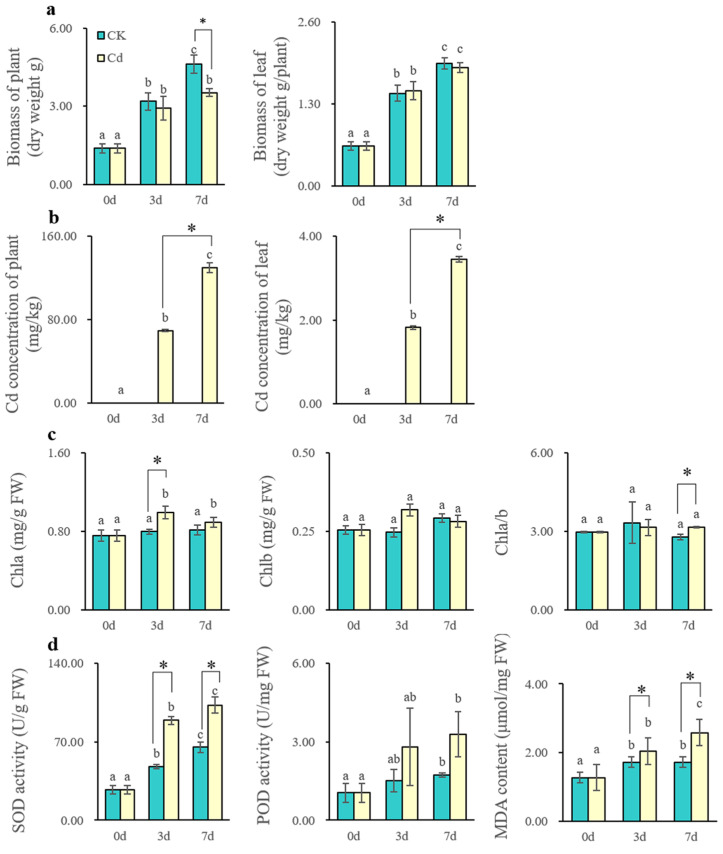
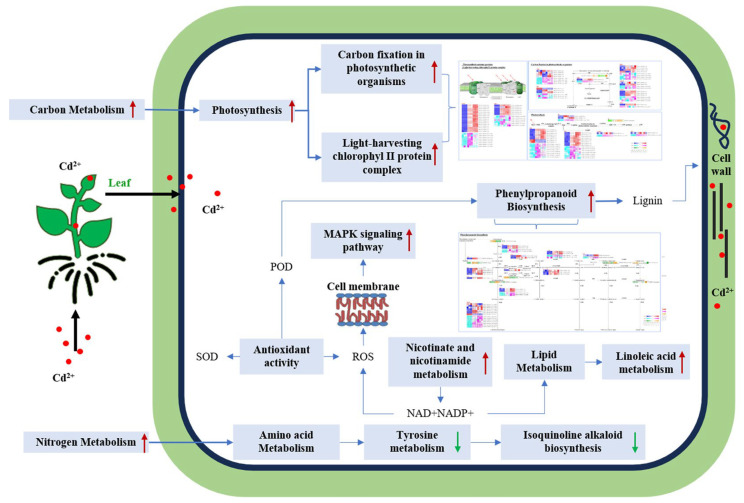
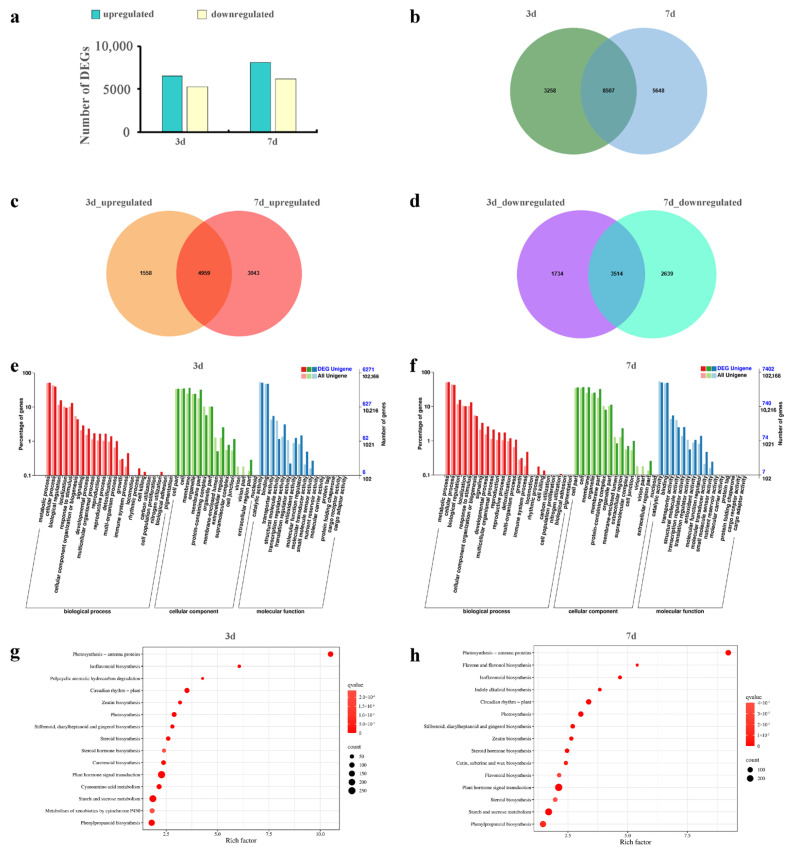
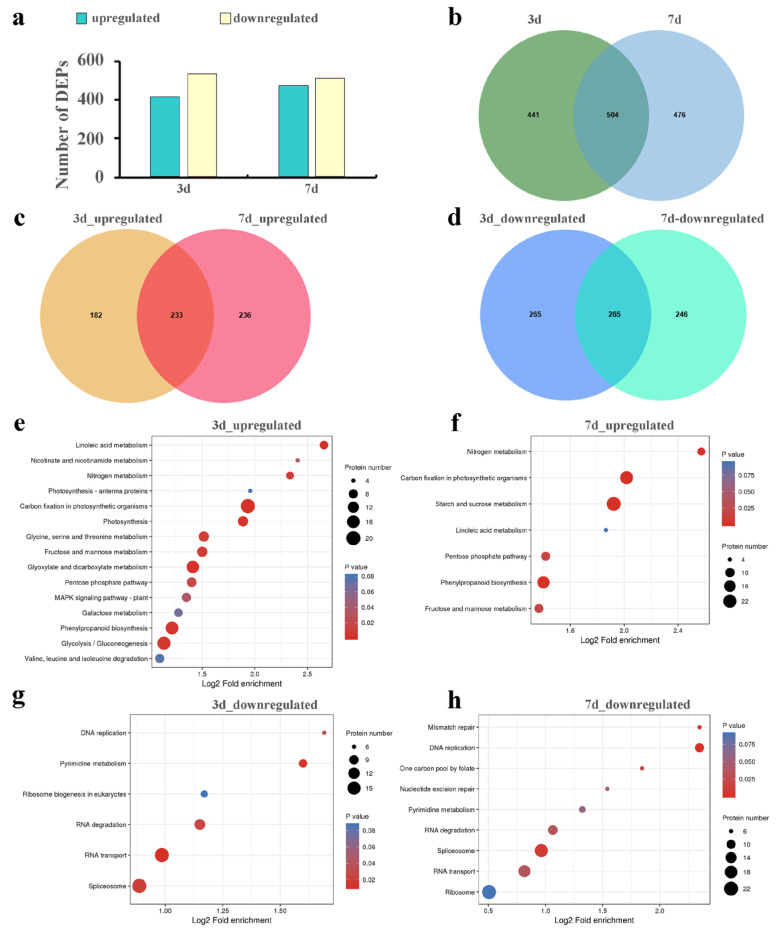
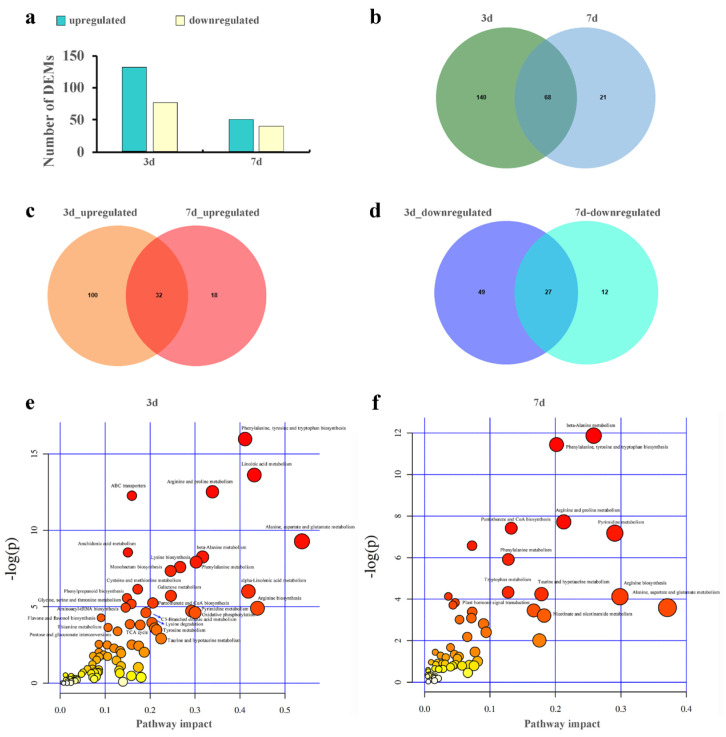
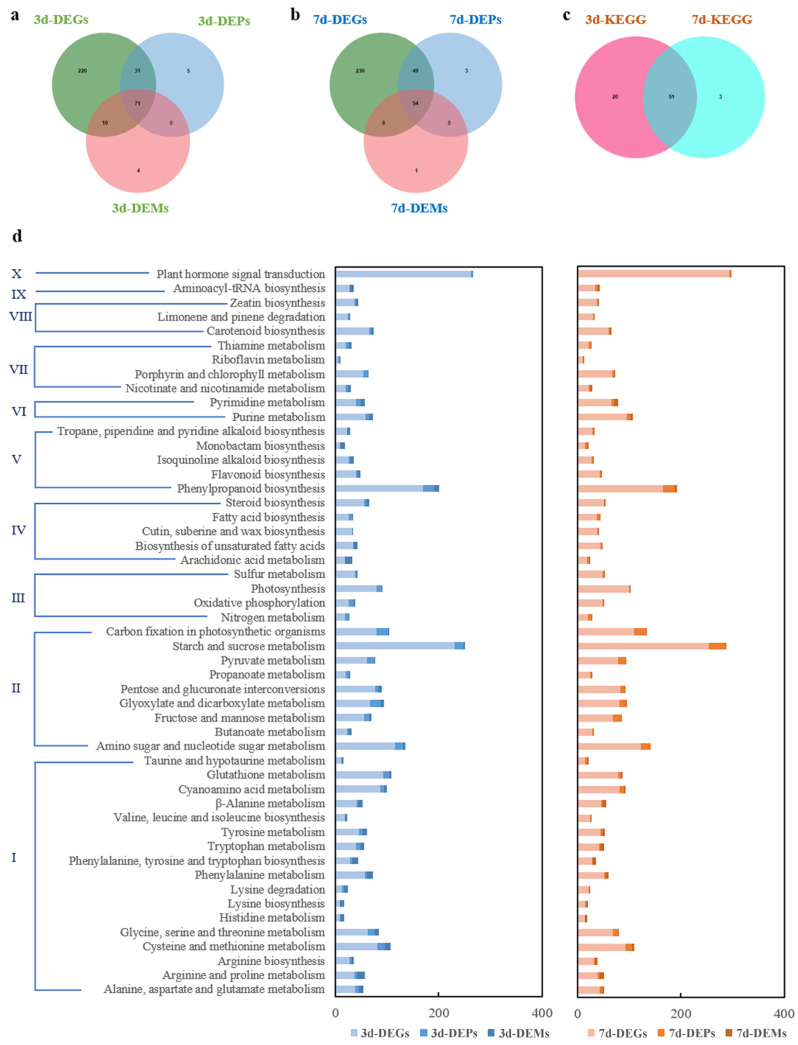
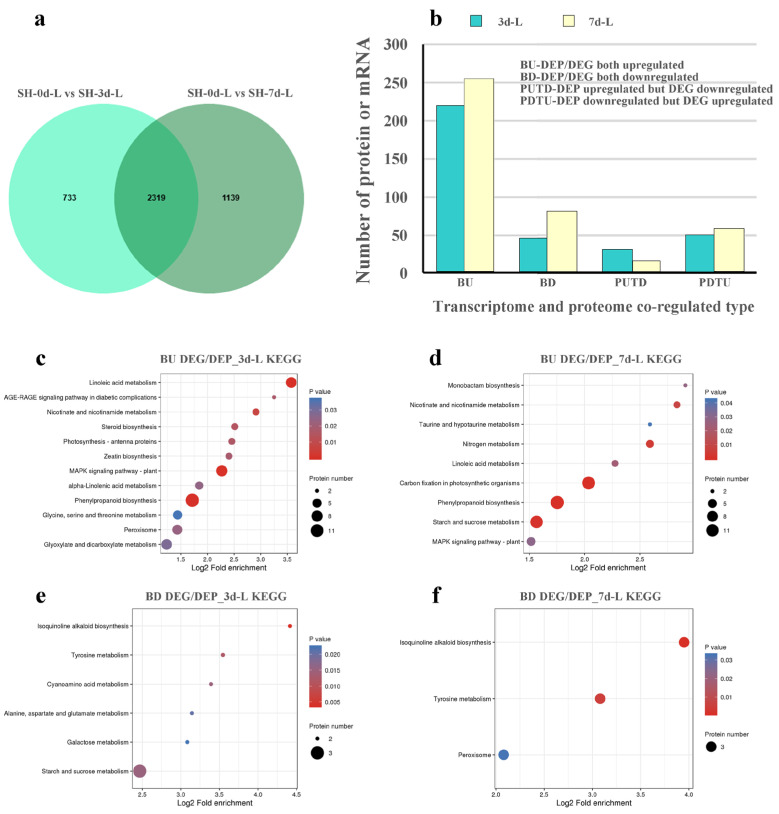
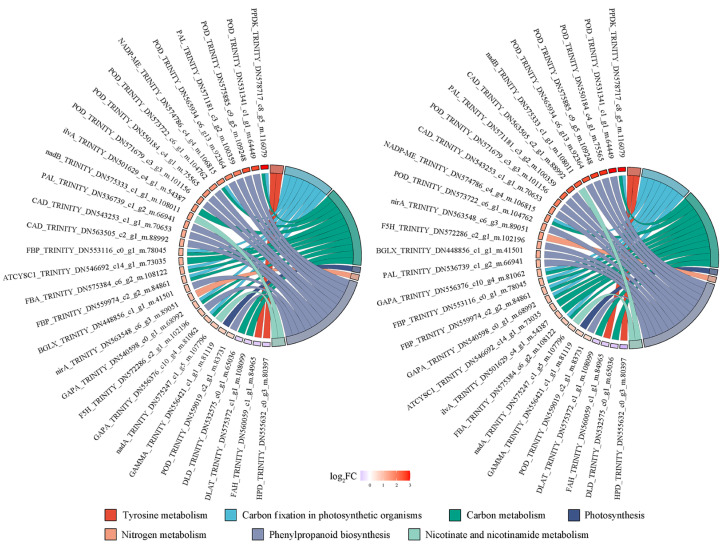
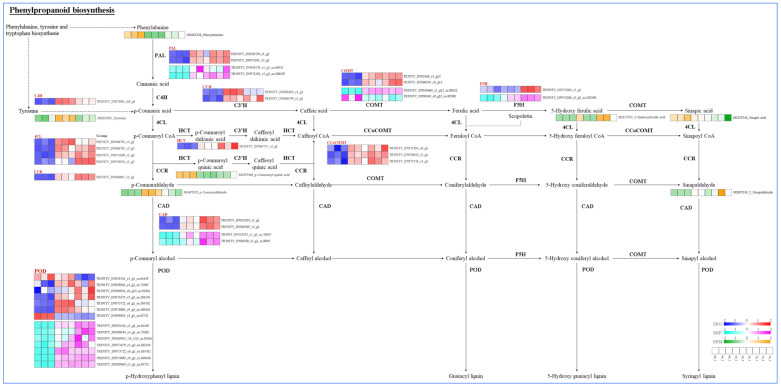
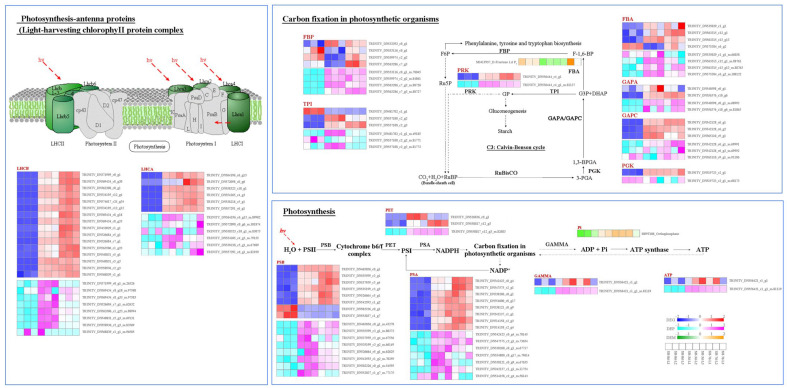
Phytoremediation is a green economic method to address soil cadmium (Cd) pollution, and is considered a potential phytoremediation candidate. However, the underlying Cd response mechanisms of remain unclear. In the current study, a hydroponic experiment with 160 μmol/L Cd stress was conducted, physiological and molecular indices were measured to explore the response of leaves to Cd stress at different time points (0, 3, and 7 days). Our findings revealed that Cd stress inhibited plant growth. Moreover, Cd stress significantly increased Cd accumulation, as well as Chla content, Chla/b, activities of SOD and POD, and elevated MDA content in the leaves. Furthermore, transcriptomics, proteomics, and metabolomics analyses revealed 17,413 differentially expressed genes (DEGs), 1421 differentially expressed proteins (DEPs), and 229 differentially expressed metabolites (DEMs). Meanwhile, integrative analyses of multi-omics data revealed key proteins involved in response to Cd stress, including POD, PAL, F5H, COMT, and CAD for phenylpropanoid biosynthesis, as well as GAPA, FBP, and FBA for photosynthesis pathways. Additionally, conjoint analyses highlighted that upregulated phenylpropanoid metabolism and photosynthesis alleviated Cd toxicity, playing vital roles in enhancing Cd tolerance in leaves. A conceptual molecular regulatory network of leaves in the response to Cd toxicity was proposed. This comprehensive study will provide detailed molecular-scale insights into the Cd response mechanisms in .
植物修复是一种解决土壤镉(Cd)污染的绿色经济方法,被认为是一种潜在的植物修复候选方法。然而,其潜在的镉响应机制仍不清楚。在本研究中,进行了一项160 μmol/L镉胁迫的水培实验,测量了生理和分子指标,以探究在不同时间点(0、3和7天)叶片对镉胁迫的响应。我们的研究结果表明,镉胁迫抑制了植物生长。此外,镉胁迫显著增加了镉积累,以及叶片中的叶绿素a含量、叶绿素a/b、超氧化物歧化酶(SOD)和过氧化物酶(POD)活性,并提高了丙二醛(MDA)含量。此外,转录组学、蛋白质组学和代谢组学分析分别揭示了17413个差异表达基因(DEGs)、1421个差异表达蛋白质(DEPs)和229个差异表达代谢物(DEMs)。同时,多组学数据的综合分析揭示了参与镉胁迫响应的关键蛋白质,包括参与苯丙烷生物合成的POD、PAL、F5H、COMT和CAD,以及参与光合作用途径的GAPA、FBP和FBA。此外,联合分析强调,上调的苯丙烷代谢和光合作用减轻了镉毒性,在增强叶片对镉的耐受性方面发挥了重要作用。提出了叶片对镉毒性响应的概念性分子调控网络。这项综合研究将为[具体植物名称未给出]中镉响应机制提供详细的分子层面见解。