Zhang Pengpeng, Zhang Mengzhe, Liu Jianlan, Zhou Zhaokai, Zhang Lianmin, Luo Peng, Zhang Zhenfa
Department of Lung Cancer, Tianjin Lung Cancer Center, National Clinical Research Center for Cancer, Key Laboratory of Cancer Prevention and Therapy, Tianjin's Clinical Research Center for Cancer, Tianjin Medical University Cancer Institute and Hospital, Tianjin, China.
Department of Thoracic Surgery, The First Affiliated Hospital with Nanjing Medical University, Nanjing, China.
J Immunother Cancer. 2025 Jul 31;13(7):e012069. doi: 10.1136/jitc-2025-012069.
Lung adenocarcinoma (LUAD) is the most common subtype of non-small cell lung cancer. Although immune checkpoint inhibitors (ICIs) have brought new treatment options for advanced patients, a considerable proportion still shows limited response. Mitochondrial dysfunction plays a crucial role in tumor development and immune evasion, but its regulatory mechanisms in LUAD immune microenvironment remain unclear.
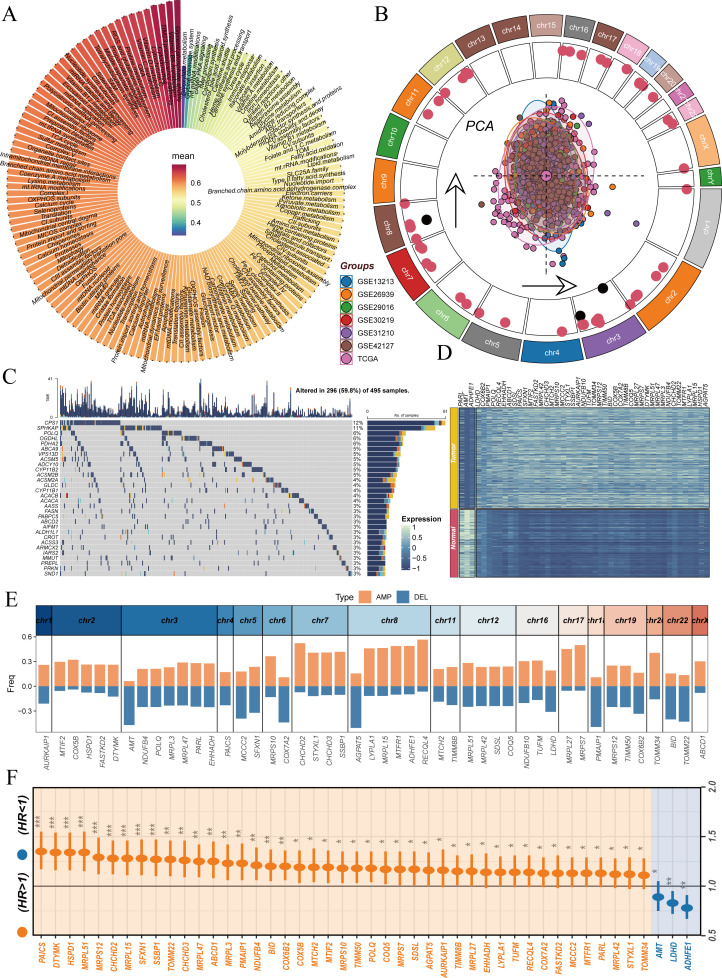
We integrated 149 mitochondria-related pathways (1,136 coding proteins) to develop and validate the Mitochondrial Pathway Signature (MitoPS) using machine learning approaches across seven independent LUAD cohorts (n=1,231). The system was systematically compared with 129 published LUAD prognostic signatures and validated in seven immunotherapy cohorts (n=451). Multiomics analysis, immunofluorescence staining, and experimental validation were performed to investigate its molecular mechanism.
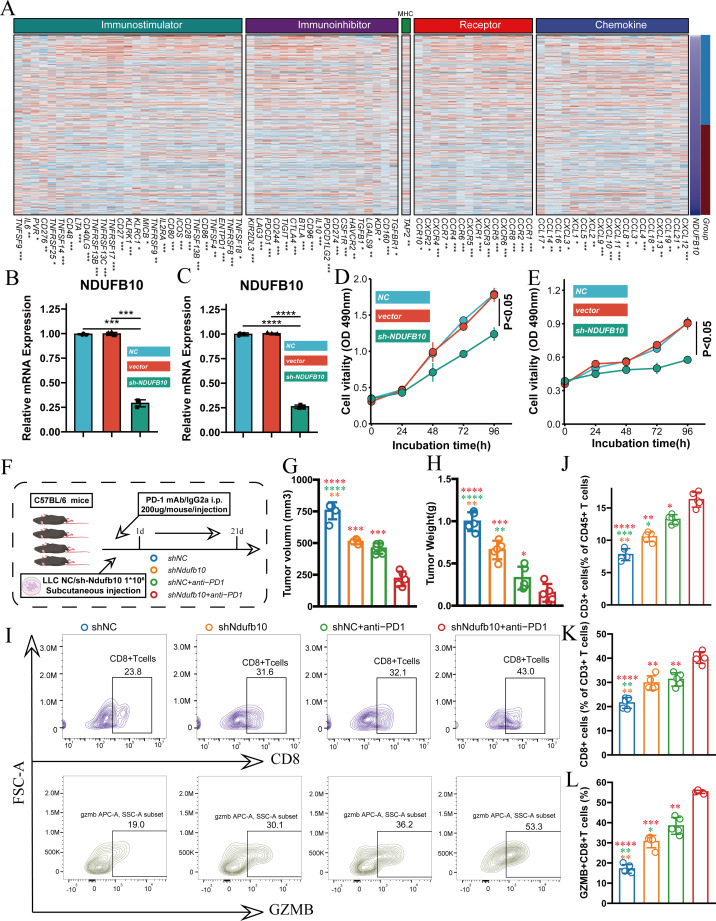
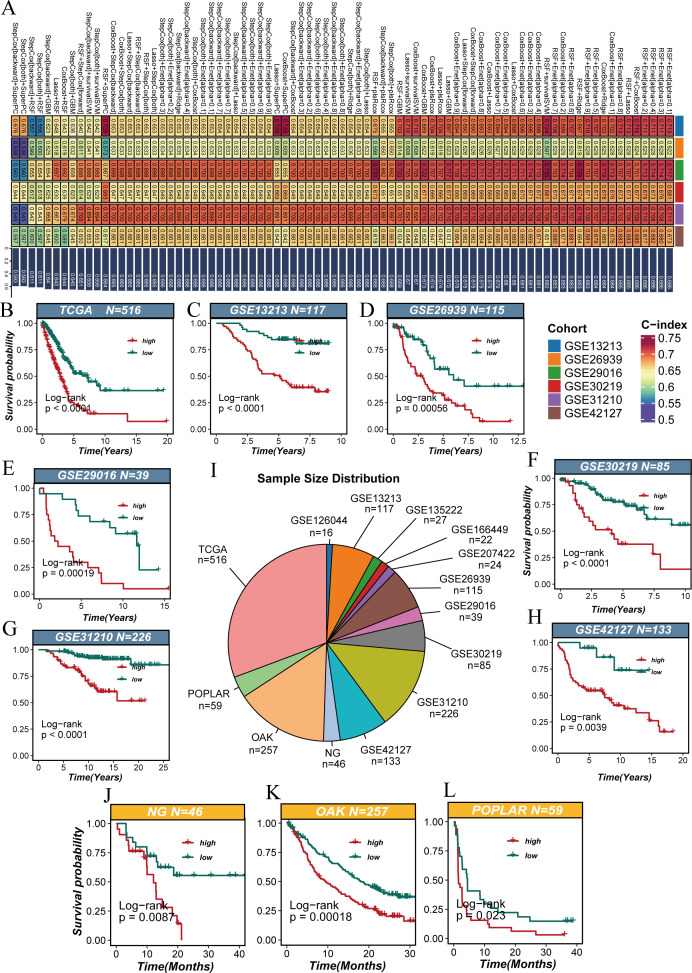
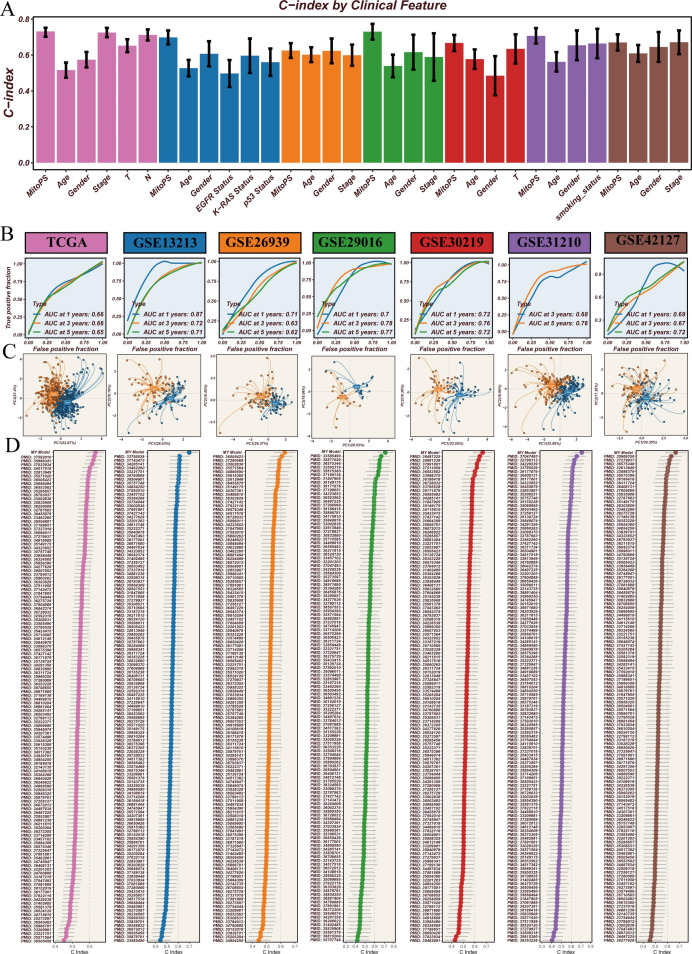
MitoPS demonstrated consistent predictive performance across validation cohorts, with high scores indicating poor prognosis, outperforming 129 existing prognostic models. In immunotherapy cohorts, MitoPS reliably predicted treatment response and prognosis. Immune microenvironment analysis revealed that low MitoPS scores correlated with higher immune cell infiltration and active immune function. Mechanistic studies identified mitochondria-related gene NDUFB10 as a core gene of MitoPS (r=0.38, p<0.05), where its high expression was significantly associated with immune desert phenotype and worse prognosis. Functional experiments confirmed that NDUFB10 knockdown significantly enhanced ICIs therapy and increased GZMB+CD8+T cell infiltration, indicating NDUFB10's crucial role in regulating tumor immune microenvironment and immunotherapy response.
The MitoPS scoring system reliably predicts prognosis and immunotherapy response in patients with LUAD, providing a novel reference for clinical decision-making. Furthermore, its core gene NDUFB10 regulates tumor immune microenvironment, offering a potential therapeutic target for improving immunotherapy outcomes.
肺腺癌(LUAD)是非小细胞肺癌最常见的亚型。尽管免疫检查点抑制剂(ICIs)为晚期患者带来了新的治疗选择,但仍有相当一部分患者反应有限。线粒体功能障碍在肿瘤发展和免疫逃逸中起关键作用,但其在LUAD免疫微环境中的调控机制尚不清楚。
我们整合了149条线粒体相关通路(1136个编码蛋白),使用机器学习方法在7个独立的LUAD队列(n = 1231)中开发并验证了线粒体通路特征(MitoPS)。该系统与129个已发表的LUAD预后特征进行了系统比较,并在7个免疫治疗队列(n = 451)中进行了验证。进行了多组学分析、免疫荧光染色和实验验证以研究其分子机制。
MitoPS在各验证队列中表现出一致的预测性能,高分表明预后不良,优于129个现有的预后模型。在免疫治疗队列中,MitoPS可靠地预测了治疗反应和预后。免疫微环境分析显示,低MitoPS评分与更高的免疫细胞浸润和活跃的免疫功能相关。机制研究确定线粒体相关基因NDUFB10是MitoPS的核心基因(r = 0.38,p < 0.05),其高表达与免疫荒漠表型和更差的预后显著相关。功能实验证实,敲低NDUFB10可显著增强ICIs治疗效果并增加GZMB + CD8 + T细胞浸润,表明NDUFB10在调节肿瘤免疫微环境和免疫治疗反应中起关键作用。
MitoPS评分系统可靠地预测了LUAD患者的预后和免疫治疗反应,为临床决策提供了新的参考。此外,其核心基因NDUFB10调节肿瘤免疫微环境,为改善免疫治疗效果提供了潜在的治疗靶点。