Yu Jiaxuan, Huang Ye, Qin Yujie, Zhu Jingfei, Zhao Tian, Wu Hao, Ye Xi, Qin Xiang, Li Shun, Chen Yungchang, Liu Yiyao, Li Tingting
Department of Medical Oncology, Sichuan Clinical Research Center for Cancer, Sichuan Cancer Hospital & Institute, Sichuan Cancer Center, and School of Life Science and Technology, University of Electronic Science and Technology of China, Chengdu 610041, Sichuan, P. R. China.
TCM Regulating Metabolic Diseases Key Laboratory of Sichuan Province, Hospital of Chengdu University of Traditional Chinese Medicine, Chengdu 610072, Sichuan, P. R. China.
Research (Wash D C). 2025 Aug 8;8:0816. doi: 10.34133/research.0816. eCollection 2025.
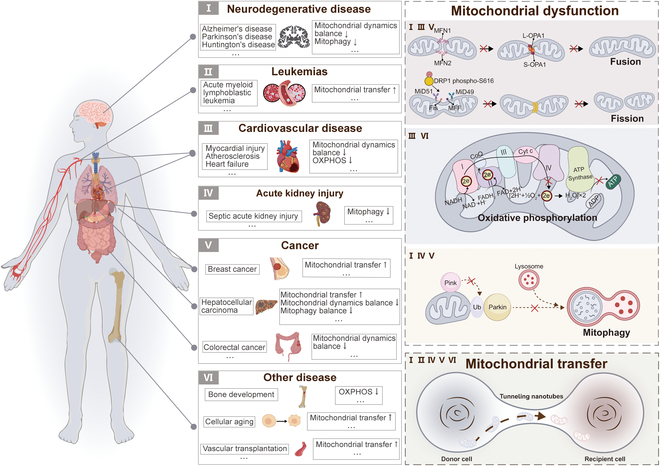
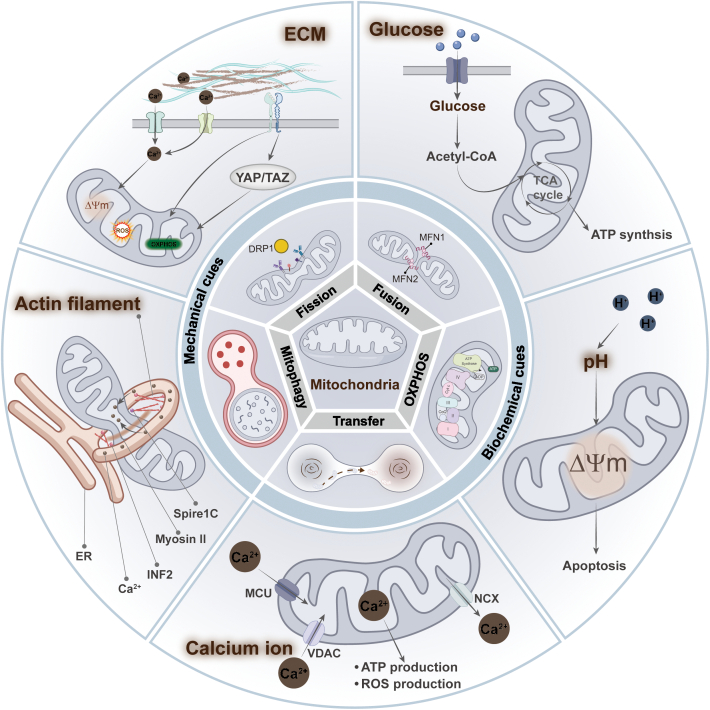
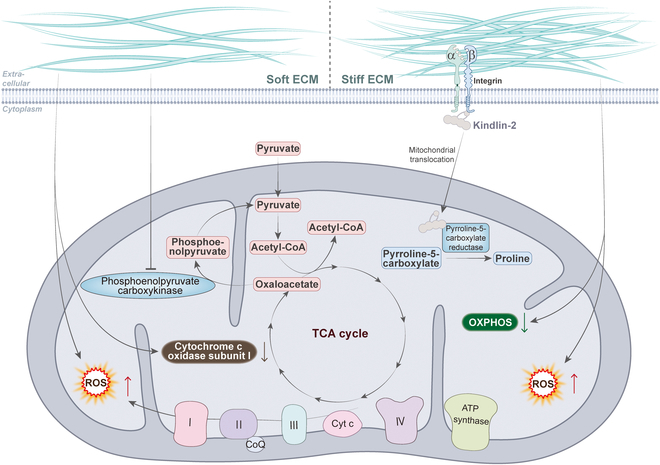
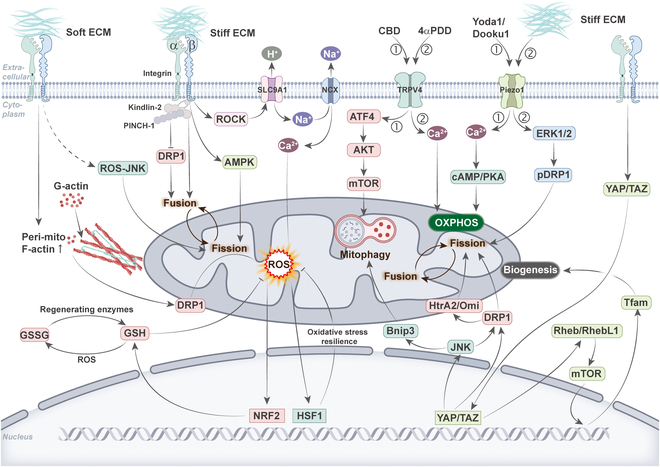
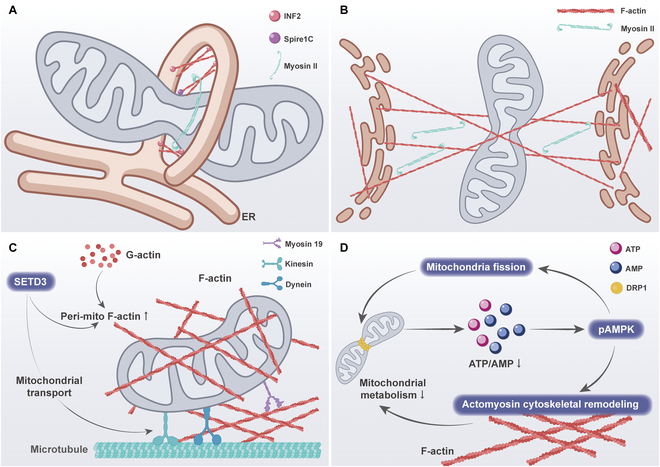
Mitochondria are highly dynamic organelles that are responsible for essential cellular functions such as calcium regulation, reactive oxygen species (ROS) production, metabolism, and apoptosis initiation. Mitochondrial dysfunctions are associated with a variety of pathologies, and the onset and progression of disease are accompanied by alterations in extracellular biochemical and mechanical signals. Recent studies have demonstrated that physicochemical cues, especially mechanical cues, exert pivotal roles in the organization of mitochondrial network and their metabolic functions. Therefore, understanding the mechanisms that orchestrate mitochondrial morphology and function is essential for elucidating their role in both health and disease. This review discusses novel insights into the recent advances regarding mitochondrial dysfunction across a spectrum of diseases and describes the effect of various factors. It then highlights the recently discovered mechanisms, particularly those involving matrix mechanical cues and cellular mechanical cues, summarizing the multiple pathways of mechanotransduction, such as integrin, Piezo1/TRPV4, and YAP/TAZ signaling pathways. Last, the review explores the potential future directions, stressing that understanding mitochondrial dysfunction is crucial for developing effective therapies to improve mitochondrial function and address related diseases.
线粒体是高度动态的细胞器,负责细胞的基本功能,如钙调节、活性氧(ROS)产生、代谢和凋亡启动。线粒体功能障碍与多种病理状况相关,疾病的发生和发展伴随着细胞外生化和机械信号的改变。最近的研究表明,物理化学线索,尤其是机械线索,在线粒体网络的组织及其代谢功能中发挥着关键作用。因此,了解协调线粒体形态和功能的机制对于阐明它们在健康和疾病中的作用至关重要。本综述讨论了对一系列疾病中线粒体功能障碍最新进展的新见解,并描述了各种因素的影响。然后强调了最近发现的机制,特别是那些涉及基质机械线索和细胞机械线索的机制,总结了机械转导的多种途径,如整合素、Piezo1/TRPV4和YAP/TAZ信号通路。最后,本综述探讨了潜在的未来方向,强调了解线粒体功能障碍对于开发有效疗法以改善线粒体功能和治疗相关疾病至关重要。