Yousefi Farzaneh, Naye Florian, Ouellet Steven, Yameogo Achille-Roghemrazangba, Sasseville Maxime, Bergeron Frédéric, Ozkan Marianne, Cousineau Martin, Amil Samira, Rhéaume Caroline, Gagnon Marie-Pierre
Department of Health Management, Policy, and Economics, Faculty of Management and Medical Information Sciences, Kerman University of Medical Sciences, Kerman, Iran.
Faculty of Nursing Sciences, Université Laval, 1050, avenue de la Médecine, Québec, QC, G1V 0A6, Canada, 1 418 656 2131 ext 407576.
J Med Internet Res. 2025 Aug 1;27:e70381. doi: 10.2196/70381.
Chronic diseases represent a significant global burden of mortality, exacerbated by behavioral risk factors. Artificial intelligence (AI) has transformed health promotion and disease reduction through improved early detection, encouraging healthy lifestyle modifications, and mitigating the economic strain on health systems.
The aim of this study is to investigate how AI contributes to health promotion and disease reduction among Organization for Economic Co-operation and Development countries.
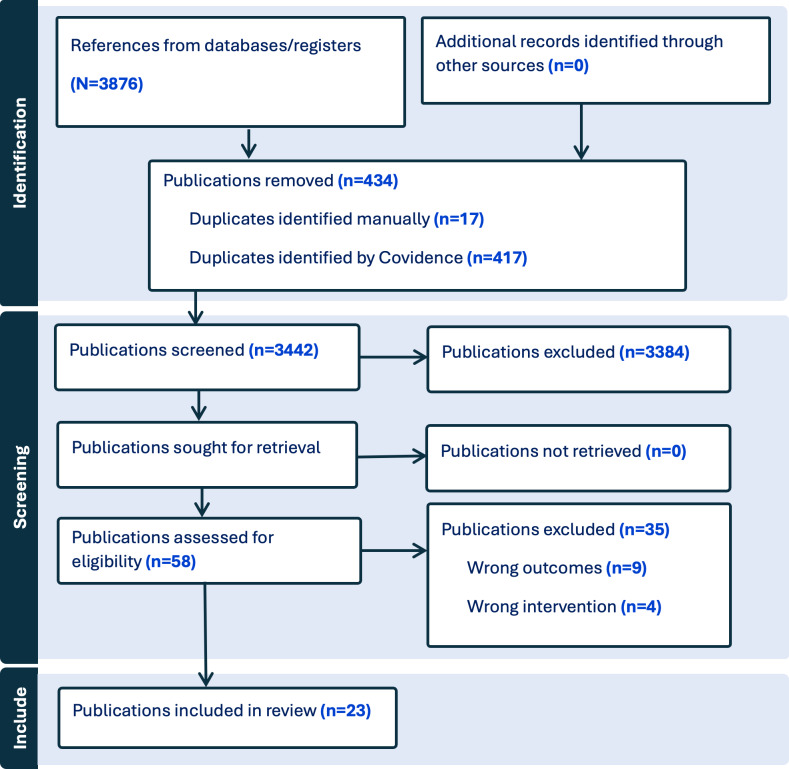
We conducted a rapid review of the literature to identify the latest evidence on how AI is used in health promotion and disease reduction. We applied comprehensive search strategies formulated for MEDLINE (OVID) and CINAHL to locate studies published between 2019 and 2024. A pair of reviewers independently applied the inclusion and exclusion criteria to screen the titles and abstracts, assess the full texts, and extract the data. We synthesized extracted data from the study characteristics, intervention characteristics, and intervention purpose using structured narrative summaries of main themes, giving a portrait of the current scope of available AI initiatives used in promoting healthy activities and preventing disease.
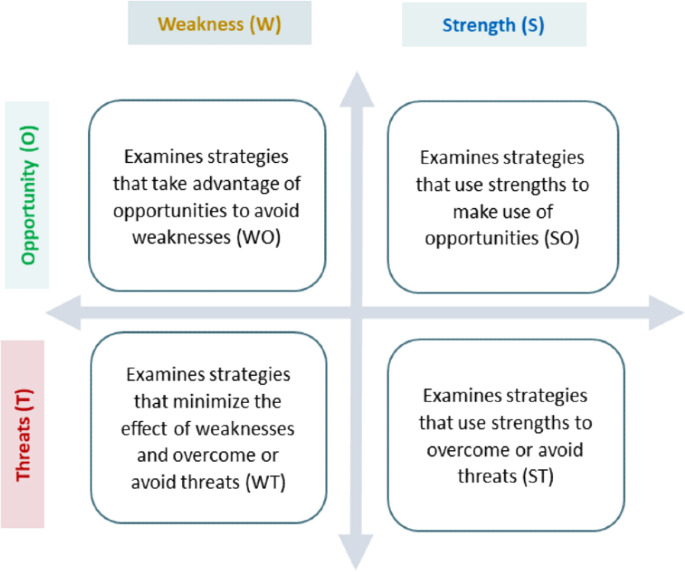
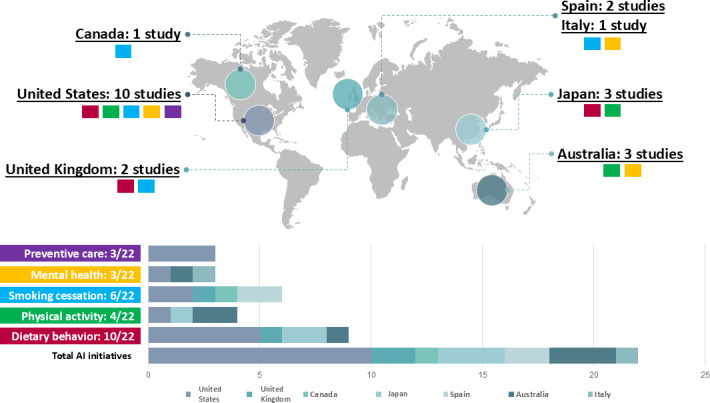
We included 22 studies in this review (out of 3442 publications screened), most of which were conducted in the United States (10/22, 45%) and focused on health promotion by targeting lifestyle dimensions, such as dietary behavior (10/22, 45%), smoking cessation (6/22, 27%), physical activity (4/22, 18%), and mental health (3/22, 14%). Three studies targeted disease reduction related to metabolic health (eg, obesity, diabetes, hypertension). Most AI initiatives were AI-powered mobile apps. Overall, positive results were reported for process outcomes (eg, acceptability, engagement), cognitive and behavioral outcomes (eg, confidence, step count), and health outcomes (eg, glycemia, blood pressure). We categorized the challenges, benefits, and suggestions identified in the studies using a Strengths, Weaknesses, Opportunities, and Threats analysis to inform future developments. Key recommendations include conducting further investigations, taking into account the needs of end users, improving the technical aspect of the technology, and allocating resources.
These findings offer critical insights into the effective implementation of AI for health promotion and disease prevention, potentially guiding policymakers and health care practitioners in optimizing the use of AI technologies in supporting health promotion and disease reduction.
慢性病是全球重大的死亡负担,行为风险因素使其进一步加剧。人工智能(AI)通过改善早期检测、鼓励健康的生活方式改变以及减轻卫生系统的经济负担,已改变了健康促进和疾病预防的方式。
本研究旨在调查人工智能如何在经济合作与发展组织国家中促进健康和减少疾病。
我们对文献进行了快速回顾,以确定关于人工智能如何用于健康促进和疾病预防的最新证据。我们应用了为MEDLINE(OVID)和CINAHL制定的全面搜索策略,以查找2019年至2024年发表的研究。一对评审员独立应用纳入和排除标准来筛选标题和摘要、评估全文并提取数据。我们使用主要主题的结构化叙述性摘要综合了从研究特征、干预特征和干预目的中提取的数据,描绘了当前用于促进健康活动和预防疾病的可用人工智能举措的范围。
我们在本次综述中纳入了22项研究(在筛选的3442篇出版物中),其中大部分研究在美国进行(10/22,45%),并且通过针对生活方式维度来促进健康,例如饮食行为(10/22,45%)、戒烟(6/22,27%)、身体活动(4/22,18%)和心理健康(3/22,14%)。三项研究针对与代谢健康相关的疾病预防(例如肥胖、糖尿病、高血压)。大多数人工智能举措是由人工智能驱动的移动应用程序。总体而言,报告了在过程结果(例如可接受性、参与度)、认知和行为结果(例如信心、步数)以及健康结果(例如血糖、血压)方面取得的积极成果。我们使用优势、劣势、机会和威胁分析对研究中确定的挑战、益处和建议进行了分类,以为未来的发展提供参考。关键建议包括进行进一步调查、考虑最终用户的需求、改进技术的技术方面以及分配资源。
这些发现为有效实施人工智能促进健康和预防疾病提供了关键见解,可能会指导政策制定者和医疗保健从业者优化人工智能技术在支持健康促进和疾病预防方面的应用。